
Semiconductor Vacuum Valves: Failure Risks to Check


Semiconductor Vacuum Valves: Failure Risks to Check
In semiconductor manufacturing, vacuum valves are small components with outsized influence on yield, uptime, and operator safety.
A minor leak, particle source, seal failure, or actuation delay can compromise process stability and trigger costly contamination events.
For quality control and safety teams, understanding common failure risks is essential before they escalate into downtime, batch loss, or compliance issues.
This guide highlights warning signs and inspection priorities for semiconductor vacuum valves in high-reliability production environments.
Basic Role of Vacuum Valves in Semiconductor Systems
A vacuum valve controls isolation, throttling, venting, and pressure transition inside process tools, transfer modules, and support systems.
In a semiconductor fab, valve performance affects chamber cleanliness, gas stability, pump-down time, and recipe repeatability.
Common types include gate valves, slit valves, angle valves, butterfly valves, pendulum valves, and high-vacuum isolation valves.
Each design has a different risk profile, depending on sealing method, motion path, actuator control, and exposure to process chemistry.
Semiconductor tools usually require low outgassing materials, smooth internal surfaces, predictable actuation, and compatibility with aggressive gases.
A valve is rarely evaluated as a standalone part. It must be assessed within the complete vacuum and process architecture.
Current Industry Focus Around Failure Risk
Advanced semiconductor nodes leave less tolerance for particles, pressure drift, and molecular contamination.
As process windows narrow, valve defects that once appeared minor can become direct yield threats.
The industry also faces longer tool utilization cycles, higher automation levels, and stricter documentation expectations.
These signals should not be reviewed only after failure. They belong in scheduled semiconductor maintenance and acceptance procedures.
Leakage Risks and Pressure Instability
Leakage is one of the most critical failure modes in semiconductor vacuum valves.
External leaks allow atmosphere, moisture, and hydrocarbons to enter sensitive vacuum spaces.
Internal leakage can defeat isolation between chambers, pumps, gas lines, or load-lock sections.
Typical causes include damaged O-rings, knife-edge deformation, contaminated sealing faces, and improper flange loading.
Thermal cycling can accelerate seal fatigue, especially near heated process modules or bake-out zones.
Pressure instability may appear as slow pump-down, poor ultimate pressure, or unexplained recovery after repeated cycling.
In semiconductor inspection, helium leak testing remains a key method for confirming vacuum boundary integrity.
Trending leak rates over time is more useful than treating each test as an isolated result.
Particle Generation and Surface Degradation
Particle control is central to semiconductor yield protection, and valves are potential particle sources.
Particles can originate from mechanical rubbing, worn coatings, cracked deposits, fast actuation, or improper cleaning.
Gate and slit valves deserve close attention because their movement occurs near wafer transfer paths.
Visual inspection should look for scratches, galling, powdery residue, and uneven contact marks.
Surface degradation may also indicate chemical incompatibility with plasma byproducts, corrosive gases, or cleaning agents.
For semiconductor vacuum service, electropolished stainless steel, qualified coatings, and clean assembly practices reduce particle risk.
However, material selection alone is not sufficient. Motion alignment and maintenance discipline determine actual cleanliness performance.
Seal Failure and Chemical Compatibility
Seals are often the first components to show aging in semiconductor vacuum valves.
Elastomer seals can harden, flatten, swell, crack, or absorb process chemicals over repeated exposure cycles.
Metal seals provide stronger vacuum integrity, but they require correct surface finish and controlled assembly force.
Seal material should match temperature range, gas chemistry, plasma exposure, and required cleanliness level.
Common choices include FKM, FFKM, EPDM, PTFE-based materials, and metal gaskets for ultra-high vacuum service.
In semiconductor environments, seal substitution without compatibility review can create hidden contamination or lifetime problems.
- Check seal compression set during planned shutdowns.
- Confirm material certificates for critical applications.
- Avoid mixing cleaning agents without compatibility data.
- Record installation date and cycle history.
Actuation, Control, and Interlock Concerns
A valve can pass leak testing but still fail because of actuation or control instability.
Pneumatic actuators may suffer from low supply pressure, sticking cylinders, worn solenoids, or contaminated air lines.
Motorized valves may show encoder errors, torque spikes, firmware faults, or position sensor drift.
In semiconductor automation, timing variation can disrupt wafer handling, purge sequences, and pressure transition steps.
Interlock faults should be investigated carefully, not bypassed for convenience during production pressure.
A delayed close signal or inaccurate open confirmation may expose operators and tools to avoidable risk.
Cycle-time data, position feedback, and alarm logs provide valuable evidence before physical failure occurs.
Typical Semiconductor Valve Applications and Risk Profiles
Failure risk changes by location. A valve near a wafer path demands different scrutiny than a pump foreline valve.
This classification helps prioritize inspection resources across complex semiconductor equipment sets.
Inspection Priorities for Quality and Safety
A practical inspection plan should combine visual checks, performance data, leak testing, and maintenance history.
The goal is not only finding failed parts, but detecting early drift from qualified operating behavior.
- Review valve cycle count against rated lifetime and actual process severity.
- Check pressure traces during pump-down, venting, and isolation steps.
- Inspect seals, seats, shafts, bellows, and exposed internal surfaces.
- Verify actuator response, limit switches, and position feedback accuracy.
- Compare particle and defect trends before and after maintenance events.
- Confirm spare parts match approved semiconductor specifications.
Documentation matters. Inspection records support root-cause analysis, supplier review, and compliance with internal reliability programs.
Business Value of Early Failure Detection
Reliable valves protect more than hardware. They support stable wafer flow, predictable recipes, and consistent product quality.
Early detection reduces unplanned downtime, emergency maintenance, scrap risk, and repeated chamber qualification.
In semiconductor operations, one avoided contamination event can justify a disciplined valve monitoring program.
Technical benchmarking also improves supplier decisions by comparing lifetime claims against field evidence and standards-based testing.
Relevant frameworks may include SEMI guidance, ISO cleanliness practices, ASTM material testing, and site-specific safety rules.
The strongest programs connect engineering data with procurement, maintenance planning, and contamination-control governance.
Practical Recommendations Before the Next Shutdown
Start with the highest consequence valves, especially those near wafer transfer, toxic gases, or critical pressure-control loops.
Build a risk register that ranks each valve by failure consequence, replacement difficulty, cycle count, and process exposure.
Include photographs, leak test values, torque notes, actuator settings, and seal material details in each maintenance record.
Do not reuse questionable seals or hardware in high-value semiconductor chambers without documented engineering approval.
When recurring alarms appear, review upstream utilities, compressed air quality, exhaust conductance, and control logic.
Valve failure is sometimes a symptom of broader system instability, not simply a component defect.
- Set acceptance criteria before maintenance begins.
- Use qualified cleanroom handling for exposed parts.
- Separate mechanical, chemical, and control-related findings.
- Trend failures by tool type, process family, and supplier.
Action Path for Safer Vacuum Reliability
A dependable semiconductor vacuum valve program begins with evidence, not assumptions.
Map critical valves, define measurable failure indicators, and align inspection frequency with real process severity.
Use leak data, particle trends, seal condition, and actuation logs to decide repair, replacement, or supplier escalation.
For complex toolsets, independent benchmarking can strengthen technical decisions and reduce uncertainty across global supply chains.
G-AIT supports disciplined evaluation of vacuum and cryogenic engineering systems through verifiable data, standards awareness, and industrial reliability analysis.
The next practical step is a structured semiconductor valve risk review before the next scheduled maintenance window.
Related News
How to verify part consistency before choosing a 3D printing OEM
Choosing a 3D printing OEM? Learn how to verify part consistency with repeat-build trials, validated inspections, and traceability checks before committing to production.
How does a rigid cryogenic transfer line handle thermal contraction?
Learn how a rigid cryogenic transfer line manages thermal contraction with bends, bellows, and guided supports. Discover key design checks for safe, reliable cryogenic performance.
How much does edge vision deployment cost beyond the hardware?
Understand edge vision deployment cost beyond hardware, from data and integration to security and support. Uncover hidden expenses and build a smarter lifecycle budget before you scale.
How does the purity of sputtering targets affect thin-film quality?
Discover how sputtering targets affect thin-film quality. Learn to assess purity, identify harmful impurities, and choose specifications that improve coating performance.
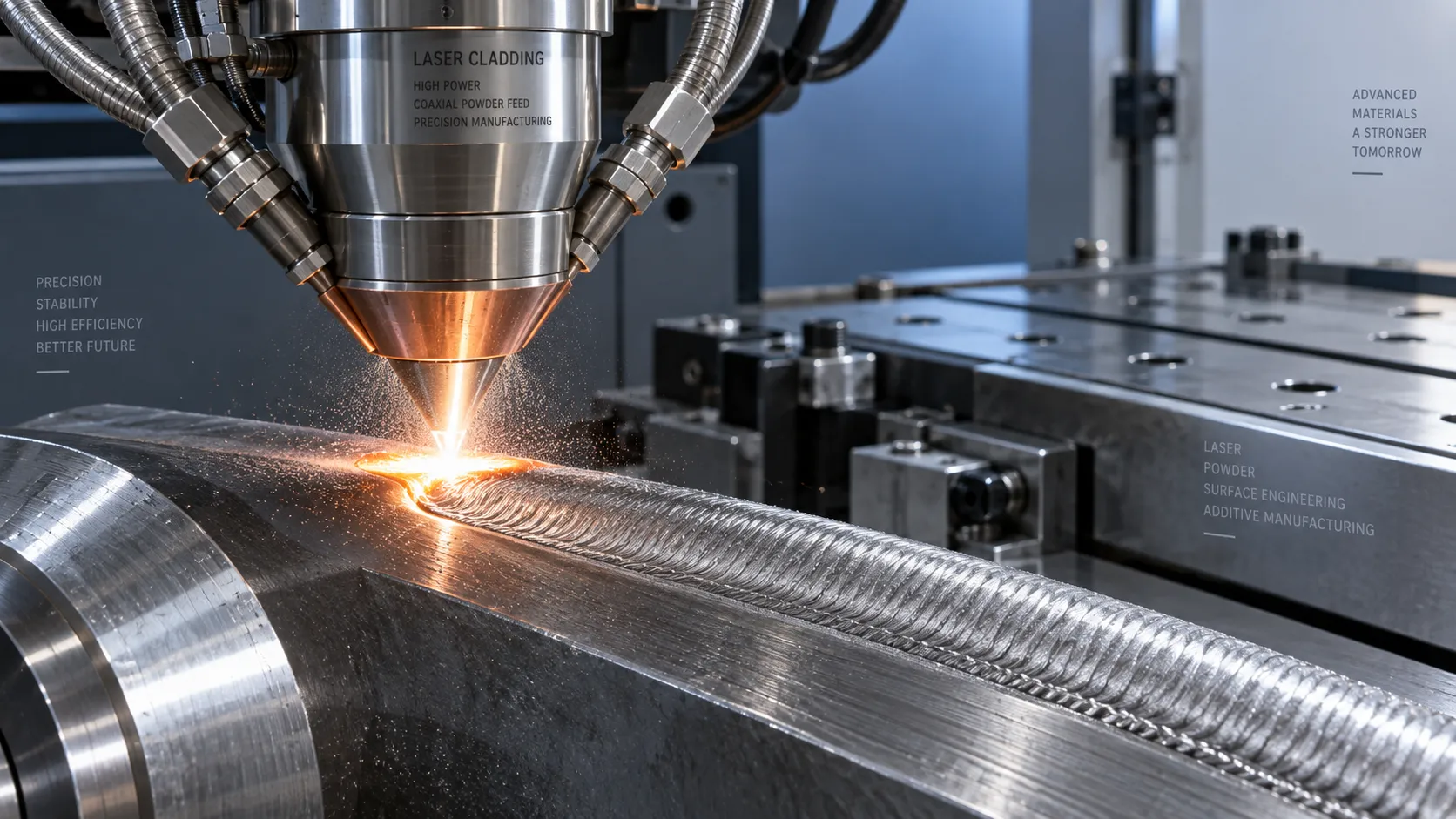
How high power laser cladding systems control substrate dilution
Discover how high power laser cladding systems control substrate dilution through beam shaping, material feed, and thermal management to deliver reliable bonds and coating performance.
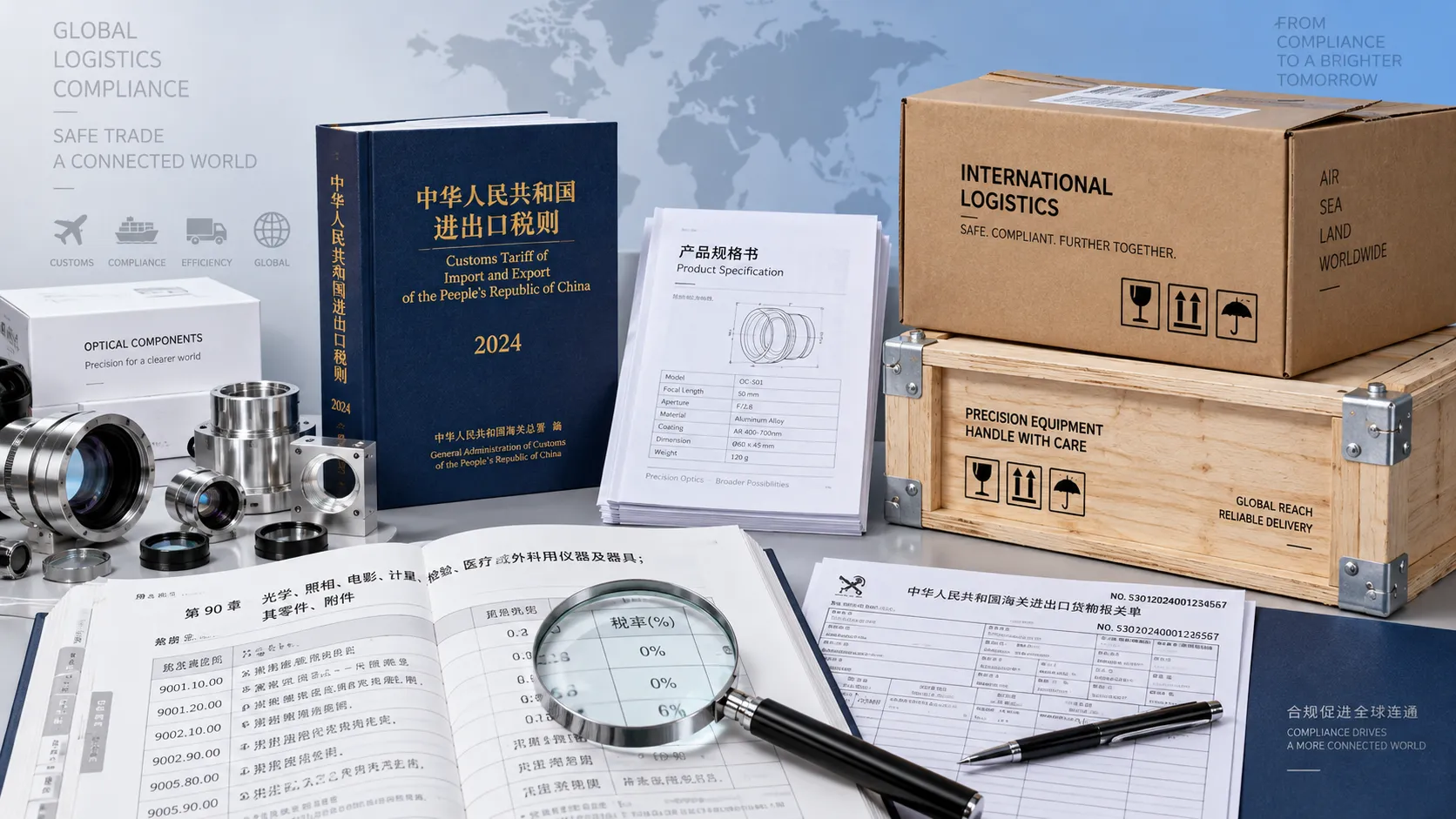
How to check HS codes for customs compliance in international logistics
Strengthen international logistics customs compliance: learn how to verify HS codes, check official tariffs, and document classifications to reduce costly shipment delays.
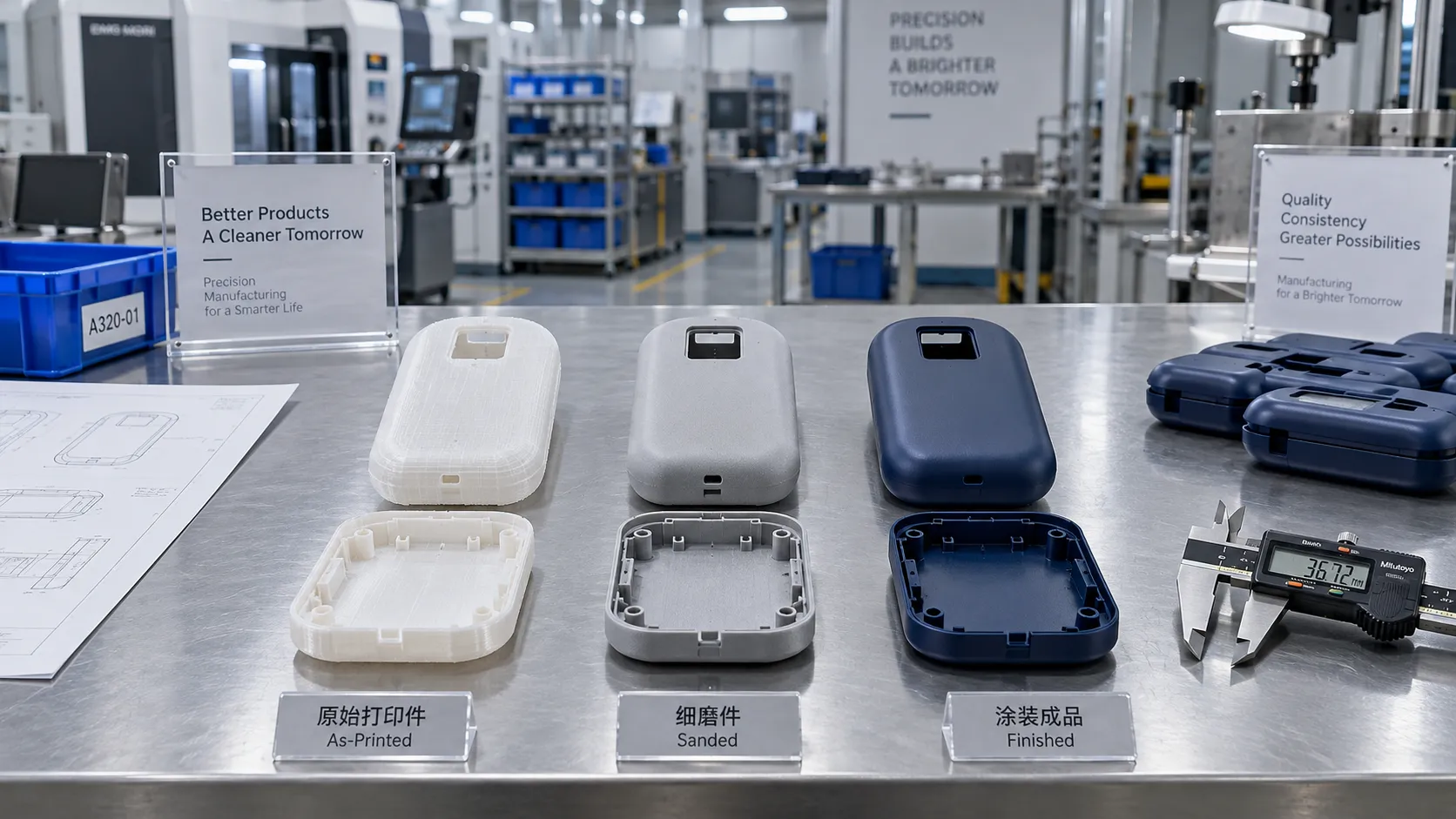
Choosing a 3D Printing Service for Consumer Products: Finish, Fit, and Cost
Compare 3d printing consumer good services by finish, fit, materials, and total cost. Learn how to choose a reliable supplier and avoid costly defects before ordering.
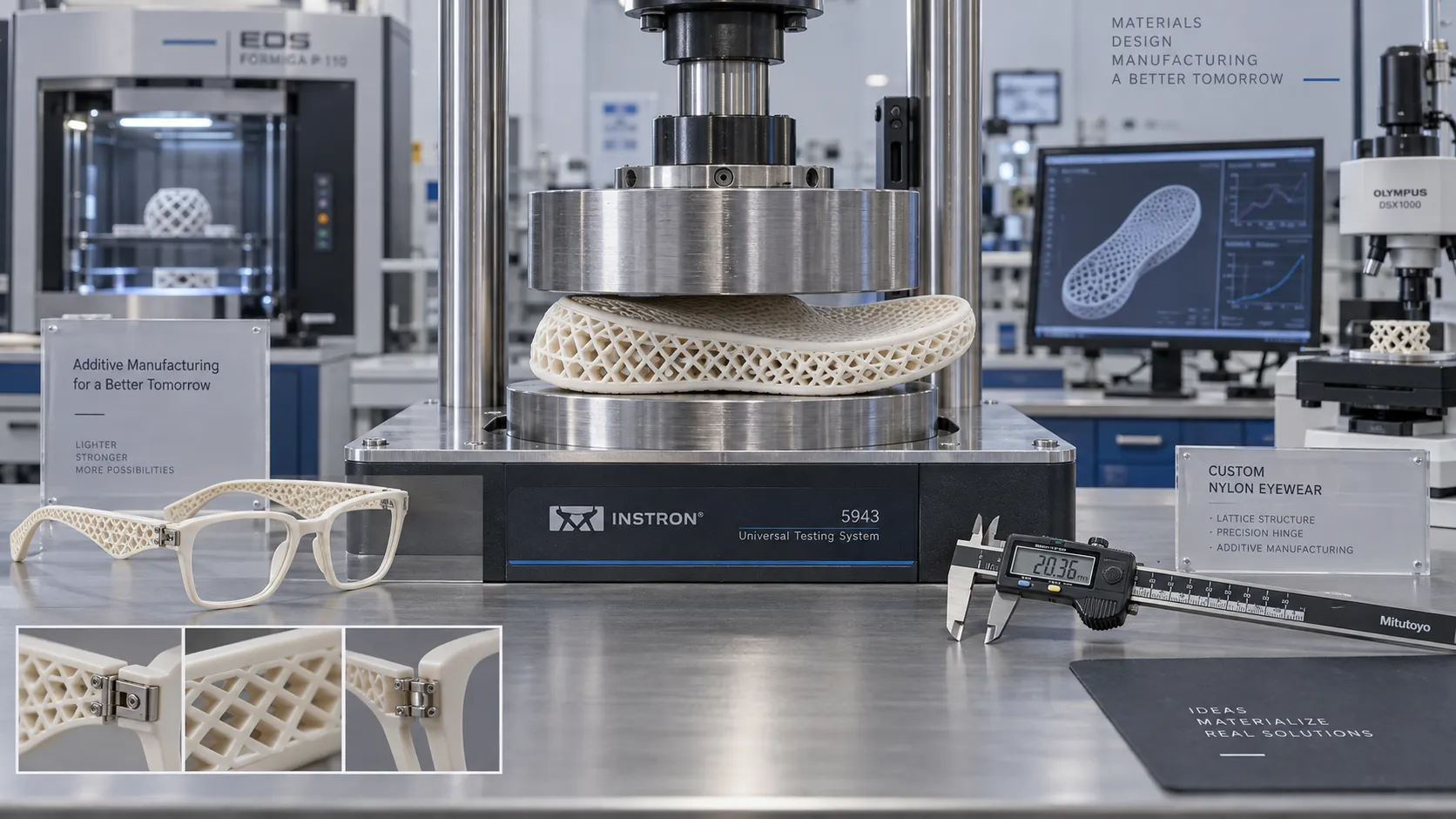
Which Consumer Goods Can Be 3D Printed, and What Are the Practical Limits?
Explore 3d printing consumer goods, from custom eyewear to replacement parts. Discover practical limits on materials, safety, and costs to make smarter production decisions.
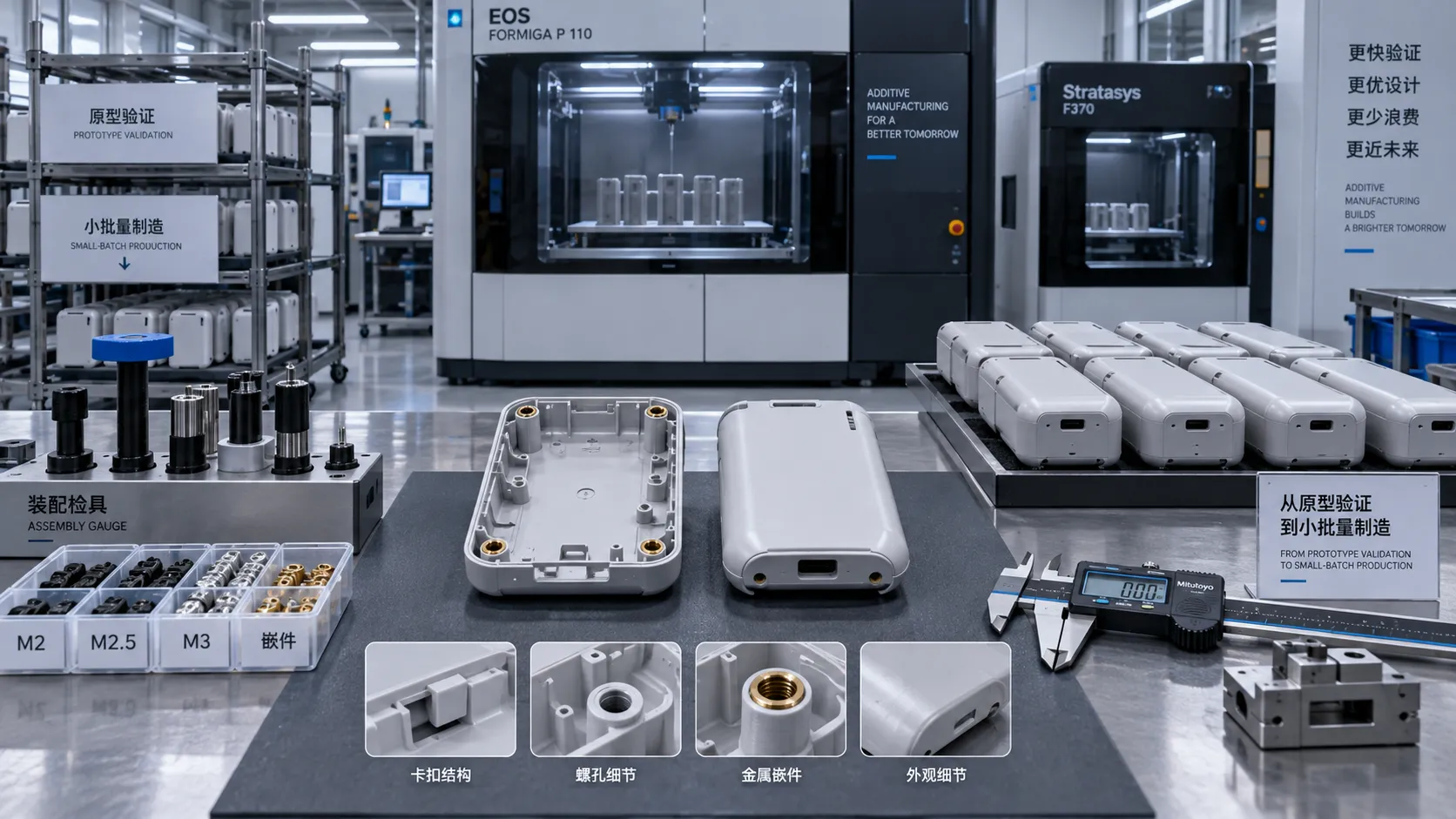
From Prototype to Small Batch: Applying 3D Printing to Consumer Goods
Explore 3d printing in consumer goods: learn how to move from prototype to small-batch production with practical guidance on materials, quality validation, and cost control.
Related News
- 00
0000-00
How to verify part consistency before choosing a 3D printing OEM - 00
0000-00
How does a rigid cryogenic transfer line handle thermal contraction? - 00
0000-00
How much does edge vision deployment cost beyond the hardware? - 00
0000-00
How does the purity of sputtering targets affect thin-film quality? - 00
0000-00
How high power laser cladding systems control substrate dilution
Dr. Julian Volt
Weekly Insights
Stay ahead with our curated technology reports delivered every Monday.