
Can 3D Printing Supply Chain Optimization Reduce Delays?

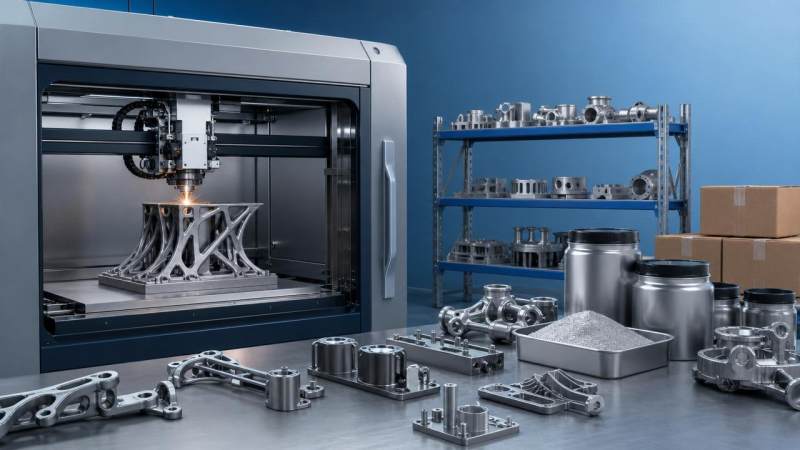
Can 3D printing supply chain optimization reduce delays for complex industrial programs? For business evaluators, the short answer is yes—but only when additive manufacturing is integrated into the wider supply chain with clear controls over materials, production planning, supplier qualification, and quality assurance. Without that integration, 3D printing can simply shift delays from tooling or machining into powder availability, post-processing queues, or certification bottlenecks.
For organizations assessing adoption, the real question is not whether additive manufacturing is fast in theory. It is whether a structured 3D printing supply chain optimization strategy can improve schedule reliability, reduce exposure to single-point failures, and support the commercial and regulatory requirements of industrial production. In many cases, it can. But the value depends on use case, part criticality, and the maturity of the supplier network.
What business evaluators are really trying to determine
When procurement, operations, or program evaluation teams search for answers on additive manufacturing delays, they are usually not looking for a generic description of 3D printing. They want to know whether it can solve concrete scheduling problems in real supply environments. These problems often include long tooling lead times, unstable overseas sourcing, low-volume service parts, engineering change delays, and capacity constraints in conventional manufacturing.
Business evaluators also need to separate marketing claims from operational reality. A supplier may promise shorter lead times because additive manufacturing eliminates molds, dies, or complex setups. However, that promise only matters if raw materials are available, qualified machines have capacity, process parameters are stable, inspection methods are accepted, and post-processing steps do not create new choke points.
As a result, the most useful evaluation framework is not “Is 3D printing faster?” but “Where in the end-to-end chain can additive manufacturing remove delay, and where might it introduce new dependencies?” That perspective leads to better sourcing decisions and more realistic return-on-investment expectations.
Where delays actually come from in industrial supply chains
To understand the impact of optimization, it helps to map the typical sources of delay in traditional and additive production models. In conventional manufacturing, delays often start with tooling fabrication, supplier changeovers, minimum order quantities, and shipping exposure across multiple countries. If a design change occurs late in the cycle, the program may face another round of setup and approval delays.
In additive manufacturing, some of those barriers are reduced. Tooling is often eliminated, digital files can be revised faster, and low-volume parts become more economically feasible. Yet additive manufacturing has its own delay risks. Metal powder or specialty polymer feedstock may have long replenishment times. Critical parts may require validation, heat treatment, machining, surface finishing, and CT or dimensional inspection. If any of these supporting steps are undersized, the printed part does not reach the customer faster in practice.
Another common issue is fragmented visibility. Many buyers evaluate only the printing step and underestimate the role of pre-processing, build scheduling, orientation strategy, support removal, quality documentation, and logistics. In high-spec sectors, a printed component is only as on-time as the slowest qualification or post-processing stage in the chain.
How 3D printing supply chain optimization can reduce delays
Effective 3D printing supply chain optimization reduces delays by improving the way digital inventory, material planning, supplier coordination, and production sequencing work together. The strongest benefit is often not raw production speed. It is the ability to compress or stabilize the overall lead-time profile.
First, additive manufacturing can reduce dependency on hard tooling. For spare parts, customized assemblies, or low-to-medium volume industrial components, eliminating tooling can remove weeks or months from the front end of the schedule. This matters most when demand is volatile or when engineering changes are frequent.
Second, optimization improves responsiveness by shifting certain products toward digital inventory. Instead of stocking physical parts in multiple regions, companies can store validated build files and manufacture closer to the point of use. That can lower transit times, reduce inventory carrying costs, and decrease the risk of stockouts for slow-moving but critical parts.
Third, supplier diversification can improve resilience. A well-planned additive network may allow qualified production across multiple facilities rather than relying on one conventional source with long setup cycles. If one supplier faces disruption, demand may be redirected more quickly—provided material grades, machine platforms, process windows, and inspection standards are aligned.
Fourth, optimization helps engineering and procurement collaborate earlier. When design teams understand additive constraints and sourcing teams understand qualification lead times, organizations avoid late-stage surprises. This reduces the common problem of approving an additive concept that cannot be produced at scale within compliance or quality requirements.
Which delay scenarios are most likely to benefit
Not every supply chain problem should be solved with 3D printing. The strongest candidates usually share one or more specific traits. The first is high complexity combined with low or variable volume. These parts often suffer from long setup times in conventional production, making additive manufacturing more attractive from a lead-time perspective.
The second is high service urgency. Industrial maintenance, aerospace spares, energy components, and specialized automation parts can justify additive adoption when equipment downtime is expensive. In these cases, reducing delay by even a few days may create far more value than minimizing piece-part cost alone.
The third is frequent engineering revision. When part geometry changes often, conventional tooling can become a scheduling burden. Additive workflows support faster iteration, especially during bridge production, pilot programs, and qualification phases.
The fourth is supply chain fragility. If a part depends on a single overseas supplier, long customs cycles, or obsolete tooling, additive manufacturing may provide a strategic alternative. Business evaluators should pay close attention to whether the additive route improves continuity of supply, not just speed of first article production.
However, highly standardized, high-volume commodity parts are often poor candidates if the main goal is delay reduction at scale. Conventional manufacturing may still outperform additive methods on throughput, unit economics, and process stability once demand is predictable and tooling is amortized.
What usually prevents additive programs from delivering on-time results
Many organizations assume that buying a printer or contracting a service bureau automatically improves lead time. In reality, several avoidable weaknesses can erase the expected benefit. One of the biggest is narrow supplier qualification. If only one facility is approved for a critical application, a machine outage or capacity spike can create the same vulnerability seen in conventional supply chains.
Another issue is poor material strategy. Specialized powders, resins, or filaments may be subject to batch variability, import controls, or limited regional availability. Without a dual-sourcing or safety-stock plan for feedstock, the printing process remains exposed to disruption.
Post-processing is another major bottleneck. Heat treatment, HIP, CNC finishing, polishing, coating, and inspection are often less scalable than the printing step itself. Buyers who compare print time against machining lead time may miss the fact that downstream queues determine actual delivery performance.
Data and file governance also matter. Digital manufacturing depends on version control, secure file transfer, process traceability, and revision discipline. If different sites run different file versions, parameters, or support strategies, quality escapes and delays become more likely.
Finally, some companies overestimate part transferability across machines and sites. In regulated or high-performance applications, a design validated on one platform may not be immediately portable to another without further testing. That limits the flexibility of the supply network unless qualification has been planned in advance.
What business evaluators should assess before approving investment
For commercial and operational decision-makers, evaluation should center on schedule impact, supply risk, and implementation maturity rather than novelty. A strong first step is to segment the part portfolio. Identify which components cause repeated delays, high expediting costs, engineering change issues, or service-level failures. Then determine whether those parts fit additive manufacturing’s technical and economic envelope.
Next, assess total lead time rather than print time. A supplier that quotes a 48-hour build may still require ten days for material confirmation, thermal processing, machining, inspection, documentation, and shipping. Lead-time claims should be broken into each operational stage so that hidden queues become visible.
Supplier capability should be reviewed beyond machine ownership. Evaluators should ask whether the provider has stable process control, material pedigree records, in-house or integrated post-processing, repeatability data, and experience with relevant standards. For industrial programs, quality maturity often matters more than printer count.
It is also important to compare centralized and distributed production models. Centralized additive manufacturing can offer tighter control and economies of expertise. Distributed models can reduce logistics time and improve regional responsiveness. The best structure depends on part criticality, documentation requirements, demand variability, and cross-border trade exposure.
From a financial perspective, the business case should include avoided downtime, reduced inventory, lower obsolescence risk, and lower expediting costs—not just unit price comparison. In many industrial settings, the value of delay reduction is operational continuity, not simply cheaper manufacturing.
Key metrics that indicate whether optimization is working
To judge whether 3D printing supply chain optimization is truly reducing delays, organizations need metrics tied to business outcomes. The first is end-to-end lead time by part family, not just machine utilization. This shows whether optimization is solving the customer’s timing problem or merely improving an internal production metric.
On-time delivery rate is another core indicator, especially for critical spare parts and project-based industrial programs. If additive manufacturing is working as intended, on-time performance should improve with less schedule volatility, even during demand spikes or engineering changes.
Other useful metrics include time-to-revision after design updates, proportion of parts supported by qualified dual sourcing, post-processing queue time, first-pass yield, and inventory reduction for low-rotation components. For business evaluators, these measures offer a more realistic picture than generalized productivity claims.
Risk-related metrics also matter. Examples include material stock coverage, supplier concentration, digital file governance compliance, and the percentage of parts with validated manufacturing transfer across more than one site. These indicators show whether the supply chain is becoming more resilient or simply more dependent on a new set of constraints.
How to decide when optimization is worth it
The strongest investment cases usually combine three factors: costly delays, technically suitable parts, and a supply environment that can support controlled additive production. If your organization faces recurring disruptions tied to tooling, low-volume complexity, long-distance sourcing, or spare-part unavailability, optimization may offer meaningful schedule improvement.
By contrast, if delays are primarily caused by weak internal planning, poor demand forecasting, or unresolved approval workflows, additive manufacturing alone will not solve the issue. In those cases, 3D printing may still have value, but it should not be positioned as the main corrective action.
A prudent path for many industrial buyers is phased implementation. Start with a targeted portfolio of delay-sensitive parts. Validate supplier readiness, post-processing capacity, documentation quality, and total lead-time performance. Then expand only after proving repeatability and commercial value. This approach gives evaluators real evidence rather than assumptions.
Conclusion: yes, but only if optimization goes beyond the printer
So, can 3D printing supply chain optimization reduce delays? In many industrial scenarios, yes. It can shorten lead times, improve responsiveness to design changes, reduce dependence on tooling, and strengthen supply continuity for complex or low-volume parts. For business evaluators, those are meaningful advantages.
But the real gains do not come from additive manufacturing in isolation. They come from aligning material supply, qualified production capacity, post-processing, inspection, digital control, and supplier visibility into one managed system. When that alignment is missing, 3D printing may move the bottleneck rather than remove it.
The most reliable conclusion is this: additive manufacturing is a powerful delay-reduction tool when applied selectively, measured rigorously, and integrated into a mature supply strategy. Decision-makers who evaluate the full chain—not just the print step—are far more likely to capture its operational value.
Related News
How to verify part consistency before choosing a 3D printing OEM
Choosing a 3D printing OEM? Learn how to verify part consistency with repeat-build trials, validated inspections, and traceability checks before committing to production.
How does a rigid cryogenic transfer line handle thermal contraction?
Learn how a rigid cryogenic transfer line manages thermal contraction with bends, bellows, and guided supports. Discover key design checks for safe, reliable cryogenic performance.
How much does edge vision deployment cost beyond the hardware?
Understand edge vision deployment cost beyond hardware, from data and integration to security and support. Uncover hidden expenses and build a smarter lifecycle budget before you scale.

How does the purity of sputtering targets affect thin-film quality?
Discover how sputtering targets affect thin-film quality. Learn to assess purity, identify harmful impurities, and choose specifications that improve coating performance.
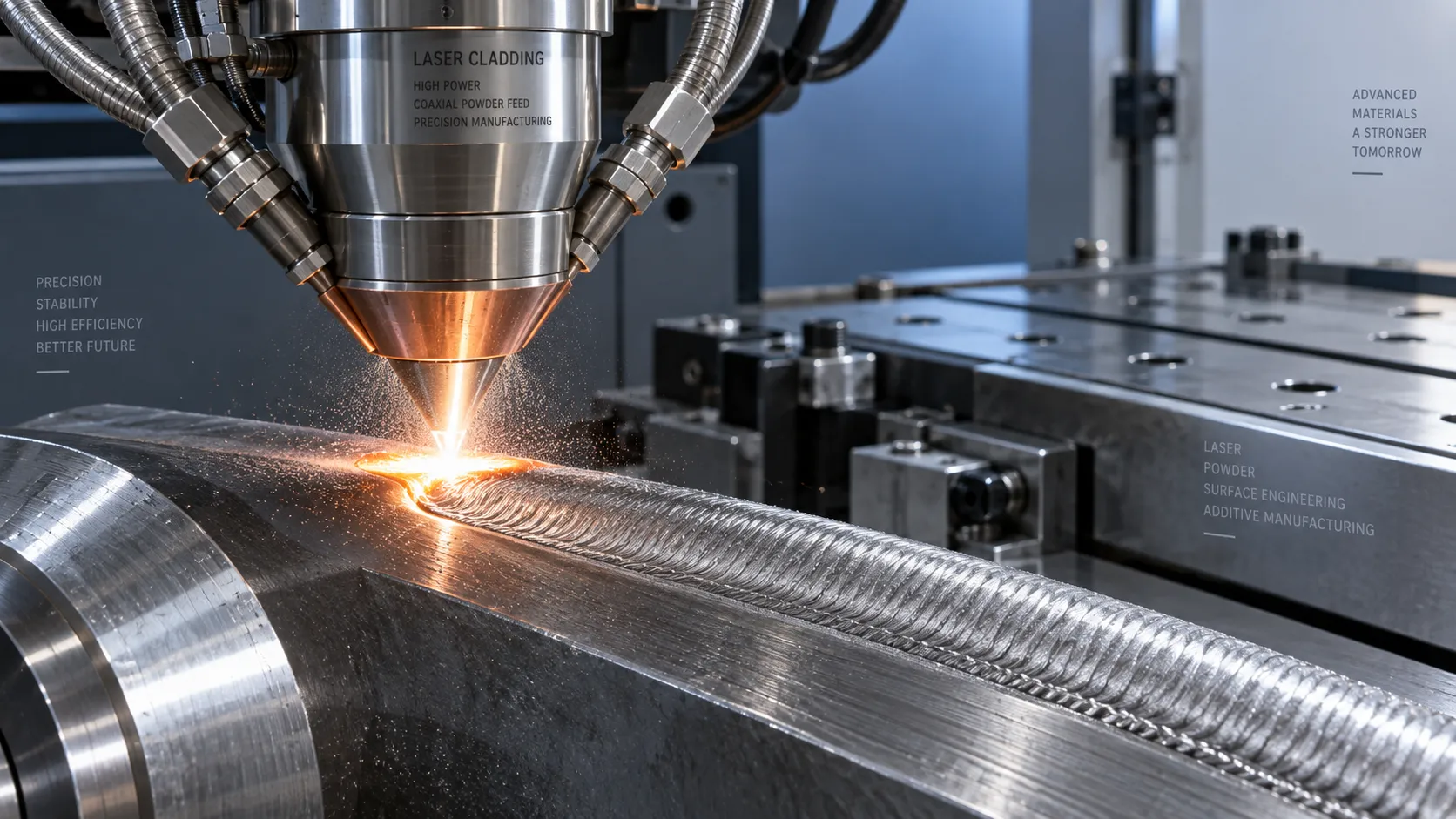
How high power laser cladding systems control substrate dilution
Discover how high power laser cladding systems control substrate dilution through beam shaping, material feed, and thermal management to deliver reliable bonds and coating performance.

How to check HS codes for customs compliance in international logistics
Strengthen international logistics customs compliance: learn how to verify HS codes, check official tariffs, and document classifications to reduce costly shipment delays.
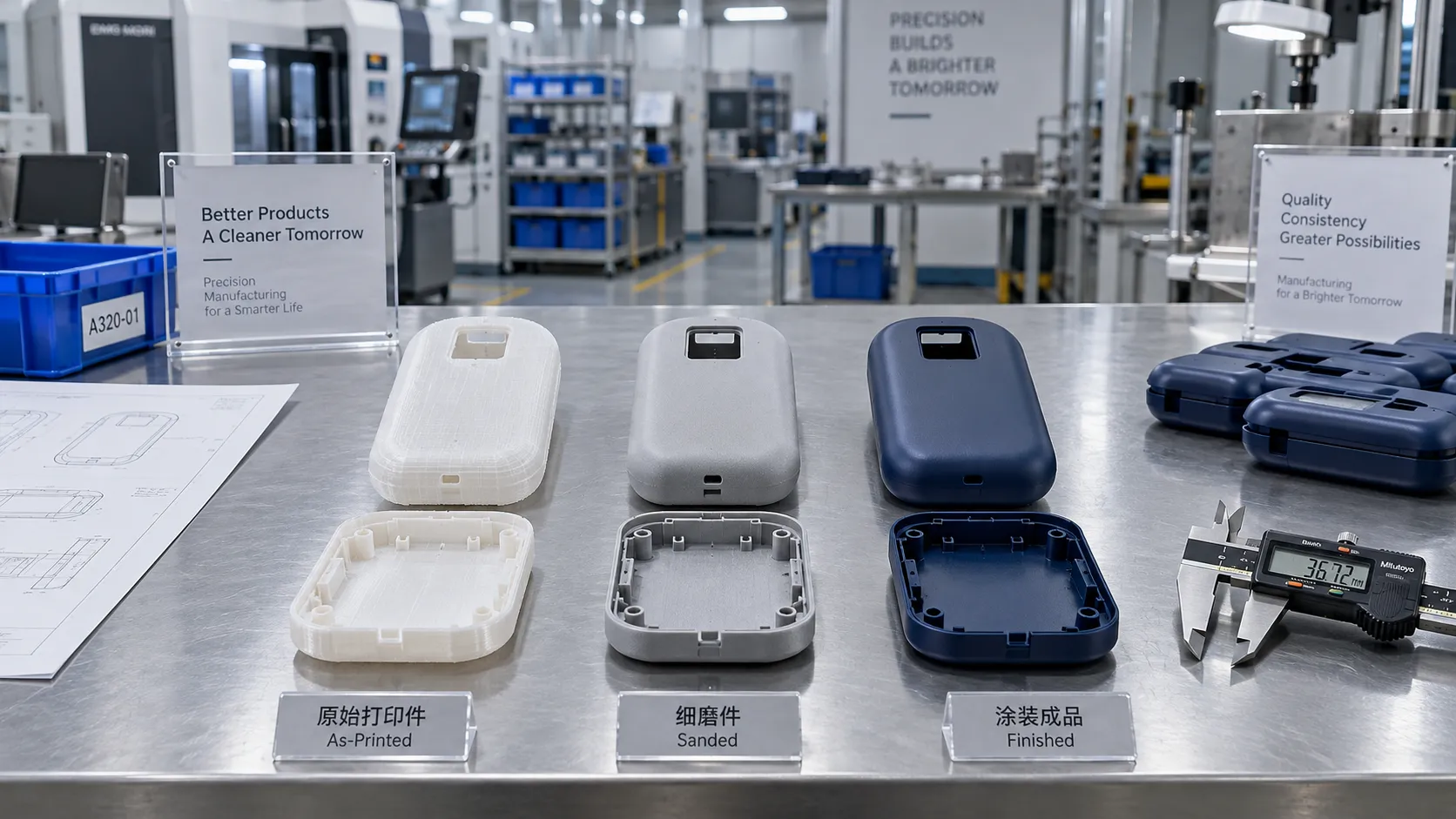
Choosing a 3D Printing Service for Consumer Products: Finish, Fit, and Cost
Compare 3d printing consumer good services by finish, fit, materials, and total cost. Learn how to choose a reliable supplier and avoid costly defects before ordering.
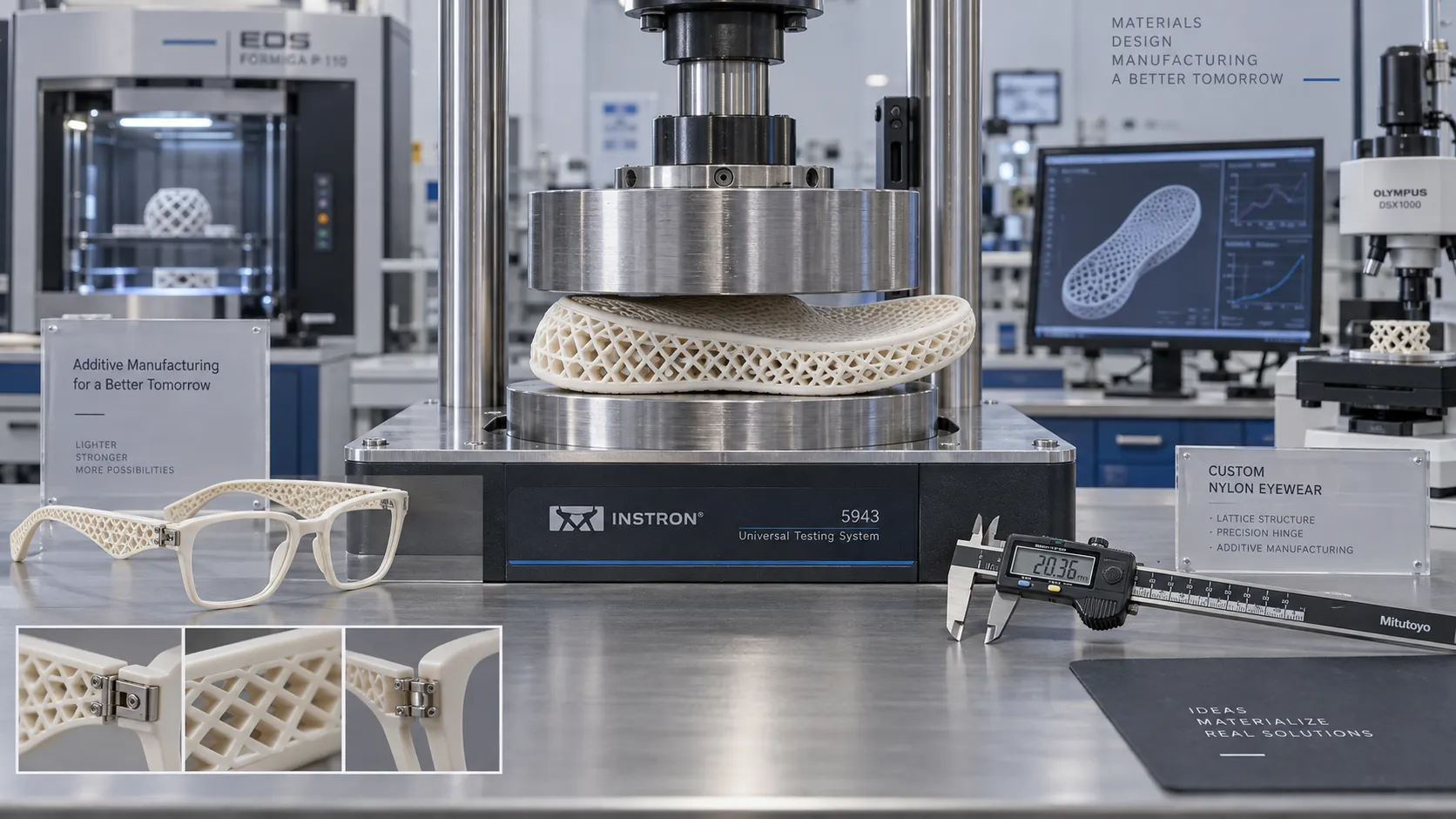
Which Consumer Goods Can Be 3D Printed, and What Are the Practical Limits?
Explore 3d printing consumer goods, from custom eyewear to replacement parts. Discover practical limits on materials, safety, and costs to make smarter production decisions.
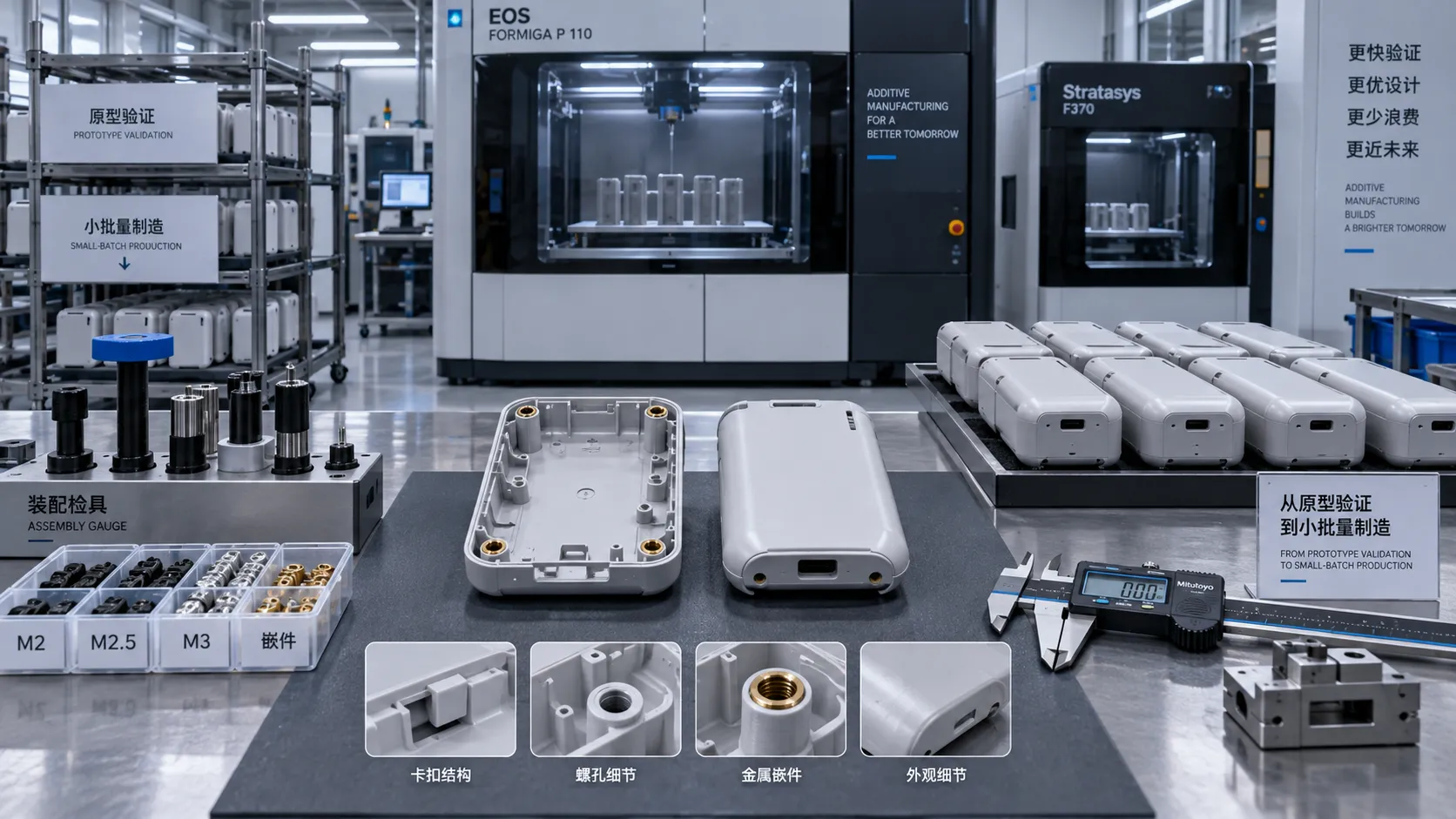
From Prototype to Small Batch: Applying 3D Printing to Consumer Goods
Explore 3d printing in consumer goods: learn how to move from prototype to small-batch production with practical guidance on materials, quality validation, and cost control.
Related News
- 00
0000-00
How to verify part consistency before choosing a 3D printing OEM - 00
0000-00
How does a rigid cryogenic transfer line handle thermal contraction? - 00
0000-00
How much does edge vision deployment cost beyond the hardware? - 00
0000-00
How does the purity of sputtering targets affect thin-film quality? - 00
0000-00
How high power laser cladding systems control substrate dilution
Marcus Print
Weekly Insights
Stay ahead with our curated technology reports delivered every Monday.