
What Changes When Buying Wholesale Fiber Lasers at Scale

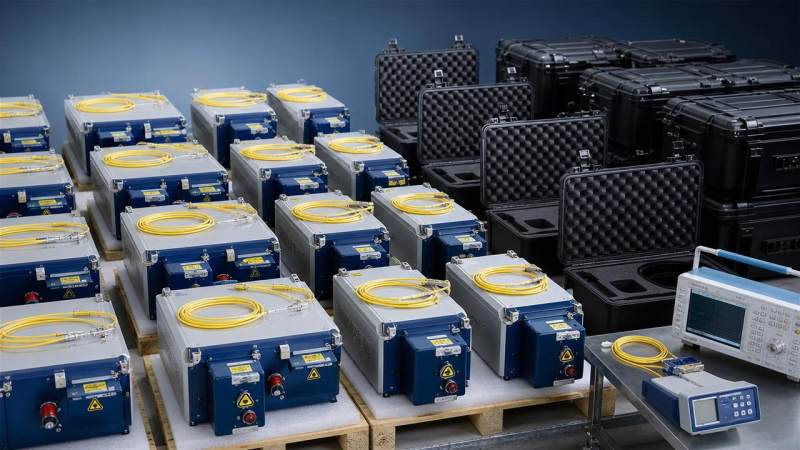
Buying wholesale fiber lasers at scale changes much more than the price per unit. For distributors, agents, and regional channel partners, the real shift is operational: larger commitments raise the cost of inconsistency, weak documentation, delayed delivery, and poor field support. In practical terms, the supplier that works for a small pilot order may become a risk factor when you scale to recurring multi-unit procurement.
The core buying intent behind this topic is clear: channel buyers want to know what actually changes when order volumes increase, what new risks appear, and how to protect margin while maintaining delivery reliability. They are not just comparing laser source specifications. They are evaluating whether a manufacturer can support repeatable commercial growth across multiple customers, markets, and compliance environments.
For this audience, the most useful answer is not a broad explanation of fiber laser technology. It is a decision framework. That means understanding how scale affects consistency, lead time, certification, warranty exposure, integration support, spare parts planning, and territory-level service obligations. The strongest wholesale strategy is built on these factors, not on headline wattage or an attractive introductory quote alone.
When you buy at scale, the biggest change is risk concentration
A single underperforming unit is a service issue. Twenty underperforming units become a commercial problem. When distributors move from occasional procurement to larger-volume purchasing, defects, parameter drift, and documentation gaps no longer stay isolated. They spread across installed fleets, reseller relationships, and end-user trust.
This is why large-scale buyers evaluate suppliers differently from smaller buyers. They need evidence that output power, beam quality, control interfaces, cooling requirements, and lifetime expectations remain stable across batches. At scale, the question is no longer “Does this fiber laser work?” It becomes “Can this supplier reproduce performance consistently across every shipment and every destination market?”
That shift changes the structure of due diligence. A distributor purchasing wholesale fiber lasers should expect to spend more time on production controls, quality records, outgoing inspection methods, and traceability systems than on the initial sample itself. The unit price matters, but variance matters more.
Price becomes only one part of the wholesale equation
Many channel buyers enter negotiations focused on volume discounts, but scale usually exposes the limits of a price-only approach. A lower ex-works price can be offset by higher integration support costs, more field returns, slower replacement cycles, and greater technical training burden for your downstream customers.
For example, if one supplier offers lower nominal pricing but cannot guarantee delivery windows, maintain parts availability, or provide firmware stability across product revisions, the channel partner may end up absorbing hidden costs. These costs often appear as delayed customer acceptance, engineer travel, emergency stock holding, or reduced credibility with OEM accounts.
A more useful commercial model is total channel cost. This includes not only the laser source purchase price, but also packaging robustness, customs documentation quality, certification completeness, communication responsiveness, service turnaround time, and defect replacement procedures. In mature industrial distribution, wholesale success is usually determined by these variables, not by the first quote.
Power consistency and batch repeatability matter more than headline specs
In small orders, buyers may focus heavily on maximum power, wavelength, modulation capability, or estimated lifetime. Those remain important, but at scale, repeatability across the batch becomes a higher-priority concern. End users expect the same cutting, welding, marking, or cleaning performance from every delivered system, especially if they standardize their own production around it.
Distributors should therefore ask for batch-level data, not just a model datasheet. Useful questions include: What is the tested output power tolerance across production lots? How is beam parameter drift managed? Are there standardized burn-in procedures? What portion of final inspection data can be shared with channel partners? Can serial-number-based traceability support future field diagnostics?
For wholesale fiber lasers, this is especially important when selling into customers that depend on process validation. A minor variation in optical stability or control response can affect weld penetration, cutting edge quality, marking contrast, or automation cycle time. Even if the difference looks small on paper, it can create major issues in a production line.
Lead times become a strategic issue, not just a logistics detail
As order volumes rise, lead times stop being a procurement inconvenience and become a sales planning issue. Distributors often commit to delivery schedules before goods arrive. If a fiber laser manufacturer cannot provide realistic production capacity visibility, channel partners may overpromise to key accounts and damage future business.
Large-scale buyers should separate quoted lead time from proven lead time. Ask whether the supplier’s estimate reflects actual current capacity, critical component availability, testing bottlenecks, and export processing time. It is also wise to understand how the supplier handles sudden volume spikes, engineering changes, or urgent replacement orders.
Reliable suppliers usually provide more than a shipping promise. They can explain production scheduling logic, safety stock policy for major components, and escalation procedures for delayed orders. That level of transparency matters because wholesale fiber lasers are often sold into projects where one late source can delay a much larger machine delivery.
Certification and compliance requirements get stricter with scale
For distributors and agents, regional compliance becomes much more important as order quantities grow. A one-off shipment may clear with limited scrutiny, but repeated shipments into regulated markets require cleaner documentation, more consistent labeling, and stronger conformity support. If your target customers include industrial OEMs or publicly audited manufacturers, they may require evidence beyond basic marketing claims.
Depending on market and application, buyers may need support related to CE conformity, laser safety classification, RoHS, EMC considerations, electrical documentation, packaging declarations, or application-specific regulatory expectations. In some regions, importer responsibility also increases when documentation is incomplete or technically weak.
This is one reason channel partners should assess suppliers not only on what certificates they hold, but on whether they can maintain compliant documentation over time. A certificate that exists but does not match the exact model revision, power range, or shipping configuration can create avoidable risk. At scale, those mistakes multiply fast.
After-sales support becomes part of your margin structure
Distributors do not simply resell a product. In many cases, they become the first line of support when an end user has installation, process, or reliability questions. As order volume increases, after-sales capability becomes directly tied to profitability. If a supplier is difficult to reach, slow to diagnose issues, or unclear about warranty boundaries, the channel partner often pays the difference in time and reputation.
That is why support terms should be reviewed as carefully as price terms. Important points include response time commitments, remote diagnostics capability, spare unit policy, failure analysis process, parts replacement authorization, and local training for service teams. A technically good laser can still be a poor wholesale product if support systems are weak.
For wholesale fiber lasers, buyers should also examine whether the manufacturer distinguishes between factory defect, application misuse, integration error, and environmental damage. Clear fault responsibility reduces disputes and accelerates resolution. Unclear policies tend to shift cost back to the distributor.
Spare parts and service planning should start before the first bulk shipment
One common mistake in scaling procurement is treating spare parts as an afterthought. Once more units are installed in the field, downtime exposure rises sharply. Channel partners need to know which components are field-replaceable, which require factory return, and which should be stocked locally to support customer uptime commitments.
A strong wholesale plan often includes an agreed spare parts list, recommended inventory levels, packaging standards for replacements, and return merchandise authorization procedures. If the supplier offers modular service design, repair turnaround can be reduced significantly. If not, every fault may become a long-cycle logistics event.
Distributors serving OEM accounts or system integrators should pay particular attention to lifecycle management. Ask how long the current design will remain in production, what notice period applies to component changes, and whether backward compatibility will be maintained. Long-term sales channels need product continuity, not just availability today.
Technical integration support matters more when your customers vary by application
At small volumes, a distributor may support a narrow customer group. At scale, the customer base often broadens to include cutting integrators, welding machine builders, marking system manufacturers, cleaning equipment suppliers, and research users. That diversity places more pressure on the upstream fiber laser supplier to provide credible technical support across different use cases.
For channel partners, the question is not simply whether the laser source can operate. It is whether the manufacturer can help reduce pre-sales friction and post-sales confusion. This may include interface documentation, control protocol guidance, cooling recommendations, application notes, alarm code explanations, and commissioning support.
The broader your resale market, the more valuable this support becomes. Wholesale fiber lasers sold into mixed applications require upstream partners that understand not just hardware, but system integration realities. Without that, distributors end up filling the engineering gap themselves, often without sufficient margin to justify it.
Commercial terms need to evolve with scale
Bulk procurement should not rely on the same informal terms used for low-volume trial orders. As purchasing volume rises, channel buyers should formalize pricing validity periods, forecast commitments, rebate logic, exclusivity conditions, warranty allocation, and non-conformance procedures. A scalable supply relationship requires contractual clarity.
Forecast-based planning can be especially important. Suppliers may offer better pricing or shorter lead times in exchange for rolling demand visibility. That can be valuable, but only if flexibility, cancellation windows, and shipment prioritization are clearly defined. Otherwise, the distributor may carry unnecessary inventory risk.
In addition, buyers should consider whether territorial protection, application exclusivity, or market development support is commercially justified. Not every supplier will offer these terms, but for distributors building a regional channel around wholesale fiber lasers, they can materially affect long-term growth and competitive positioning.
Supplier evaluation should shift from product review to system review
Perhaps the most important change at scale is this: you are no longer evaluating only a laser source. You are evaluating a supplier system. That system includes manufacturing discipline, quality control, logistics reliability, compliance support, service structure, engineering communication, and commercial governance.
A practical evaluation checklist for large-scale buyers should include five areas: technical consistency, regulatory readiness, delivery reliability, service responsiveness, and lifecycle support. If one of these areas is weak, the wholesale relationship may become unstable even if the product itself performs well in a demo or early sample order.
This system-level view also helps channel partners compare suppliers more realistically. Two manufacturers may look similar on datasheets, but differ sharply in documentation quality, traceability, responsiveness, and field support maturity. Those differences tend to define channel success over the long term.
How distributors can make better bulk-buy decisions
The most effective approach is staged validation. Start with product qualification, then test supplier behavior under realistic commercial conditions. This means reviewing production consistency, verifying compliance documents, checking reference deliveries, evaluating support response quality, and confirming spare parts readiness before scaling up annual commitments.
It is also wise to align internal teams early. Sales may prioritize aggressive pricing, while service teams worry about support burden and procurement focuses on lead time. Large-scale success in wholesale fiber lasers usually comes from balancing all three. The best supplier is not the cheapest option, but the one that supports profitable repeat business with manageable risk.
Finally, think in terms of channel fit. A supplier that works well for a direct OEM may not work well for a distributor-led market model. Channel buyers need consistent documentation, predictable service policies, and communication structures that support indirect sales. If those foundations are missing, scaling becomes harder than it needs to be.
Conclusion
Buying wholesale fiber lasers at scale changes the nature of the decision. Price becomes less important on its own, while consistency, compliance, lead time reliability, service structure, and lifecycle support become far more important. For distributors, agents, and channel partners, the main challenge is not finding a fiber laser that can perform once. It is finding a supplier that can perform repeatedly, commercially, and transparently across many orders and many end users.
The strongest procurement strategy is therefore built on system-level evaluation. If a supplier can demonstrate stable batch quality, credible regulatory support, realistic lead times, responsive after-sales service, and clear commercial terms, scale becomes an advantage rather than a risk. In a competitive industrial market, that is what protects margin, supports customer trust, and creates a durable channel business.
Related News

How to verify part consistency before choosing a 3D printing OEM
Choosing a 3D printing OEM? Learn how to verify part consistency with repeat-build trials, validated inspections, and traceability checks before committing to production.
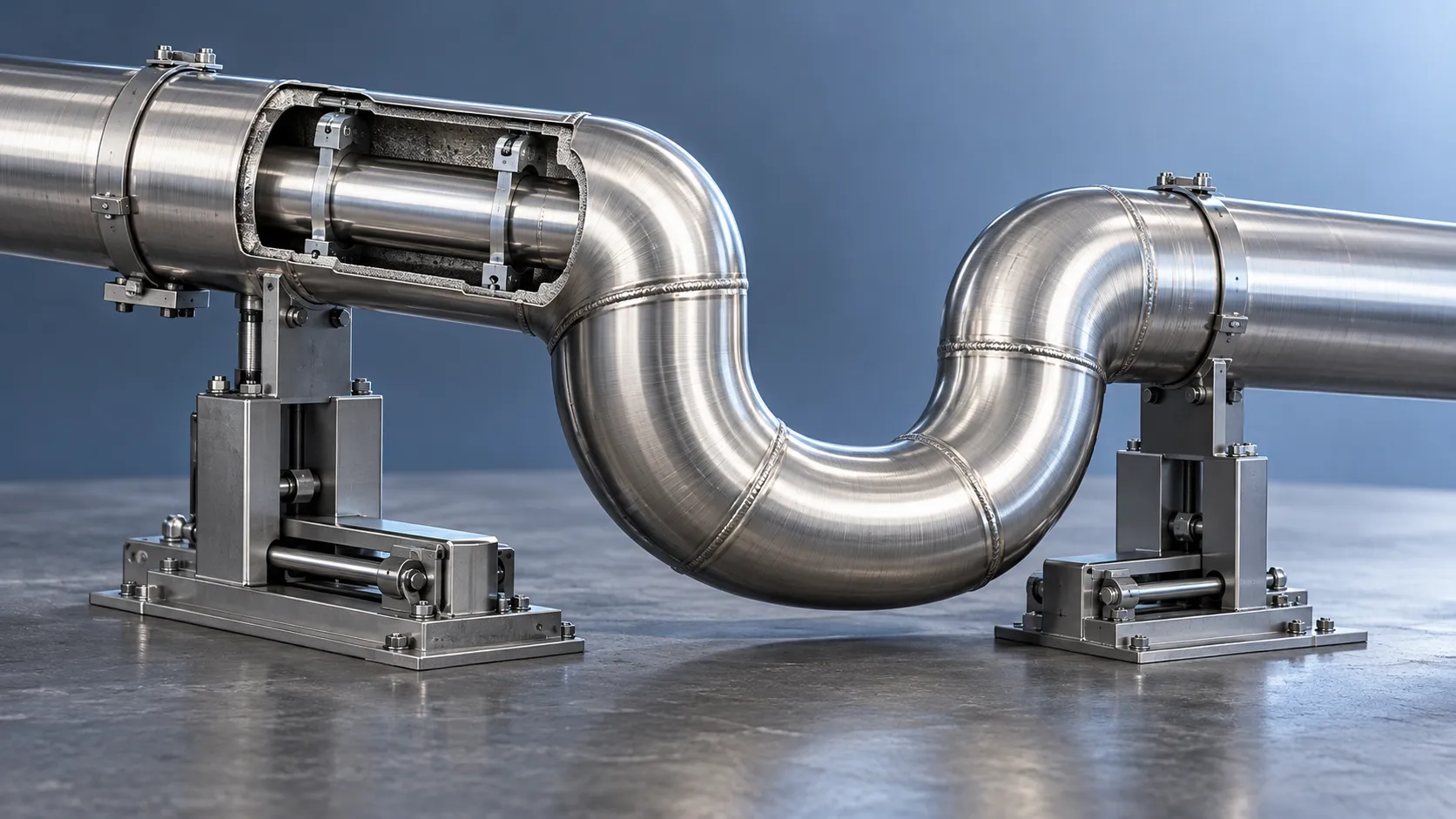
How does a rigid cryogenic transfer line handle thermal contraction?
Learn how a rigid cryogenic transfer line manages thermal contraction with bends, bellows, and guided supports. Discover key design checks for safe, reliable cryogenic performance.

How much does edge vision deployment cost beyond the hardware?
Understand edge vision deployment cost beyond hardware, from data and integration to security and support. Uncover hidden expenses and build a smarter lifecycle budget before you scale.

How does the purity of sputtering targets affect thin-film quality?
Discover how sputtering targets affect thin-film quality. Learn to assess purity, identify harmful impurities, and choose specifications that improve coating performance.

How high power laser cladding systems control substrate dilution
Discover how high power laser cladding systems control substrate dilution through beam shaping, material feed, and thermal management to deliver reliable bonds and coating performance.
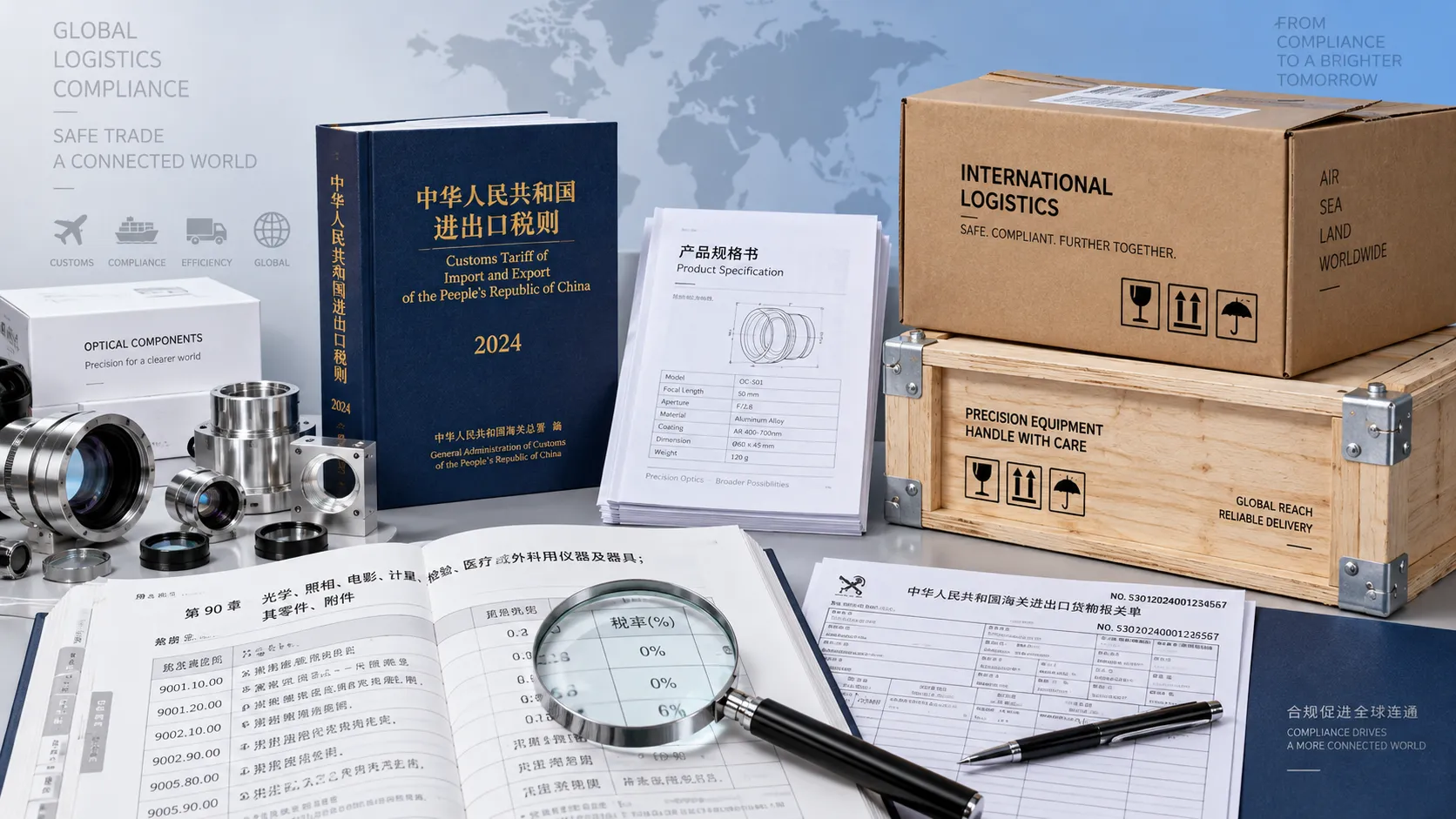
How to check HS codes for customs compliance in international logistics
Strengthen international logistics customs compliance: learn how to verify HS codes, check official tariffs, and document classifications to reduce costly shipment delays.
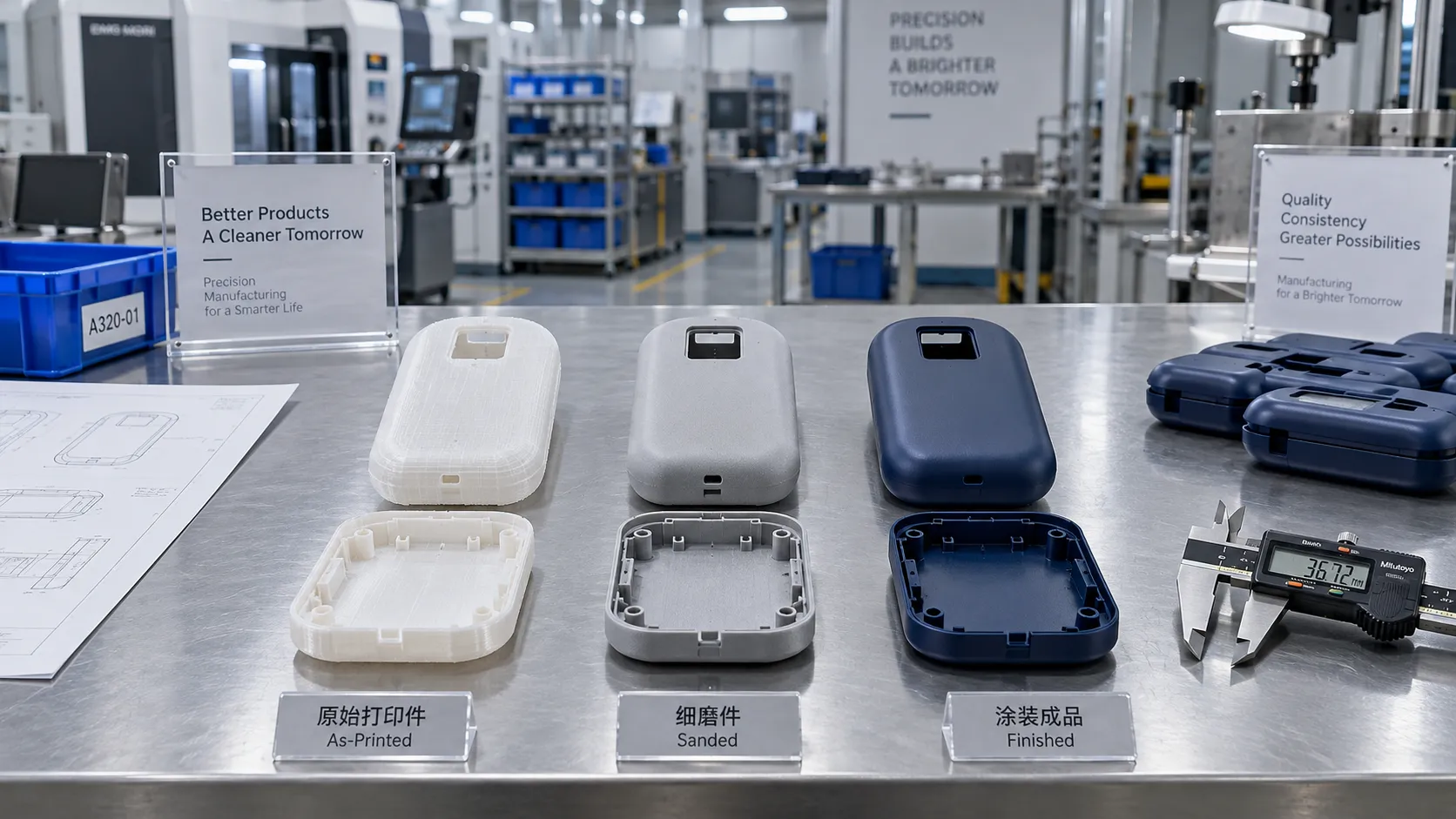
Choosing a 3D Printing Service for Consumer Products: Finish, Fit, and Cost
Compare 3d printing consumer good services by finish, fit, materials, and total cost. Learn how to choose a reliable supplier and avoid costly defects before ordering.

Which Consumer Goods Can Be 3D Printed, and What Are the Practical Limits?
Explore 3d printing consumer goods, from custom eyewear to replacement parts. Discover practical limits on materials, safety, and costs to make smarter production decisions.

From Prototype to Small Batch: Applying 3D Printing to Consumer Goods
Explore 3d printing in consumer goods: learn how to move from prototype to small-batch production with practical guidance on materials, quality validation, and cost control.
Related News
- 00
0000-00
How to verify part consistency before choosing a 3D printing OEM - 00
0000-00
How does a rigid cryogenic transfer line handle thermal contraction? - 00
0000-00
How much does edge vision deployment cost beyond the hardware? - 00
0000-00
How does the purity of sputtering targets affect thin-film quality? - 00
0000-00
How high power laser cladding systems control substrate dilution
Dr. Hideo Tanaka
Weekly Insights
Stay ahead with our curated technology reports delivered every Monday.