
How to Compare an Ultrafast Laser Manufacturer Beyond Specs

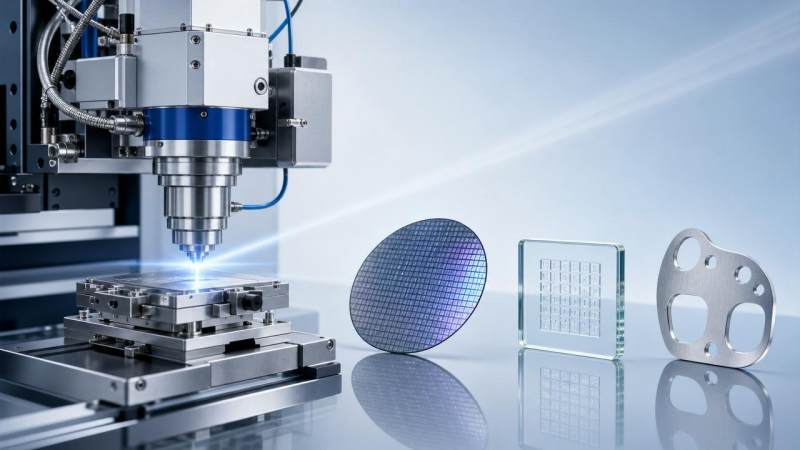
Choosing an ultrafast laser manufacturer is no longer just about pulse width, average power, beam quality, or repetition rate. In real industrial deployment, the better comparison starts where datasheets end: process stability, application validation, service response, software maturity, compliance readiness, and long-term supply continuity. Whether the target use case is micromachining, semiconductor processing, medical device fabrication, or advanced R&D integration, a poor supplier match can create hidden costs far beyond the initial purchase price. This guide explains how to compare an ultrafast laser manufacturer in practical sourcing scenarios so decisions are based on total operational value rather than headline specs alone.
When the Same Specs Lead to Different Outcomes
Two systems may show similar pulse duration and output power yet deliver very different production results. The reason is that ultrafast laser performance depends heavily on system architecture, thermal design, beam delivery consistency, environmental tolerance, and the supplier’s ability to validate results under real process conditions. A credible ultrafast laser manufacturer should therefore be judged on reproducibility, uptime behavior, and application-fit evidence, not only on laboratory performance.
This matters across the broader industrial landscape. In electronics, even small energy instability can affect edge quality and yield. In medical manufacturing, traceability and validation records can be more important than nominal speed. In research and pilot lines, software access, integration flexibility, and technical openness often determine whether a platform can scale. Comparing one ultrafast laser manufacturer against another requires understanding which scenario will define success.
Scenario 1: Precision Micromachining Needs Stable Throughput, Not Just Fast Pulses
For precision micromachining of glass, ceramics, polymers, sapphire, or brittle composites, the key question is whether the ultrafast laser manufacturer can sustain process quality over long production cycles. Short pulses alone do not guarantee clean ablation, low heat-affected zones, or minimal cracking. What matters is how stable the beam remains over hours of operation, how repeatable the focus behavior is, and how well the system handles environmental fluctuations such as dust, humidity, and temperature drift.
Ask for process validation data that goes beyond single-sample demonstrations. Useful evidence includes Cpk-oriented repeatability results, edge roughness distribution, taper control, debris management, and uptime logs from similar materials. A qualified ultrafast laser manufacturer should also explain how the laser interacts with scanners, motion stages, optics, and process monitoring tools, since integration quality strongly affects line efficiency.
Scenario 2: Semiconductor and Electronics Work Requires Cleanroom-Ready Discipline
In semiconductor, PCB, display, and advanced packaging applications, comparing an ultrafast laser manufacturer means looking closely at contamination control, software traceability, and process window consistency. Here, a technically powerful laser can still be a poor fit if it lacks cleanroom-compatible design, stable long-term calibration, or integration support for automated inspection and MES environments.
Important checkpoints include particle management, preventive maintenance intervals, remote diagnostics security, recipe version control, and documented failure analysis procedures. A capable ultrafast laser manufacturer should be able to discuss not only optical parameters but also factory acceptance test protocols, statistical quality records, and alignment with ISO, SEMI, or customer-specific validation frameworks. In electronics production, technical precision and documentation discipline must come together.
Scenario 3: Medical and Regulated Production Demands Documentation Depth
Medical device marking, stent cutting, bio-compatible polymer structuring, and precision processing for implantable components create a different comparison model. In these settings, the right ultrafast laser manufacturer is often the one with stronger validation support, change control discipline, and documentation maturity. A slightly higher-priced system may produce lower lifecycle risk if it supports qualification, service traceability, and formal process transfer.
Questions should include: How are design changes communicated? Are spare parts revision-controlled? Is software access governed and logged? Can the supplier provide IQ/OQ-aligned documentation support if needed? A dependable ultrafast laser manufacturer understands that regulated sectors value consistency, auditability, and controlled service processes as much as laser output performance.
Scenario 4: R&D and Custom Integration Favor Technical Openness
For laboratories, pilot manufacturing, and new process development, flexibility often outranks standardization. In this scenario, comparing an ultrafast laser manufacturer means evaluating interface openness, customization willingness, access to application engineers, and responsiveness during iterative testing. If a supplier locks users into a rigid platform, development speed may suffer even when the optical core is excellent.
A strong fit usually includes API access, synchronization compatibility with scanners and stages, transparent operating limits, and meaningful collaboration during parameter development. The best ultrafast laser manufacturer for R&D is not always the one with the broadest brochure, but the one that can shorten experimentation cycles and de-risk scale-up.
How Scenario Requirements Change the Supplier Scorecard
Because industrial scenarios differ, the same evaluation template should not be applied blindly. The table below shows how the selection criteria for an ultrafast laser manufacturer shift by use case.
Practical Checks That Reveal the Better Ultrafast Laser Manufacturer
A high-confidence comparison should include more than a quotation review. These checks often separate a marketing-led supplier from a proven ultrafast laser manufacturer:
- Request application evidence on materials and tolerances close to the intended process, not generic samples.
- Review service structure, including field coverage, spare parts stocking logic, and mean response time.
- Check software update policy, cybersecurity approach, and backward compatibility for production environments.
- Ask for reliability indicators such as drift control, maintenance frequency, and component lifecycle expectations.
- Verify export compliance, regional certification readiness, and supply chain resilience for critical components.
- Evaluate the quality of technical communication during pre-sale testing; this often predicts post-sale support quality.
In many cases, the more suitable ultrafast laser manufacturer is the one that openly explains operating boundaries and integration risks, rather than the one promising universal suitability. Technical honesty is a strong indicator of long-term partnership quality.
Common Comparison Mistakes Across Industrial Scenarios
Several sourcing errors appear repeatedly when evaluating an ultrafast laser manufacturer. One is over-weighting peak performance while ignoring process consistency. Another is assuming that successful demonstrations on one substrate will transfer directly to another. A third is treating service as a secondary issue, even though downtime exposure can erase any initial savings.
It is also common to overlook roadmap alignment. If the application may expand toward automation, hybrid manufacturing, or tighter quality reporting, the chosen ultrafast laser manufacturer should support that future state. Buying only for current specifications can lock operations into costly retrofits later.
A Scenario-Based Shortlist Method You Can Use Immediately
To compare suppliers effectively, build a weighted scorecard around the real application scenario. Start with five categories: process proof, integration fit, compliance readiness, service capability, and supply continuity. Assign weights based on actual operational risk. For example, regulated production may place heavier weight on documentation, while pilot lines may prioritize engineering access and software flexibility.
Next, ask each ultrafast laser manufacturer for the same evidence package: test data, support model, lead-time assumptions, upgrade policy, and reference use cases. Compare documented facts rather than presentation style. This approach turns a complex sourcing decision into a structured evaluation tied to business outcomes, production resilience, and technical confidence.
If the goal is to reduce sourcing risk, the best next step is to translate the intended application into a supplier evaluation matrix before requesting final bids. A reliable ultrafast laser manufacturer should be able to support that process with verifiable data, clear limitations, and scenario-specific recommendations. Looking beyond specs does not complicate the decision—it makes the investment far safer, more scalable, and more aligned with real industrial performance.
Related News
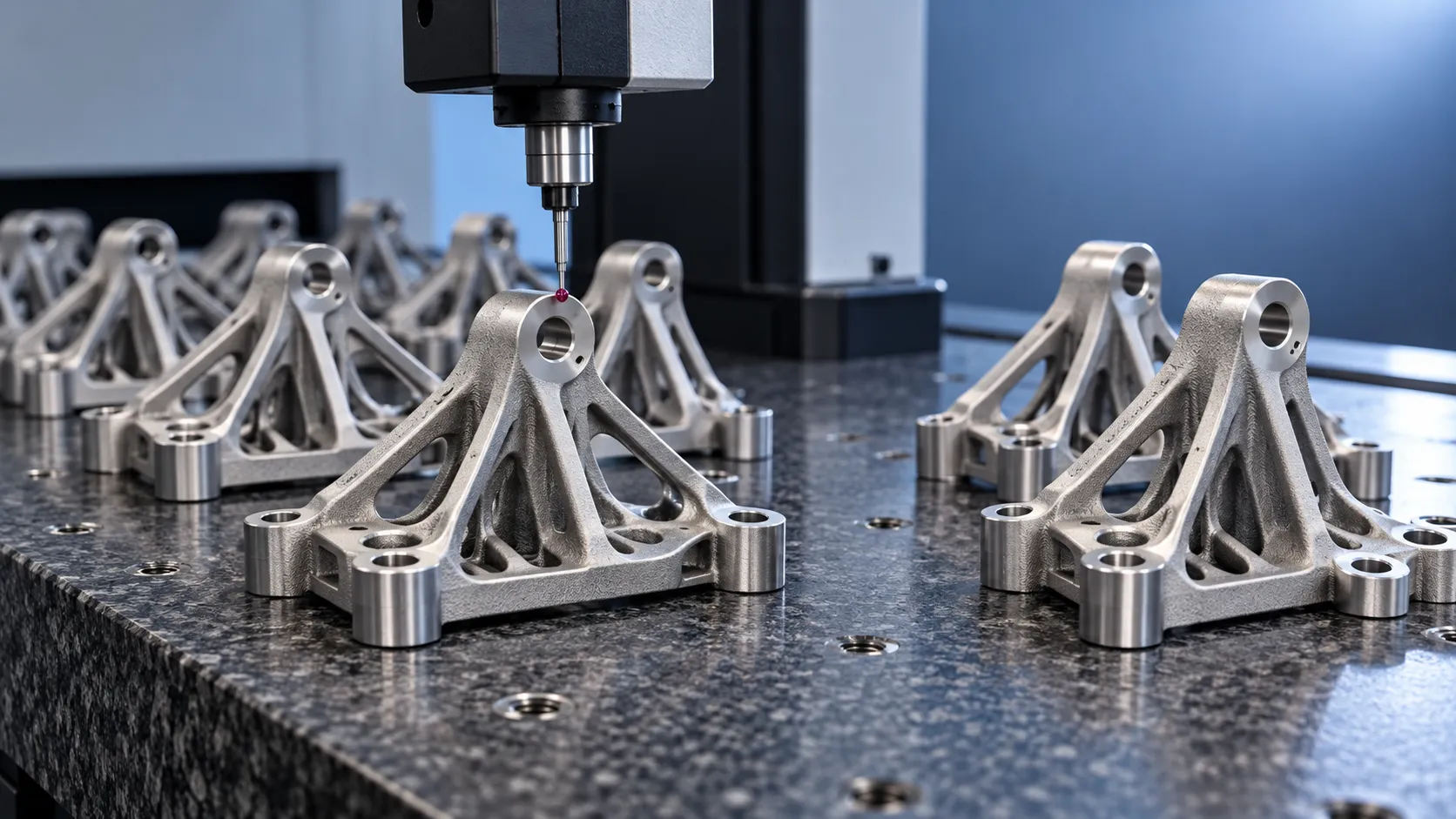
How to verify part consistency before choosing a 3D printing OEM
Choosing a 3D printing OEM? Learn how to verify part consistency with repeat-build trials, validated inspections, and traceability checks before committing to production.
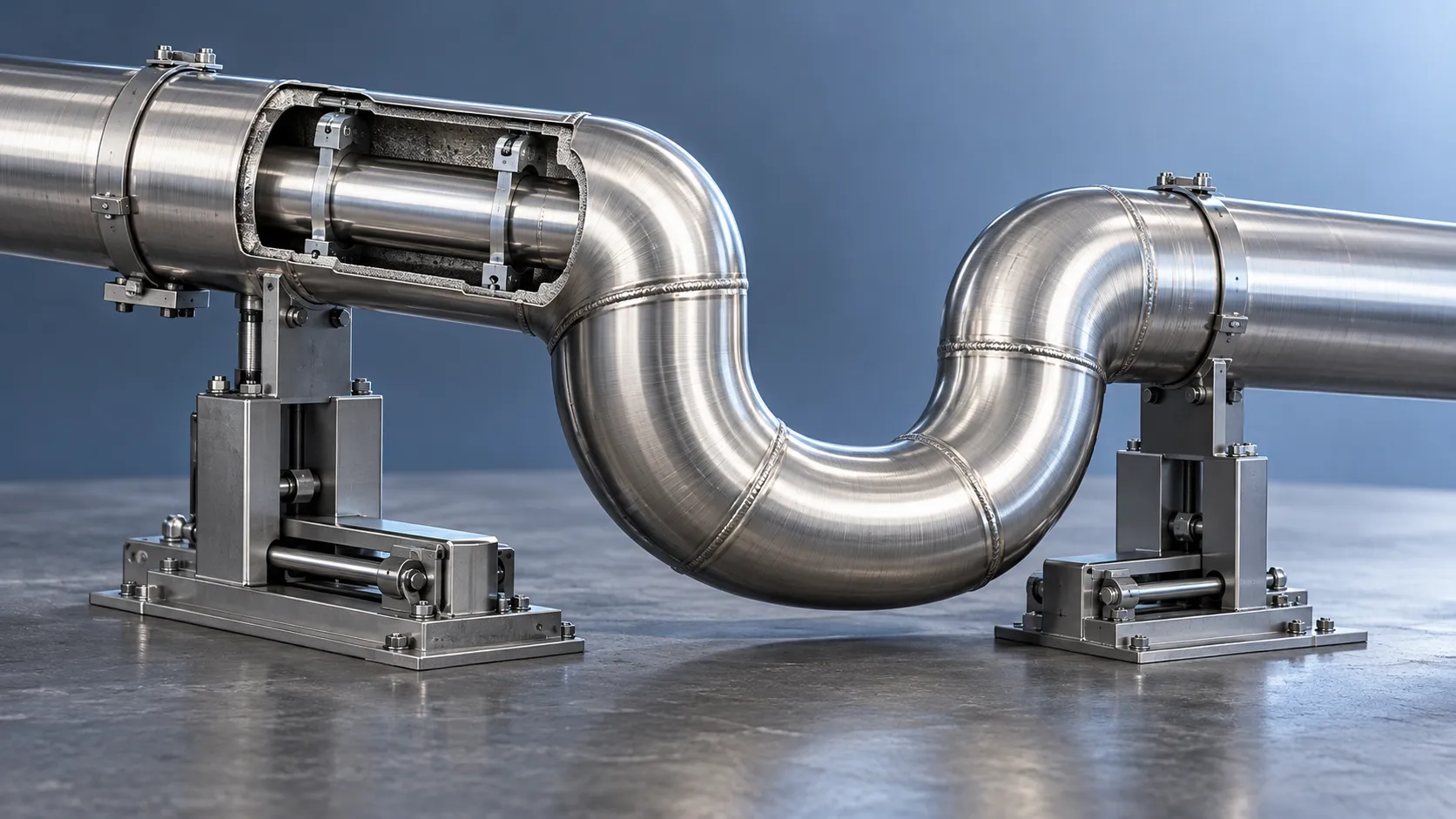
How does a rigid cryogenic transfer line handle thermal contraction?
Learn how a rigid cryogenic transfer line manages thermal contraction with bends, bellows, and guided supports. Discover key design checks for safe, reliable cryogenic performance.
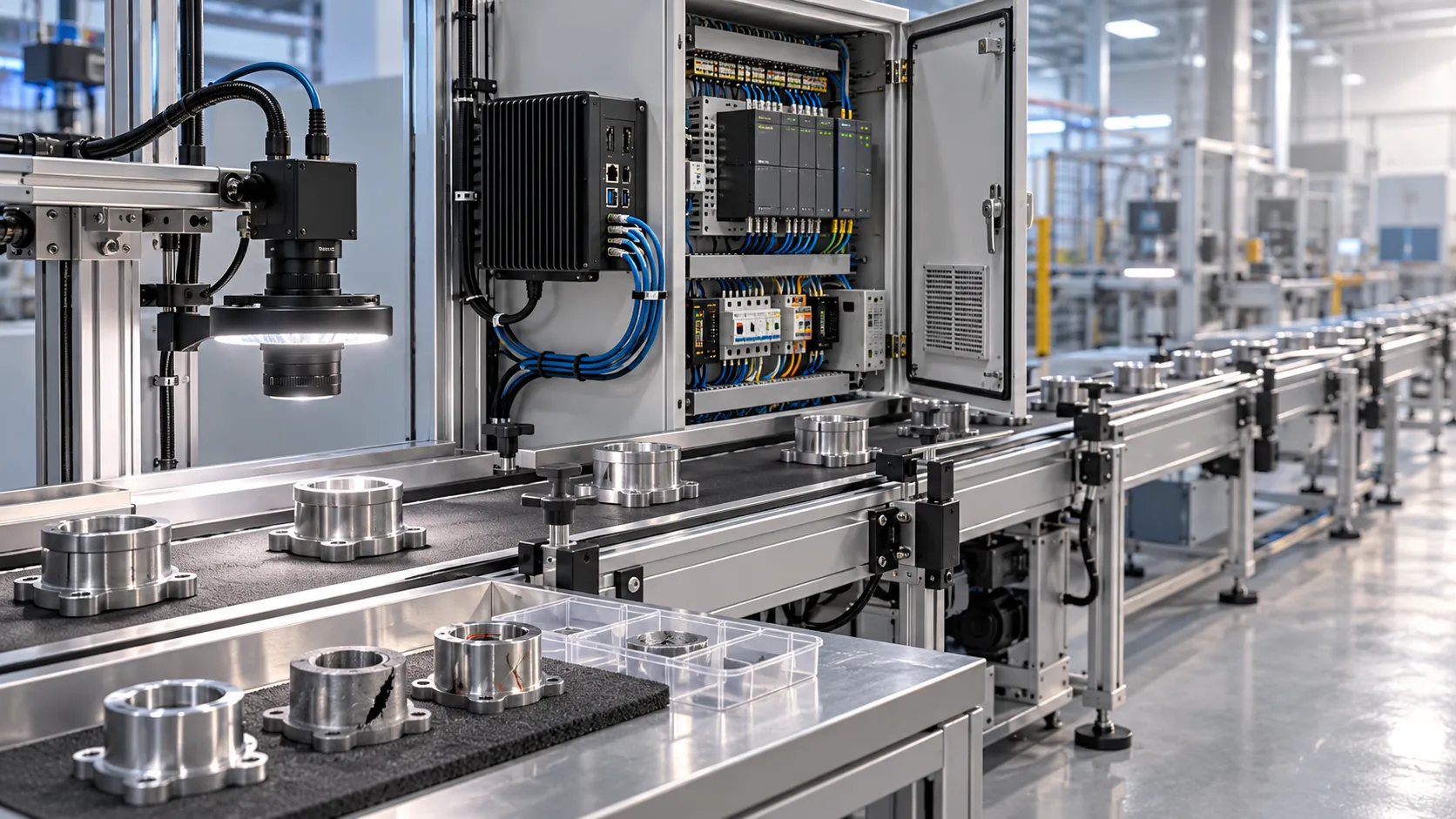
How much does edge vision deployment cost beyond the hardware?
Understand edge vision deployment cost beyond hardware, from data and integration to security and support. Uncover hidden expenses and build a smarter lifecycle budget before you scale.
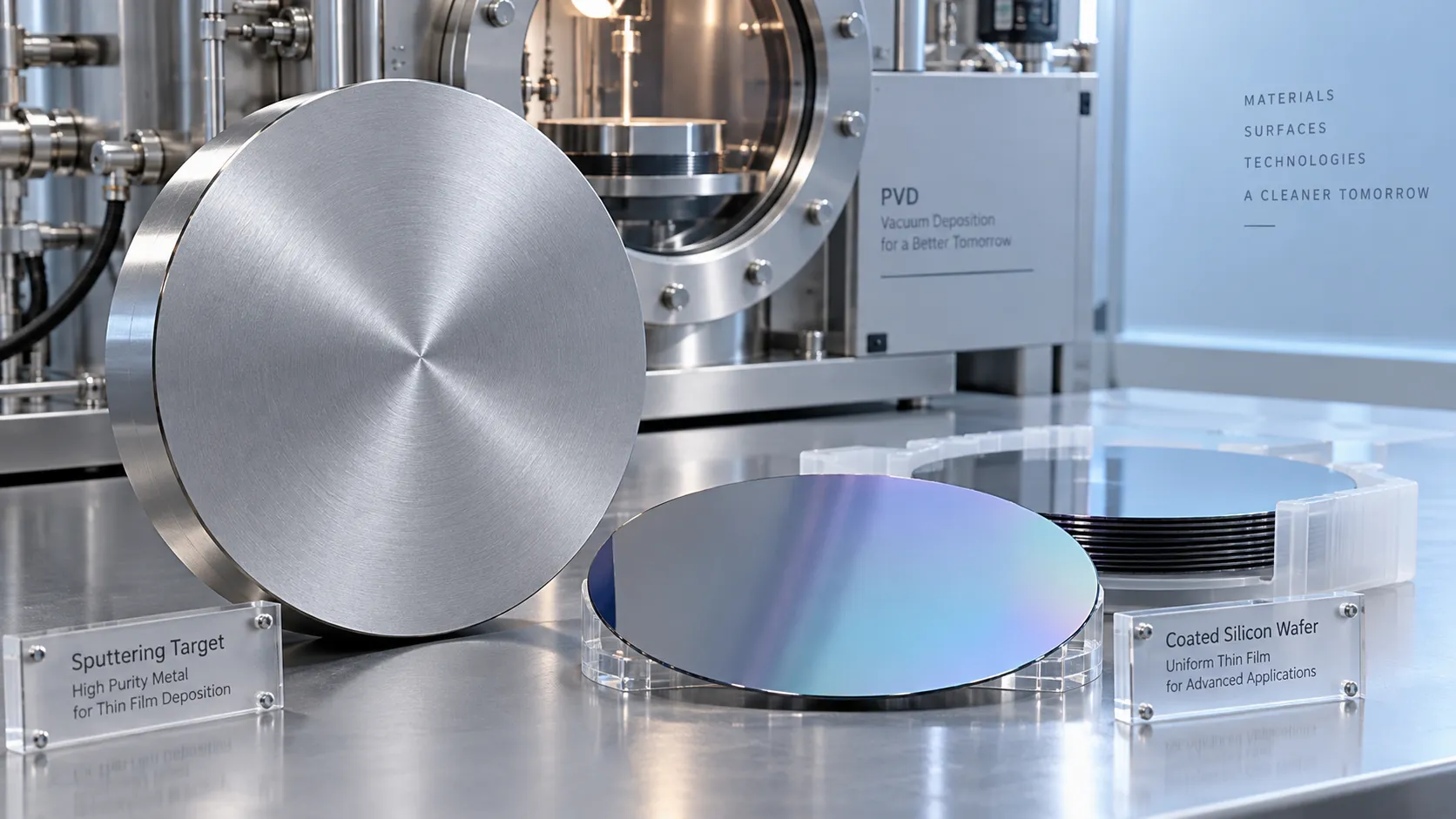
How does the purity of sputtering targets affect thin-film quality?
Discover how sputtering targets affect thin-film quality. Learn to assess purity, identify harmful impurities, and choose specifications that improve coating performance.
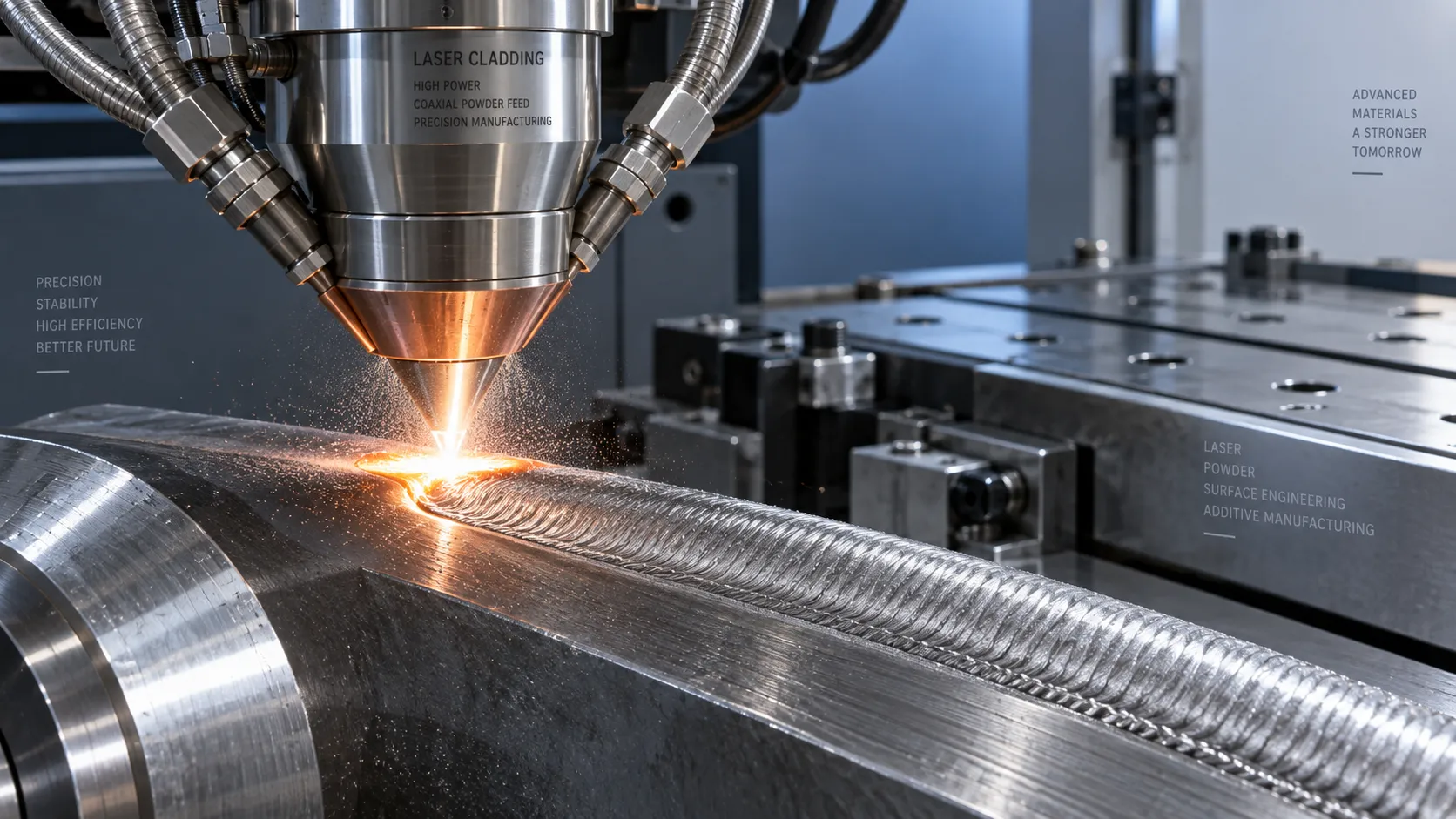
How high power laser cladding systems control substrate dilution
Discover how high power laser cladding systems control substrate dilution through beam shaping, material feed, and thermal management to deliver reliable bonds and coating performance.

How to check HS codes for customs compliance in international logistics
Strengthen international logistics customs compliance: learn how to verify HS codes, check official tariffs, and document classifications to reduce costly shipment delays.
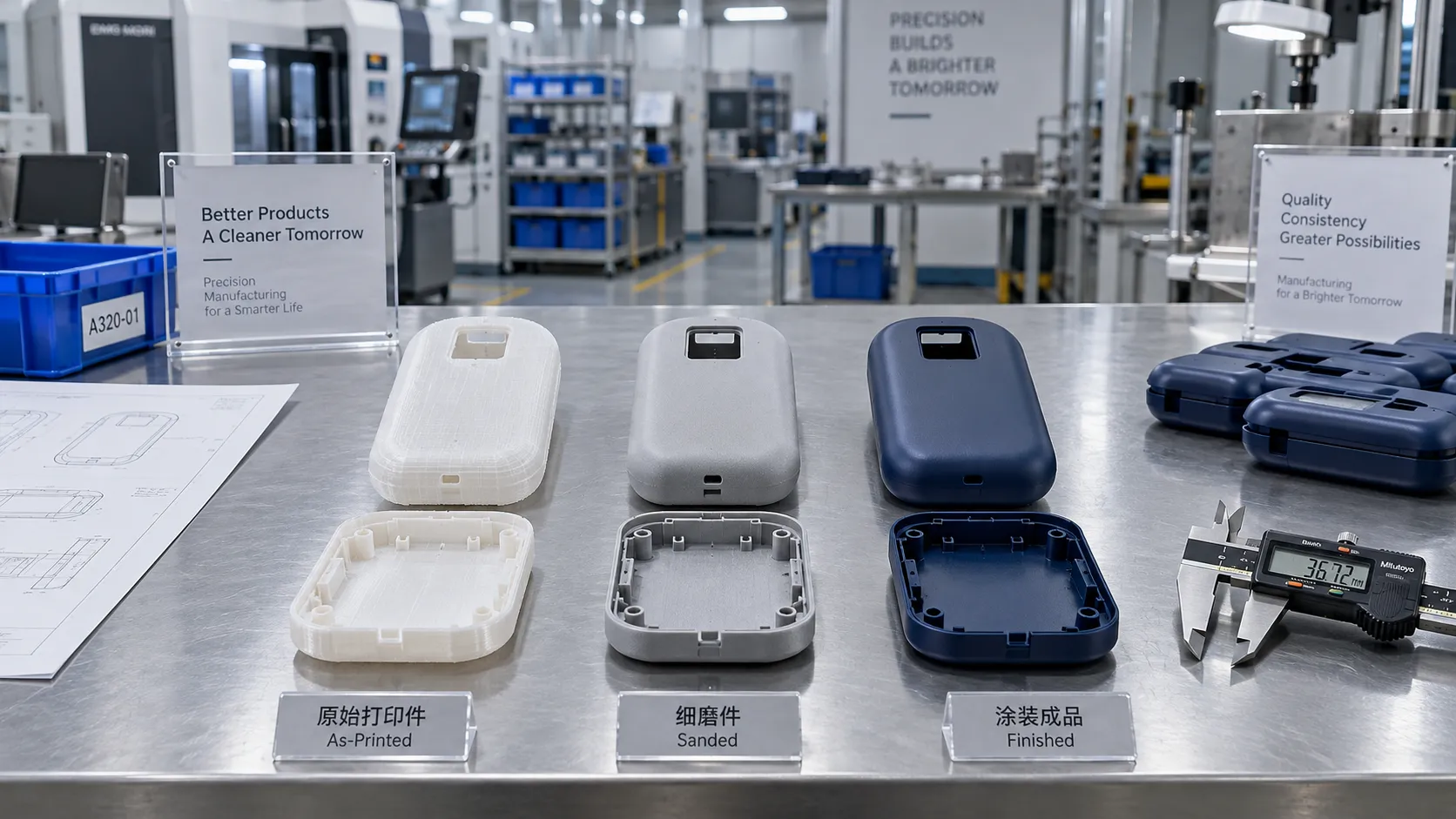
Choosing a 3D Printing Service for Consumer Products: Finish, Fit, and Cost
Compare 3d printing consumer good services by finish, fit, materials, and total cost. Learn how to choose a reliable supplier and avoid costly defects before ordering.
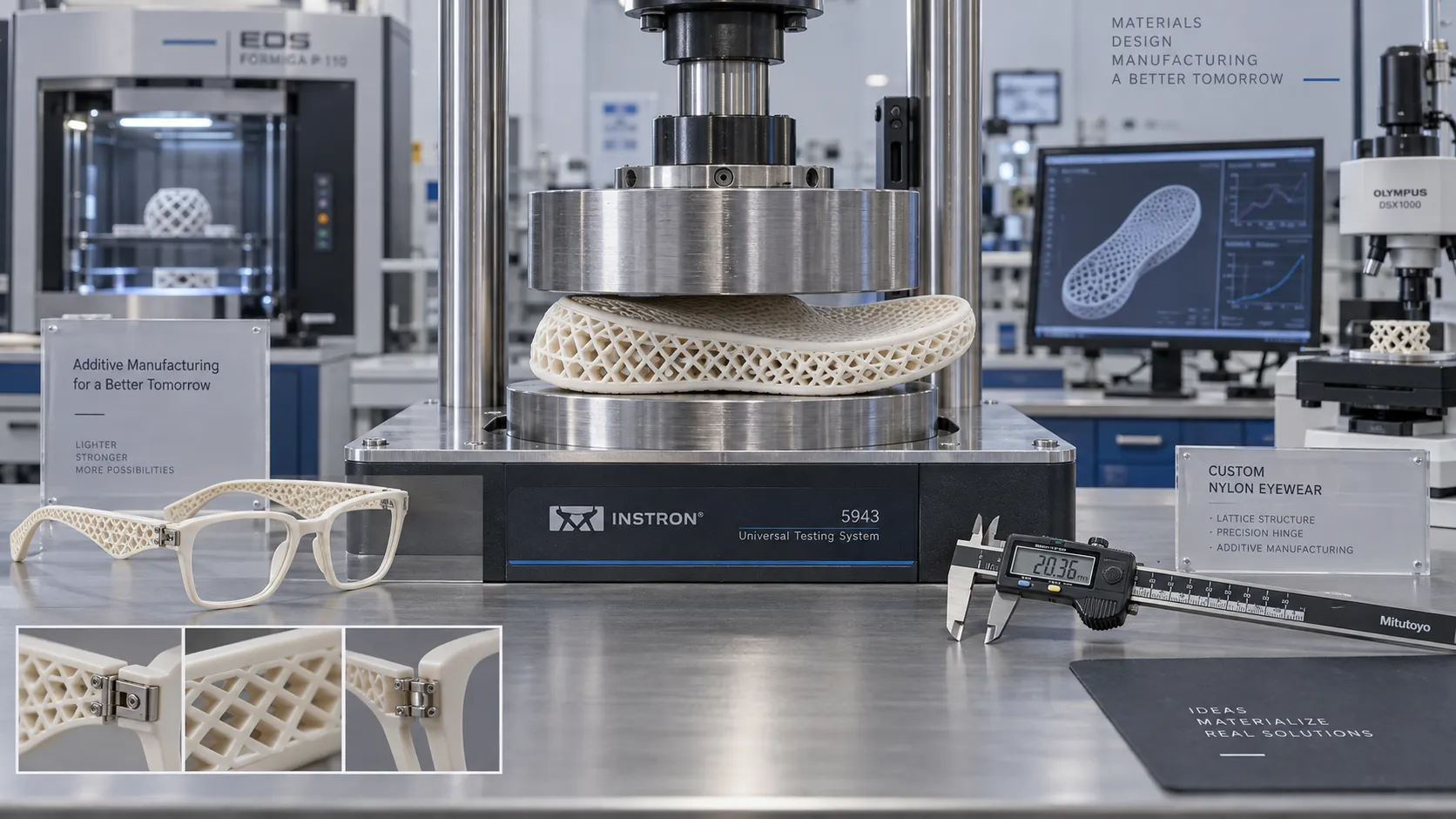
Which Consumer Goods Can Be 3D Printed, and What Are the Practical Limits?
Explore 3d printing consumer goods, from custom eyewear to replacement parts. Discover practical limits on materials, safety, and costs to make smarter production decisions.
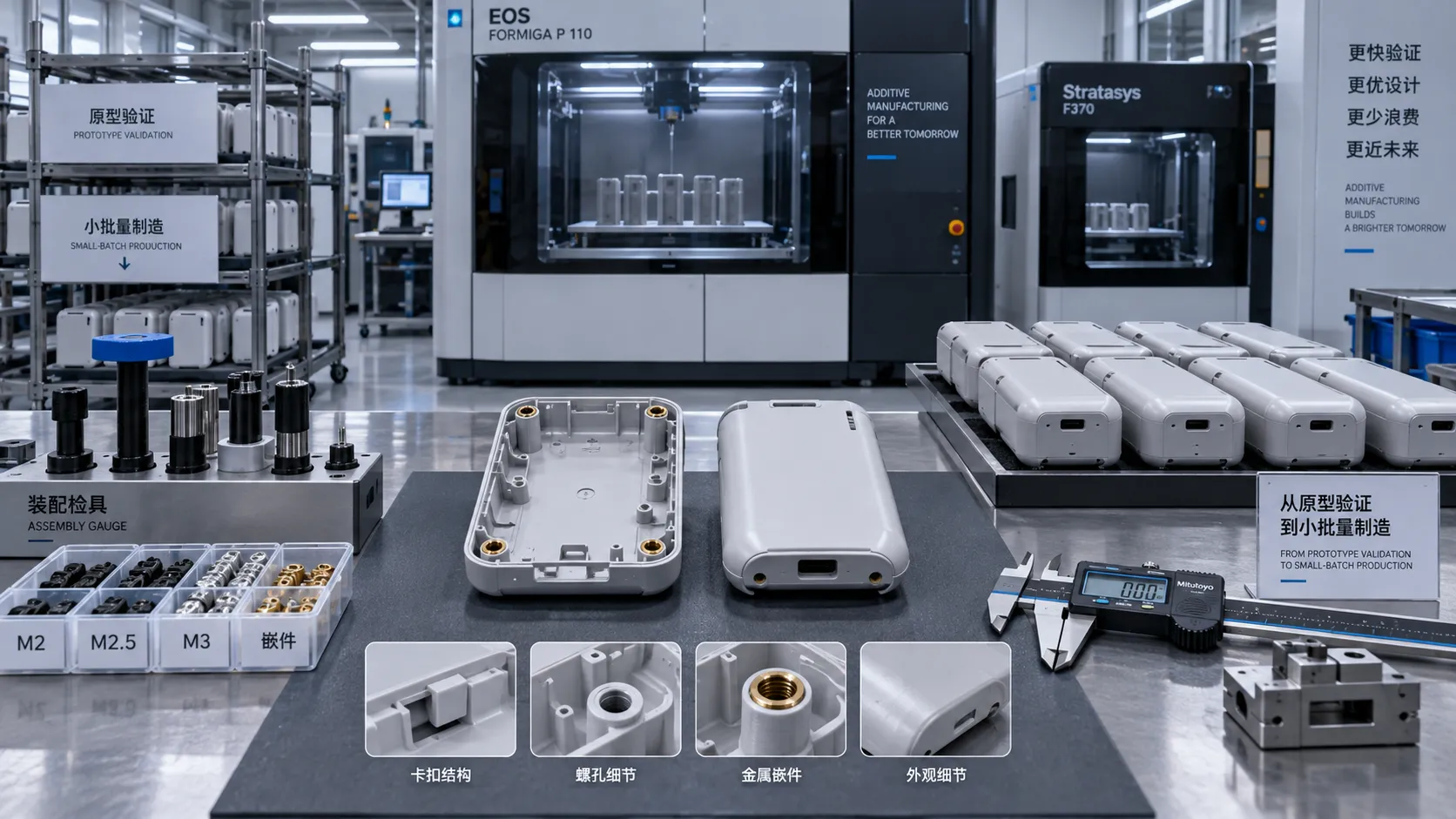
From Prototype to Small Batch: Applying 3D Printing to Consumer Goods
Explore 3d printing in consumer goods: learn how to move from prototype to small-batch production with practical guidance on materials, quality validation, and cost control.
Related News
- 00
0000-00
How to verify part consistency before choosing a 3D printing OEM - 00
0000-00
How does a rigid cryogenic transfer line handle thermal contraction? - 00
0000-00
How much does edge vision deployment cost beyond the hardware? - 00
0000-00
How does the purity of sputtering targets affect thin-film quality? - 00
0000-00
How high power laser cladding systems control substrate dilution
Dr. Hideo Tanaka
Weekly Insights
Stay ahead with our curated technology reports delivered every Monday.