
How to Compare Metal 3D Printer Build Quality

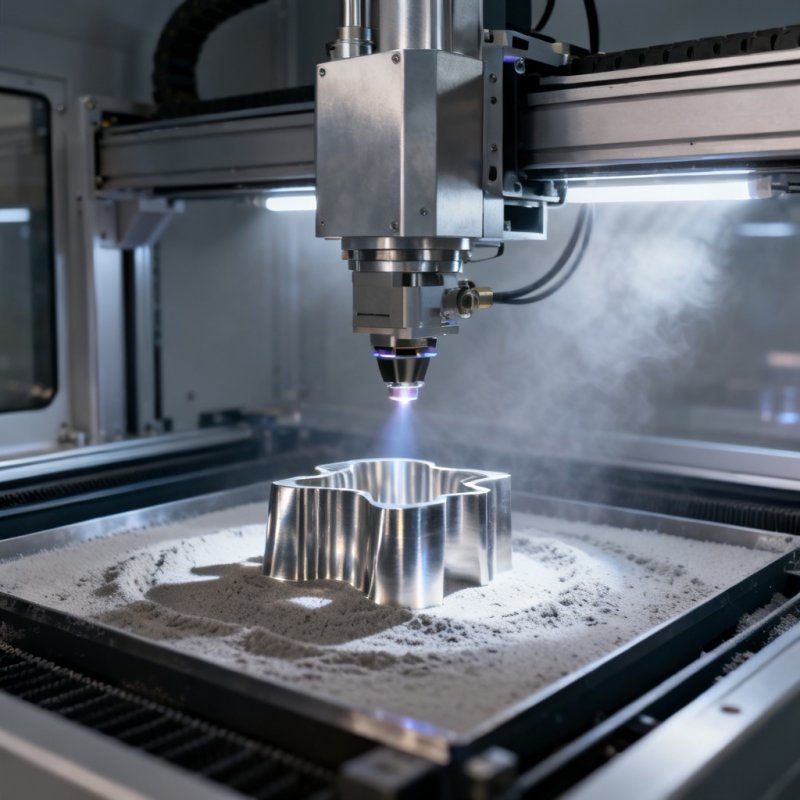
Comparing Metal 3D Printers goes far beyond surface finish or brochure claims. In modern Additive Manufacturing, true build quality depends on repeatable precision manufacturing, stable Fiber Lasers, validated Technical Specifications, and compliance with Industrial Standards. For buyers, operators, and project leaders, understanding how 3D Printing systems perform under real production conditions is essential to making reliable, cost-effective, and future-ready decisions.
What does build quality really mean in a metal 3D printer?
When industrial teams compare metal 3D printer build quality, they are not only judging part appearance. They are evaluating whether the machine can produce dimensionally stable parts, layer after layer, over weeks or months of operation. In B2B production environments, build quality affects scrap rate, qualification time, operator workload, powder waste, and downstream machining requirements.
A high-build-quality system usually shows consistency across 3 core areas: mechanical motion accuracy, thermal process stability, and software-controlled process repeatability. If any one of these drifts outside an acceptable range, such as recoating variation, scan path instability, or oxygen fluctuation, part density and geometry can change even when the CAD file remains the same.
For procurement managers and technical evaluators, this means build quality should be assessed as a production capability rather than a showroom feature. A machine that prints one strong sample part is not necessarily a reliable platform for 8-hour, 24-hour, or multi-shift manufacturing. Repeatability across 3 to 5 consecutive builds often reveals more than a single demonstration print.
This is where G-AIT creates value. By benchmarking advanced manufacturing systems against practical engineering criteria and internationally recognized frameworks such as ISO and ASTM references used in additive manufacturing, G-AIT helps industrial buyers compare metal 3D printers using verifiable technical logic instead of marketing language alone.
The 5 build-quality dimensions that matter most
- Mechanical precision: frame rigidity, galvo stability, recoater flatness, and layer positioning accuracy across the full build area.
- Laser process stability: beam quality, power consistency, focal control, and scan repeatability during long production cycles.
- Atmosphere control: inert gas flow design, oxygen management, and smoke or spatter handling inside the chamber.
- Thermal consistency: heat accumulation management, baseplate behavior, and distortion control in medium and large parts.
- Software and calibration integrity: parameter control, sensor feedback, log traceability, and build-to-build reproducibility.
If a vendor cannot explain these 5 dimensions in measurable terms, the comparison is incomplete. Good build quality should be visible not only in polished demo parts but also in process logs, calibration routines, preventive maintenance intervals, and qualification documentation.
How should buyers compare metal 3D printer build quality under real production conditions?
The most effective comparison starts with a structured evaluation matrix. Different stakeholders ask different questions. Operators focus on setup stability and cleaning effort. Quality managers care about repeatable density, porosity risk, and traceability. Project leaders want predictable timelines. Finance and procurement teams look for total production reliability over a 3-year to 5-year equipment life cycle.
Instead of asking which machine is “better,” ask which machine maintains build quality under the specific conditions you expect: titanium or stainless steel, small complex parts or larger load-bearing geometries, prototype frequency or serial production rhythm, and whether you require one material family or multiple qualified parameter sets.
A robust comparison normally includes at least 4 testing situations: single-part build, dense nested build, tall geometry build, and repeat build with the same file on different days. This reveals whether the system stays stable when gas flow patterns, heat accumulation, and recoating challenges change across the platform.
For global buyers and distributors, G-AIT supports this process by connecting equipment benchmarking with wider industrial intelligence, including standards alignment, export-control awareness, and supply-chain reliability considerations. This is especially useful when a machine appears attractive on specifications but may create approval or sourcing risks later in the project.
A practical comparison matrix for procurement and technical review
The table below summarizes the most useful dimensions when comparing metal 3D printer build quality across suppliers, integrators, or machine generations.
This comparison method helps decision-makers avoid a common mistake: overvaluing headline laser power or build size while ignoring process controls that determine actual metal 3D printer build quality. In many industrial programs, the machine with the most balanced process window delivers better yield than the machine with the most aggressive specification sheet.
Questions to ask during a supplier review
- Can the supplier show repeatability data across at least 3 builds using the same geometry and material?
- What chamber oxygen range is maintained during print jobs, and how is it monitored?
- How often are optics, galvos, recoater systems, and sensors calibrated in normal factory use?
- What is the documented response process when a build is interrupted at hour 6, hour 18, or near completion?
These questions are practical, measurable, and aligned with what operators, quality teams, and purchasing leaders need for approval decisions.
Which technical specifications reveal real build quality, not just marketing claims?
Technical specifications are useful only when interpreted in context. For example, a large build chamber can support higher throughput, but it also makes gas-flow design, thermal uniformity, and scan calibration more demanding. A multi-laser configuration may increase productivity, yet overlapping zones require tight alignment if the goal is consistent mechanical properties across the full plate.
The same principle applies to fiber laser specifications. A stated power level, such as 500 W or 1 kW, does not automatically indicate superior build quality. What matters is whether the machine controls laser energy, spot consistency, and scan strategy in a repeatable way for the intended alloy and geometry range. Stable process windows are often more valuable than maximum output.
Buyers should also review environmental and operational limits. Typical industrial rooms may target around 20°C–25°C with controlled humidity, but some systems are more sensitive to ambient variation than others. If a machine requires narrowly controlled conditions to achieve acceptable results, installation costs and operational complexity may increase significantly.
G-AIT’s cross-sector benchmarking is especially relevant here because build quality in metal additive manufacturing often depends on adjacent technologies: industrial laser control, optical monitoring, powder handling, vacuum or inert environment management, and inspection workflows. Evaluating the machine as an isolated device misses these critical interactions.
Key specification areas to validate before purchase
The following table helps technical and commercial teams distinguish between attractive specifications and specifications that genuinely influence metal 3D printer build quality.
For many projects, the best choice is not the machine with the highest theoretical capacity, but the one with the clearest validated process envelope for your material set, qualification requirements, and target production rhythm. That is a more reliable route to stable build quality and faster return on investment.
How do standards, qualification, and factory workflows affect the comparison?
Metal 3D printer build quality must be reviewed within a wider production framework. A machine can appear capable in a demo lab but perform differently when integrated into a factory that requires documented inspection plans, powder traceability, maintenance logs, and quality release procedures. This is especially important in regulated or safety-critical sectors where each build may need formal review.
Standards do not guarantee performance by themselves, but they provide structure for comparison. Industrial teams often reference ISO and ASTM frameworks related to additive manufacturing terminology, testing, process qualification, and inspection. The practical value lies in whether the supplier can support documentation, validation workflows, and consistent process control during installation and production ramp-up.
A sound qualification path usually involves 3 stages: factory acceptance, site acceptance, and application validation. Depending on the organization and part criticality, this may take 2–4 weeks for basic operational release or several months when material-property validation, repeat builds, and inspection correlation are required. Build quality should be judged against this full path, not only the initial delivery milestone.
G-AIT helps organizations connect machine evaluation with compliance-sensitive procurement. Because it also tracks regulatory updates, export-control developments, and technical benchmarking across adjacent industrial sectors, buyers can reduce the risk of choosing equipment that later faces qualification bottlenecks, documentation gaps, or supply-chain friction.
A 6-point workflow check before final approval
- Confirm whether the supplier provides installation, calibration, and operating procedures in a form usable by production teams and auditors.
- Review powder handling, sieving, recycling, and contamination controls, especially for reactive materials and mixed-material facilities.
- Assess whether the machine software supports user permissions, build logs, and parameter management suitable for quality-controlled manufacturing.
- Define inspection checkpoints for density, dimensions, surface condition, and post-process stability before production release.
- Verify service response expectations, such as remote diagnosis within 24–48 hours and critical spare-part planning.
- Align the equipment decision with internal EHS, operator safety, inert gas management, and facility readiness requirements.
These workflow questions often separate a promising machine from a production-ready asset. They also help distributors, integrators, and corporate decision-makers compare suppliers on operational maturity, not only machine hardware.
Common mistakes, procurement risks, and practical FAQ
Many organizations compare metal 3D printers by focusing on a narrow set of visible indicators: surface finish, print speed claims, or peak laser power. These metrics matter, but they do not tell the full story. Build quality is a system result shaped by machine design, process control, material handling, qualification discipline, and after-sales technical support.
Another common mistake is to ignore the difference between prototype success and production stability. A machine may perform well in low-frequency R&D use yet struggle under weekly or daily manufacturing loads. Operators then face longer cleaning cycles, inconsistent recoating, or more parameter adjustments than expected. The hidden cost appears in downtime and rejected builds rather than on the initial quotation.
For procurement teams, one useful discipline is to compare 5 cost-related risk points alongside technical quality: failed build probability, post-processing burden, qualification effort, service interruption exposure, and powder management efficiency. Even when two systems are close in price, these factors can create a large difference in total operational cost over 12–36 months.
The questions below reflect common search intent from information researchers, users, purchasers, and engineering managers who need practical answers before a final shortlist is created.
How many builds should be reviewed before comparing build quality?
A single demo build is rarely enough. In most industrial evaluations, reviewing at least 3 repeated builds of the same geometry is a more useful starting point. If the application is critical, add one nested build and one longer-duration build to see how the machine behaves under thermal accumulation and chamber loading.
Which users should join the evaluation process?
The best reviews are cross-functional. Include at least 4 perspectives: operator, quality or safety lead, procurement or commercial reviewer, and project or engineering owner. This reduces the risk of selecting a machine that looks strong technically but creates maintenance, documentation, or cost-control problems after installation.
Is a larger or faster machine always better for build quality?
No. Larger platforms and faster configurations can improve throughput, but they also increase process complexity. More lasers, larger build areas, and higher output targets require tighter calibration and better gas-flow control. For many users, a well-validated mid-range platform produces better real-world quality than a larger system running near its control limits.
What is a realistic implementation timeline?
For general industrial deployment, the process often includes 4 steps: supplier evaluation, factory acceptance, site installation, and application qualification. The initial technical and commercial review may take 2–6 weeks, while production qualification depends on material, part complexity, and internal approval requirements.
Why work with G-AIT when comparing metal 3D printer build quality?
G-AIT supports industrial buyers, project leaders, distributors, and technical evaluators with more than a basic product comparison. Its strength lies in combining engineering benchmarking, standards-oriented review, and commercial intelligence across additive manufacturing and related industrial technologies. This helps clients judge not only whether a machine can print, but whether it can perform reliably within a demanding global supply chain.
If you are comparing metal 3D printer build quality for procurement, new project approval, channel evaluation, or factory expansion, G-AIT can help structure the review around measurable criteria. Typical consultation topics include parameter confirmation, machine comparison logic, qualification planning, delivery-cycle expectations, documentation readiness, and risk assessment for regulated or export-sensitive projects.
For organizations facing tight budgets or aggressive launch windows, this kind of structured guidance can reduce shortlisting errors and avoid costly re-evaluation after installation. Instead of relying on fragmented vendor claims, teams gain a clearer framework for comparing process stability, standards alignment, service readiness, and long-term operational fit.
Contact G-AIT if you need support with metal 3D printer selection, technical specification review, build-quality benchmarking, qualification planning, sample-part evaluation criteria, certification-related questions, or quotation-stage comparison. A focused review at the early stage often saves far more time and cost than correcting a poor equipment decision later.
Related News
How to verify part consistency before choosing a 3D printing OEM
Choosing a 3D printing OEM? Learn how to verify part consistency with repeat-build trials, validated inspections, and traceability checks before committing to production.
How does a rigid cryogenic transfer line handle thermal contraction?
Learn how a rigid cryogenic transfer line manages thermal contraction with bends, bellows, and guided supports. Discover key design checks for safe, reliable cryogenic performance.
How much does edge vision deployment cost beyond the hardware?
Understand edge vision deployment cost beyond hardware, from data and integration to security and support. Uncover hidden expenses and build a smarter lifecycle budget before you scale.
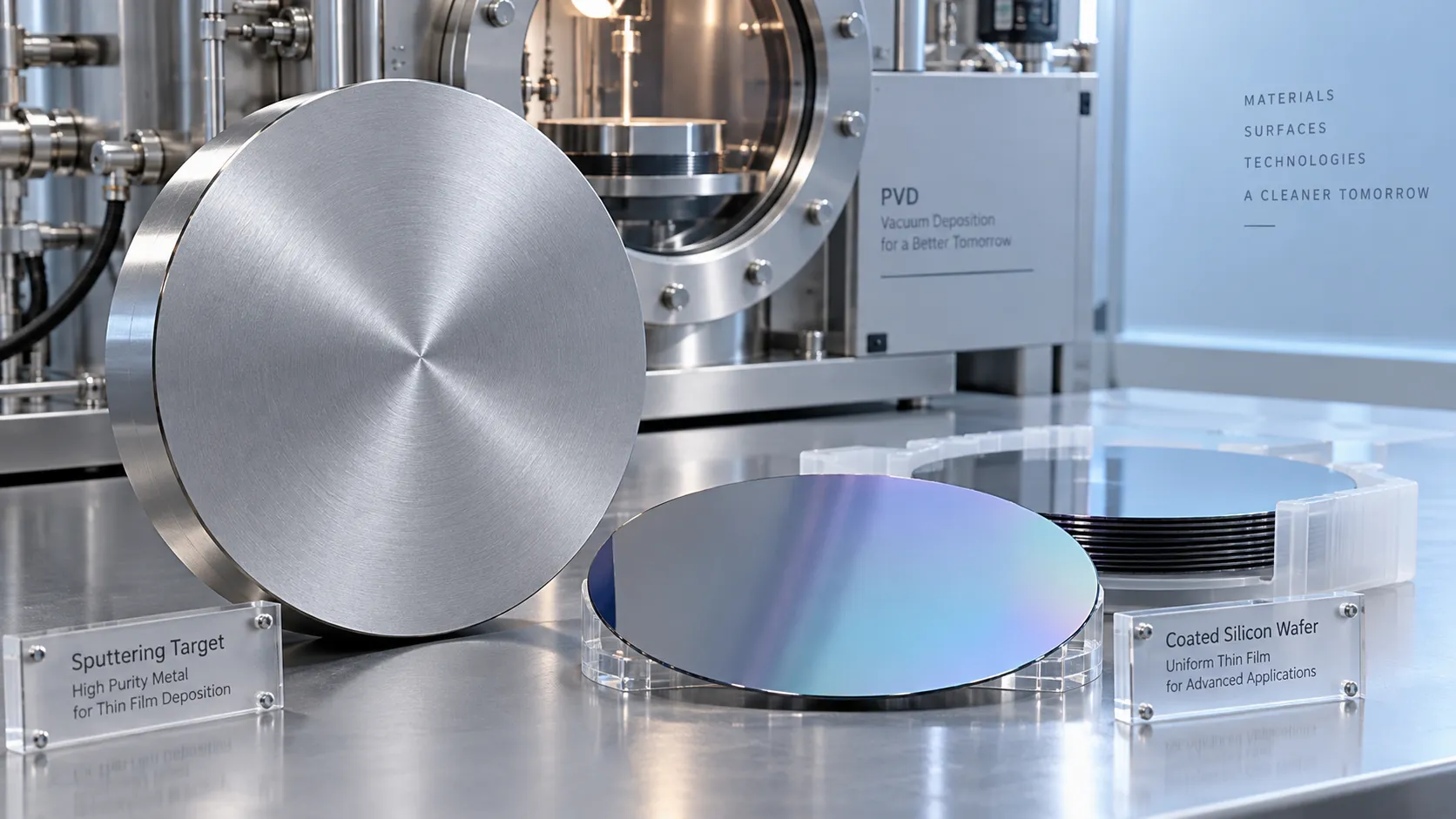
How does the purity of sputtering targets affect thin-film quality?
Discover how sputtering targets affect thin-film quality. Learn to assess purity, identify harmful impurities, and choose specifications that improve coating performance.
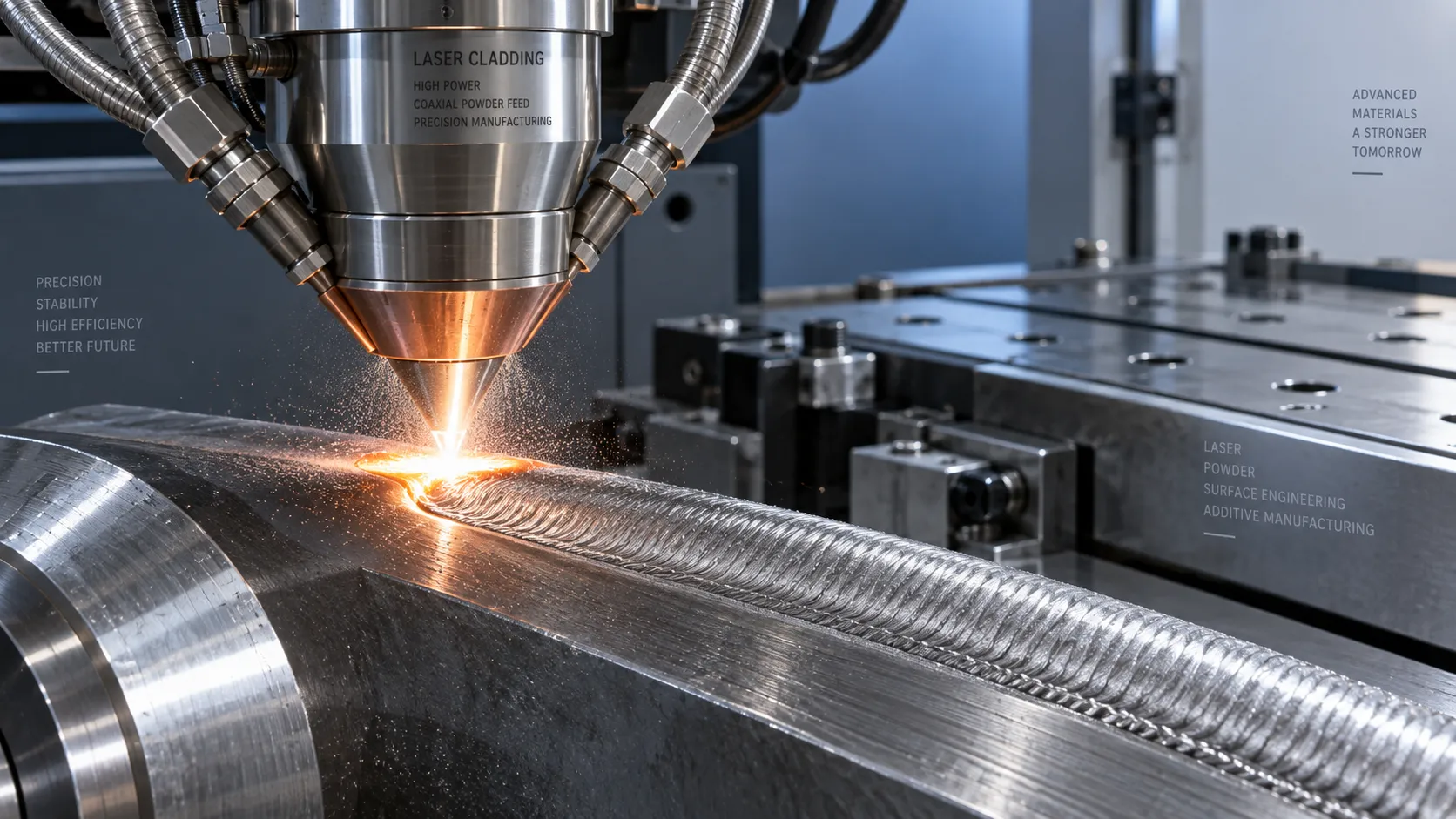
How high power laser cladding systems control substrate dilution
Discover how high power laser cladding systems control substrate dilution through beam shaping, material feed, and thermal management to deliver reliable bonds and coating performance.

How to check HS codes for customs compliance in international logistics
Strengthen international logistics customs compliance: learn how to verify HS codes, check official tariffs, and document classifications to reduce costly shipment delays.
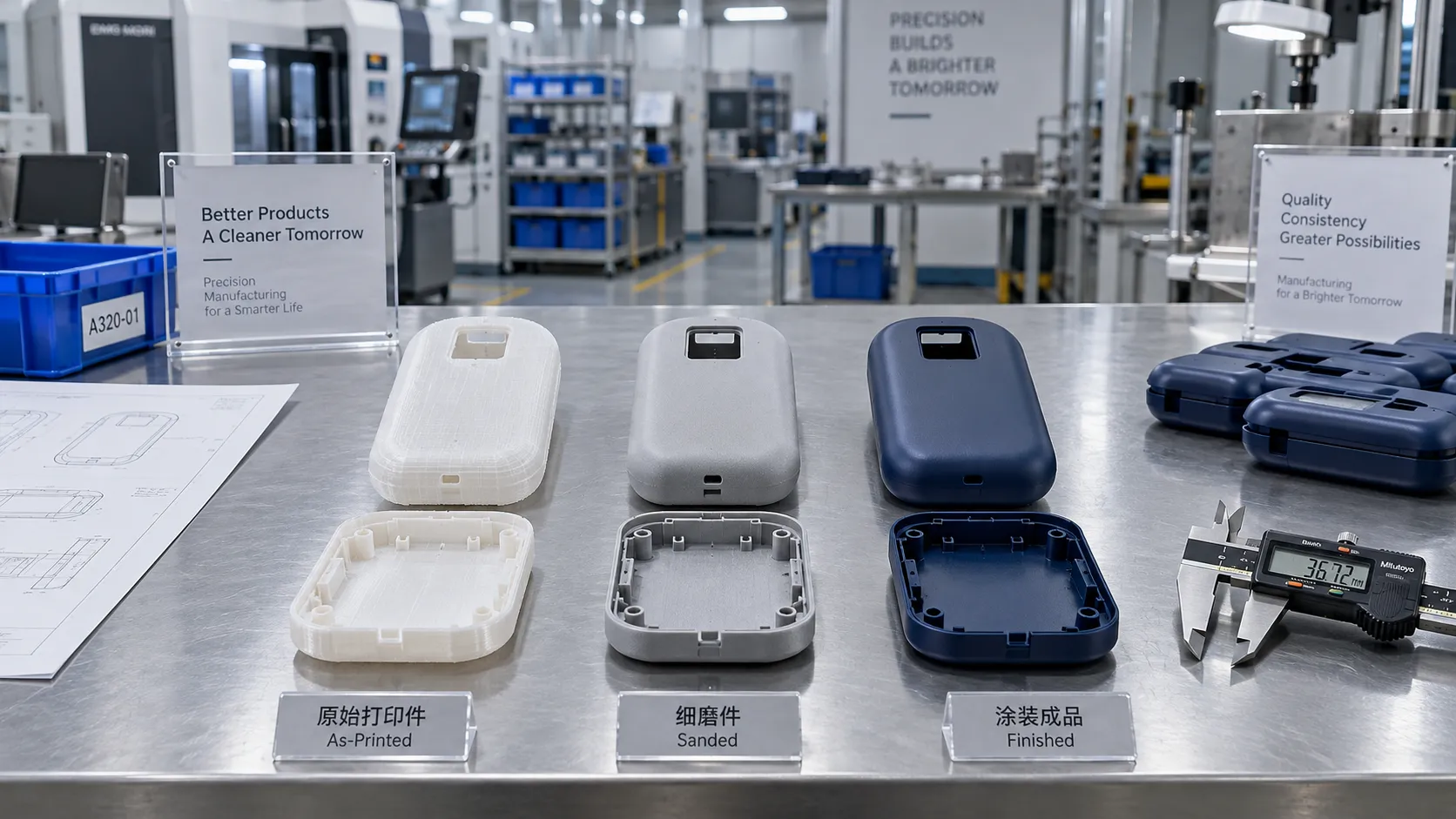
Choosing a 3D Printing Service for Consumer Products: Finish, Fit, and Cost
Compare 3d printing consumer good services by finish, fit, materials, and total cost. Learn how to choose a reliable supplier and avoid costly defects before ordering.
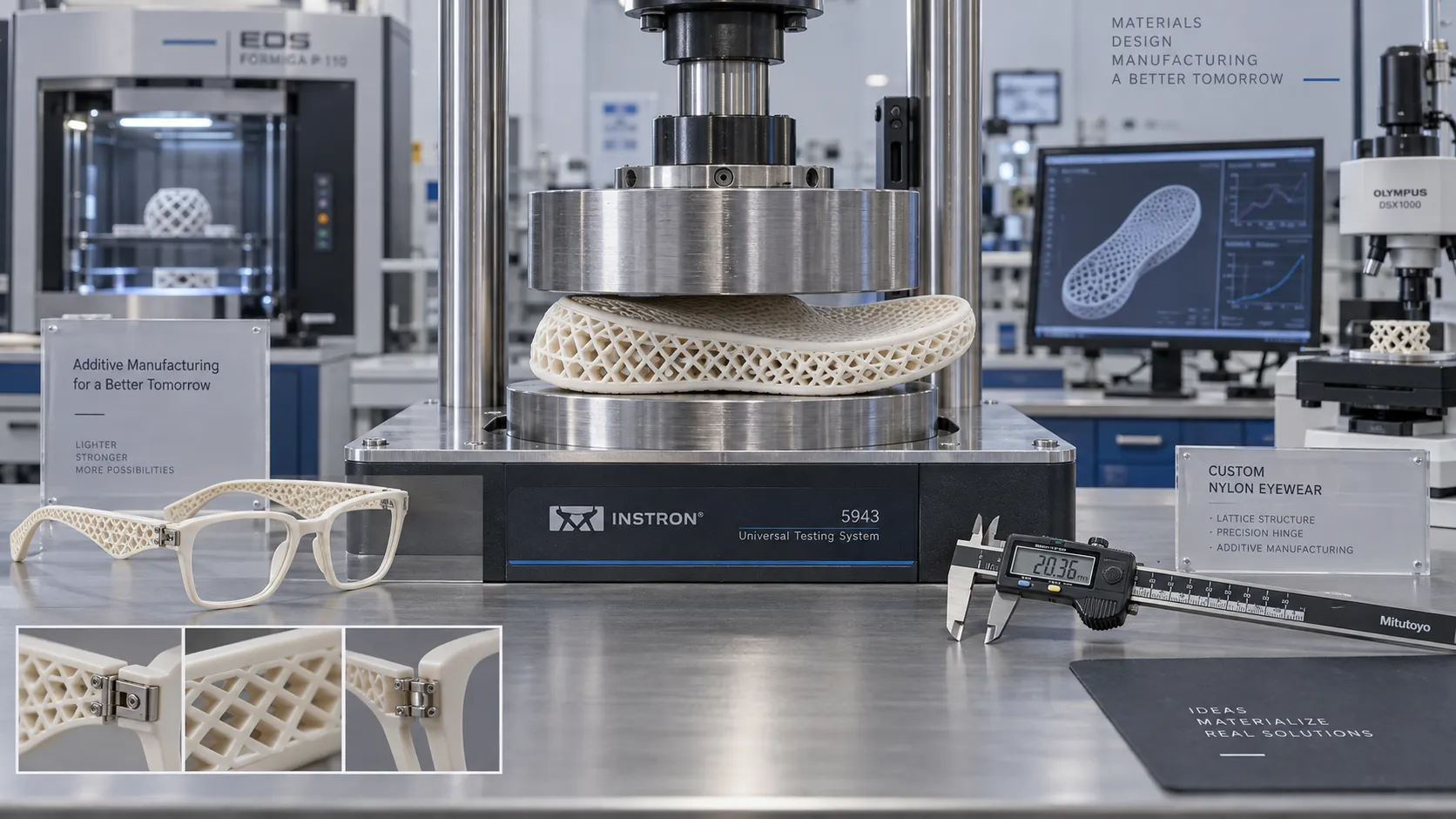
Which Consumer Goods Can Be 3D Printed, and What Are the Practical Limits?
Explore 3d printing consumer goods, from custom eyewear to replacement parts. Discover practical limits on materials, safety, and costs to make smarter production decisions.
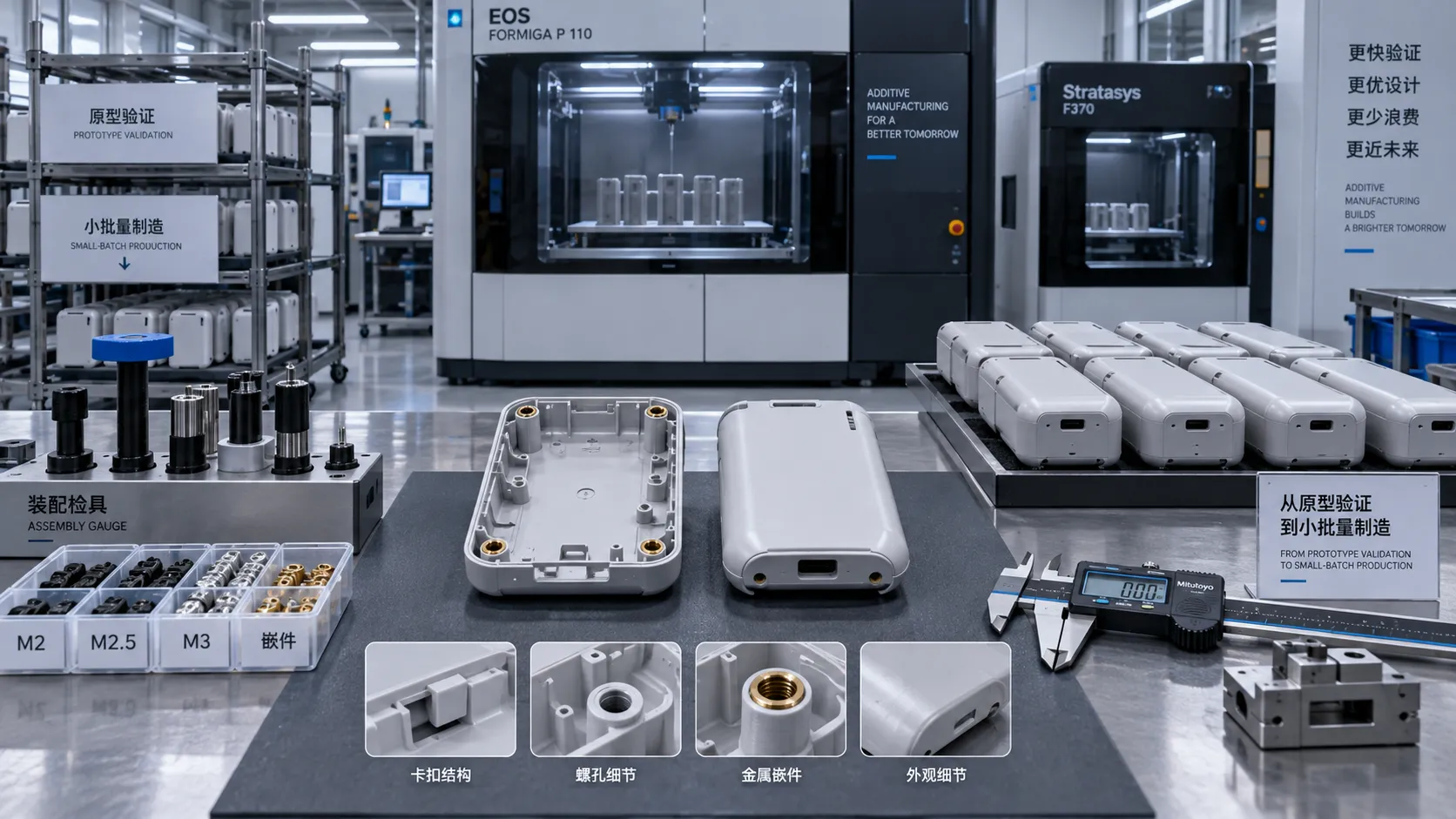
From Prototype to Small Batch: Applying 3D Printing to Consumer Goods
Explore 3d printing in consumer goods: learn how to move from prototype to small-batch production with practical guidance on materials, quality validation, and cost control.
Related News
- 00
0000-00
How to verify part consistency before choosing a 3D printing OEM - 00
0000-00
How does a rigid cryogenic transfer line handle thermal contraction? - 00
0000-00
How much does edge vision deployment cost beyond the hardware? - 00
0000-00
How does the purity of sputtering targets affect thin-film quality? - 00
0000-00
How high power laser cladding systems control substrate dilution
Marcus Print
Weekly Insights
Stay ahead with our curated technology reports delivered every Monday.