
Timing Gears: Signs of Wear, Noise, and Early Failure

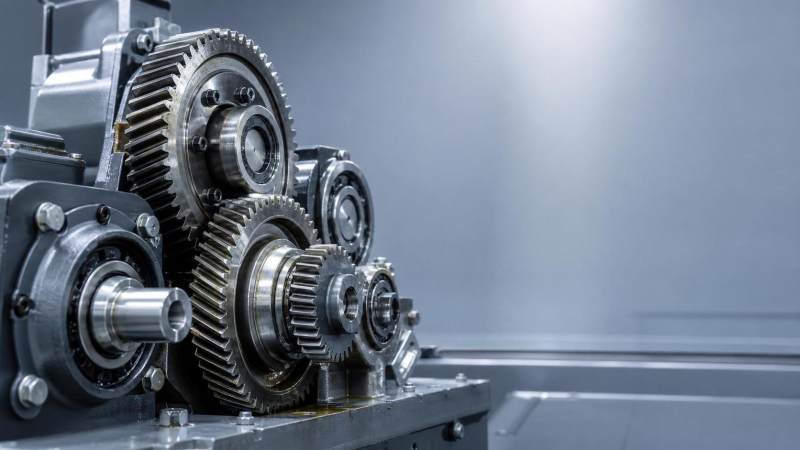
Timing gears usually fail in context, not in isolation
Timing gears rarely move from healthy operation to total failure overnight.
More often, the warning signs appear as slight noise changes, uneven tooth contact, or abnormal backlash.
In real industrial service, those early clues are easy to miss because the machine still runs.
That is exactly why timing gears deserve closer attention in high-precision and uptime-sensitive equipment.
Across advanced manufacturing environments, gear condition affects positioning accuracy, synchronization stability, heat generation, and maintenance planning.
The practical question is not only whether timing gears are worn.
The more useful question is what kind of wear is appearing, under which operating conditions, and what that pattern says about the system.
This matters in sectors tracked by G-AIT, where benchmarking, repeatability, and reliability standards shape maintenance decisions.
Different operating scenes create different wear patterns
Timing gears do not age the same way in every machine.
Load profile, start-stop frequency, lubrication method, temperature variation, and alignment quality all change the failure path.
In laser processing lines, timing gears may work near thermal gradients and high duty cycles.
In additive systems, motion accuracy and repeated reversals tend to expose backlash growth earlier.
Machine vision and optical inspection platforms often reveal a different problem.
Even modest gear wear can disturb indexing precision long before audible failure becomes obvious.
Vacuum and cryogenic equipment adds another layer.
Lubricant behavior, material contraction, and contamination sensitivity can make a small timing gear defect escalate faster than expected.
So the same whining noise does not always point to the same root cause.
The operating scene determines whether noise reflects surface wear, mesh misalignment, lubrication starvation, or deeper shaft and bearing issues.
When noise is the first symptom, the judgment should stay specific
A rising whine is one of the most common early timing gears warnings.
Still, sound alone is not enough for a reliable diagnosis.
The useful distinction is how the noise behaves across speed, temperature, and load changes.
Steady whining across speed ranges
This often suggests mesh wear, tooth profile change, or insufficient lubrication film.
In precision equipment, it may also indicate growing backlash that has not yet reached a shutdown threshold.
Noise that appears during startup or load transfer
That pattern usually deserves a closer check of shaft alignment, coupling condition, and tooth contact pattern.
The timing gears may not be the original fault source.
Intermittent clicking or rough cyclic sound
This can point to chipped teeth, localized pitting, debris in the mesh, or mounting runout.
In inspection systems, this type of fault often shows up as repeatable indexing deviation before complete failure.
A common mistake is treating all timing gears noise as a lubrication problem.
Fresh lubricant may reduce the sound temporarily while the underlying geometry continues to degrade.
Wear looks different in high-precision equipment than in heavy-duty drives
In a heavy industrial drive, visible tooth wear may still leave acceptable short-term function.
In a tightly synchronized platform, the same amount of wear can already be unacceptable.
That difference matters when evaluating timing gears in mixed industrial fleets.
The table shows why timing gears should be judged against service intent, not only against visible damage.
Backlash changes often reveal trouble before tooth breakage
Backlash is often treated as a simple adjustment value.
In practice, changes in backlash can be one of the earliest indicators of timing gears wear progression.
If backlash increases gradually, the cause may be normal tooth wear or lubrication decline.
If it changes suddenly, look harder at mounting integrity, shaft support, bearing condition, or impact loading events.
This is especially relevant in equipment measured against repeatability standards.
A system can still pass a basic function check while already drifting outside process tolerance.
For timing gears in precision assemblies, the operational threshold is often reached earlier than the mechanical threshold.
Lubrication damage is rarely just a lubricant issue
Scuffing, discoloration, micropitting, and surface scoring often get labeled as poor lubrication.
That is sometimes true, but it is not the full story.
Timing gears lose lubrication performance for several reasons beyond low oil volume.
- Viscosity no longer matches actual temperature and speed conditions.
- Contamination changes the contact surface faster than routine checks reveal.
- Misalignment squeezes the lubricant film out of the loaded contact zone.
- Stop-start duty creates repeated boundary lubrication events.
In vacuum or clean-process systems, the lubricant choice is even more constrained.
That makes timing gears more sensitive to small setup errors and service interval drift.
A useful field check is to compare wear marks with actual load distribution.
If damage concentrates at one edge or one section, lubrication may be secondary to alignment.
The most common misreads happen during routine maintenance
Many early timing gears failures are not missed because the symptoms are invisible.
They are missed because the symptoms are interpreted too narrowly.
Several judgment errors appear again and again across industrial settings.
- Replacing gears without checking bearings, shafts, and housing rigidity.
- Assuming similar machines impose the same duty on timing gears.
- Using visual inspection alone where backlash and vibration trend data are available.
- Judging wear only by hours, not by thermal cycling or reversing frequency.
- Focusing on replacement cost while ignoring downtime and requalification needs.
In facilities shaped by ISO, ASTM, SEMI, or IEEE-linked quality expectations, those shortcuts create larger downstream risk.
The gear set may be inexpensive compared with the process interruption it triggers.
A better timing gears check starts with operating evidence
The most reliable approach combines inspection with operating context.
That method fits well with the evidence-based benchmarking mindset seen across G-AIT-covered industries.
Before replacing timing gears, confirm these points:
- How noise changes with speed, temperature, and process load.
- Whether backlash drift is gradual or sudden.
- What the tooth contact pattern shows under real alignment conditions.
- Whether lubricant condition matches the true duty cycle.
- If adjacent components are forcing abnormal mesh behavior.
This process helps separate normal wear from early system failure.
It also supports more accurate service intervals and cleaner root-cause decisions.
What to do next when early failure signs appear
When timing gears begin to show wear, noise, or backlash change, the next step should be structured rather than reactive.
Start by defining the operating scene clearly.
Then compare load pattern, thermal exposure, lubrication limits, and precision requirements against the observed damage.
That comparison usually reveals whether the issue is localized gear wear or part of a wider reliability problem.
For ongoing maintenance planning, it is worth setting acceptance limits for noise trend, backlash drift, and tooth contact condition.
Timing gears are small components, but in synchronized industrial systems they often expose the health of the whole drive path.
The practical goal is not only to replace worn parts.
It is to build a service standard that matches the actual scene, the real risk, and the performance level the machine must keep.
Related News
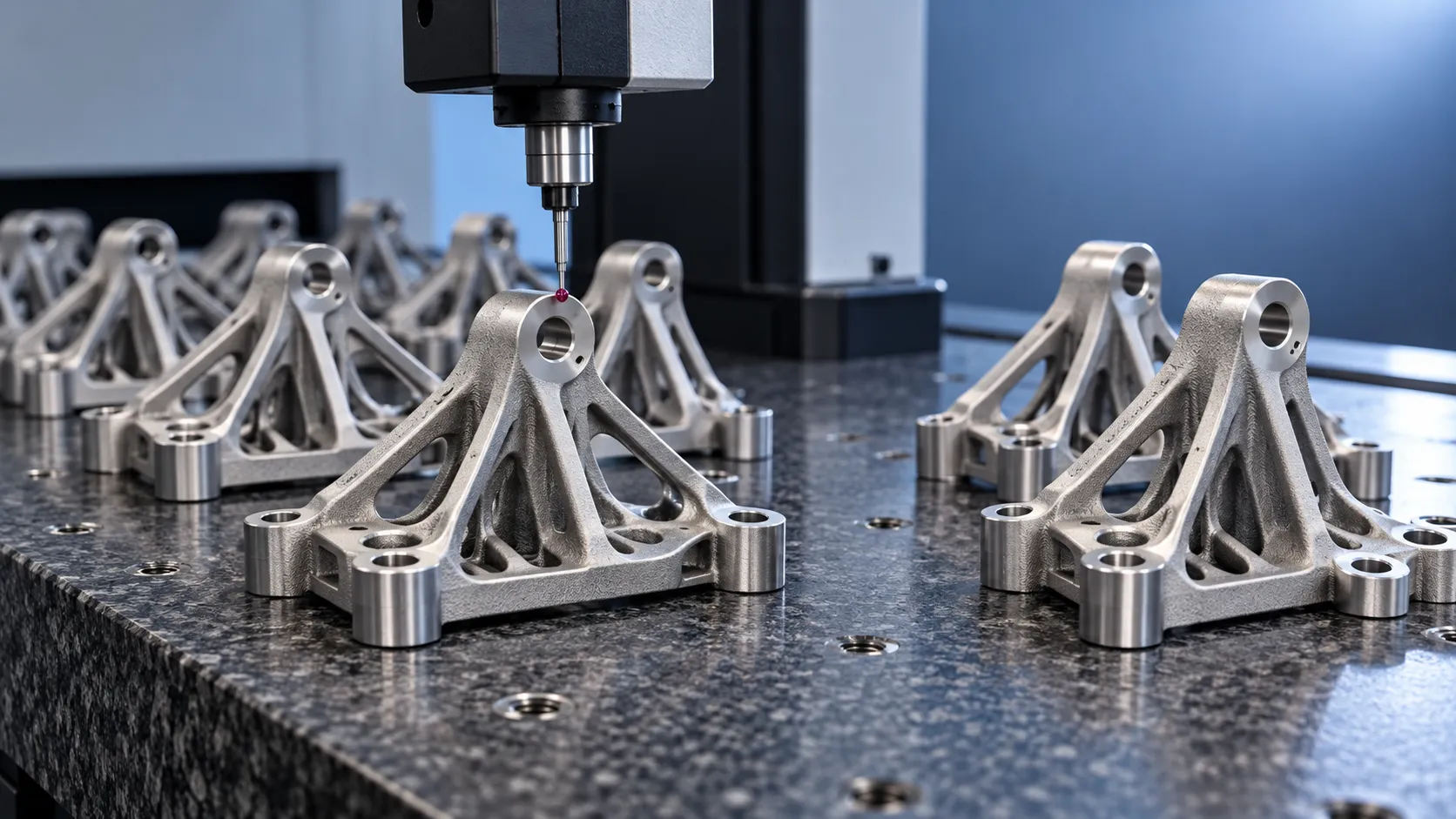
How to verify part consistency before choosing a 3D printing OEM
Choosing a 3D printing OEM? Learn how to verify part consistency with repeat-build trials, validated inspections, and traceability checks before committing to production.
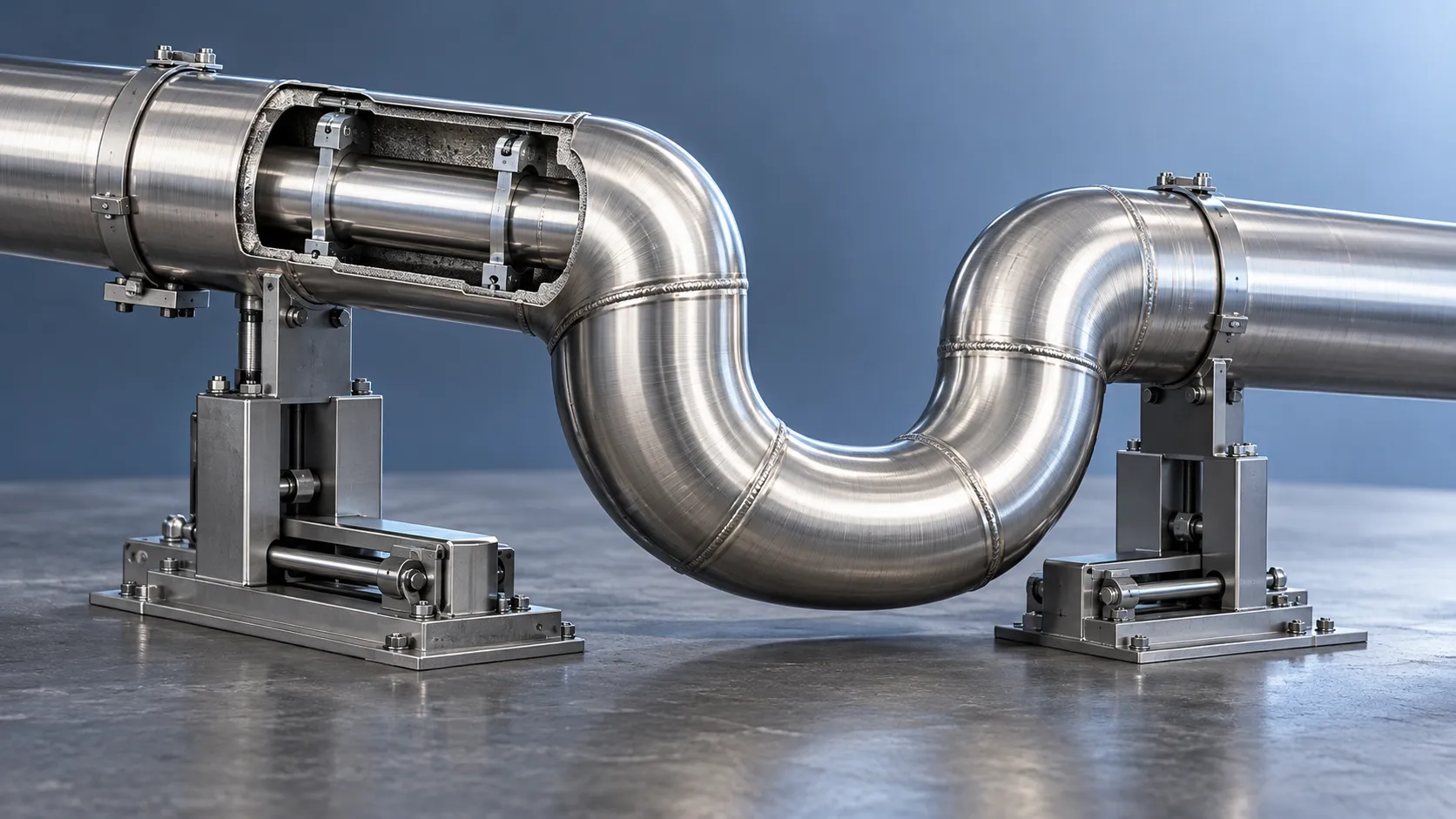
How does a rigid cryogenic transfer line handle thermal contraction?
Learn how a rigid cryogenic transfer line manages thermal contraction with bends, bellows, and guided supports. Discover key design checks for safe, reliable cryogenic performance.
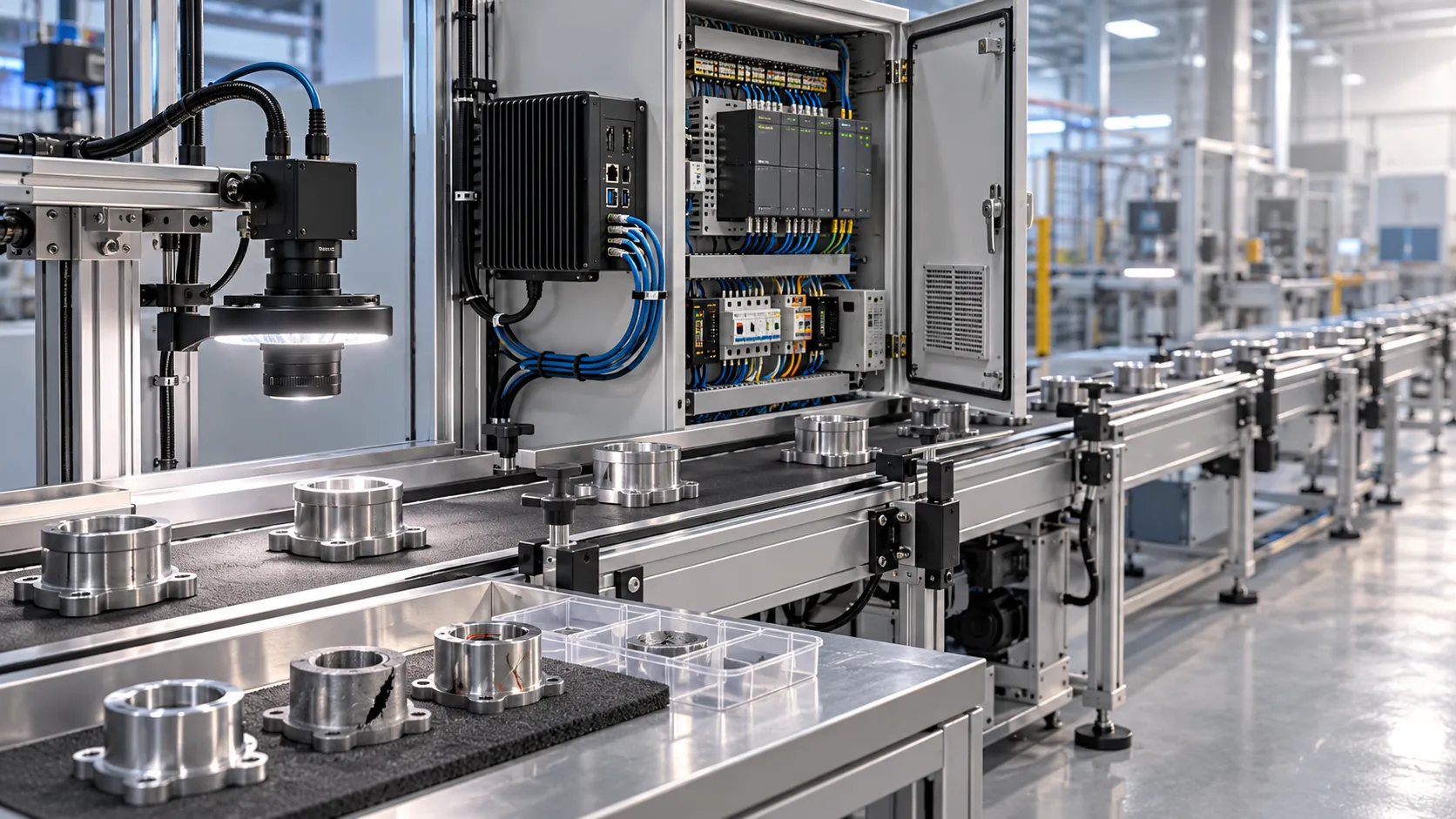
How much does edge vision deployment cost beyond the hardware?
Understand edge vision deployment cost beyond hardware, from data and integration to security and support. Uncover hidden expenses and build a smarter lifecycle budget before you scale.
How does the purity of sputtering targets affect thin-film quality?
Discover how sputtering targets affect thin-film quality. Learn to assess purity, identify harmful impurities, and choose specifications that improve coating performance.
How high power laser cladding systems control substrate dilution
Discover how high power laser cladding systems control substrate dilution through beam shaping, material feed, and thermal management to deliver reliable bonds and coating performance.
How to check HS codes for customs compliance in international logistics
Strengthen international logistics customs compliance: learn how to verify HS codes, check official tariffs, and document classifications to reduce costly shipment delays.
Choosing a 3D Printing Service for Consumer Products: Finish, Fit, and Cost
Compare 3d printing consumer good services by finish, fit, materials, and total cost. Learn how to choose a reliable supplier and avoid costly defects before ordering.
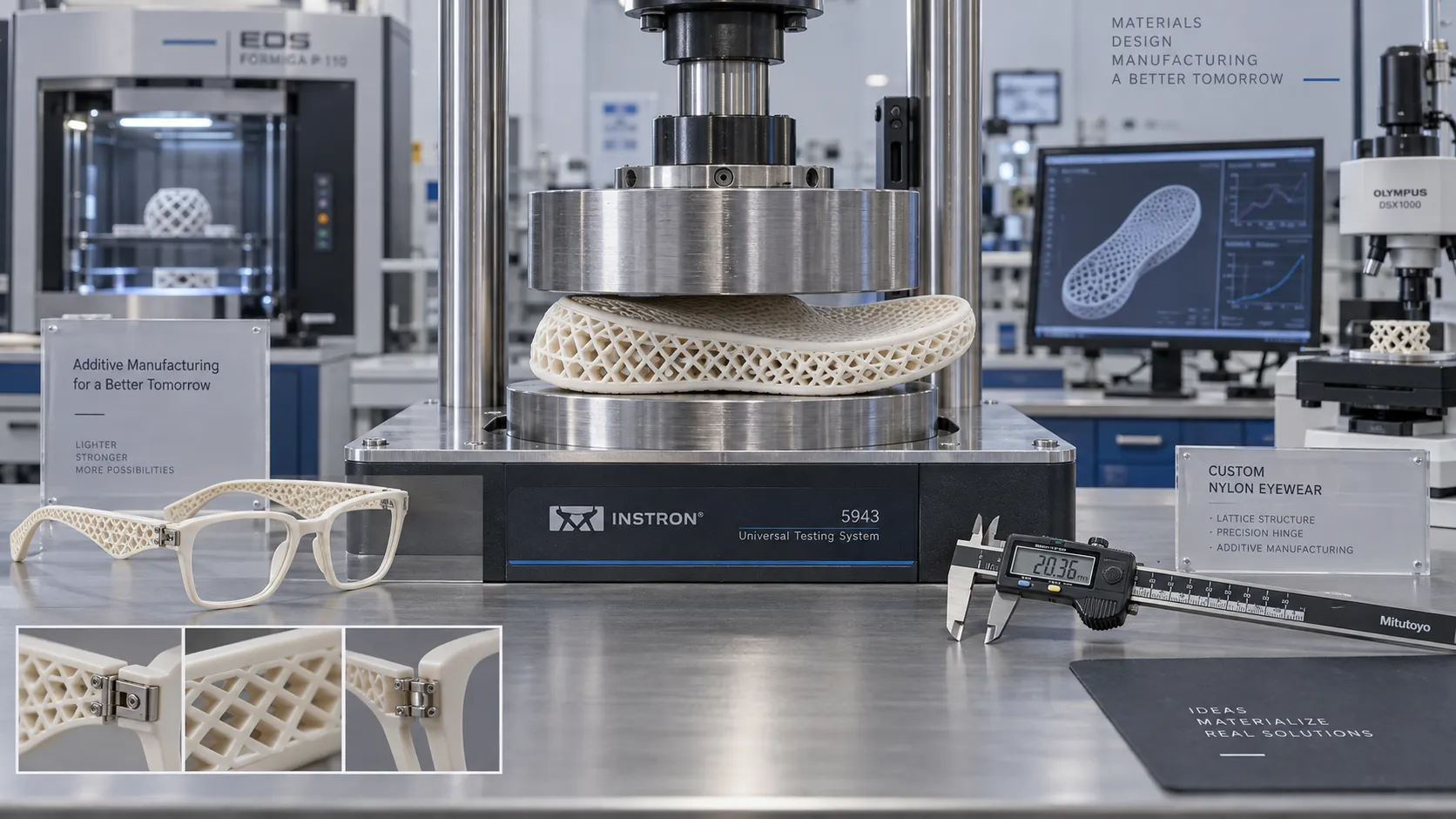
Which Consumer Goods Can Be 3D Printed, and What Are the Practical Limits?
Explore 3d printing consumer goods, from custom eyewear to replacement parts. Discover practical limits on materials, safety, and costs to make smarter production decisions.
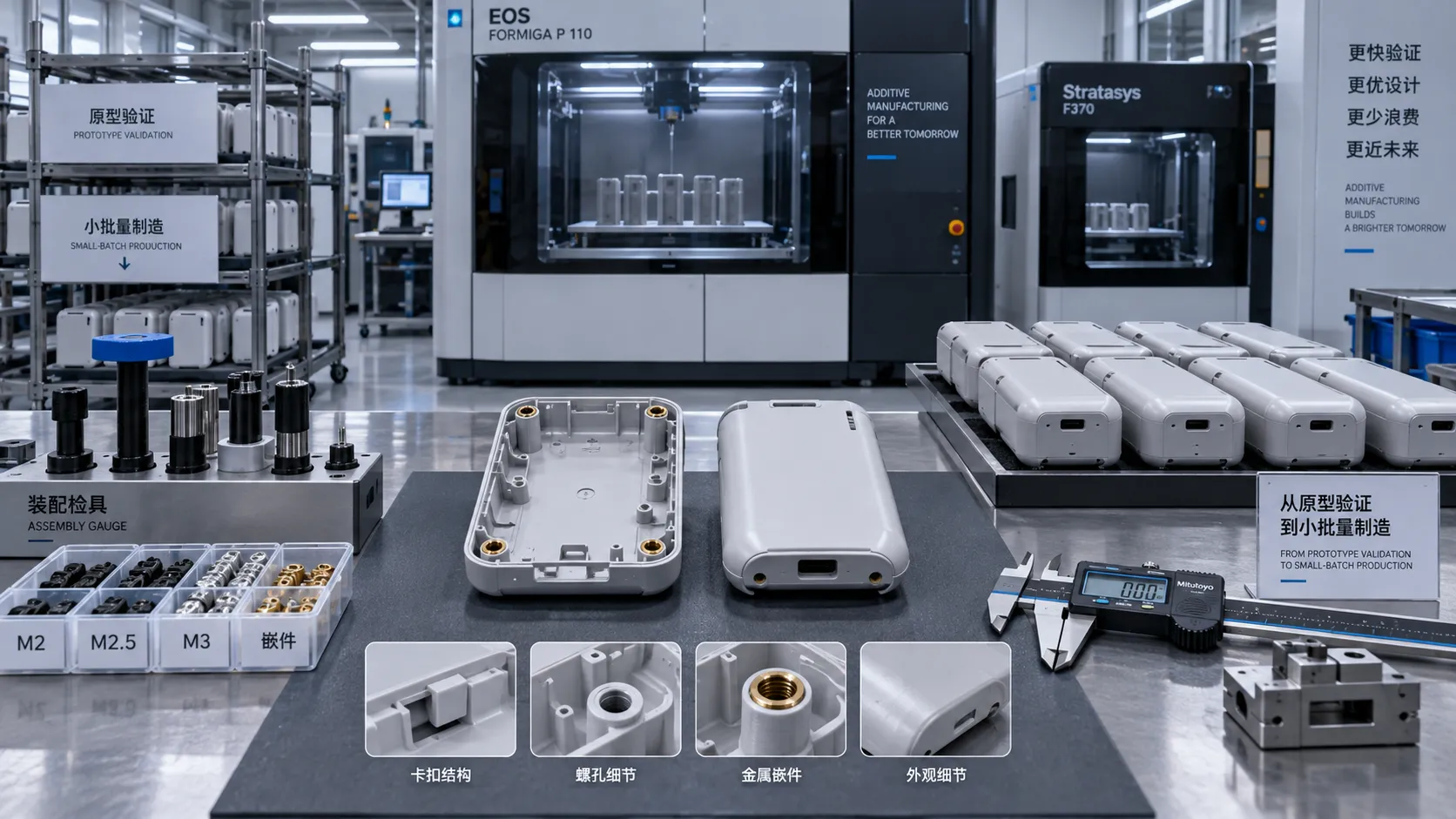
From Prototype to Small Batch: Applying 3D Printing to Consumer Goods
Explore 3d printing in consumer goods: learn how to move from prototype to small-batch production with practical guidance on materials, quality validation, and cost control.
Related News
- 00
0000-00
How to verify part consistency before choosing a 3D printing OEM - 00
0000-00
How does a rigid cryogenic transfer line handle thermal contraction? - 00
0000-00
How much does edge vision deployment cost beyond the hardware? - 00
0000-00
How does the purity of sputtering targets affect thin-film quality? - 00
0000-00
How high power laser cladding systems control substrate dilution
Dr. Hideo Tanaka
Weekly Insights
Stay ahead with our curated technology reports delivered every Monday.