
Industrial Vision Systems Supplier: What Decides Inspection Stability?

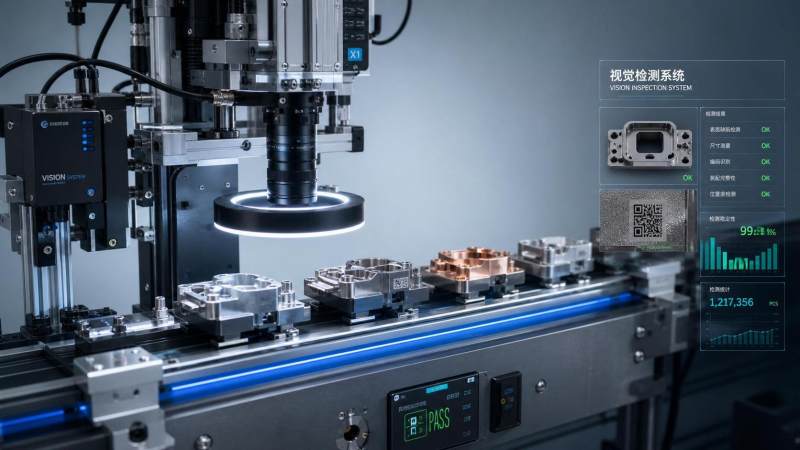
Industrial Vision Systems Supplier: What Decides Inspection Stability?
Choosing an industrial vision systems supplier is rarely about headline specifications alone.
A higher pixel count does not guarantee repeatable inspection on a live production line.
In practice, inspection stability comes from how the full system behaves over time.
That includes optics, illumination, mechanics, algorithms, interfaces, and data discipline.
For G-AIT, this is where technical benchmarking becomes more useful than marketing language.
A capable industrial vision systems supplier must prove stable performance under shifting materials, operators, speeds, and ambient conditions.
The core question is simple: can the system keep making the same judgment tomorrow, next quarter, and after process variation appears?
That question should frame every supplier evaluation.
Inspection Stability Starts with System Architecture
An industrial vision systems supplier first reveals its quality through system architecture.
Stable inspection is usually designed, not tuned at the last minute.
Good architecture defines image acquisition, triggering, processing, communication, and exception handling as one coordinated chain.
When these layers are loosely connected, drift appears early.
Typical symptoms include inconsistent pass rates, missed defects, and unexplained false rejects during speed changes.
A reliable supplier should explain the full timing path.
That means camera exposure timing, PLC interaction, encoder input, buffer management, and latency control.
If the supplier cannot show this clearly, long-term repeatability is already in doubt.
What to verify early
- Trigger accuracy under line speed variation
- Synchronization between lighting, camera, and motion
- Deterministic communication with PLC, MES, or SCADA
- Recovery logic after dropped frames or device faults
- Time stamping and batch linkage for every result
This is often the difference between a demo-ready setup and a production-grade inspection platform.
Optical Consistency Matters More Than Sensor Hype
Many teams start with camera resolution because it is easy to compare.
However, inspection stability depends more on optical consistency than on sensor marketing.
A strong industrial vision systems supplier will discuss lens distortion, field flatness, working distance, depth of field, and illumination geometry.
These details decide whether contrast remains stable across the entire region of interest.
This becomes critical when surfaces are reflective, textured, transparent, or dark.
Recent changes in manufacturing mix make this more important.
More products now use mixed materials, fine coatings, printed codes, and micro features.
That means the optical design must tolerate real variation, not only clean samples.
Key optical questions for any industrial vision systems supplier
- How is illumination selected for defect type and surface behavior?
- What calibration method compensates for distortion and magnification change?
- How stable is brightness after thermal rise and LED aging?
- Can the system maintain contrast across multiple product variants?
- What is the maintenance interval for cleaning and revalidation?
A supplier with strong answers here usually understands production reality.
Algorithm Robustness Is the Real Test of Repeatability
Algorithms decide whether an image becomes a stable decision or a noisy guess.
This applies to rule-based inspection and AI-integrated models alike.
A credible industrial vision systems supplier should define acceptance logic, threshold strategy, retraining rules, and confidence limits.
Without that discipline, good initial accuracy can decay quickly.
The larger risk is uncontrolled sensitivity to normal process variation.
For example, a minor color shift, edge burr, or print offset may suddenly raise false reject rates.
In actual operations, that creates hidden cost long before a catastrophic failure appears.
Stable algorithm design should include
- Representative training or tuning data from real production windows
- Clear separation between defect classes and process noise
- Version control for models, recipes, and thresholds
- Golden sample governance with periodic review
- Defined escalation when confidence drops below target
This is also where standards thinking matters.
Benchmarking methods aligned with ISO, ASTM, IEEE, or SEMI-style validation practices give evaluations more substance.
A strong industrial vision systems supplier should welcome that scrutiny.
Environmental Tolerance Often Decides Field Performance
Inspection systems rarely fail in conference rooms.
They fail near vibration, dust, coolant mist, heat, electrical noise, and unstable product handling.
That is why environmental tolerance must be part of supplier qualification.
A serious industrial vision systems supplier will discuss enclosure design, thermal management, ingress protection, cable routing, and mounting rigidity.
More importantly, the supplier should connect those choices to measurement repeatability.
For example, a minor bracket shift can alter a critical edge measurement.
A warm enclosure can also change focus behavior or lighting output over long runs.
These are not theoretical concerns. They are common sources of unstable yield data.
Practical stress points to test
- Performance at startup and after thermal equilibrium
- Stability during line acceleration, deceleration, and stop-start cycles
- Resistance to ambient light leakage and contamination
- Mechanical repeatability after maintenance access
- Electrical resilience under plant noise conditions
The supplier that can quantify these factors is usually the safer long-term choice.
Data Traceability Turns Inspection into a Reliable Process
Stable inspection is not only about making a pass or fail decision.
It is also about proving why that decision happened.
This is where many industrial vision systems supplier evaluations become too shallow.
If traceability is weak, troubleshooting becomes slow and corrective action becomes subjective.
A production-ready system should store image references, parameter versions, operator actions, timestamps, and links to lot or serial data.
That record supports root-cause analysis and supplier accountability.
It also helps align quality teams, process engineers, and procurement stakeholders around the same evidence.
A trustworthy industrial vision systems supplier should treat traceability as part of the inspection engine, not an optional software extra.
How to Evaluate an Industrial Vision Systems Supplier with Less Risk
A practical evaluation process should move beyond brochure comparisons.
The better method is staged verification against your real defect modes and production constraints.
This also helps separate a competent industrial vision systems supplier from an integration reseller with limited engineering depth.
- Define critical defects, acceptable false reject rate, and minimum traceability requirements.
- Request validation using diverse production samples, not hand-picked parts.
- Test under actual speed, lighting leakage, and operator workflow conditions.
- Review calibration, recipe control, maintenance, and retraining procedures.
- Check standards alignment, documentation quality, and support response structure.
- Require measurable acceptance criteria before final approval.
From a procurement perspective, this reduces the risk of buying impressive hardware with unstable field behavior.
From an engineering perspective, it creates a more defensible decision trail.
That matters even more when global supply chains demand consistent quality evidence.
Final Decision Factors
In the end, inspection stability is a systems question.
The best industrial vision systems supplier is the one that can defend stability across optics, mechanics, algorithms, environment, and traceability.
That defense should be technical, measurable, and repeatable.
It should also hold up under standards-based review, operational stress, and lifecycle maintenance.
For organizations comparing suppliers, the most useful question is not whether the system works once.
It is whether the supplier can keep inspection decisions stable as production reality changes.
That is the standard worth applying to every industrial vision systems supplier review.
Use that lens, and supplier selection becomes more rigorous, more practical, and far less vulnerable to performance surprises.
Related News
How to verify part consistency before choosing a 3D printing OEM
Choosing a 3D printing OEM? Learn how to verify part consistency with repeat-build trials, validated inspections, and traceability checks before committing to production.
How does a rigid cryogenic transfer line handle thermal contraction?
Learn how a rigid cryogenic transfer line manages thermal contraction with bends, bellows, and guided supports. Discover key design checks for safe, reliable cryogenic performance.
How much does edge vision deployment cost beyond the hardware?
Understand edge vision deployment cost beyond hardware, from data and integration to security and support. Uncover hidden expenses and build a smarter lifecycle budget before you scale.
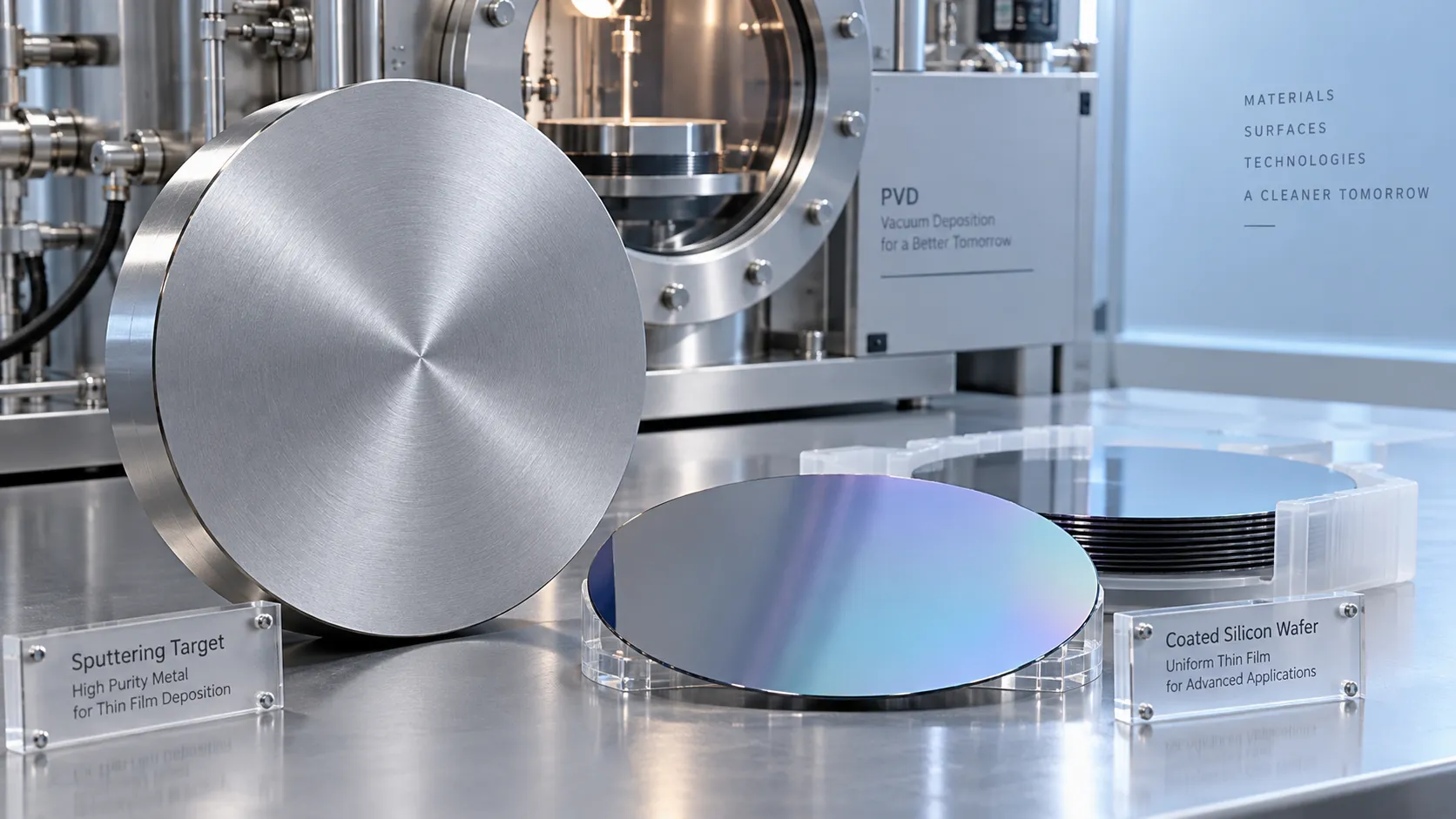
How does the purity of sputtering targets affect thin-film quality?
Discover how sputtering targets affect thin-film quality. Learn to assess purity, identify harmful impurities, and choose specifications that improve coating performance.
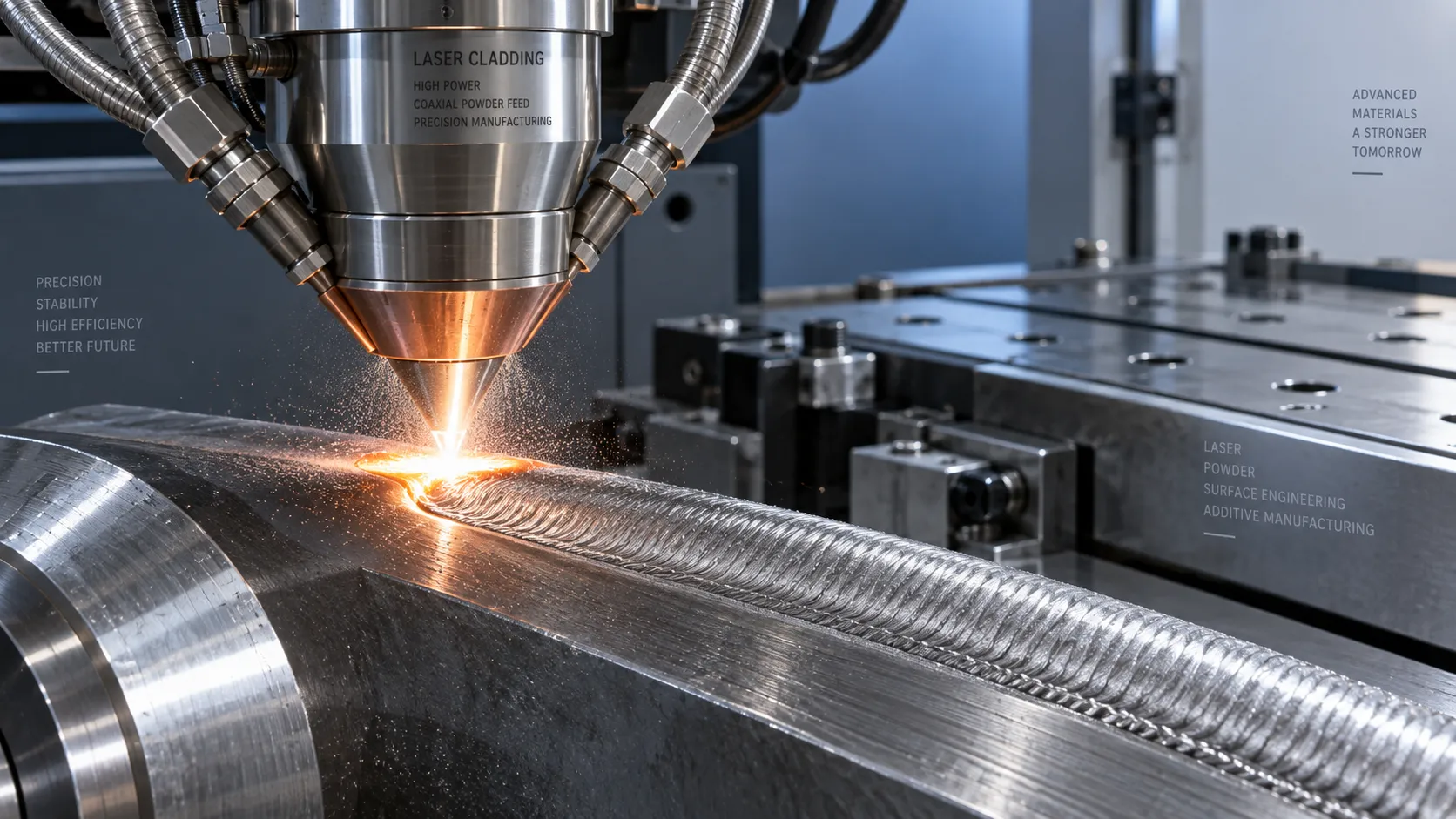
How high power laser cladding systems control substrate dilution
Discover how high power laser cladding systems control substrate dilution through beam shaping, material feed, and thermal management to deliver reliable bonds and coating performance.
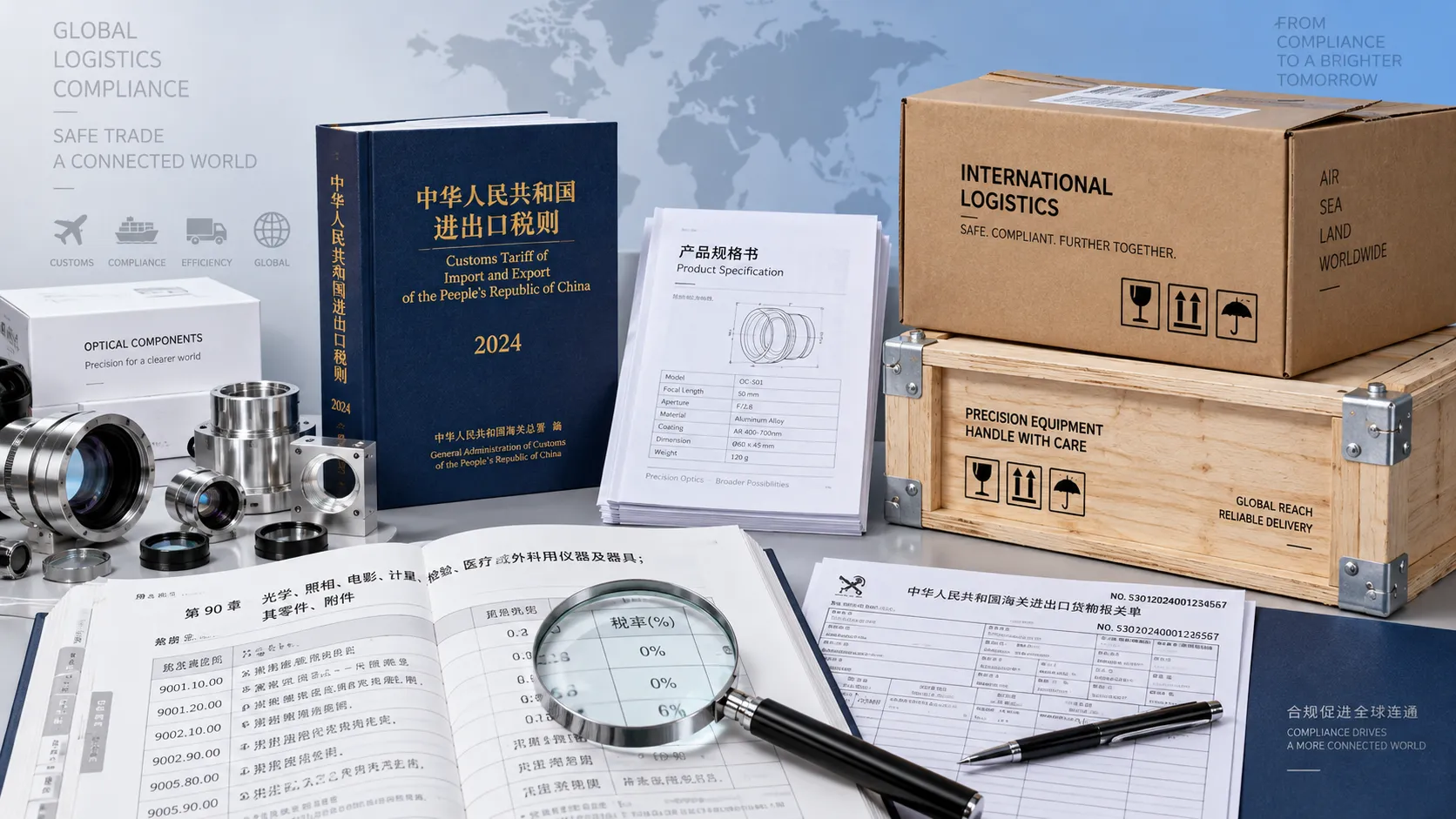
How to check HS codes for customs compliance in international logistics
Strengthen international logistics customs compliance: learn how to verify HS codes, check official tariffs, and document classifications to reduce costly shipment delays.
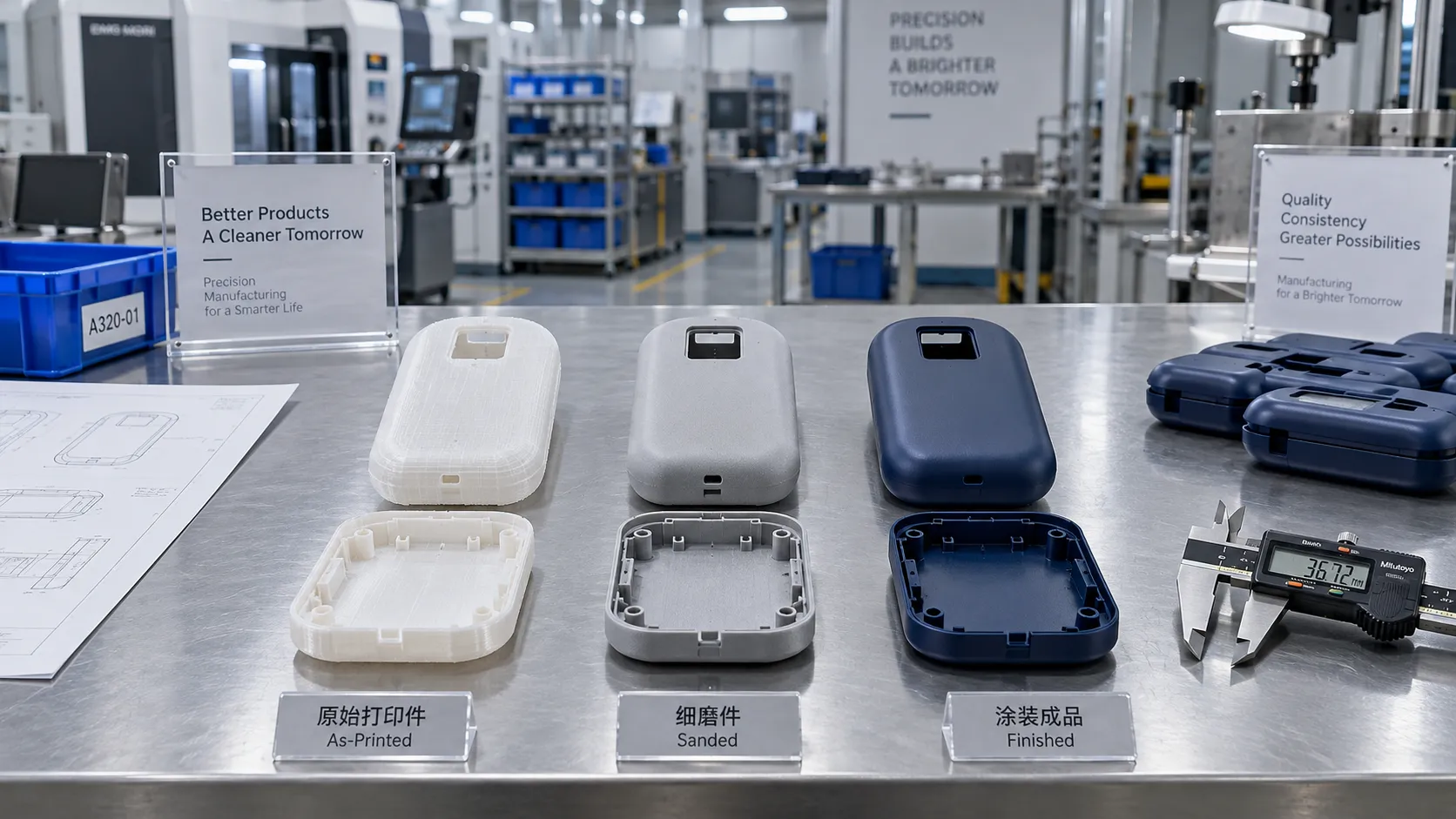
Choosing a 3D Printing Service for Consumer Products: Finish, Fit, and Cost
Compare 3d printing consumer good services by finish, fit, materials, and total cost. Learn how to choose a reliable supplier and avoid costly defects before ordering.
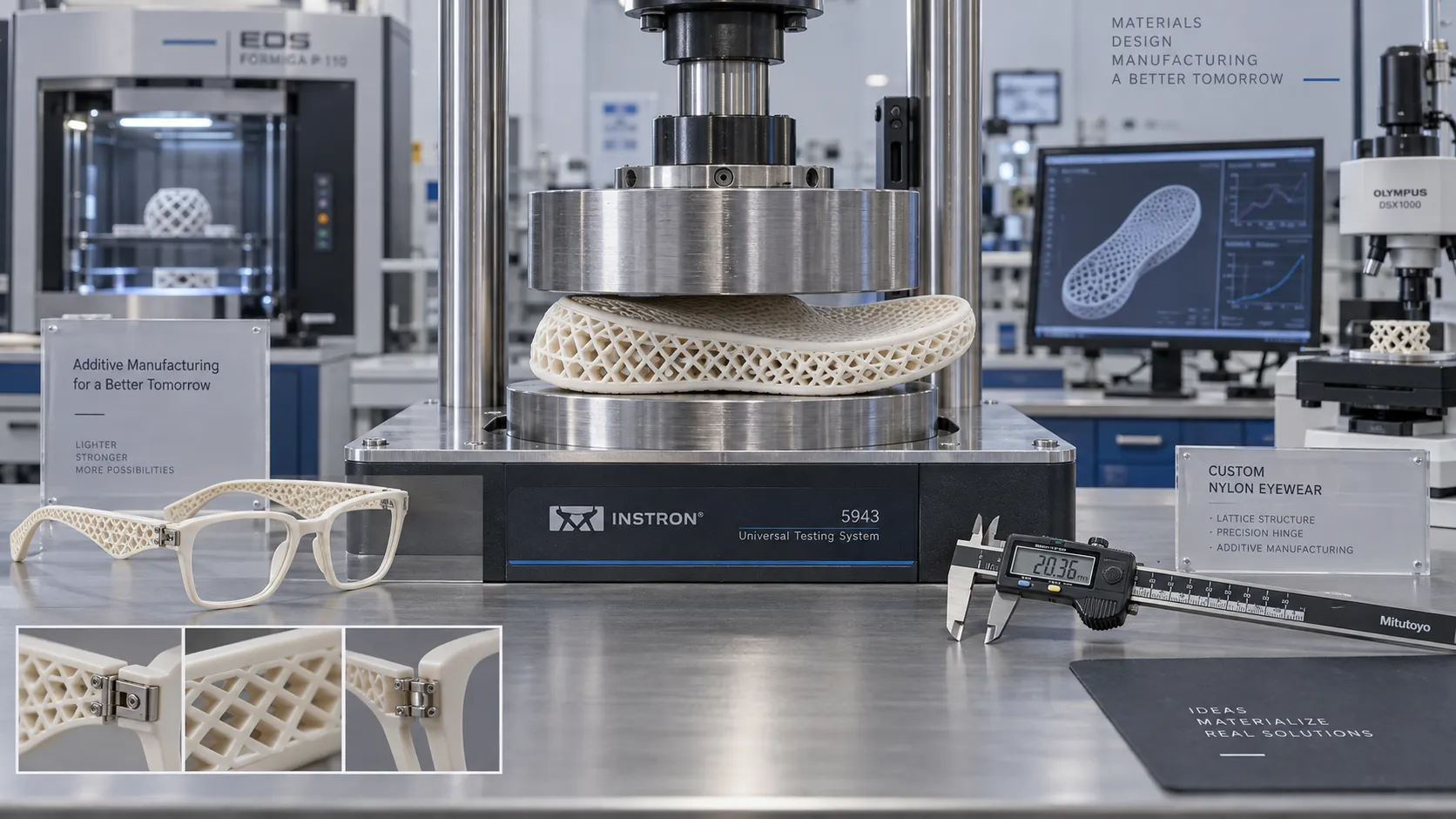
Which Consumer Goods Can Be 3D Printed, and What Are the Practical Limits?
Explore 3d printing consumer goods, from custom eyewear to replacement parts. Discover practical limits on materials, safety, and costs to make smarter production decisions.
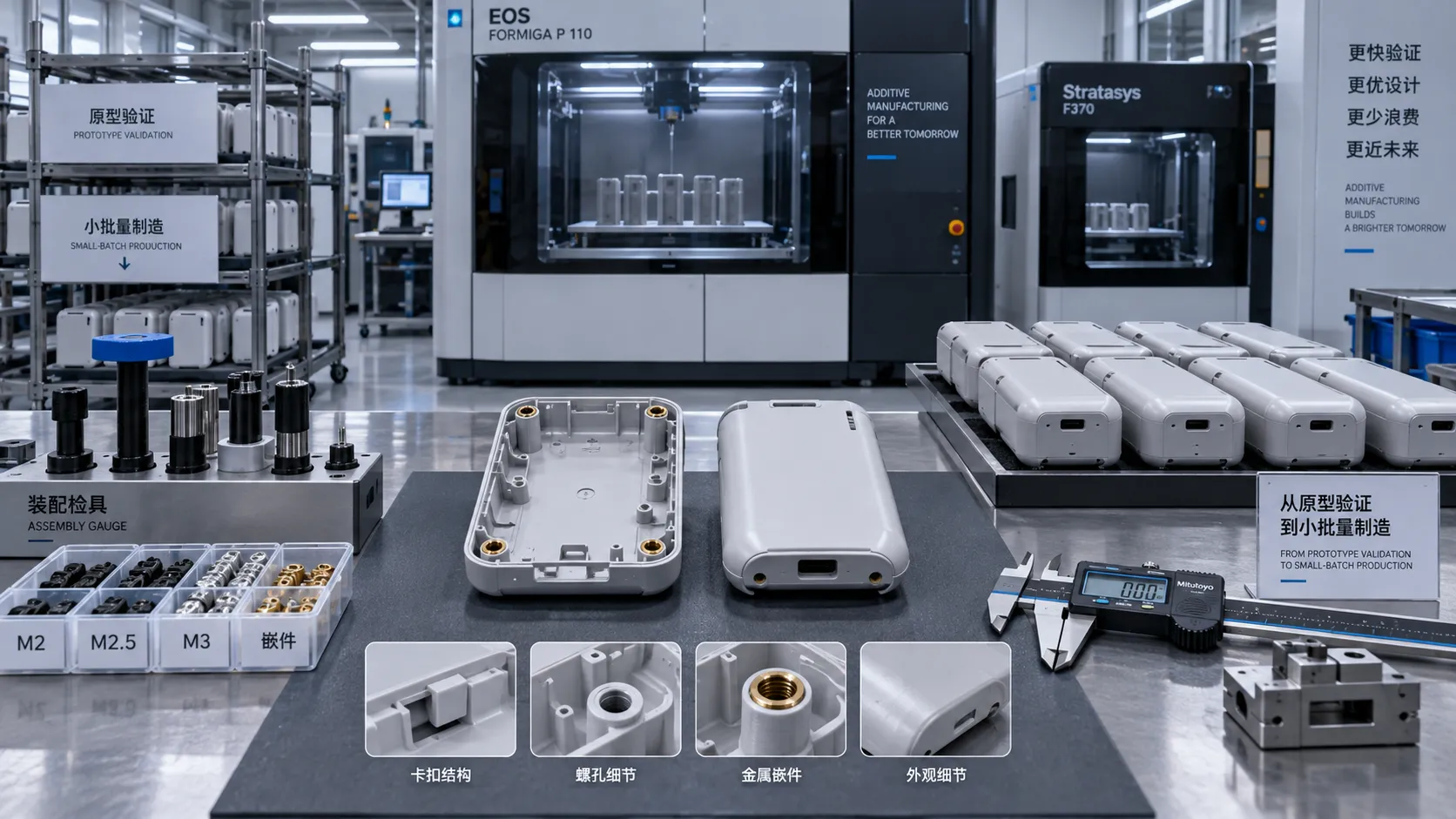
From Prototype to Small Batch: Applying 3D Printing to Consumer Goods
Explore 3d printing in consumer goods: learn how to move from prototype to small-batch production with practical guidance on materials, quality validation, and cost control.
Related News
- 00
0000-00
How to verify part consistency before choosing a 3D printing OEM - 00
0000-00
How does a rigid cryogenic transfer line handle thermal contraction? - 00
0000-00
How much does edge vision deployment cost beyond the hardware? - 00
0000-00
How does the purity of sputtering targets affect thin-film quality? - 00
0000-00
How high power laser cladding systems control substrate dilution
Dr. Victor Gear
Weekly Insights
Stay ahead with our curated technology reports delivered every Monday.