
Precision Manufacturing: When Vision Systems Pay Off

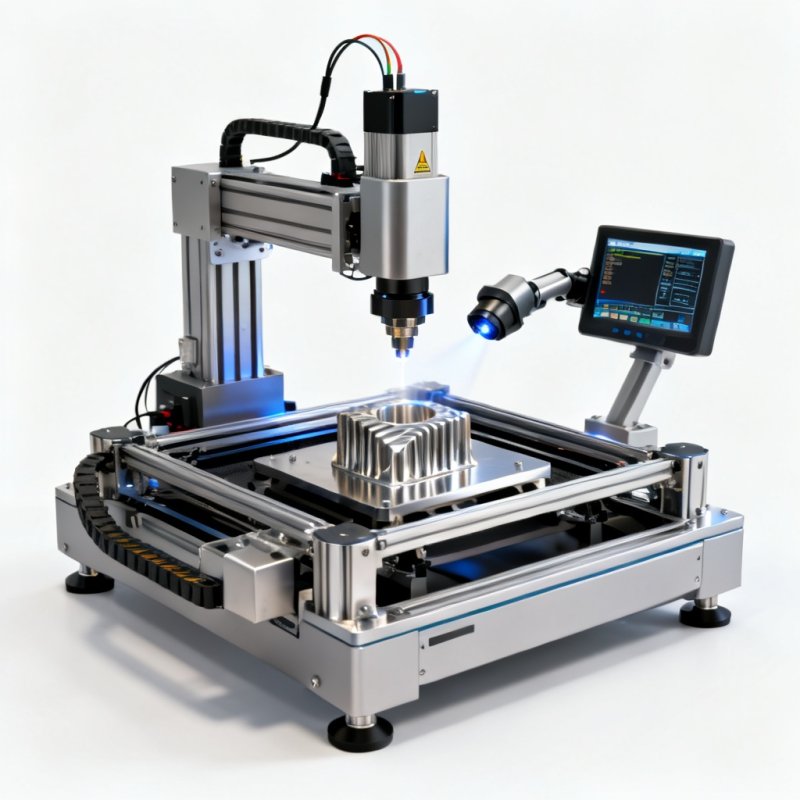
In precision manufacturing, vision systems pay off when accuracy, speed, and compliance directly affect output quality and ROI. From machine vision in metal 3D printers and additive manufacturing lines to inspection around fiber lasers and nanomaterials, buyers increasingly rely on clear technical specifications, industrial standards, and export control awareness to reduce risk and make smarter investment decisions.
For most manufacturers, the real question is not whether vision systems are useful, but when they generate measurable business value. The short answer: they pay off when inspection quality directly influences scrap rates, throughput, traceability, customer acceptance, or regulatory compliance. If defects are expensive, tolerances are tight, and manual inspection is inconsistent or too slow, a well-specified vision system can move from “nice to have” to “financially necessary.”
When do vision systems actually pay off in precision manufacturing?
The strongest return on investment usually appears in environments where even small defects create large downstream costs. This includes precision machining, electronics assembly, metal additive manufacturing, laser processing, semiconductor-related production, medical device manufacturing, battery production, and advanced materials handling.
Vision systems typically pay off fastest when they help solve one or more of the following problems:
- High scrap or rework costs: catching dimensional errors, surface defects, alignment issues, or contamination before value-added steps are completed.
- Manual inspection bottlenecks: replacing inconsistent human checks in high-mix or high-volume lines.
- Costly quality escapes: preventing defective parts from reaching customers, especially in regulated or mission-critical sectors.
- Need for process feedback: using inline inspection data to adjust upstream parameters in real time.
- Traceability requirements: recording inspection images and measurement data for audits, warranty analysis, or customer approval.
In other words, the more expensive a defect becomes as it moves downstream, the more likely a vision system will justify itself.
What decision-makers care about most before investing
Different stakeholders evaluate machine vision from different angles, but their concerns usually converge around five practical questions.
1. Will it improve yield or reduce total cost?
Enterprise decision-makers and procurement teams want proof that the system can reduce scrap, lower labor dependence, shorten inspection cycle time, or decrease field failures. They are less interested in generic AI claims and more interested in measurable plant-level impact.
2. Can it detect the defects that matter in our process?
Operators, quality managers, and project engineers need to know whether the system can reliably find the actual defects they face: porosity indicators in additive manufacturing, edge chipping, weld seam inconsistency, coating defects, dimensional drift, misalignment, contamination, or surface scratches.
3. How hard is integration?
A technically powerful system can still fail commercially if integration is slow, software is difficult to maintain, or it does not communicate well with PLCs, MES, SCADA, ERP, or line-control architecture. Project owners care about deployment risk as much as raw detection performance.
4. Is it compliant and future-proof?
In advanced industries, buyers increasingly evaluate systems against ISO, ASTM, IEEE, SEMI, and customer-specific validation requirements. For global sourcing teams, export control exposure, image sensor supply chain stability, cybersecurity, and software licensing models also matter.
5. What is the realistic payback period?
Commercial evaluators want a credible ROI model. In many precision applications, acceptable payback ranges from under 12 months to 24 months, depending on defect cost, inspection frequency, labor substitution, downtime reduction, and customer quality expectations.
How to tell whether your process is a strong fit for machine vision
Not every production step needs a sophisticated vision platform. The best candidates share a few common traits:
- Repeatable inspection conditions: stable lighting, known part positioning, controlled motion, and defined defect classes.
- Clear economic consequence: each missed defect or false reject has a measurable cost.
- Enough production volume or part value: the business case improves when inspection happens frequently or protects high-value output.
- Need for objective criteria: quality standards must be applied consistently across shifts, sites, or suppliers.
- Process complexity beyond human speed: inspection requires more precision, repeatability, or data logging than manual checks can deliver.
By contrast, vision payback may be weaker when product variation is extreme, defect definitions are vague, fixturing is poor, process instability is severe, or the organization expects the camera system to compensate for unresolved manufacturing fundamentals.
Where vision systems create the most value across advanced manufacturing workflows
In precision manufacturing, value often comes from placing inspection at the point where it can prevent compounding losses rather than simply documenting final quality.
Additive manufacturing and metal 3D printing
Machine vision can support powder bed monitoring, recoater behavior checks, layer consistency verification, part identification, post-build dimensional checks, and surface inspection. The payoff is strongest when the system helps detect build anomalies early enough to avoid wasting expensive powder, machine time, and downstream finishing capacity.
Fiber laser processing and welding
Vision systems are commonly used for seam tracking, part positioning, weld inspection, cut-edge verification, and process alignment. In laser-intensive operations, small positioning errors can lead to poor joint quality, scrap, and safety concerns. Inline vision improves repeatability and reduces operator dependence.
Electronics, micro-components, and precision assembly
In high-density assemblies, vision systems support component presence/absence checks, polarity verification, solder quality review, connector alignment, code reading, and dimensional measurement. Here, even minor defects can trigger field failures or customer returns, making automated inspection highly valuable.
Advanced materials and nanomaterial-related processes
Where coatings, thin layers, surface quality, or microstructural consistency matter, optical inspection helps standardize acceptance criteria. This is especially important when products move into aerospace, energy, semiconductor, or research-intensive applications.
What technical specifications matter more than marketing claims
One of the most common buying mistakes is focusing on camera resolution alone. In reality, system success depends on the full inspection chain.
Optics and lighting
Many inspection failures are caused by poor illumination strategy rather than poor image sensors. Brightfield, darkfield, backlighting, coaxial lighting, structured light, and multispectral approaches may each be appropriate depending on geometry and defect type.
Measurement repeatability
For precision applications, buyers should ask for gauge repeatability and reproducibility data, calibration methods, and performance under real production conditions, not just lab demonstrations.
Software robustness
Rule-based vision, AI-based defect classification, and hybrid models each have strengths. Buyers should evaluate training data quality, false positive rates, false negative risk, model maintenance needs, and explainability requirements.
Cycle time and latency
The system must inspect at line speed without creating a bottleneck. This includes image acquisition, processing, decision output, and communication with automation controls.
Data and system integration
Useful systems do more than flag defects. They connect inspection results to quality records, part genealogy, process dashboards, SPC tools, and continuous improvement programs.
How to build a realistic ROI case
A strong business case usually combines direct savings, avoided losses, and strategic benefits.
Direct financial gains may include reduced labor, lower scrap, fewer rework hours, less downtime from manual inspection delays, and lower customer return costs.
Avoided losses often create the largest hidden value. These include prevented shipment of defective parts, reduced warranty exposure, lower risk of customer line stoppage, and fewer compliance failures.
Strategic gains can include stronger traceability, easier customer qualification, more scalable quality control across sites, and better readiness for digital manufacturing initiatives.
A simple ROI evaluation should estimate:
- current defect rate and cost per defect
- manual inspection cost per shift or per unit
- false reject cost and acceptable threshold
- line speed impact
- integration and maintenance cost
- expected useful life of the system
If a system only saves labor but does not materially improve quality or throughput, the payback may be modest. If it prevents high-cost escapes or supports customer-mandated traceability, payback can be much faster than expected.
Common risks that delay or destroy payback
Even good technology underperforms when deployed with unrealistic assumptions. The most common issues include:
- Undefined defect criteria: teams cannot train or tune a system if “good” and “bad” are not clearly specified.
- Poor part presentation: unstable orientation or vibration undermines inspection reliability.
- Weak pilot validation: decisions made from small or unrepresentative sample sets produce disappointing real-world results.
- Ignoring maintenance needs: lenses, lighting, calibration, and software models require upkeep.
- Overreliance on AI branding: advanced algorithms do not remove the need for sound optical engineering and process control.
For buyers, this means vendor evaluation should include application evidence, validation methodology, support capability, and change-management planning—not just specifications on a brochure.
Why standards, traceability, and export control awareness matter in buyer decisions
In advanced industrial markets, technical performance alone is not enough. Procurement and compliance teams increasingly need systems aligned with recognized standards and regulatory expectations.
Inspection systems may need to support documented calibration, controlled software revisions, secure data handling, and auditable quality records. In some sectors, equipment configuration, imaging components, analytics software, or cross-border technical support may also raise export control or trade compliance considerations.
This is particularly relevant for multinational sourcing, Tier-1 supplier qualification, and projects involving sensitive manufacturing capabilities. A vision system that performs well but creates documentation gaps or compliance uncertainty can become a strategic liability.
What buyers should ask vendors before making a final decision
- Which defect classes has the system already proven in similar applications?
- What are the measured false accept and false reject rates under production conditions?
- How is the system calibrated, validated, and maintained over time?
- What industrial standards or customer protocols can it support?
- How does it integrate with existing automation and quality systems?
- What are the upgrade, service, and software lifecycle terms?
- Are there any sourcing, cybersecurity, or export control concerns tied to key components or software?
These questions help move the decision from technology enthusiasm to operational reality.
Conclusion
Vision systems pay off in precision manufacturing when they protect high-value output, reduce quality variation, support line-speed inspection, and deliver traceable decisions that manual methods cannot sustain. The best investments are not defined by camera resolution or AI buzzwords, but by fit: fit to defect risk, fit to process conditions, fit to compliance needs, and fit to business economics.
For operators and engineers, the priority is inspection reliability and integration. For procurement and business leaders, the priority is risk reduction, payback, and scalable quality performance. When those priorities align, machine vision becomes more than an inspection tool—it becomes a measurable competitive advantage.
Related News
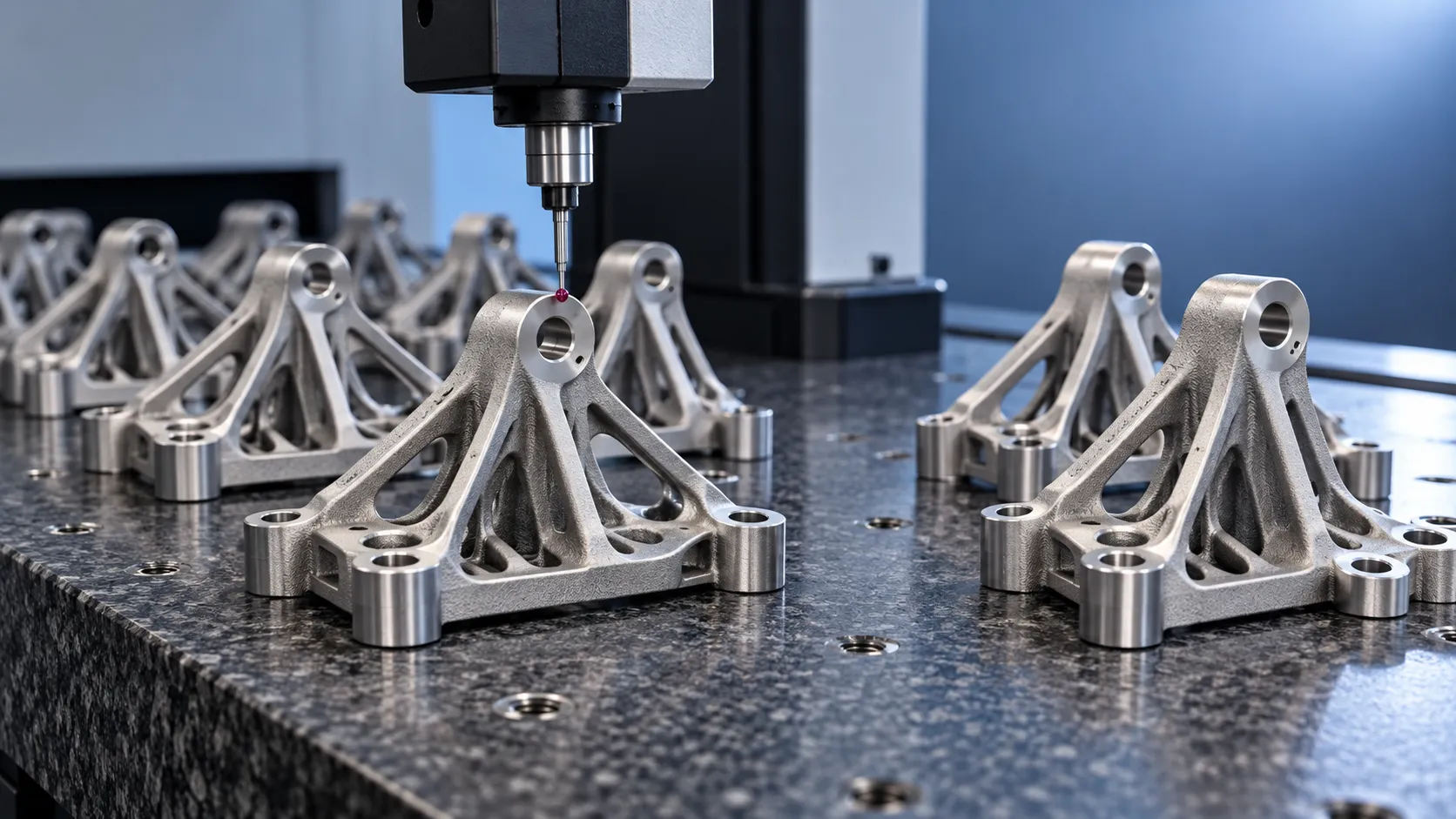
How to verify part consistency before choosing a 3D printing OEM
Choosing a 3D printing OEM? Learn how to verify part consistency with repeat-build trials, validated inspections, and traceability checks before committing to production.
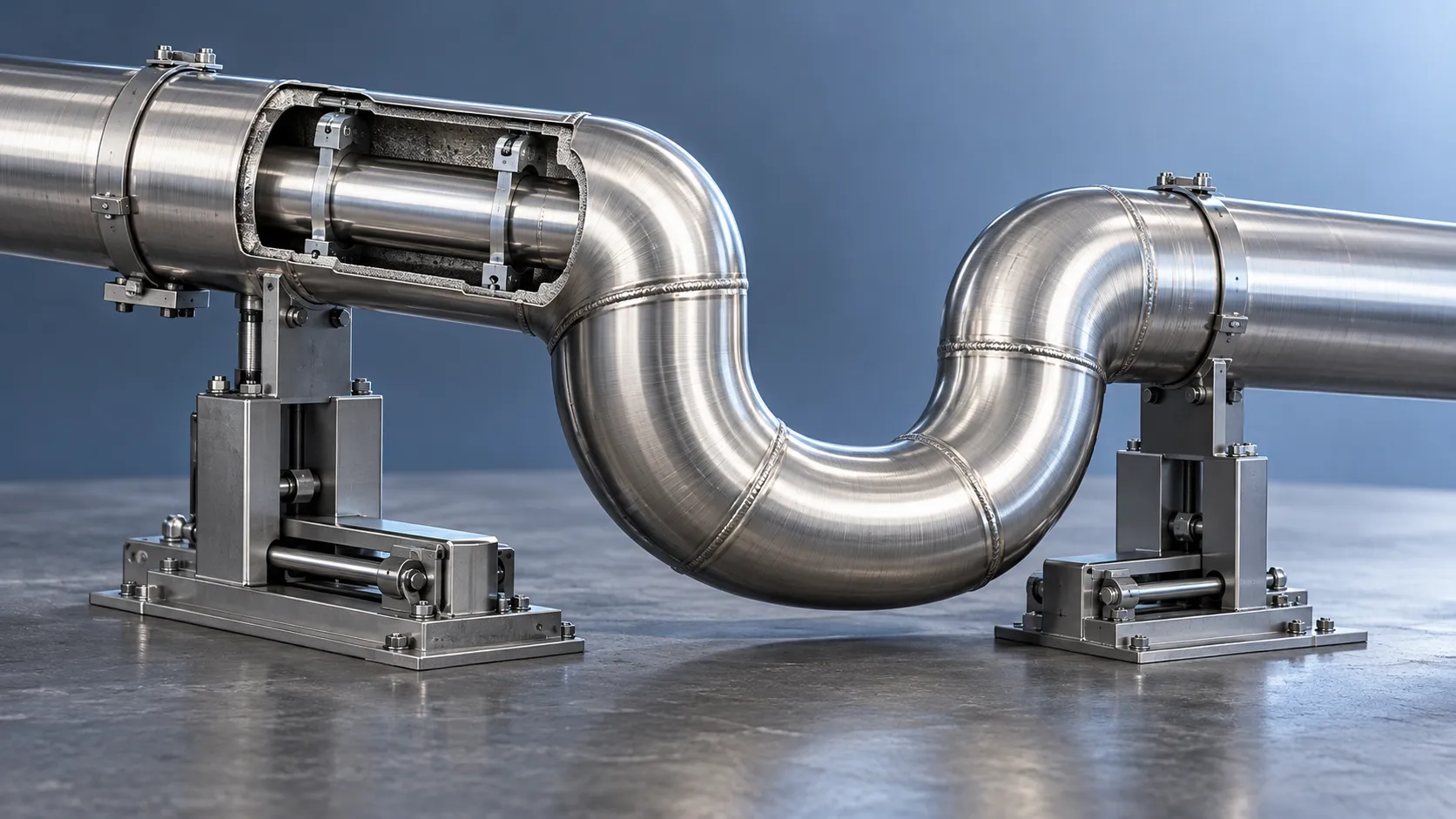
How does a rigid cryogenic transfer line handle thermal contraction?
Learn how a rigid cryogenic transfer line manages thermal contraction with bends, bellows, and guided supports. Discover key design checks for safe, reliable cryogenic performance.
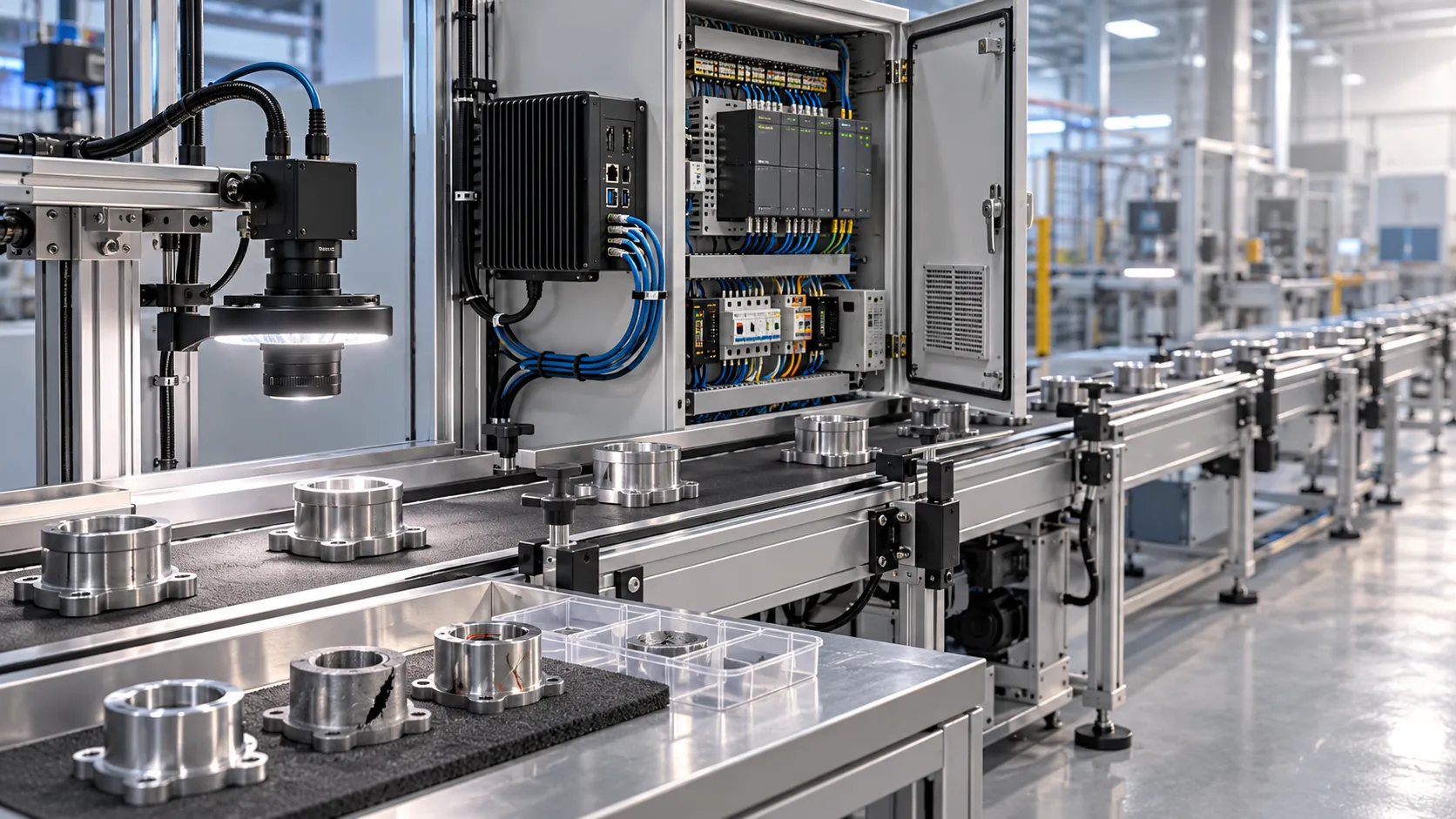
How much does edge vision deployment cost beyond the hardware?
Understand edge vision deployment cost beyond hardware, from data and integration to security and support. Uncover hidden expenses and build a smarter lifecycle budget before you scale.
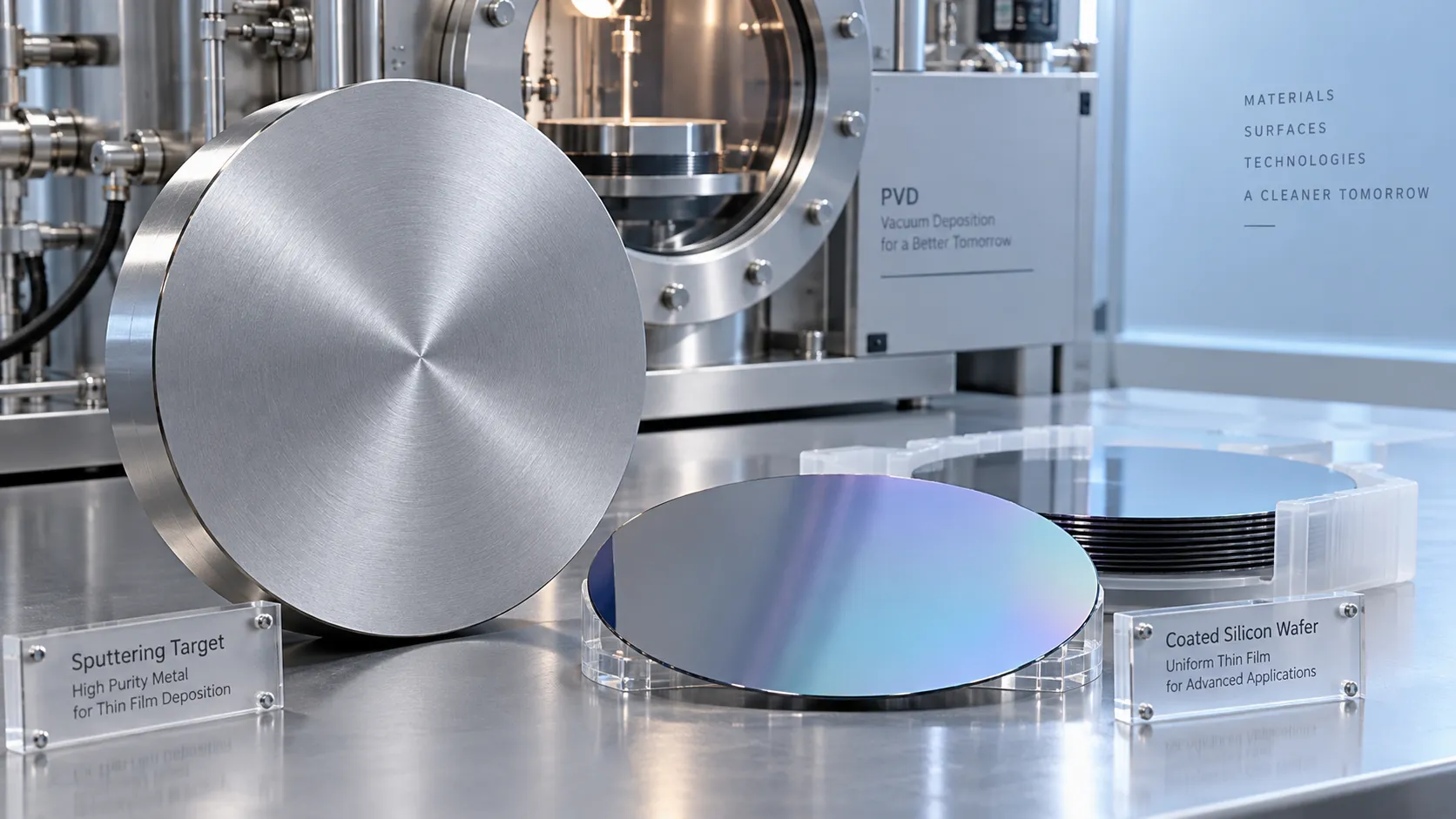
How does the purity of sputtering targets affect thin-film quality?
Discover how sputtering targets affect thin-film quality. Learn to assess purity, identify harmful impurities, and choose specifications that improve coating performance.
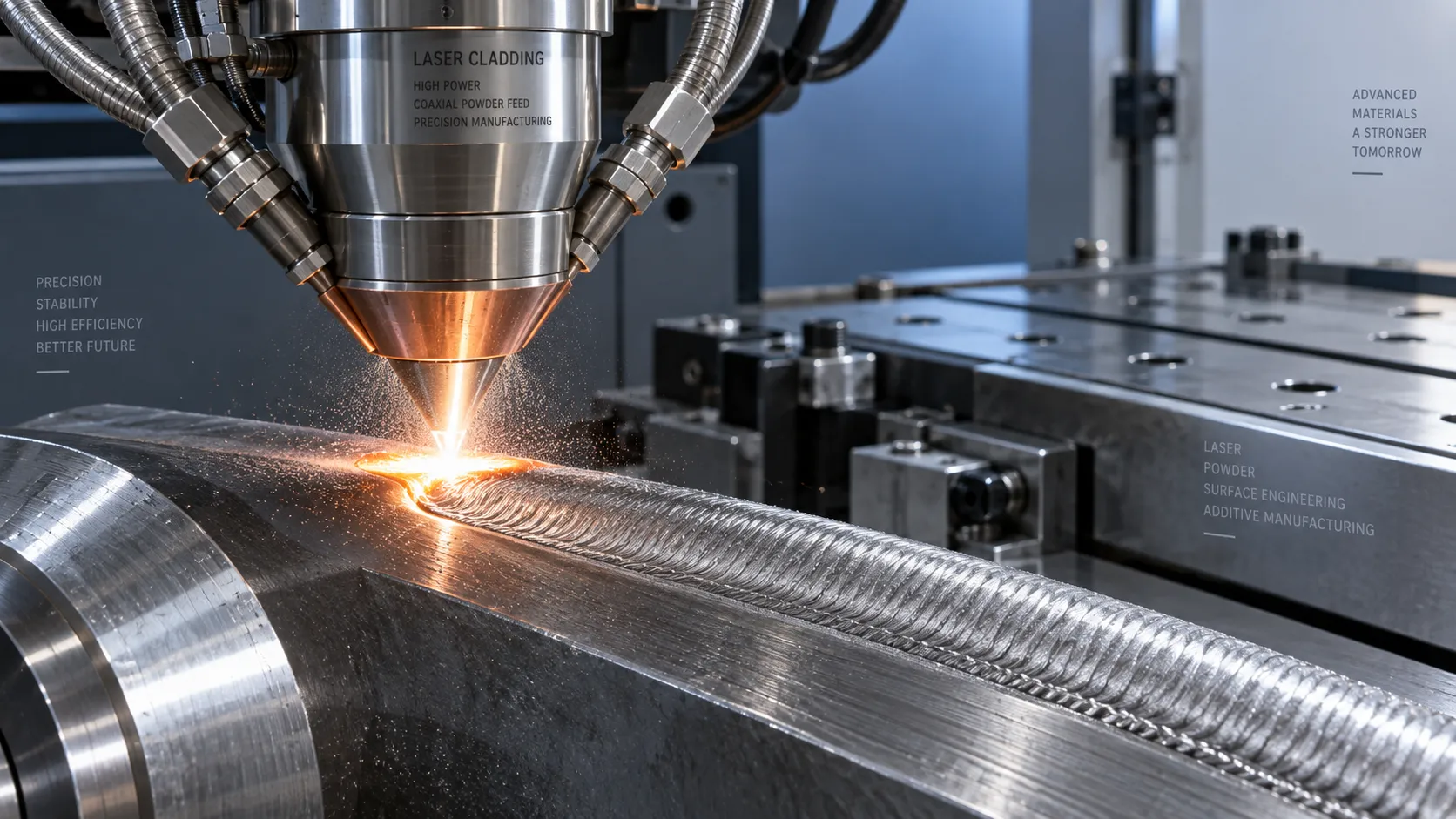
How high power laser cladding systems control substrate dilution
Discover how high power laser cladding systems control substrate dilution through beam shaping, material feed, and thermal management to deliver reliable bonds and coating performance.
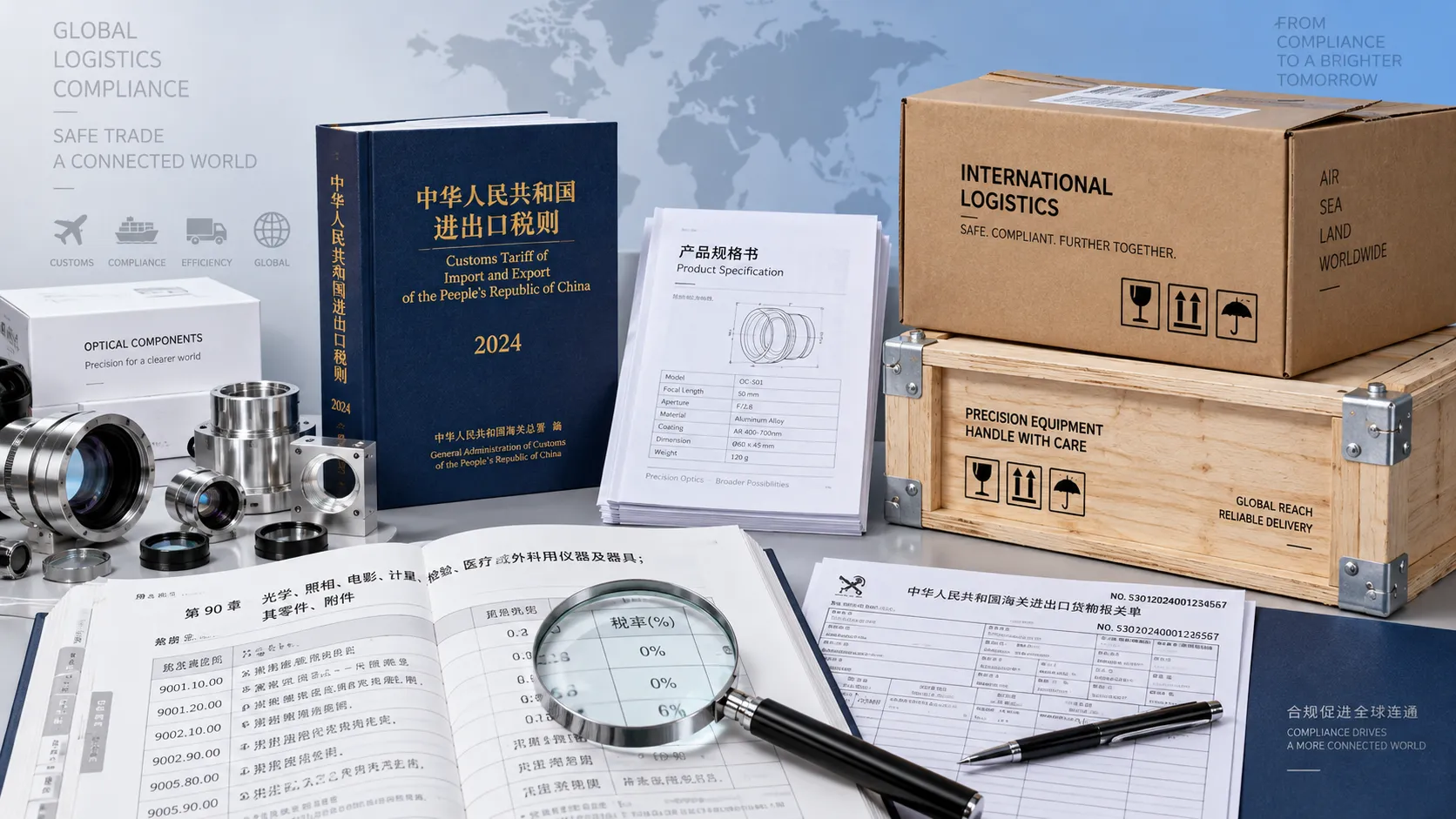
How to check HS codes for customs compliance in international logistics
Strengthen international logistics customs compliance: learn how to verify HS codes, check official tariffs, and document classifications to reduce costly shipment delays.
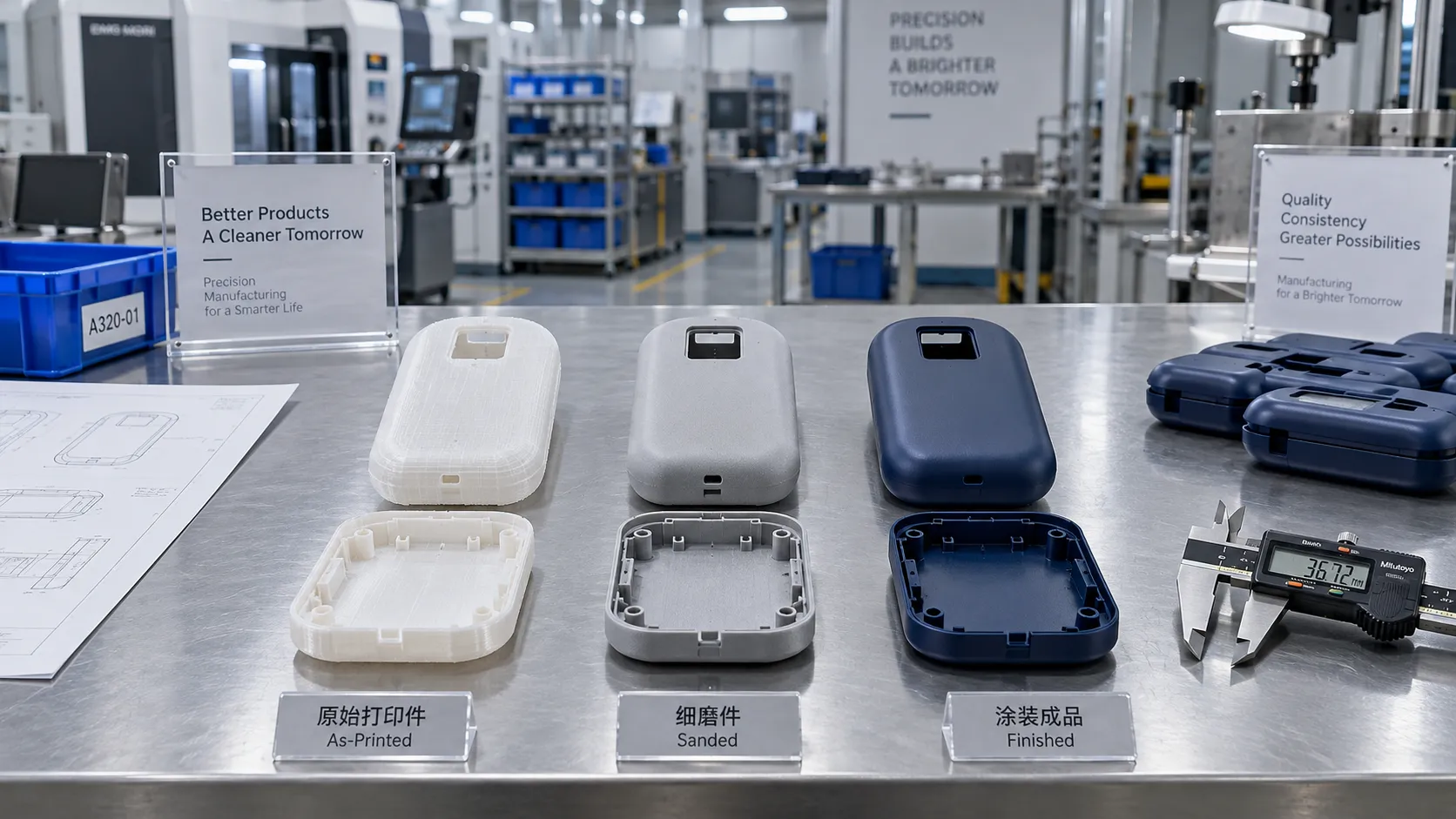
Choosing a 3D Printing Service for Consumer Products: Finish, Fit, and Cost
Compare 3d printing consumer good services by finish, fit, materials, and total cost. Learn how to choose a reliable supplier and avoid costly defects before ordering.
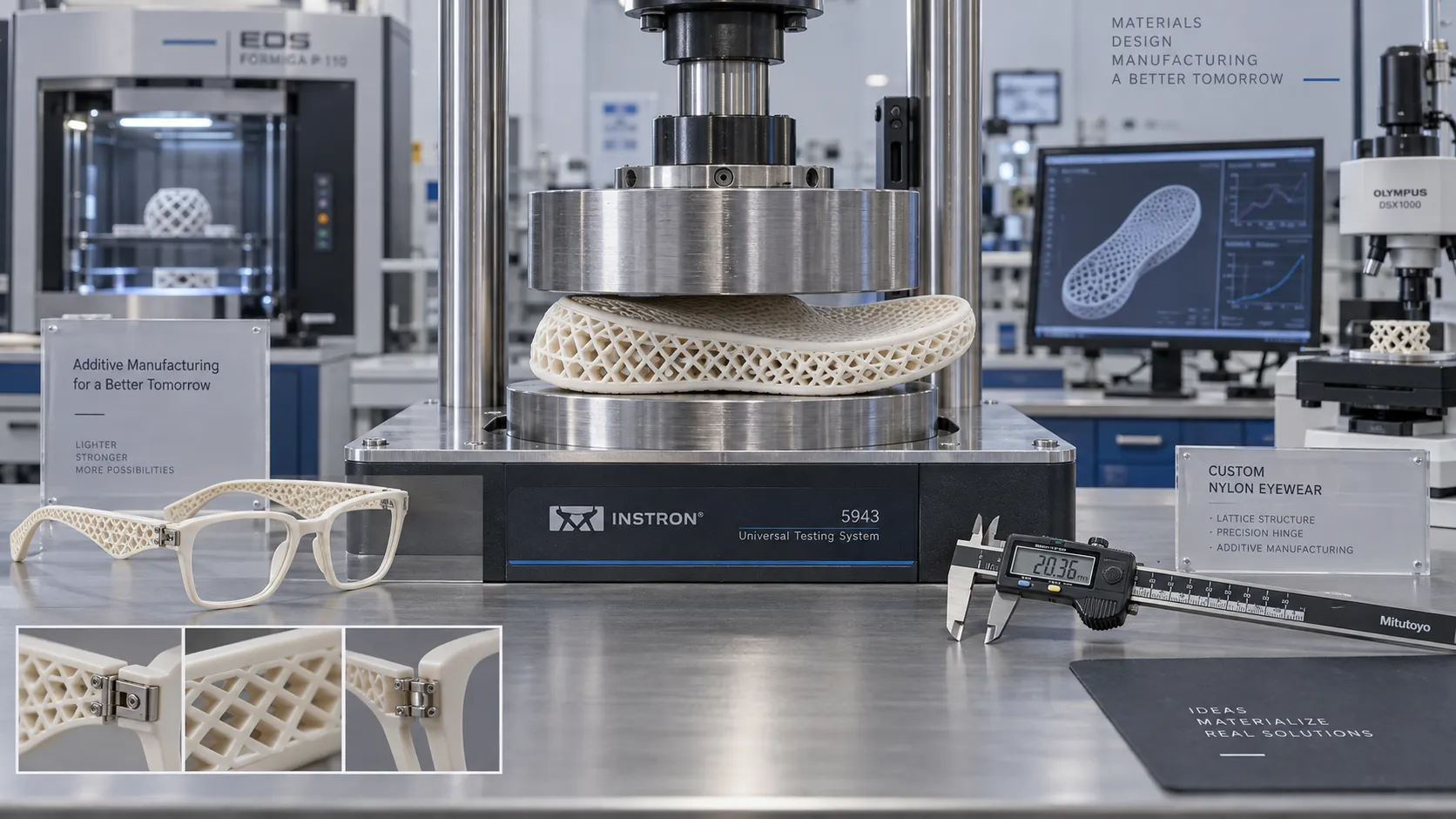
Which Consumer Goods Can Be 3D Printed, and What Are the Practical Limits?
Explore 3d printing consumer goods, from custom eyewear to replacement parts. Discover practical limits on materials, safety, and costs to make smarter production decisions.
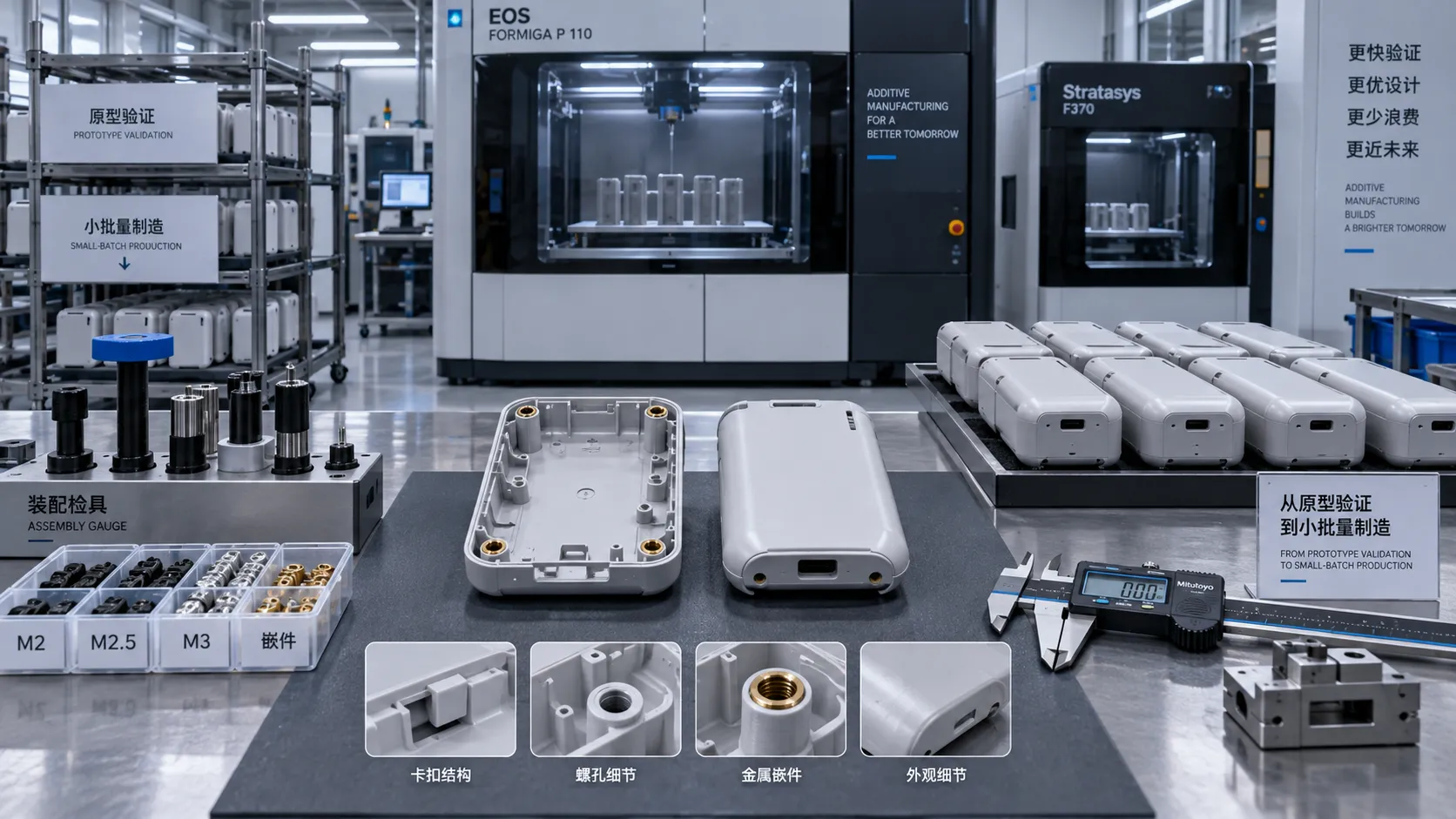
From Prototype to Small Batch: Applying 3D Printing to Consumer Goods
Explore 3d printing in consumer goods: learn how to move from prototype to small-batch production with practical guidance on materials, quality validation, and cost control.
Related News
- 00
0000-00
How to verify part consistency before choosing a 3D printing OEM - 00
0000-00
How does a rigid cryogenic transfer line handle thermal contraction? - 00
0000-00
How much does edge vision deployment cost beyond the hardware? - 00
0000-00
How does the purity of sputtering targets affect thin-film quality? - 00
0000-00
How high power laser cladding systems control substrate dilution
Dr. Victor Gear
Weekly Insights
Stay ahead with our curated technology reports delivered every Monday.