
Renewable energy technology innovations worth tracking in 2026

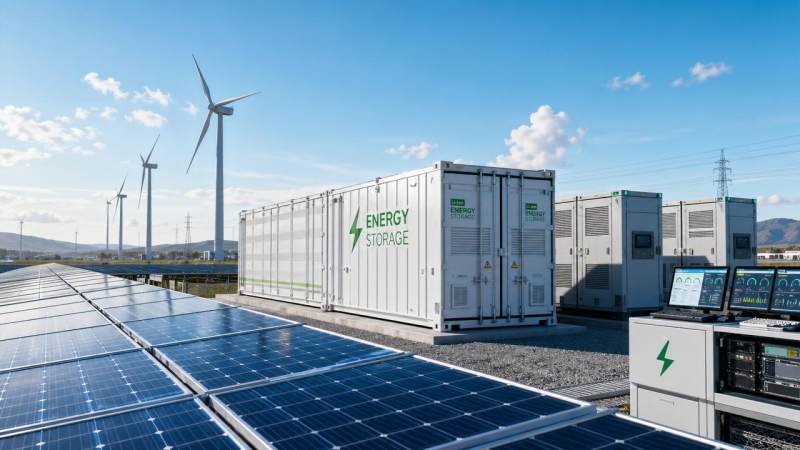
For technology evaluators planning ahead, renewable energy technology innovations are no longer peripheral trends but strategic factors shaping procurement, compliance, and long-term competitiveness in 2026. From next-generation storage and smart grid integration to advanced materials and precision manufacturing, the most valuable developments will be those that combine measurable performance gains with scalability, reliability, and regulatory readiness.
For this audience, the key question is not which clean-energy idea sounds most promising. It is which innovations are becoming sufficiently bankable, manufacturable, and standards-aligned to justify technical validation, pilot budgets, supplier engagement, or roadmap inclusion in the next 12 to 24 months. In other words, evaluators need signals of transition from laboratory novelty to deployable industrial value.
The most important conclusion for 2026 is that the strongest opportunities will likely come from technologies that improve system performance at the interfaces: storage paired with grid intelligence, advanced materials paired with manufacturability, power electronics paired with digital control, and energy generation paired with lifecycle transparency. The winners will not necessarily be the most disruptive on paper, but the ones that can prove reliability, supply-chain resilience, and integration readiness.
What is the real search intent behind tracking renewable energy technology innovations in 2026?
The underlying search intent is practical and evaluative. Readers searching this topic typically want a filtered view of which renewable energy technologies are worth tracking now, not a broad history of the energy transition. They are looking for a shortlist of innovations that may affect capital planning, procurement specifications, technical due diligence, and strategic partnerships in the near term.
For technology assessment teams, that means understanding more than performance headlines. They need to know whether a technology is moving toward scalable manufacturing, whether supporting standards and testing methods are maturing, whether key materials are constrained, and whether integration into existing assets is realistic. A technology with a modest efficiency gain but strong compatibility may matter more than one with impressive lab results and unclear deployment pathways.
This is why an effective review of renewable energy technology innovations in 2026 should focus on readiness indicators: validated performance metrics, bankability signals, quality control requirements, cybersecurity implications, serviceability, and exposure to policy or export-control changes. Those dimensions are what help evaluators translate market noise into actionable technical judgment.
What technology evaluators care about most before putting an innovation on the shortlist
Across industries, evaluators tend to ask a consistent set of questions. First, does the technology solve a meaningful constraint such as intermittency, grid instability, land-use pressure, cost volatility, or decarbonization compliance? Second, can it be manufactured and deployed at acceptable cost and quality levels? Third, are there credible suppliers, standards, and operating data to support adoption?
They also care deeply about integration burden. A technically superior subsystem can still fail commercially if it requires major redesign of inverters, thermal management, monitoring software, maintenance routines, or permitting workflows. For this reason, technologies that fit into current engineering ecosystems often advance faster than those demanding complete infrastructure replacement.
Another major concern is lifecycle risk. Technical assessment in 2026 increasingly extends beyond nameplate efficiency or power output. Buyers want to see durability under realistic duty cycles, availability of repair or replacement components, recyclability, embodied carbon data, and exposure to critical-mineral bottlenecks. In many sectors, lifecycle transparency is becoming part of qualification rather than a secondary sustainability narrative.
Advanced energy storage: the innovation category with the broadest near-term impact
If one area of renewable energy technology innovations deserves sustained monitoring in 2026, it is advanced energy storage. Storage is no longer just a balancing add-on for intermittent generation. It is becoming a central system asset for renewable integration, peak shaving, grid services, industrial resilience, and microgrid design. For evaluators, this means storage technologies should be judged not only on energy density, but also on safety profile, cycle life, response speed, and total system compatibility.
Lithium iron phosphate will remain important because of its cost, maturity, and safety advantages, but the more interesting developments may come from sodium-ion, solid-state approaches, and hybrid architectures designed for specific duty cycles. Sodium-ion is especially worth tracking where stationary applications can tolerate lower energy density in exchange for lower material-cost exposure and potentially improved supply security. It may not replace lithium broadly in 2026, but it could become strategically relevant in grid and backup applications.
Solid-state storage will continue attracting attention, yet technology evaluators should remain disciplined. The critical question is not whether solid-state cells can demonstrate high performance in controlled settings, but whether manufacturers can deliver consistent yields, thermal stability, interface durability, and pack-level economics at commercial scale. In many cases, semi-solid or hybrid chemistries may offer more realistic near-term value than fully disruptive architectures.
Long-duration energy storage also deserves close attention. Technologies such as iron-air, thermal storage, flow batteries, and gravity-based systems are appealing because they address a real system problem that short-duration batteries do not fully solve: multihour to multiday balancing. However, each option has very different land, maintenance, efficiency, and project-finance implications. Evaluators should compare them according to application context rather than treating long-duration storage as a single category.
Grid-edge intelligence and digital optimization are becoming inseparable from renewable performance
Another innovation theme worth tracking in 2026 is the fusion of renewable infrastructure with digital control, edge analytics, and AI-assisted optimization. Solar, wind, battery, and distributed energy assets are now expected to do more than generate or store power. They must respond dynamically to price signals, load conditions, power-quality events, and maintenance requirements. This shifts value creation toward software-defined energy operations.
For technology evaluators, the important innovations are not generic AI claims but specific capabilities: predictive maintenance based on vibration and thermal signatures, inverter-level optimization, digital twins for performance forecasting, autonomous dispatch for battery fleets, and machine-vision-enabled inspection of modules, blades, substations, and transmission assets. These tools can improve yield and reduce downtime, but only if data quality, sensor architecture, and cybersecurity are robust.
Interoperability will be a decisive filter. A platform that cannot integrate cleanly with SCADA systems, energy management systems, industrial controls, or utility communications protocols may create more complexity than value. As a result, digital renewable innovations should be assessed with the same rigor as physical hardware, including standards compliance, vendor lock-in risk, and long-term software support models.
This area also aligns strongly with broader industrial technology trends. Machine vision, optical inspection, and AI-based anomaly detection are not just manufacturing tools; they are increasingly relevant across energy asset operation and quality assurance. Evaluators should watch for suppliers that can demonstrate cross-domain competence in both energy systems and industrial-grade inspection reliability.
Solar innovation is shifting from pure efficiency headlines to manufacturable performance
Solar remains one of the most active areas in renewable energy technology innovations, but the evaluation criteria are changing. While cell efficiency still matters, technology teams in 2026 should pay closer attention to manufacturability, degradation behavior, supply-chain resilience, and performance in real operating environments. The biggest commercial gains may come from technologies that improve delivered energy yield and factory throughput rather than laboratory record figures alone.
Tandem solar, especially perovskite-silicon tandem designs, continues to be one of the most watched categories. Its appeal is obvious: higher conversion efficiency without completely abandoning the silicon ecosystem. Yet the main technical questions remain stability, encapsulation quality, process repeatability, moisture sensitivity, and scale-up economics. For evaluators, the most useful evidence will be field durability data and line-yield consistency, not pilot announcements.
There is also growing value in innovations around module architecture, coatings, backsheets, tracking systems, and inspection technologies. Anti-soiling surfaces, better thermal dissipation, improved crack detection, and more precise inline quality inspection can all materially affect levelized cost of electricity. These are sometimes less visible than breakthrough cell chemistry, but they may deliver faster and more reliable returns for commercial deployment.
Manufacturing technology deserves its own emphasis. Precision laser processing, advanced deposition, machine-vision alignment, and high-throughput metrology are becoming increasingly important in improving solar module consistency and reducing defects. For industrial buyers, this means the future of solar competitiveness is tied not only to material science but also to the sophistication of production engineering.
Wind and offshore systems: value will come from reliability, materials, and maintenance intelligence
Wind innovation in 2026 is likely to be judged less by the idea of simply building larger turbines and more by how effectively the industry improves blade durability, drivetrain reliability, offshore serviceability, and project predictability. For evaluators, this means looking closely at advanced composites, sensor integration, corrosion control, and digital maintenance systems rather than focusing only on capacity ratings.
Blade materials and structural health monitoring are especially important. New resin systems, recyclable composite approaches, embedded sensing, and AI-based inspection can reduce maintenance uncertainty and extend asset life. This has direct relevance to procurement and bankability because blade failure and maintenance access remain major cost and risk drivers, especially offshore.
Floating offshore wind is another area worth tracking, but with caution. Its strategic relevance is high because it opens deeper-water geographies, yet deployment complexity is significant. Mooring systems, subsea cables, installation logistics, port infrastructure, and maintenance planning all affect commercial viability. Evaluators should therefore distinguish between technical feasibility and near-term deployment readiness.
Wind technologies also illustrate an important 2026 pattern: some of the most valuable renewable energy technology innovations are incremental but compounding. Better coatings, better inspection, better predictive analytics, and better materials qualification may not look transformative individually, but together they can materially improve asset economics and reduce operational surprises.
Hydrogen, e-fuels, and power-to-X: strategically important, but application discipline is essential
Hydrogen-related innovation will remain prominent in 2026, especially in electrolyzers, balance-of-plant efficiency, storage materials, and industrial integration pathways. However, technology evaluators should resist broad enthusiasm unsupported by use-case economics. Hydrogen is not equally compelling across all sectors. Its strongest logic remains in hard-to-abate industrial processes, long-duration storage under certain conditions, and feedstock substitution where direct electrification is difficult.
Electrolyzer innovation is worth tracking closely, especially improvements in stack durability, catalyst loading, dynamic response to intermittent renewables, and manufacturing throughput. Advances in PEM, alkaline, and solid oxide systems each matter, but their suitability depends heavily on operating profile, water purity, heat integration, and project scale. In 2026, supplier maturity and service support may be as important as stack efficiency.
Power-to-X pathways, including green ammonia and synthetic fuels, also deserve attention where energy transport, maritime applications, or chemical feedstocks justify conversion losses. Yet these systems are infrastructure-intensive and highly dependent on policy, offtake certainty, and carbon accounting methodology. The key evaluation task is to identify where these pathways solve a real system problem rather than where they are being promoted as universal solutions.
Advanced materials and enabling manufacturing will influence who scales first
Many of the most important renewable energy technology innovations in 2026 will be enabling rather than visible. High-performance coatings, nano-engineered interfaces, graphene-enhanced thermal materials, vacuum processing, cryogenic support systems for specialized applications, and precision inspection tools can determine whether a promising renewable technology reaches commercial reliability. These are not side stories; they are often the hidden basis of scale.
For example, improved thermal interface materials can enhance battery safety and longevity. Better barrier coatings can improve solar durability. Advanced vacuum processes can support high-quality thin-film deposition. Machine-vision-based inspection can reduce defect escape rates in battery cells, modules, and power electronics. In each case, the innovation may sit within the manufacturing stack rather than the final energy asset, but its commercial impact can be substantial.
This matters particularly for technology evaluators working in industrial or procurement contexts. The strongest strategic opportunities may come not from betting on a single high-profile energy platform, but from identifying enabling technologies that serve multiple renewable markets. Cross-platform enablers often provide more resilient investment logic because they are tied to manufacturing quality, process control, and system reliability across sectors.
How to evaluate which innovations are truly worth tracking in 2026
A useful evaluation framework starts with six filters: performance gain, manufacturability, integration burden, standards maturity, supply-chain resilience, and lifecycle risk. If a technology scores well in only one or two of these areas, it may still be interesting, but it is probably not yet a strategic priority. Technologies worth active tracking usually show balanced progress across multiple dimensions.
Next, separate market narrative from validation evidence. Ask whether reported performance comes from cell, component, subsystem, or full-system testing. Check whether the operating conditions are realistic, whether degradation data is available, and whether independent certification or field data exists. A technology may appear advanced in presentations while remaining immature in commercial engineering terms.
It is also essential to match innovation type to organizational need. A utility-scale developer, an industrial energy user, a manufacturing OEM, and a government-backed infrastructure fund will not prioritize the same technologies. Shortlisting should begin with the problem to be solved: resilience, decarbonization, cost reduction, power quality, energy independence, or future compliance. The right innovation is the one that improves that specific outcome with acceptable risk.
Finally, maintain a watchlist rather than forcing premature decisions. In 2026, the renewable landscape will reward organizations that track leading indicators consistently: pilot-to-commercial conversion, factory expansion quality, standards adoption, insurance acceptance, service network development, and policy durability. Good technical evaluation is not about predicting a single winner; it is about knowing which technologies are crossing the threshold into operational credibility.
Conclusion: the renewable innovations worth tracking are the ones proving industrial readiness
The most important renewable energy technology innovations in 2026 will not be defined only by breakthrough claims. They will be defined by their ability to deliver measurable value under real operating conditions, fit into existing industrial and grid environments, and scale within credible quality and regulatory frameworks. For technology evaluators, that means the center of gravity is shifting from novelty to deployability.
Advanced storage, grid-edge intelligence, manufacturable solar improvements, reliability-driven wind technologies, focused hydrogen applications, and enabling materials and process technologies all deserve attention. But they should not be tracked equally. The highest-priority innovations are those addressing current bottlenecks while showing evidence of standards alignment, manufacturability, and lifecycle robustness.
In practical terms, 2026 is likely to reward disciplined observers. Organizations that evaluate renewable technologies through the combined lenses of performance, integration, reliability, and industrial scalability will be better positioned to make sound procurement choices and avoid trend-driven misallocation. The technologies worth tracking are the ones moving beyond promise and into repeatable, verifiable execution.
Related News

How to verify part consistency before choosing a 3D printing OEM
Choosing a 3D printing OEM? Learn how to verify part consistency with repeat-build trials, validated inspections, and traceability checks before committing to production.
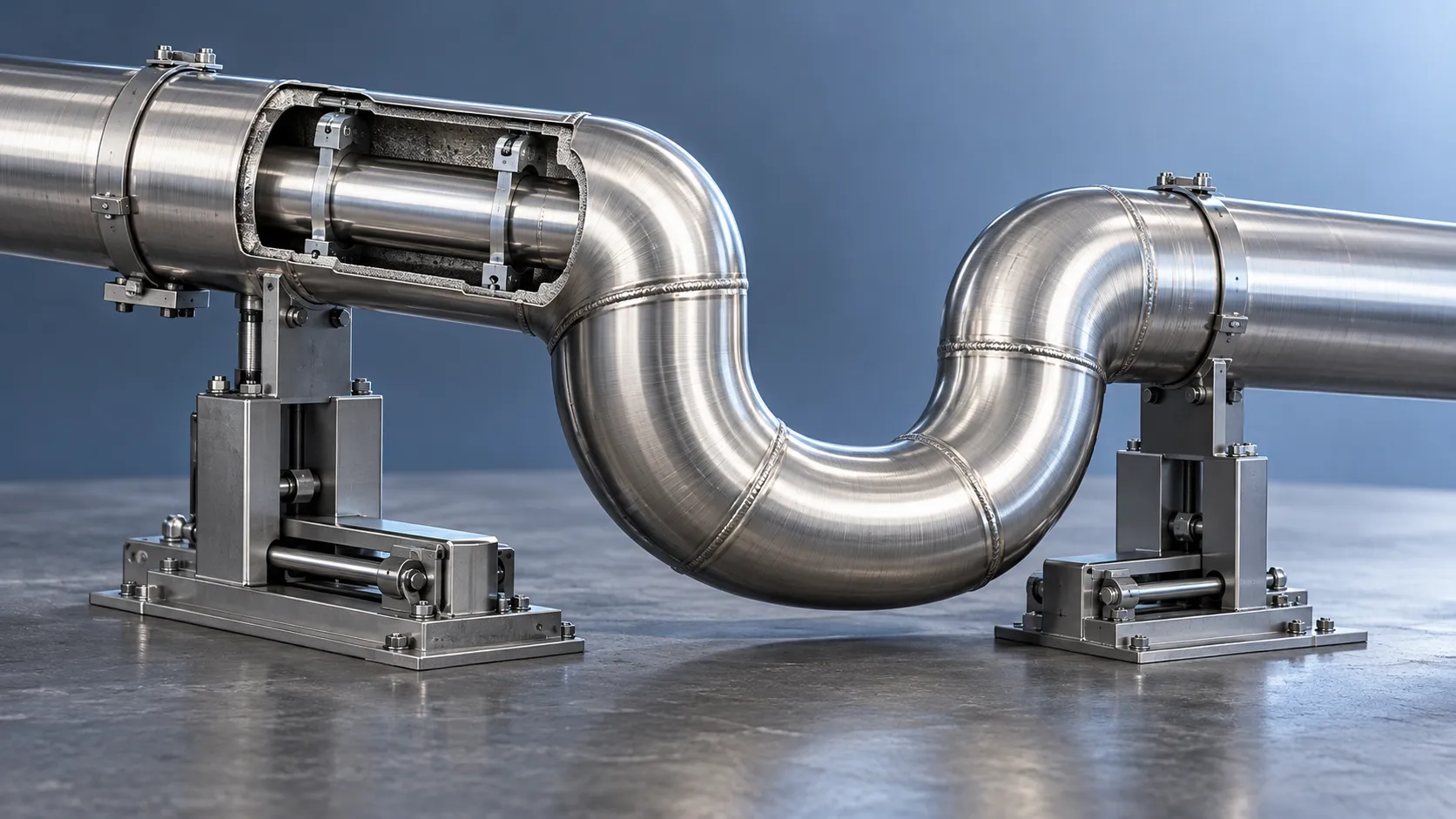
How does a rigid cryogenic transfer line handle thermal contraction?
Learn how a rigid cryogenic transfer line manages thermal contraction with bends, bellows, and guided supports. Discover key design checks for safe, reliable cryogenic performance.

How much does edge vision deployment cost beyond the hardware?
Understand edge vision deployment cost beyond hardware, from data and integration to security and support. Uncover hidden expenses and build a smarter lifecycle budget before you scale.

How does the purity of sputtering targets affect thin-film quality?
Discover how sputtering targets affect thin-film quality. Learn to assess purity, identify harmful impurities, and choose specifications that improve coating performance.

How high power laser cladding systems control substrate dilution
Discover how high power laser cladding systems control substrate dilution through beam shaping, material feed, and thermal management to deliver reliable bonds and coating performance.

How to check HS codes for customs compliance in international logistics
Strengthen international logistics customs compliance: learn how to verify HS codes, check official tariffs, and document classifications to reduce costly shipment delays.
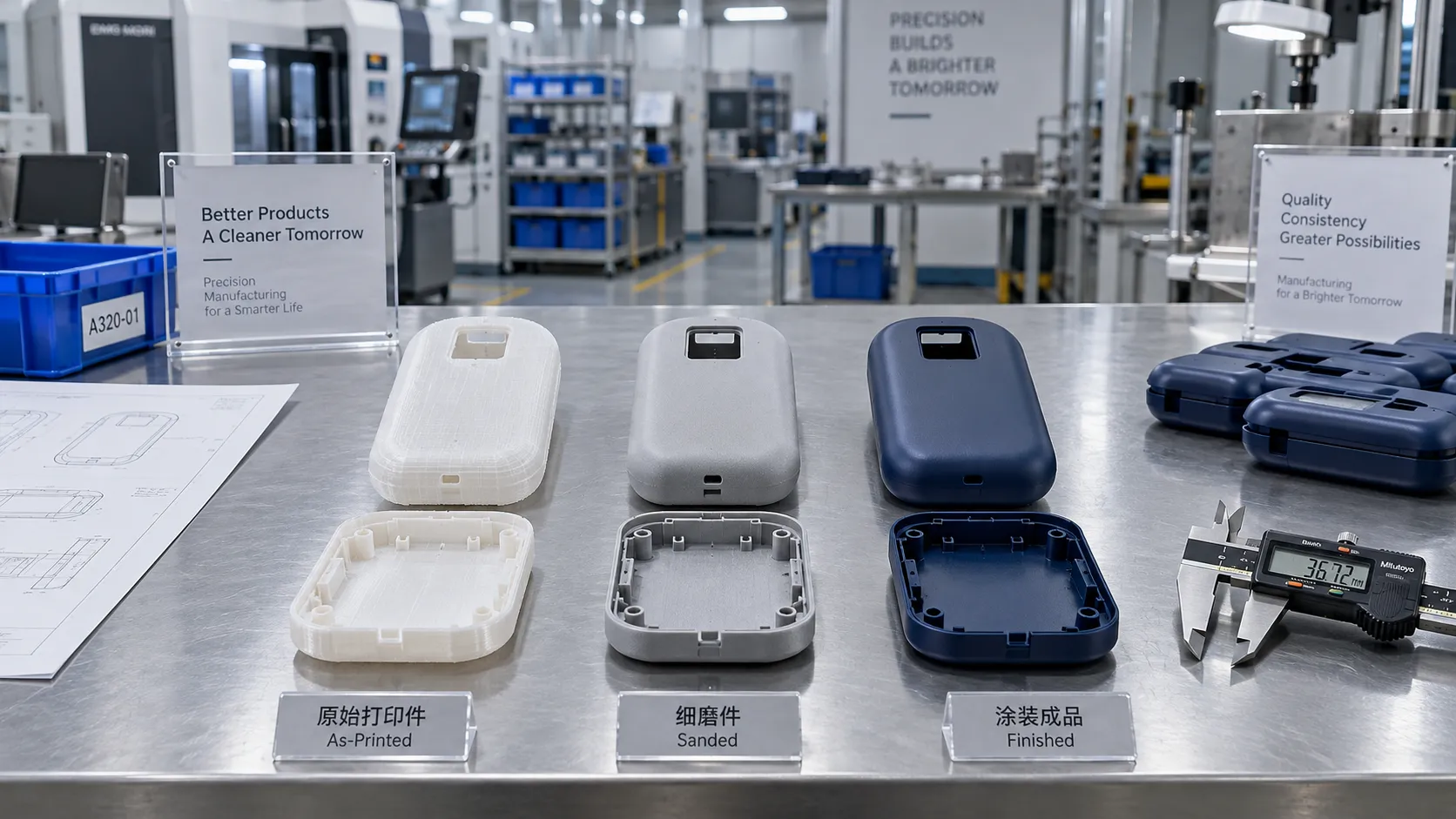
Choosing a 3D Printing Service for Consumer Products: Finish, Fit, and Cost
Compare 3d printing consumer good services by finish, fit, materials, and total cost. Learn how to choose a reliable supplier and avoid costly defects before ordering.

Which Consumer Goods Can Be 3D Printed, and What Are the Practical Limits?
Explore 3d printing consumer goods, from custom eyewear to replacement parts. Discover practical limits on materials, safety, and costs to make smarter production decisions.
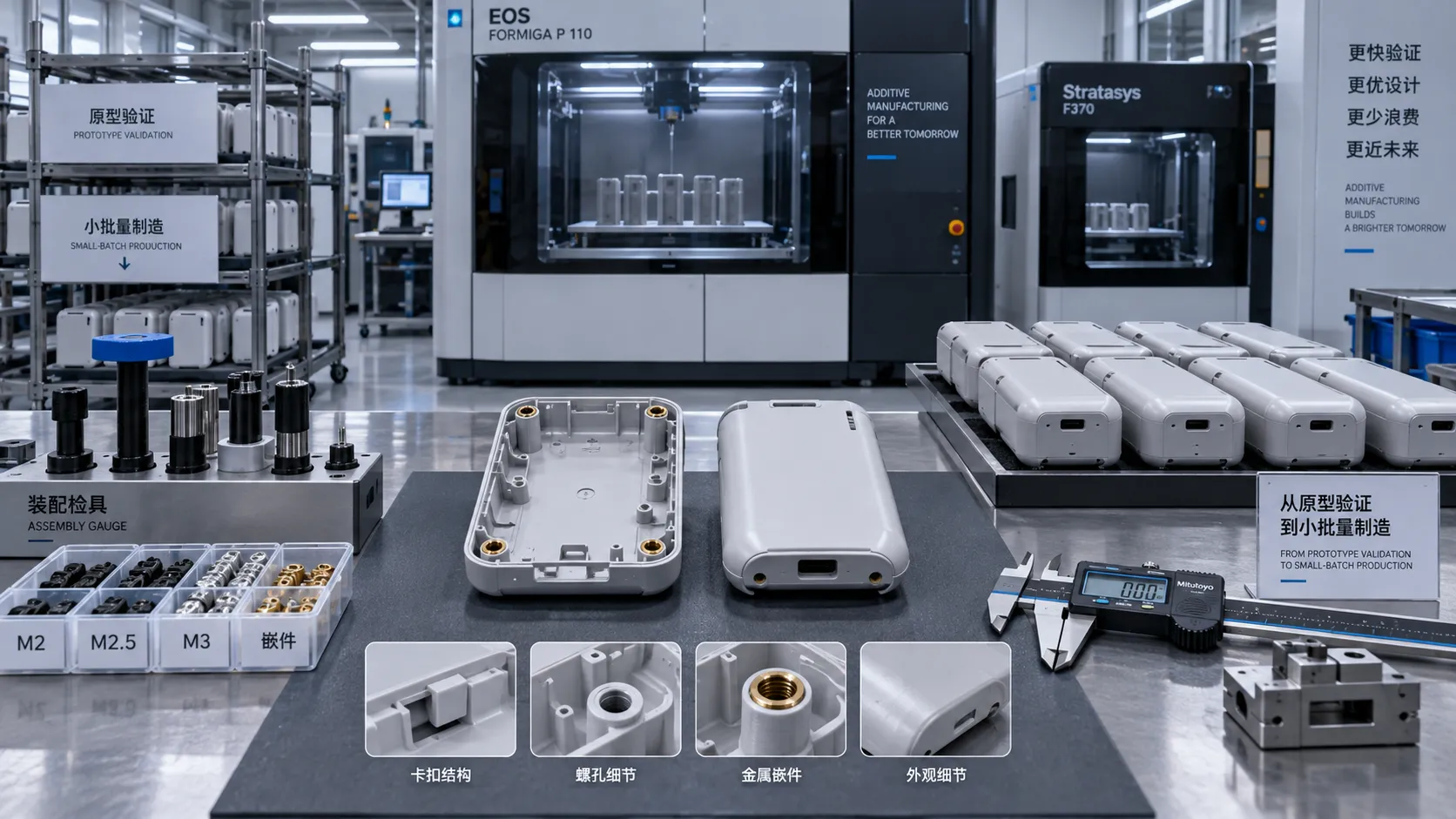
From Prototype to Small Batch: Applying 3D Printing to Consumer Goods
Explore 3d printing in consumer goods: learn how to move from prototype to small-batch production with practical guidance on materials, quality validation, and cost control.
Related News
- 00
0000-00
How to verify part consistency before choosing a 3D printing OEM - 00
0000-00
How does a rigid cryogenic transfer line handle thermal contraction? - 00
0000-00
How much does edge vision deployment cost beyond the hardware? - 00
0000-00
How does the purity of sputtering targets affect thin-film quality? - 00
0000-00
How high power laser cladding systems control substrate dilution
Dr. Julian Volt
Weekly Insights
Stay ahead with our curated technology reports delivered every Monday.