
How Sustainable Vacuum Technology is Shaping Green Manufacturing

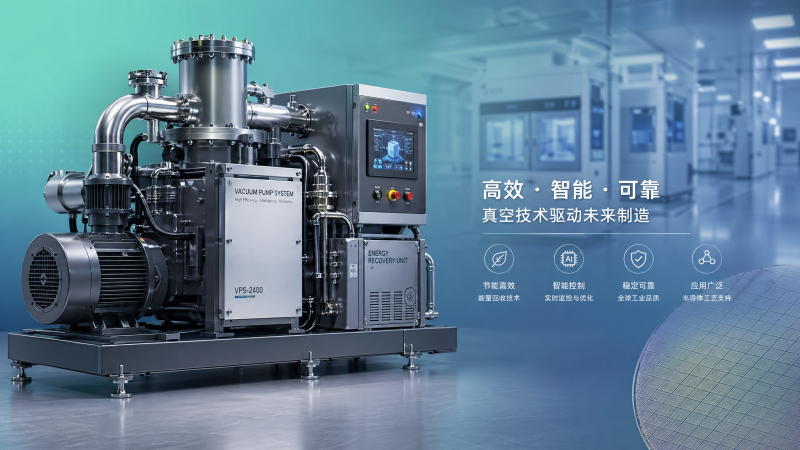
What is sustainable vacuum technology and why does it matter for green manufacturing?
Discover how sustainable vacuum technology is revolutionizing green manufacturing in our latest industry analysis. As global industries prioritize eco-friendly production, advanced vacuum solutions are emerging as game-changers for energy efficiency and reduced environmental impact. This article explores cutting-edge innovations in sustainable vacuum technology news that project managers and engineering leaders need to know to stay competitive in environmentally conscious manufacturing.
Sustainable vacuum technology refers to systems designed with energy recovery mechanisms, reduced leak rates (below 10-9 mbar·l/s), and smart controls that minimize power consumption by 30-50% compared to conventional models. These innovations directly address two critical pain points for manufacturing project managers: achieving ISO 14001 environmental compliance and reducing operational energy costs, which typically account for 15-25% of total production expenses in precision industries.
The technology's importance stems from its dual impact: a single high-efficiency vacuum system can reduce CO2 emissions by 8-12 metric tons annually while maintaining the ultra-clean environments (Class 100-1000) required for semiconductor, pharmaceutical, and aerospace manufacturing. Leading adopters report 18-22 month ROI periods through energy savings alone, making it a strategic investment for sustainability-focused operations.
Key components of sustainable vacuum systems
- Regenerative blowers with 65-75% energy recovery rates
- AI-powered leak detection systems reducing gas losses by 40%
- Dry (oil-free) pumps eliminating hazardous waste generation
- Modular designs allowing partial system operation during low-demand periods
Which manufacturing sectors benefit most from sustainable vacuum solutions?
The adoption patterns reveal clear industry leaders in sustainable vacuum technology implementation. According to G-AIT's 2023 benchmarking data, these sectors demonstrate the strongest ROI and environmental impact:
Project managers in these industries should prioritize vacuum system upgrades when facing any of these scenarios: facility expansions requiring new equipment, regulatory pressure to reduce Scope 2 emissions, or production line modernization with >5-year ROI targets. The table demonstrates how application-specific benefits vary significantly across sectors.
How do sustainable vacuum systems compare to traditional models in total cost of ownership?
While sustainable vacuum technology typically carries 15-25% higher upfront costs, the TCO analysis reveals compelling advantages over a 7-year operational period. Our breakdown compares standard ISO 8573-1 Class 0 oil-free compressors with next-generation sustainable models:
The data shows sustainable systems achieving breakeven at 2.8-3.5 years for most industrial applications. Three hidden benefits further strengthen the case: reduced downtime (72% fewer unplanned stoppages in G-AIT case studies), future-proofing against tightening emissions regulations, and eligibility for green manufacturing tax incentives in 14 major economies.
What are the most common mistakes when transitioning to sustainable vacuum technology?
Project managers frequently encounter these five pitfalls during sustainable vacuum system implementation, based on G-AIT's analysis of 47 industrial upgrade projects:
- Underestimating facility integration requirements: 68% of projects require electrical system upgrades to support smart load management
- Overlooking residual gas analysis: New systems may reveal previously undetected leaks in existing infrastructure
- Miscalculating pump-down cycles: Sustainable systems often operate at different pressure curves than legacy equipment
- Ignoring staff training gaps: Technicians need updated certification for maintaining IoT-enabled components
- Failing to benchmark properly: 42% of buyers don't verify manufacturer claims against ISO 21360-1 test standards
A structured pre-purchase evaluation process can avoid these issues. G-AIT recommends conducting a 3-phase assessment: vacuum demand profiling (measuring actual usage patterns), facility readiness audit (identifying infrastructure gaps), and pilot testing (validating performance claims under production conditions).
Critical questions to ask suppliers
- What third-party verification exists for your energy efficiency claims?
- How does the system handle power fluctuations in our region?
- What's the actual mean time between failures for key components?
- Can you provide case studies from facilities with similar contamination profiles?
How can project managers evaluate the latest sustainable vacuum technology innovations?
The sustainable vacuum technology landscape evolves rapidly, with 14 significant patent filings in Q1 2023 alone. Engineering leaders should monitor these three breakthrough areas currently transitioning from lab-scale to industrial implementation:
1. Photonic pressure monitoring: Fiber-optic sensors providing real-time vacuum quality data with 0.01% measurement uncertainty, enabling predictive maintenance and reducing energy waste from unnecessary pump cycles. Early adopters report 18% reduction in energy use during low-production periods.
2. Graphene-enhanced seals: Next-generation sealing materials demonstrating 10x longer service life than conventional elastomers in UHV applications, critically reducing maintenance downtime in semiconductor fabs. Testing shows leak rates below 10-12 mbar·l/s after 5,000 thermal cycles.
3. AI-optimized vacuum networks: Machine learning algorithms that dynamically adjust pumping speeds across multiple chambers based on real-time process requirements, achieving 22-27% energy savings in multi-station manufacturing lines. The technology particularly benefits batch processes with variable load demands.
Next steps for implementing sustainable vacuum solutions
For project managers ready to explore sustainable vacuum technology, G-AIT recommends this action plan:
- Conduct a 30-day energy audit of existing vacuum systems using ISO 50001 guidelines
- Benchmark current performance against SEMI S2/S8 standards for your industry
- Request technology demonstrations from at least 3 qualified suppliers
- Validate manufacturer claims through independent testing (G-AIT provides third-party verification services)
- Develop a phased implementation roadmap addressing both equipment and workforce transitions
Global Advanced Industrial Technology (G-AIT) offers comprehensive support for sustainable vacuum technology adoption, from technical specification reviews to total cost modeling. Our cross-industry benchmarking data helps procurement teams make informed decisions between competing solutions. Contact our Vacuum & Cryogenic Engineering specialists to discuss your specific application requirements, certification needs, and performance targets.
Related News
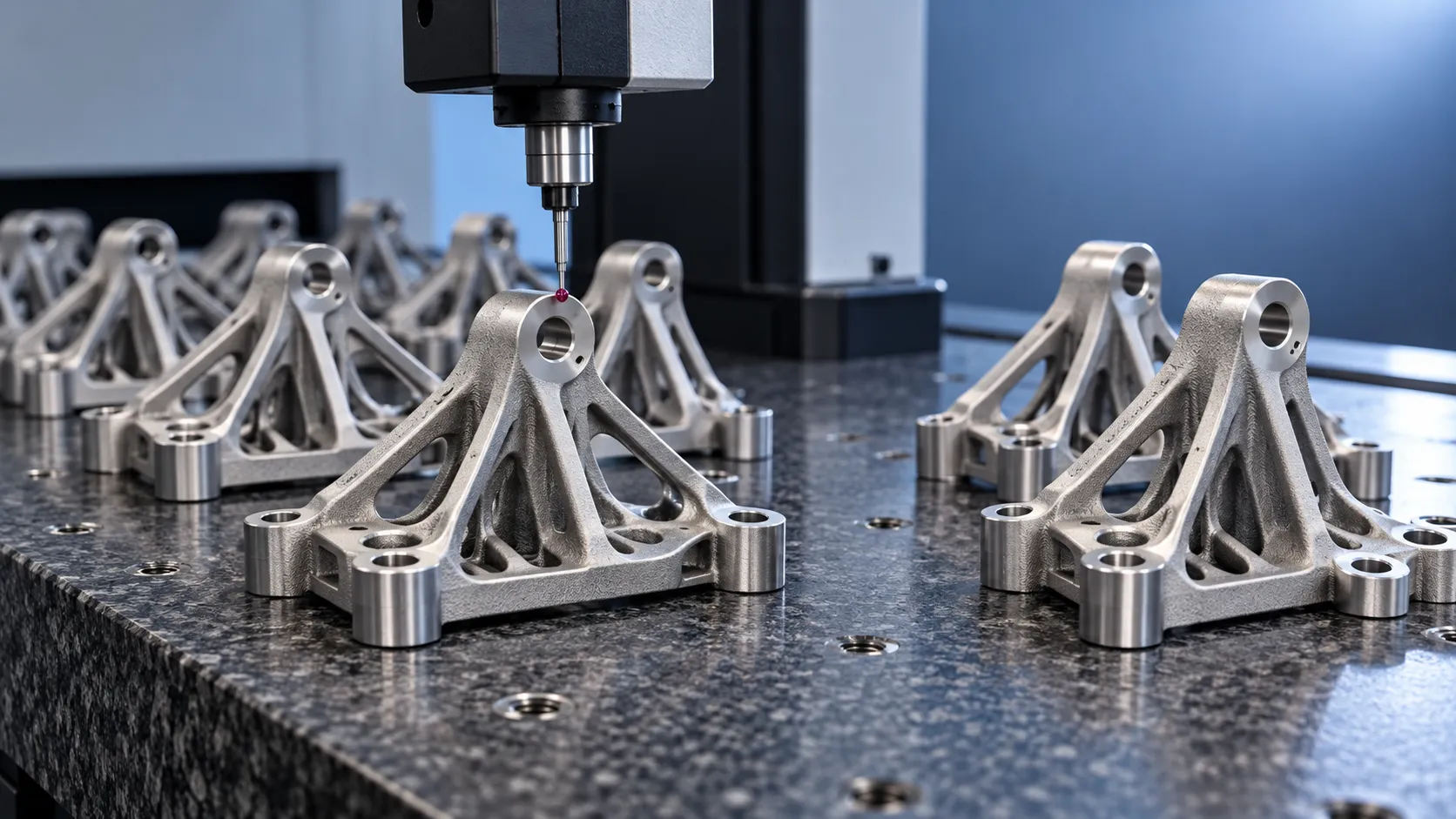
How to verify part consistency before choosing a 3D printing OEM
Choosing a 3D printing OEM? Learn how to verify part consistency with repeat-build trials, validated inspections, and traceability checks before committing to production.
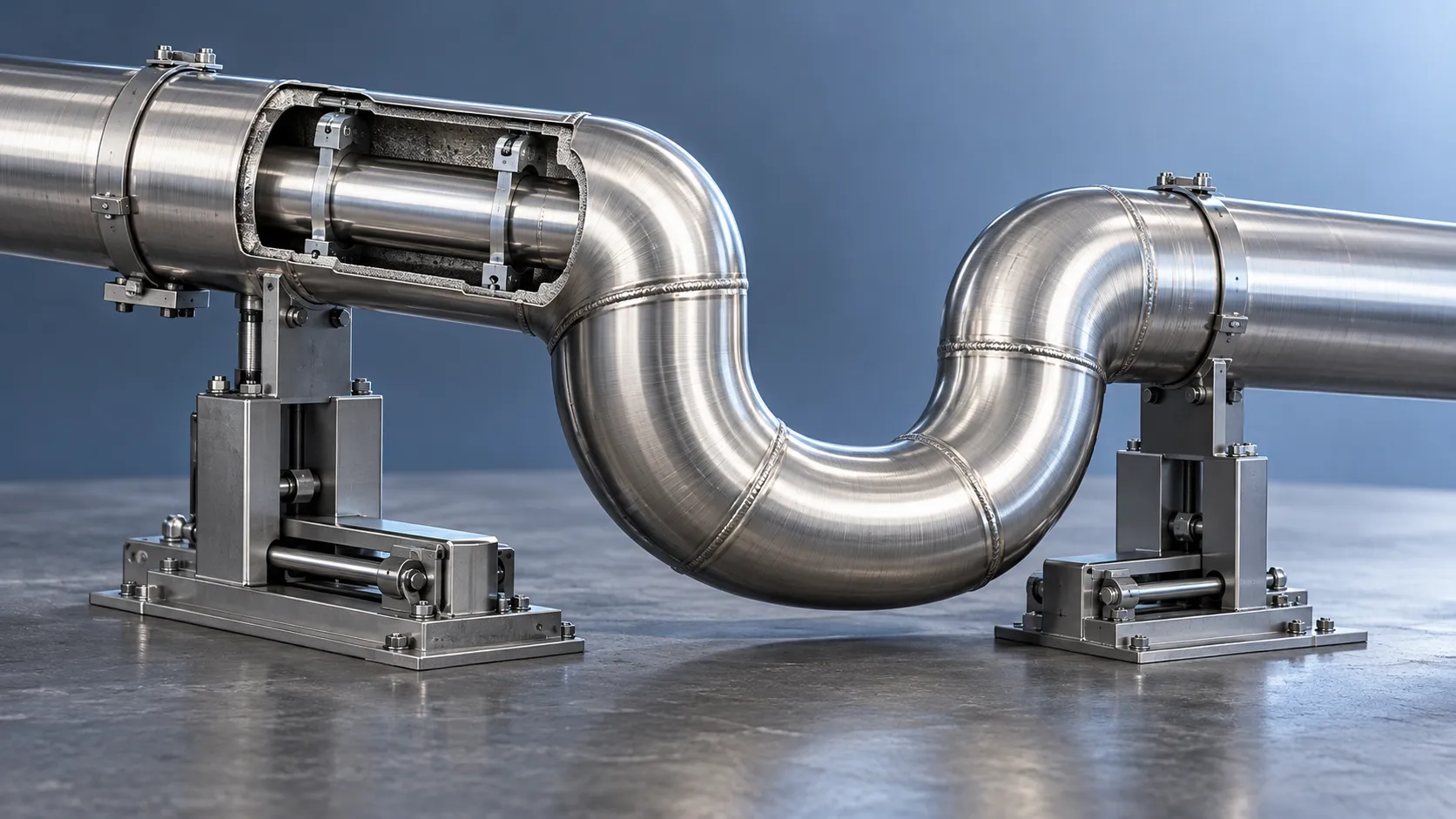
How does a rigid cryogenic transfer line handle thermal contraction?
Learn how a rigid cryogenic transfer line manages thermal contraction with bends, bellows, and guided supports. Discover key design checks for safe, reliable cryogenic performance.
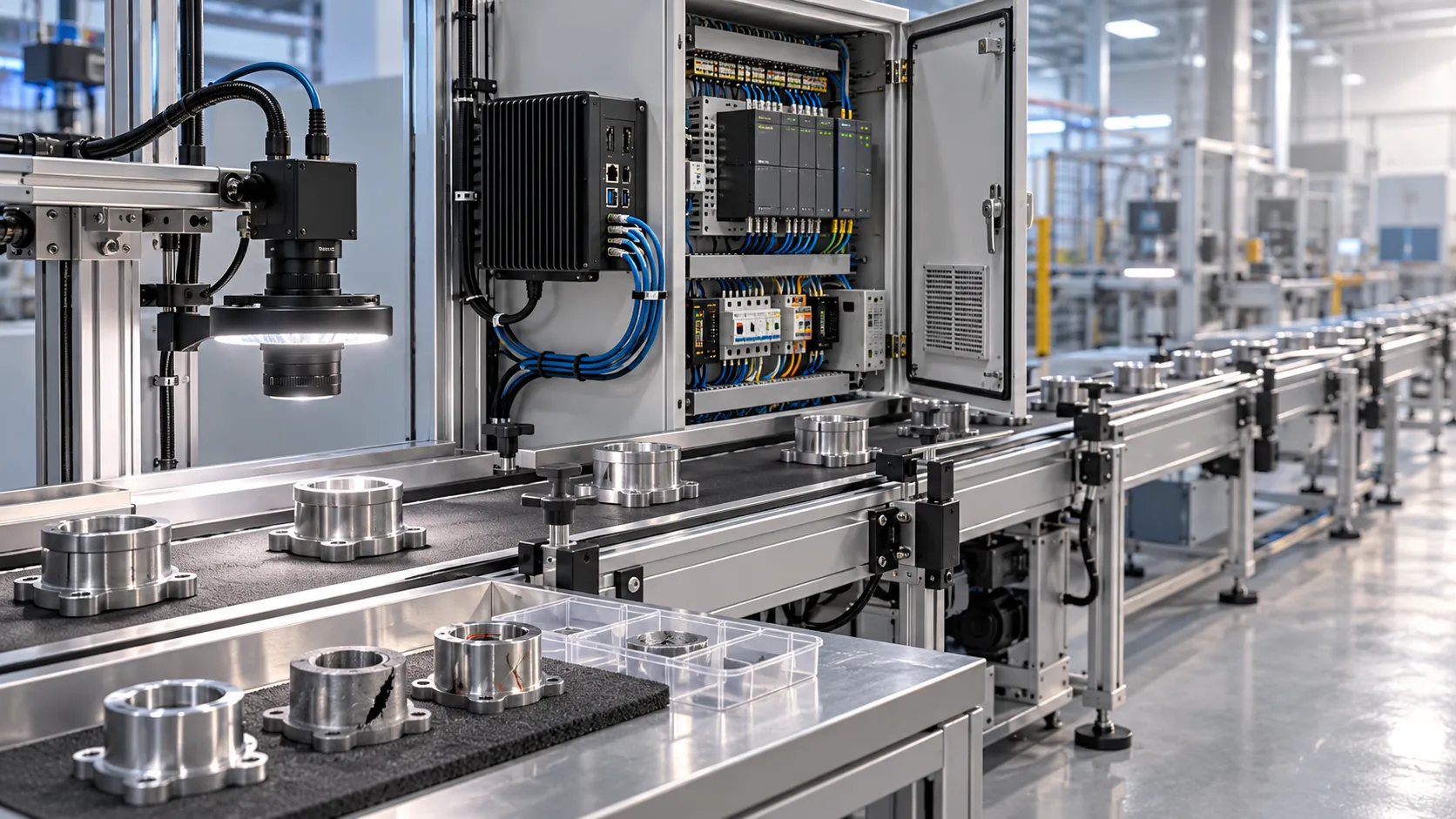
How much does edge vision deployment cost beyond the hardware?
Understand edge vision deployment cost beyond hardware, from data and integration to security and support. Uncover hidden expenses and build a smarter lifecycle budget before you scale.

How does the purity of sputtering targets affect thin-film quality?
Discover how sputtering targets affect thin-film quality. Learn to assess purity, identify harmful impurities, and choose specifications that improve coating performance.
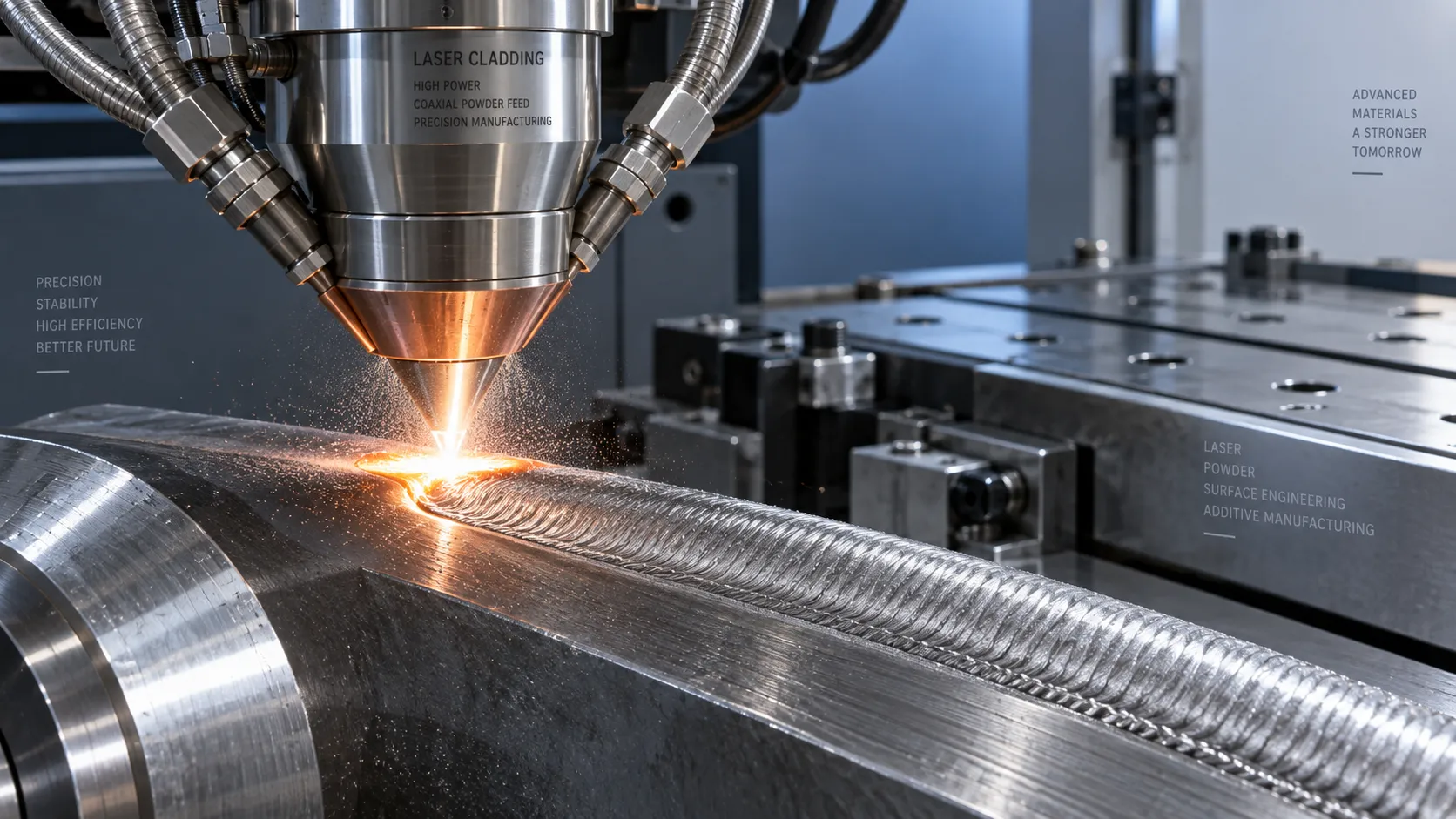
How high power laser cladding systems control substrate dilution
Discover how high power laser cladding systems control substrate dilution through beam shaping, material feed, and thermal management to deliver reliable bonds and coating performance.
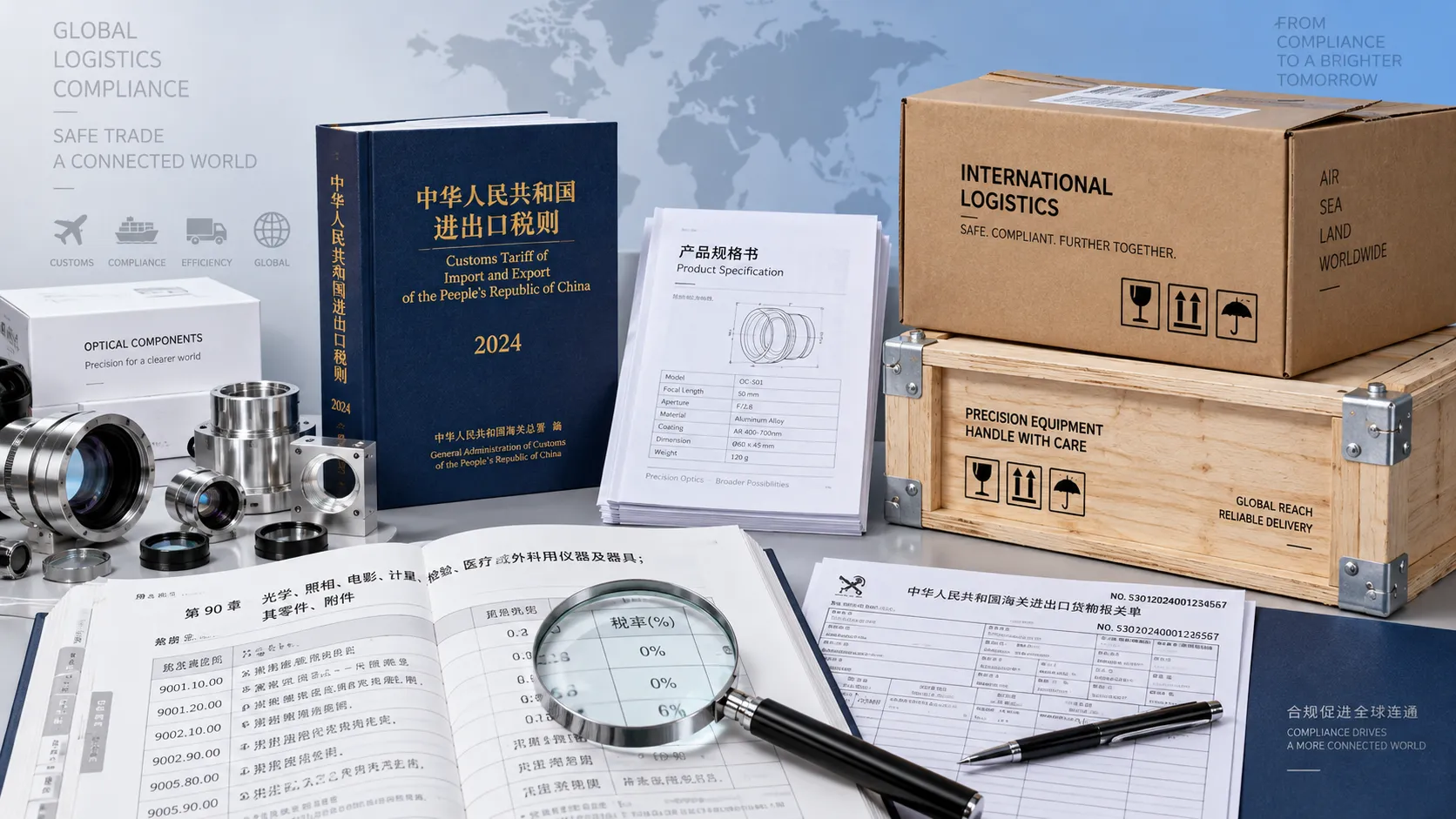
How to check HS codes for customs compliance in international logistics
Strengthen international logistics customs compliance: learn how to verify HS codes, check official tariffs, and document classifications to reduce costly shipment delays.
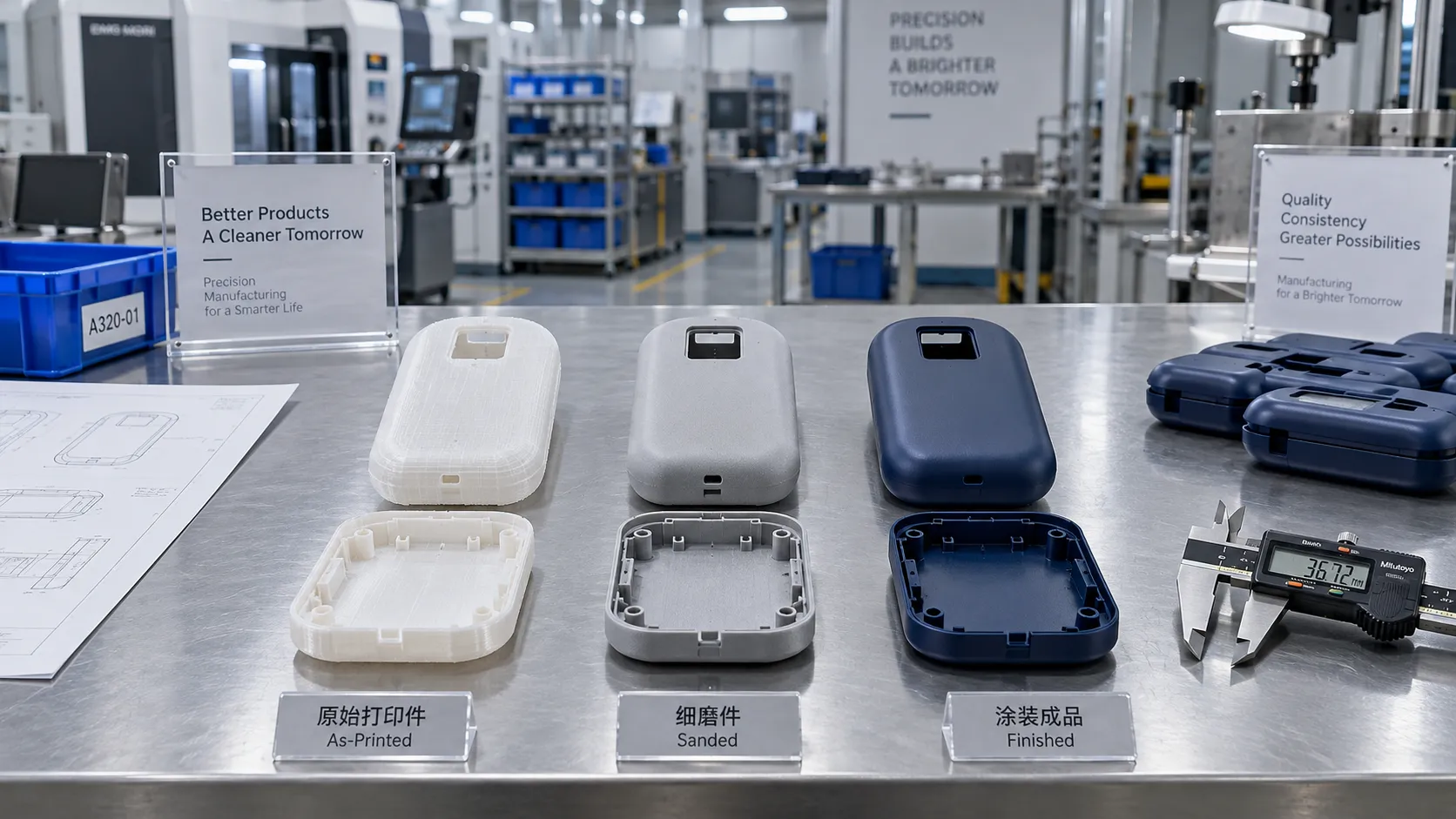
Choosing a 3D Printing Service for Consumer Products: Finish, Fit, and Cost
Compare 3d printing consumer good services by finish, fit, materials, and total cost. Learn how to choose a reliable supplier and avoid costly defects before ordering.
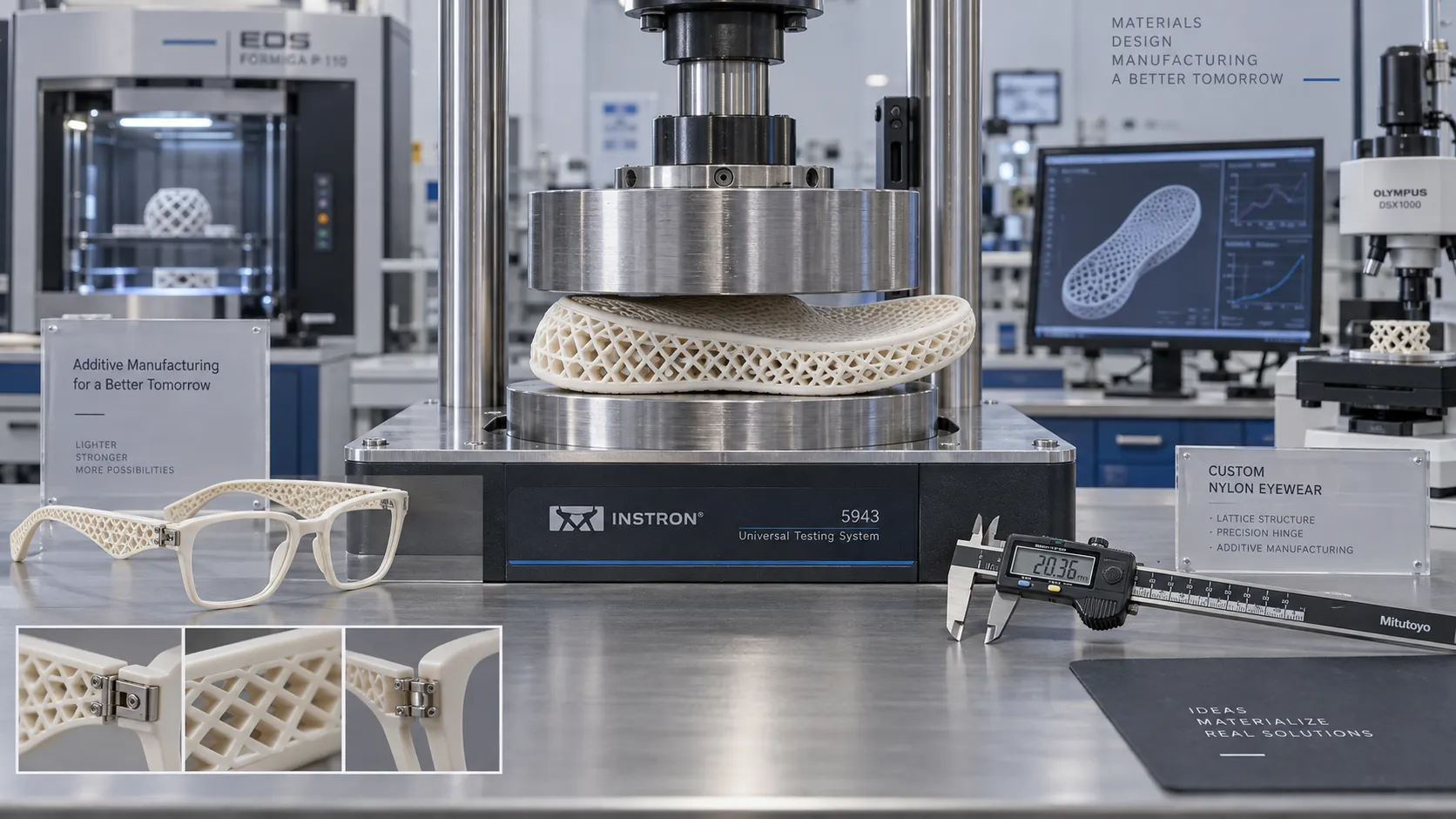
Which Consumer Goods Can Be 3D Printed, and What Are the Practical Limits?
Explore 3d printing consumer goods, from custom eyewear to replacement parts. Discover practical limits on materials, safety, and costs to make smarter production decisions.
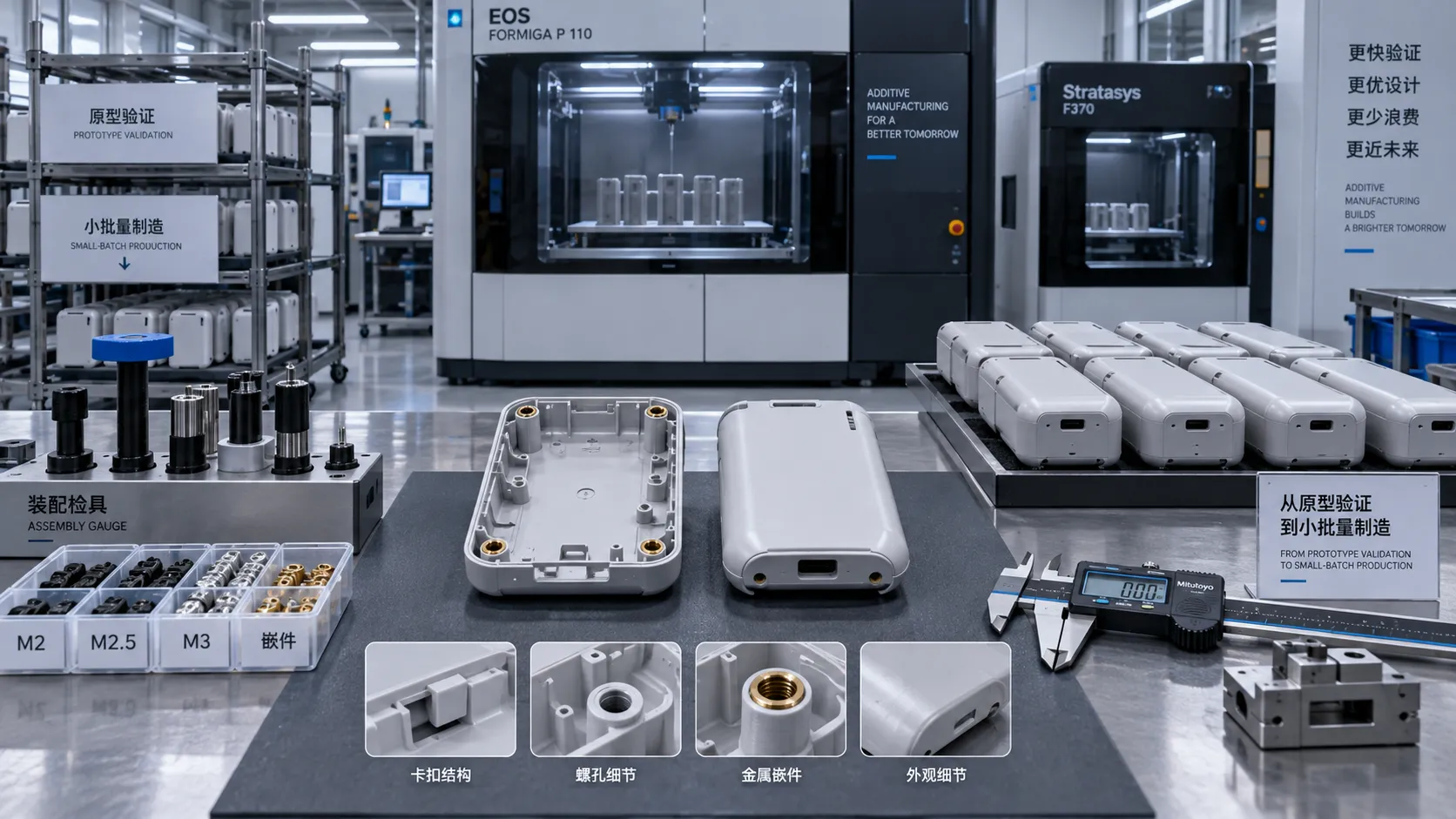
From Prototype to Small Batch: Applying 3D Printing to Consumer Goods
Explore 3d printing in consumer goods: learn how to move from prototype to small-batch production with practical guidance on materials, quality validation, and cost control.
Related News
- 00
0000-00
How to verify part consistency before choosing a 3D printing OEM - 00
0000-00
How does a rigid cryogenic transfer line handle thermal contraction? - 00
0000-00
How much does edge vision deployment cost beyond the hardware? - 00
0000-00
How does the purity of sputtering targets affect thin-film quality? - 00
0000-00
How high power laser cladding systems control substrate dilution
Dr. Julian Volt
Weekly Insights
Stay ahead with our curated technology reports delivered every Monday.