
How post-processing equipment affects 3D print quality

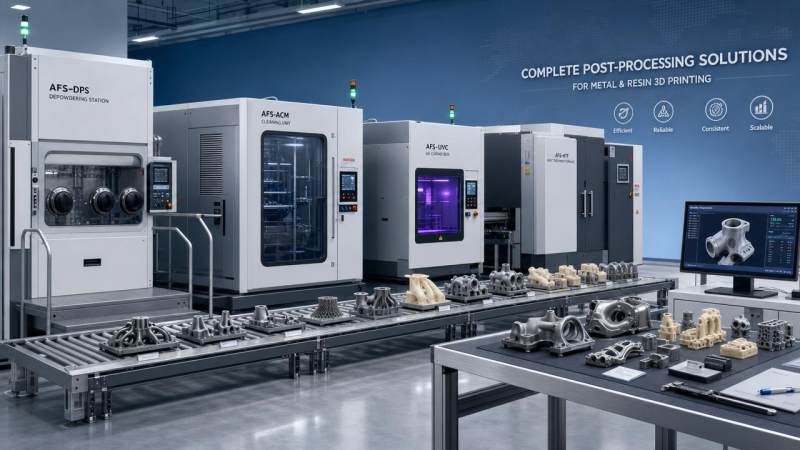
For quality control and safety managers, 3d printing post-processing equipment is not just a finishing tool—it is a critical factor in dimensional accuracy, surface integrity, repeatability, and workplace compliance.
From depowdering and curing to support removal and thermal treatment, the right post-processing setup directly shapes final part quality and production reliability.
Across industrial sectors, the conversation around additive manufacturing has shifted. Attention is moving from printing speed alone to the full production chain, especially the stability of post-print finishing.
This shift matters because many rejected parts are not caused by the printer itself. They are caused by incomplete curing, uneven stress relief, rough support scars, trapped powder, or inconsistent cleaning.
Why post-processing now defines the real quality ceiling
In earlier adoption stages, users accepted visible variation after printing. Today, industrial qualification demands tighter tolerances, cleaner surfaces, traceable workflows, and repeatable outcomes across batches.
That is why 3d printing post-processing equipment has become central to quality assurance. It transforms a printed shape into a validated component suitable for assembly, testing, or regulated use.
The trend is visible in both polymer and metal workflows. Automated washing, controlled UV curing, thermal cycles, depowdering stations, and surface treatment systems are now quality-critical infrastructure.
For a broader industrial audience, this means additive manufacturing can no longer be judged by printer specifications alone. Final part value depends on how the entire finishing chain is engineered.
The strongest trend signals behind 3d printing post-processing equipment demand
Several market and technical signals explain the rising importance of 3d printing post-processing equipment. The pattern is not temporary. It reflects a structural maturing of industrial additive production.
A hidden bottleneck is becoming visible
Print farms often discover that build throughput grows faster than finishing capacity. Parts then wait too long for cleaning, curing, or heat treatment, increasing distortion risks and handling damage.
This is why 3d printing post-processing equipment is increasingly planned as part of line balancing, not as an afterthought added after printer installation.
How each finishing stage changes final print quality
Different stages of post-processing affect different quality attributes. Understanding these links helps explain why equipment choice has such a direct effect on yield and reliability.
- Depowdering: Removes trapped powder from internal channels and fine features. Poor control can leave contamination, block flow paths, or scratch functional surfaces.
- Washing and cleaning: Essential for resin parts and some metal workflows. Inconsistent cleaning can weaken adhesion, alter dimensions, or leave residues affecting coating performance.
- UV curing: Finalizes polymer properties. Uneven exposure may create brittle zones, incomplete polymerization, or color inconsistency.
- Support removal: Directly affects edge quality and appearance. Excessive force can crack thin walls or introduce micro-defects.
- Thermal treatment: Relieves stress and stabilizes geometry. Poor thermal uniformity can distort parts or reduce expected mechanical performance.
- Surface finishing: Improves roughness, fatigue behavior, and visual quality. Over-processing can remove critical features or break tolerance limits.
Because every stage has quality consequences, 3d printing post-processing equipment must be selected according to part geometry, material behavior, throughput, and inspection requirements.
The main forces driving this quality-focused equipment upgrade
The rise of advanced finishing systems is being pushed by technical, economic, and regulatory forces at the same time.
- More complex part geometries require precise internal cleaning and controlled support removal.
- Higher-value materials make scrap reduction financially important.
- Qualification programs need repeatable process windows and digital records.
- Workplace safety standards require dust control, solvent management, and thermal protection.
- Labor shortages increase demand for automation and lower operator dependency.
These forces explain why investment in 3d printing post-processing equipment is often justified by quality yield, compliance readiness, and lower rework rather than appearance alone.
What changes across quality, safety, throughput, and inspection workflows
The effects of better post-processing are distributed across the whole operation. They are not limited to the finishing room.
Quality control impact
Stable finishing reduces variation between identical builds. That improves first-pass inspection rates and makes dimensional and surface data easier to compare across lots.
Safety and compliance impact
Enclosed depowdering, managed solvents, and controlled thermal systems reduce operator exposure. This supports safer handling of reactive resins, fine powders, and heated components.
Production impact
Automated or semi-automated finishing shortens bottlenecks and reduces manual rework. Throughput becomes more predictable, especially where build volumes fluctuate week by week.
Inspection impact
Cleaner and more stable surfaces improve optical scanning, metrology repeatability, and defect detection. Inspection quality often improves when post-processing is standardized.
What deserves the closest attention when evaluating 3d printing post-processing equipment
Not all systems deliver the same quality benefits. The key is matching equipment capability with the risk profile of the printed part and the production environment.
- Process uniformity across the full chamber, basket, or treatment zone
- Recipe control and repeatable cycle parameters
- Compatibility with polymers, metals, composites, and sensitive geometries
- Dust, solvent, and emission management features
- Traceability options for audits and process qualification
- Maintenance simplicity and calibration requirements
- Integration with inspection, MES, or digital quality records
In practice, the best 3d printing post-processing equipment is not always the most aggressive or fastest. It is the one that preserves quality while maintaining stable, documented process control.
A practical framework for judging the next phase of adoption
A useful evaluation model is to treat finishing capability as a maturity ladder. Each stage reflects a different quality and operational outcome.
Organizations moving toward larger additive programs should benchmark where current finishing methods sit on this ladder. That reveals whether print quality issues are really printer issues or downstream issues.
How to respond before post-processing becomes the limiting factor
A practical response starts with data. Track defects by finishing stage, not only by printer or material. Hidden patterns often appear quickly.
Then compare cycle time, scrap rate, operator intervention, and safety incidents against target production levels. This exposes where 3d printing post-processing equipment needs upgrading first.
- Map every post-processing step to a measurable quality attribute.
- Standardize curing, cleaning, and thermal profiles by material family.
- Introduce traceable process records for regulated or high-value parts.
- Prioritize enclosed, safer systems where powder or solvent exposure exists.
- Validate surface and dimensional results after any equipment change.
The long-term direction is clear. As additive manufacturing scales, competitive advantage will depend less on printing alone and more on the control of the complete finishing ecosystem.
For teams assessing future readiness, now is the time to audit workflows, identify unstable finishing steps, and align 3d printing post-processing equipment with quality, safety, and production goals.
Related News
How to verify part consistency before choosing a 3D printing OEM
Choosing a 3D printing OEM? Learn how to verify part consistency with repeat-build trials, validated inspections, and traceability checks before committing to production.
How does a rigid cryogenic transfer line handle thermal contraction?
Learn how a rigid cryogenic transfer line manages thermal contraction with bends, bellows, and guided supports. Discover key design checks for safe, reliable cryogenic performance.
How much does edge vision deployment cost beyond the hardware?
Understand edge vision deployment cost beyond hardware, from data and integration to security and support. Uncover hidden expenses and build a smarter lifecycle budget before you scale.
How does the purity of sputtering targets affect thin-film quality?
Discover how sputtering targets affect thin-film quality. Learn to assess purity, identify harmful impurities, and choose specifications that improve coating performance.
How high power laser cladding systems control substrate dilution
Discover how high power laser cladding systems control substrate dilution through beam shaping, material feed, and thermal management to deliver reliable bonds and coating performance.
How to check HS codes for customs compliance in international logistics
Strengthen international logistics customs compliance: learn how to verify HS codes, check official tariffs, and document classifications to reduce costly shipment delays.
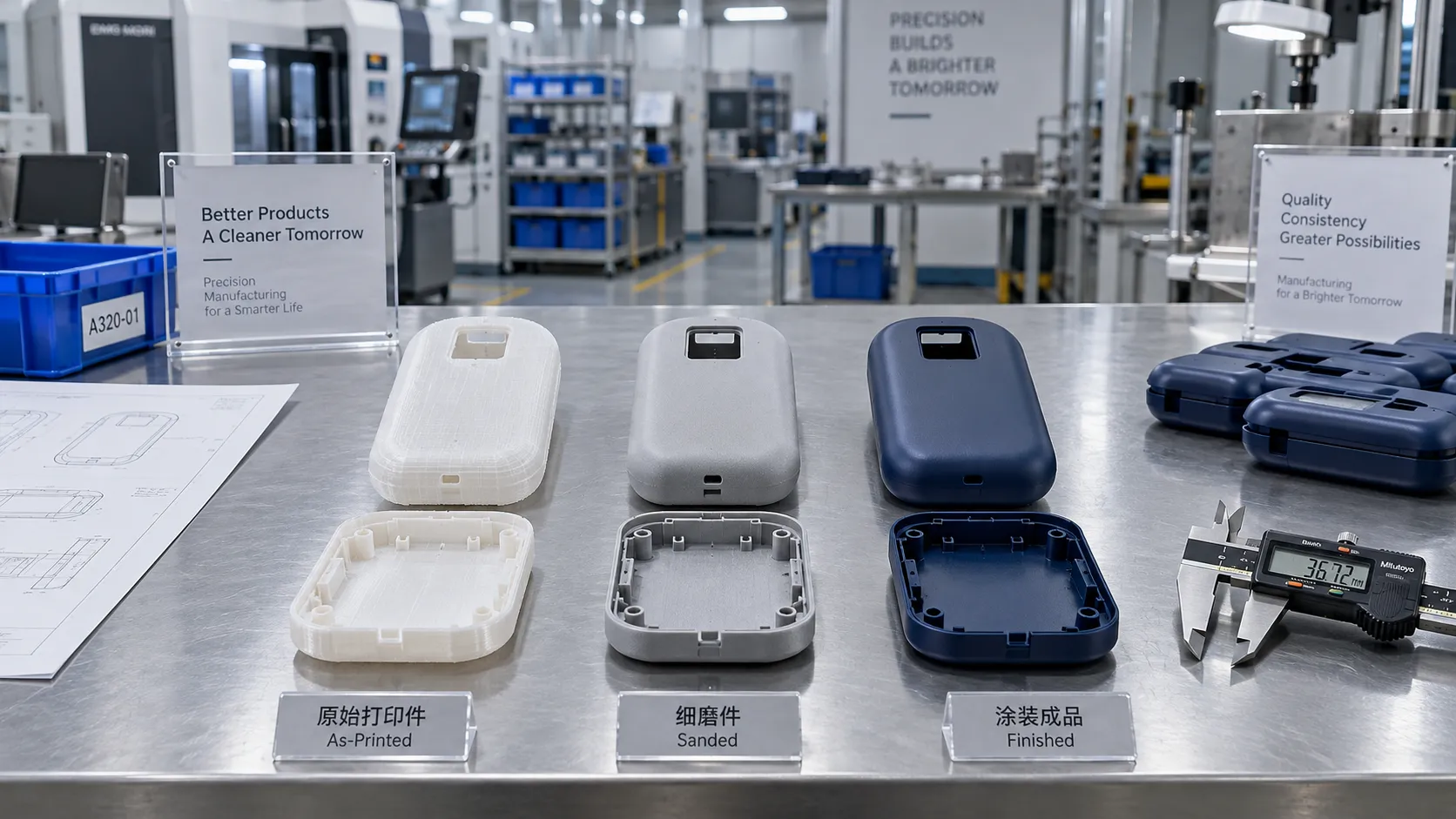
Choosing a 3D Printing Service for Consumer Products: Finish, Fit, and Cost
Compare 3d printing consumer good services by finish, fit, materials, and total cost. Learn how to choose a reliable supplier and avoid costly defects before ordering.
Which Consumer Goods Can Be 3D Printed, and What Are the Practical Limits?
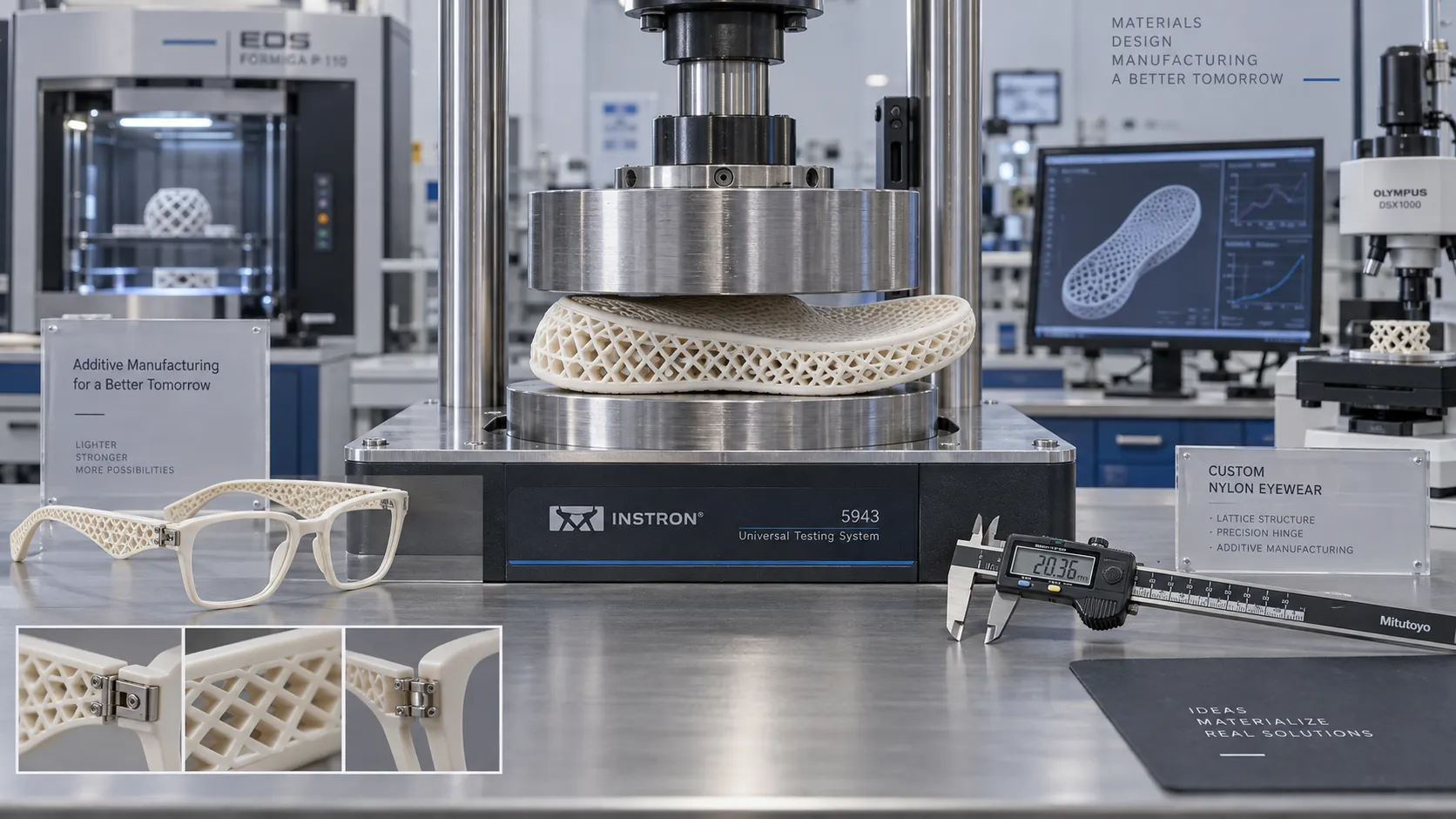
Explore 3d printing consumer goods, from custom eyewear to replacement parts. Discover practical limits on materials, safety, and costs to make smarter production decisions.
From Prototype to Small Batch: Applying 3D Printing to Consumer Goods
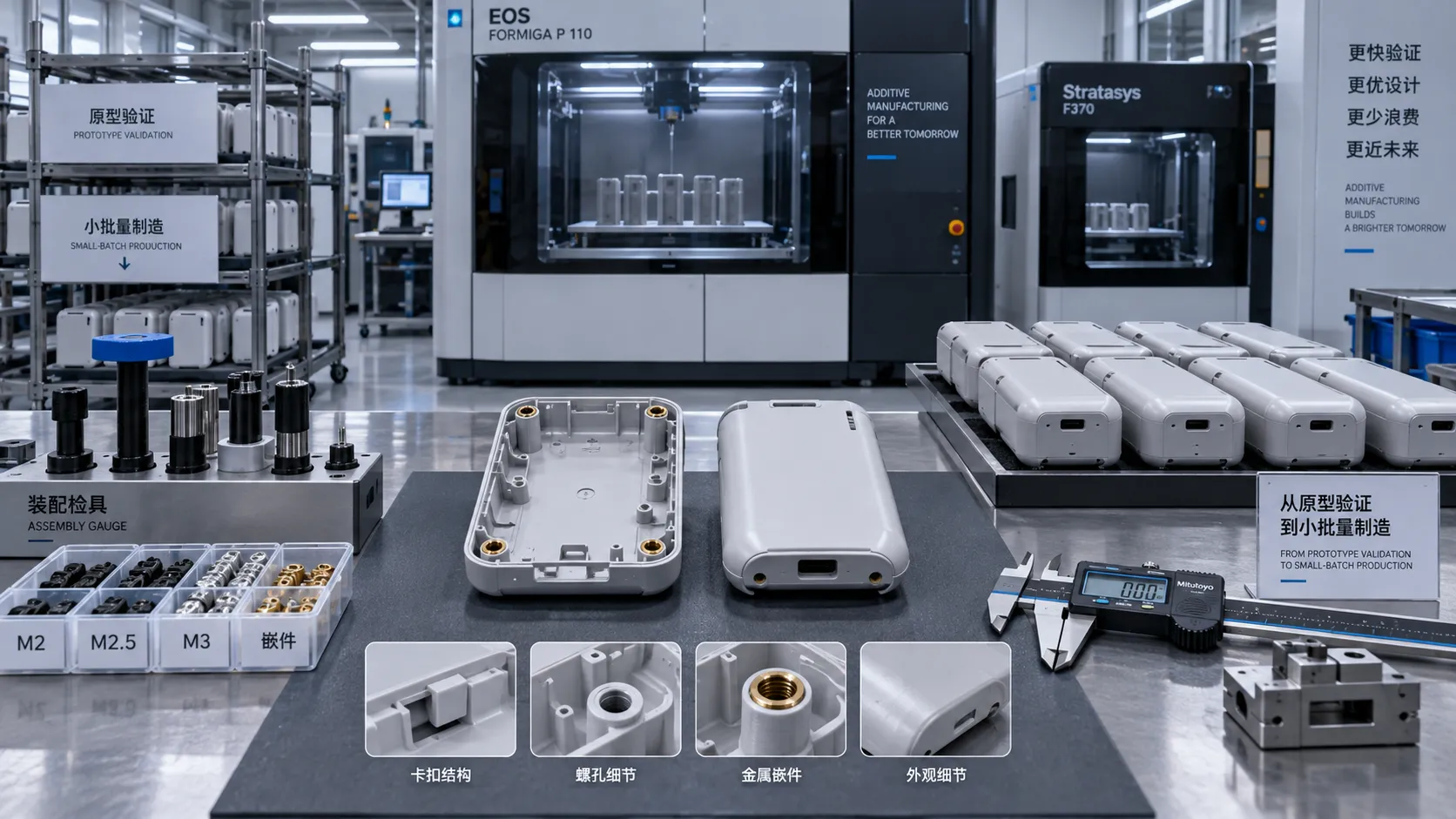
Explore 3d printing in consumer goods: learn how to move from prototype to small-batch production with practical guidance on materials, quality validation, and cost control.
Related News
- 00
0000-00
How to verify part consistency before choosing a 3D printing OEM - 00
0000-00
How does a rigid cryogenic transfer line handle thermal contraction? - 00
0000-00
How much does edge vision deployment cost beyond the hardware? - 00
0000-00
How does the purity of sputtering targets affect thin-film quality? - 00
0000-00
How high power laser cladding systems control substrate dilution
Marcus Print
Weekly Insights
Stay ahead with our curated technology reports delivered every Monday.