
Industrial Standards for 3D Printing: What Matters?


As 3D Printing and Additive Manufacturing scale across precision manufacturing, Industrial Standards determine far more than compliance—they shape quality, safety, procurement confidence, and global market access. From Metal 3D Printers and Technical Specifications to Machine Vision validation, Fiber Lasers integration, Nanomaterials performance, and Export Control risks, understanding what truly matters helps buyers, engineers, and decision-makers benchmark systems with clarity and reduce operational uncertainty.
Why do industrial standards matter so much in 3D printing procurement and operation?
In industrial 3D printing, standards are not only a legal or documentation issue. They influence whether a printed part can move from prototype review to serial production, whether a procurement team can compare suppliers on a like-for-like basis, and whether a quality manager can defend acceptance criteria during audits. For B2B users across aerospace, medical, automotive, tooling, electronics, energy, and research environments, standards reduce ambiguity at every step.
A typical industrial additive manufacturing program usually passes through 3 core phases: machine evaluation, process validation, and production control. At each phase, standards provide a common technical language for powder properties, build environment, part testing, machine safety, traceability, and inspection. Without that framework, even a technically capable metal 3D printer can become a risky asset in qualification-heavy industries.
This matters especially for procurement personnel and project leaders working with multi-site supply chains. One supplier may claim high productivity, another may emphasize material flexibility, and a third may focus on low cost. Standards help decision-makers shift the discussion from marketing claims to measurable points such as layer thickness ranges, oxygen control thresholds, repeatability windows, post-processing requirements, and documented test methods.
For operators and quality teams, industrial standards also improve daily execution. Clear procedures around powder handling, machine calibration intervals, inert gas quality, laser safety, and inspection frequency can reduce process drift over 2–4 week production cycles. In practical terms, standards support safer operations, more stable output, and fewer disputes between engineering, production, and purchasing departments.
The standards landscape is broader than many buyers expect
Many organizations initially look only at machine brochures and a short list of certificates. In reality, industrial standards for 3D printing often sit across several layers: terminology, machine performance, material specification, process control, inspection, software workflow, and workplace safety. That is why a complete evaluation often covers 5–7 technical checkpoints rather than a single approval document.
For example, an additive manufacturing project using metal powder may need attention to ASTM and ISO terminology standards, quality management alignment under ISO 9001, sector-specific traceability expectations, laser system integration safety, and inspection compatibility with optical metrology or CT scanning. If export control applies to the machine, powder, software, or end-use sector, the commercial risk expands further.
G-AIT addresses this complexity through multidisciplinary benchmarking. Because industrial 3D printing rarely operates in isolation, buyers increasingly need to understand adjacent systems such as fiber laser architecture, machine vision inspection, nanomaterial behavior, and vacuum-controlled environments. Standards become meaningful only when they are interpreted within the full production ecosystem, not as isolated labels.
- Standards create comparability across suppliers, especially when 3–5 vendors submit technically different proposals.
- They support validation planning by defining test methods, acceptance logic, and documentation depth.
- They reduce commercial risk when projects involve regulated sectors, cross-border delivery, or Tier-1 customer audits.
- They improve operational stability by aligning machine setup, powder control, inspection, and safety procedures.
Which industrial standards and compliance areas should buyers actually review?
A common procurement mistake is to ask, “Is the machine compliant?” without defining compliant with what. Industrial 3D printing spans machine safety, process qualification, material consistency, digital workflow control, and part verification. Buyers should review standards as a structured matrix rather than a checkbox. In most industrial tenders, at least 4 categories deserve direct attention: general additive manufacturing standards, quality management, equipment safety, and inspection or test methodology.
The exact mix varies by application. A research institute may prioritize process flexibility and open parameter access. A medical device manufacturer may focus on validation records and controlled change management. An automotive supplier may emphasize repeatability across medium-batch production. A distributor may need clear conformity documentation to support regional market access. The same metal 3D printer can therefore face very different evaluation paths.
The table below summarizes practical compliance areas that often matter in industrial 3D printing and additive manufacturing projects. It is not a substitute for legal review, but it helps procurement, quality, and technical teams organize supplier assessment using a shared framework.
For many organizations, the insight is simple: compliance is layered. If a vendor can only discuss machine specs but cannot explain powder handling, qualification workflow, or inspection logic, the offer may be incomplete for industrial deployment. Buyers should therefore request not only certificates, but also process documents, test plans, and sample acceptance criteria.
What adjacent standards often get overlooked?
Three areas are frequently missed during early sourcing. First, optical inspection standards and machine vision compatibility matter when parts require non-contact measurement or automated quality gates. Second, fiber laser subsystem performance matters when beam stability and maintenance intervals affect build consistency. Third, export control and end-use screening matter when machines, software, or advanced materials move across borders or serve sensitive sectors.
In practical B2B projects, these adjacent requirements often surface late and delay approval by 2–6 weeks. G-AIT helps reduce that delay by combining technical benchmarking with regulatory foresight across additive manufacturing, laser processing, machine vision, nanomaterials, and vacuum engineering. That cross-domain view is especially useful for enterprise buyers working under fixed delivery milestones.
How should you evaluate a 3D printing system beyond the headline technical specifications?
Industrial buyers often start with visible metrics such as build volume, laser count, layer thickness, and nominal speed. These matter, but they do not fully predict production success. A stronger evaluation looks at 6 practical dimensions: process stability, material compatibility, inspection readiness, safety design, maintenance burden, and documentation quality. This is where industrial standards become decision tools rather than paperwork.
For example, two metal 3D printers may both support 20–60 µm layer thickness and similar chamber sizes. Yet one may offer stronger oxygen control, more transparent calibration records, and easier integration with post-build inspection. Over a 12-month production horizon, that difference may matter more than a slightly higher nominal build rate. Procurement should therefore evaluate total process capability, not only machine throughput.
The next table is designed for cross-functional review. It helps procurement teams, engineering managers, and quality personnel compare industrial 3D printing solutions using factors that align better with qualification, production readiness, and long-term reliability.
A balanced evaluation prevents a familiar mistake: buying a technically advanced system that later becomes difficult to validate, maintain, or scale. This is especially relevant for distributors, integrators, and project managers who must support downstream users after installation. In many cases, the better investment is the system with stronger documentation and process transparency, even if the initial quotation is not the lowest.
A practical 4-step review sequence
- Define part and production requirements: geometry, material class, annual volume, qualification level, and inspection method.
- Screen machine-platform fit: chamber size, energy source, powder workflow, environmental controls, and software openness.
- Check standards and compliance depth: safety, quality records, material traceability, validation support, and regional documentation.
- Run a sample or pilot plan: typically 1–3 representative parts, 1 agreed acceptance sheet, and 1 documented review meeting.
This sequence helps align engineering, procurement, and quality before a purchase order is released. It also helps business evaluators estimate where hidden cost or schedule risk may emerge, especially when delivery commitments are tight.
Where G-AIT adds value in specification review
G-AIT supports industrial buyers by interpreting machine claims against international standards and adjacent technology dependencies. A large-format printer, for example, should not be assessed only by build size. It must be reviewed for laser architecture, thermal management, metrology compatibility, powder circulation logic, and deployment constraints such as ventilation, inert gas quality, and facility readiness.
This multidimensional review is particularly valuable for Top 500 procurement teams, R&D institutes, and high-tech manufacturing planners who need verifiable engineering data rather than promotional summaries. The result is a procurement process with clearer comparison logic, fewer surprises during installation, and better alignment between capital spending and production objectives.
What risks, misconceptions, and hidden costs should decision-makers watch for?
One of the most common misconceptions is that standards only matter in highly regulated sectors. In reality, even general industrial applications benefit from standard-based procurement because they reduce disputes over acceptance, maintenance, training, and supplier responsibility. A project that skips structured compliance review may appear faster at first, but often loses time later through requalification, process instability, or customer rejection.
Another misconception is that material data sheets are enough to control part quality. In additive manufacturing, material performance depends on the whole chain: powder batch consistency, storage conditions, humidity control, machine parameters, shielding gas behavior, and post-processing discipline. A titanium or nickel alloy powder that looks acceptable on paper may still behave inconsistently if reuse practices are not controlled within a documented range.
Hidden costs also accumulate outside the machine price. Many buyers underestimate facility adaptation, inert gas supply, dust and powder safety measures, operator training, validation builds, destructive testing, and inspection equipment coordination. For industrial deployment, the true implementation timeline often stretches across 6–12 weeks from installation to a stable pilot workflow, and longer where sector-specific validation is required.
Commercial risk is another overlooked dimension. Export control reviews, software access restrictions, dual-use end-use concerns, and region-specific documentation demands can affect lead time and contract structure. This is especially relevant for distributors, agents, and global sourcing teams moving advanced manufacturing systems across jurisdictions.
Common warning signs during supplier screening
- The supplier emphasizes speed and build volume but provides limited detail on repeatability, calibration, or acceptance methodology.
- Powder reuse, storage, and contamination control are described informally rather than through documented procedures.
- Inspection is treated as a separate customer problem instead of an integrated part of the production workflow.
- Export, regulatory, or safety documentation is delayed until late-stage contract negotiation.
How to reduce these risks before commitment
A disciplined pre-purchase review can reduce risk significantly. Ask for a document pack that covers machine specifications, utility requirements, maintenance routines, training scope, powder handling guidance, and validation support. Define 5 key acceptance items before final negotiation, such as installation readiness, trial build plan, inspection route, spare parts response, and required compliance documents.
Where multiple technologies intersect, a benchmarking partner like G-AIT helps clarify trade-offs. For example, if an additive manufacturing line depends on fiber laser stability, machine vision inspection, and advanced material control, it is not enough to evaluate each area in isolation. A cross-disciplinary review can reveal bottlenecks that a single-vendor discussion may miss.
FAQ: what do buyers, engineers, and quality teams ask most often?
How do I choose industrial 3D printing standards for my application?
Start with the application, not the machine. Define the part function, material, required testing, batch size, and end-market expectations. Then map standards across 4 layers: additive manufacturing framework, machine safety, material and process control, and inspection. If the part enters a regulated or audited supply chain, add sector-specific quality and traceability review early.
What should procurement focus on first: price, specification, or compliance?
Procurement should first confirm use-case fit and compliance depth, then compare price within that filtered group. The lowest quotation can become the most expensive option if it lacks validation support, powder controls, or documentation needed for customer approval. A practical method is to score suppliers across 3 dimensions: technical fit, compliance readiness, and total support burden.
How long does an industrial 3D printing implementation usually take?
For a standard industrial setup, installation and basic training may be completed within several days, but stable production readiness often requires 6–12 weeks. That period can include site preparation, utility checks, operator training, initial calibration, sample builds, inspection alignment, and first-pass documentation review. If qualification testing is extensive, the timeline can extend further.
Are machine vision and inspection standards really important in additive manufacturing?
Yes. Dimensional accuracy, surface integrity, defect detection, and process traceability are all easier to manage when inspection is planned from the beginning. Machine vision, optical inspection, and data capture do not replace mechanical testing, but they strengthen control loops and reduce the risk of shipping uncertain parts. This is especially important for complex geometries and medium-batch production.
Why work with G-AIT when benchmarking industrial 3D printing standards?
Industrial decision-makers rarely need more generic information. They need verifiable engineering data, realistic procurement judgment, and foresight on compliance and trade constraints. G-AIT is built for that requirement. By connecting additive manufacturing with industrial laser processing, machine vision, nanomaterials, and vacuum engineering, G-AIT helps buyers evaluate the full operational context of a 3D printing investment.
This approach is especially useful when a project spans multiple stakeholders: procurement directors, R&D teams, quality managers, commercial evaluators, and distribution partners. Instead of reviewing machine claims in isolation, G-AIT supports a broader benchmarking process grounded in international standards such as ISO, ASTM, SEMI, and IEEE where relevant. That means clearer risk visibility before orders are placed and better alignment between technical ambition and industrial reliability.
If your team is comparing metal 3D printers, validating technical specifications, assessing inspection compatibility, reviewing export control exposure, or planning a customized additive manufacturing roadmap, the most effective next step is a structured technical discussion. Useful consultation topics typically include 5 items: parameter confirmation, machine and material selection, delivery cycle assessment, certification and documentation review, and sample or pilot evaluation planning.
Contact G-AIT to discuss your application scenario, supplier shortlist, compliance priorities, and project timeline. Whether you need a benchmarking framework for a new purchase, support for a tender review, guidance on qualification risk, or a cross-technology assessment involving lasers, machine vision, nanomaterials, or vacuum systems, a focused consultation can shorten decision cycles and improve procurement confidence.
- supply chain
- manufacturing
- precision manufacturing
- distributors
- electronics
- energy
- Industrial Laser Processing
- 3D Printing
- Additive Manufacturing
- Machine Vision
- Optical Inspection
- Nanomaterials
- Vacuum Engineering
- Fiber Lasers
- Metal 3D Printers
- Technical Specifications
- Export Control
- High-Tech Manufacturing
- Industrial Standards
- Technical Benchmarking
- supply chain
- manufacturing
- precision manufacturing
- distributors
- electronics
- energy
- Industrial Laser Processing
- 3D Printing
- Additive Manufacturing
- Machine Vision
- Optical Inspection
- Nanomaterials
- Vacuum Engineering
- Fiber Lasers
- Metal 3D Printers
- Technical Specifications
- Export Control
- High-Tech Manufacturing
- Industrial Standards
- Technical Benchmarking
Related News
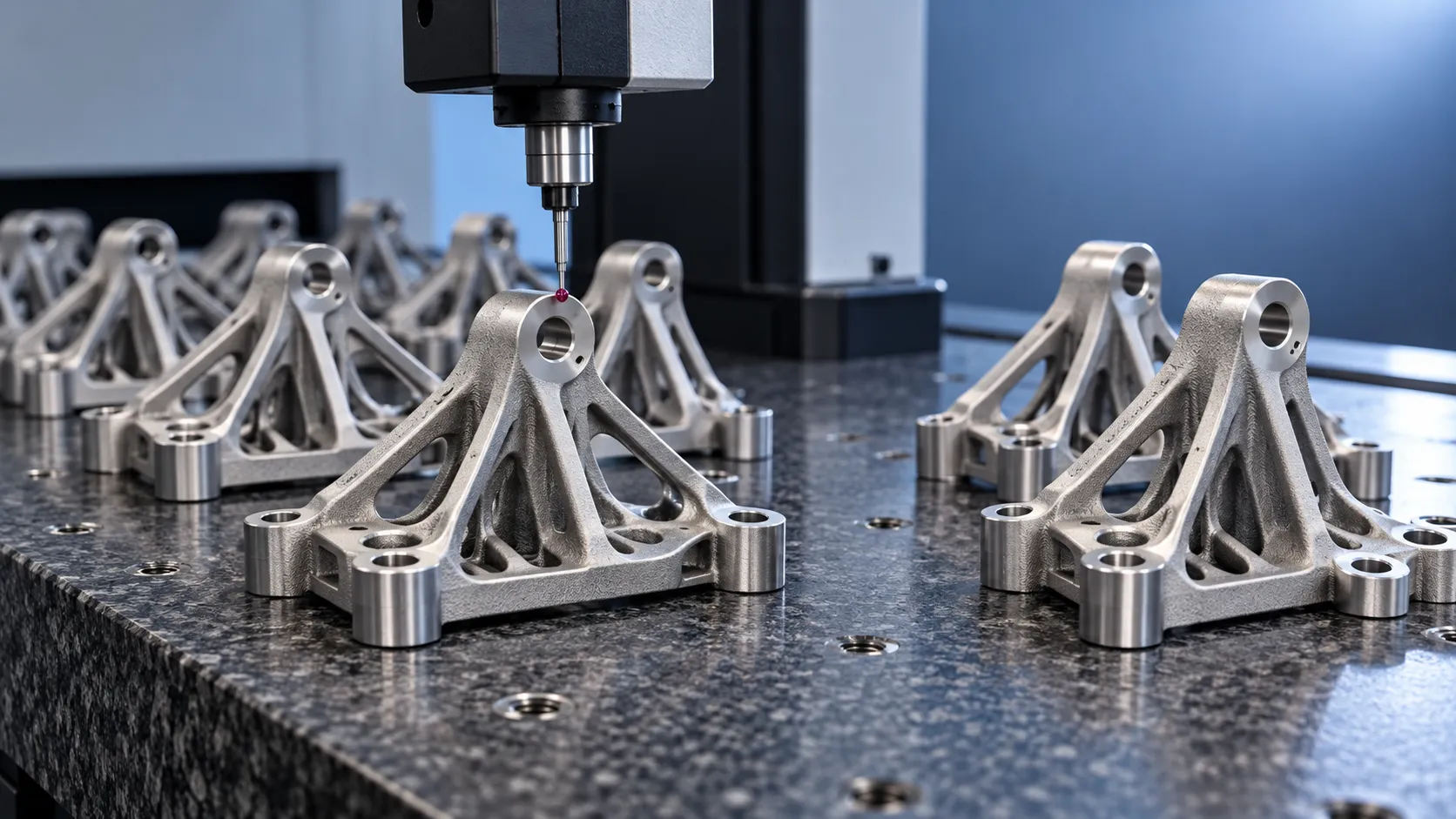
How to verify part consistency before choosing a 3D printing OEM
Choosing a 3D printing OEM? Learn how to verify part consistency with repeat-build trials, validated inspections, and traceability checks before committing to production.
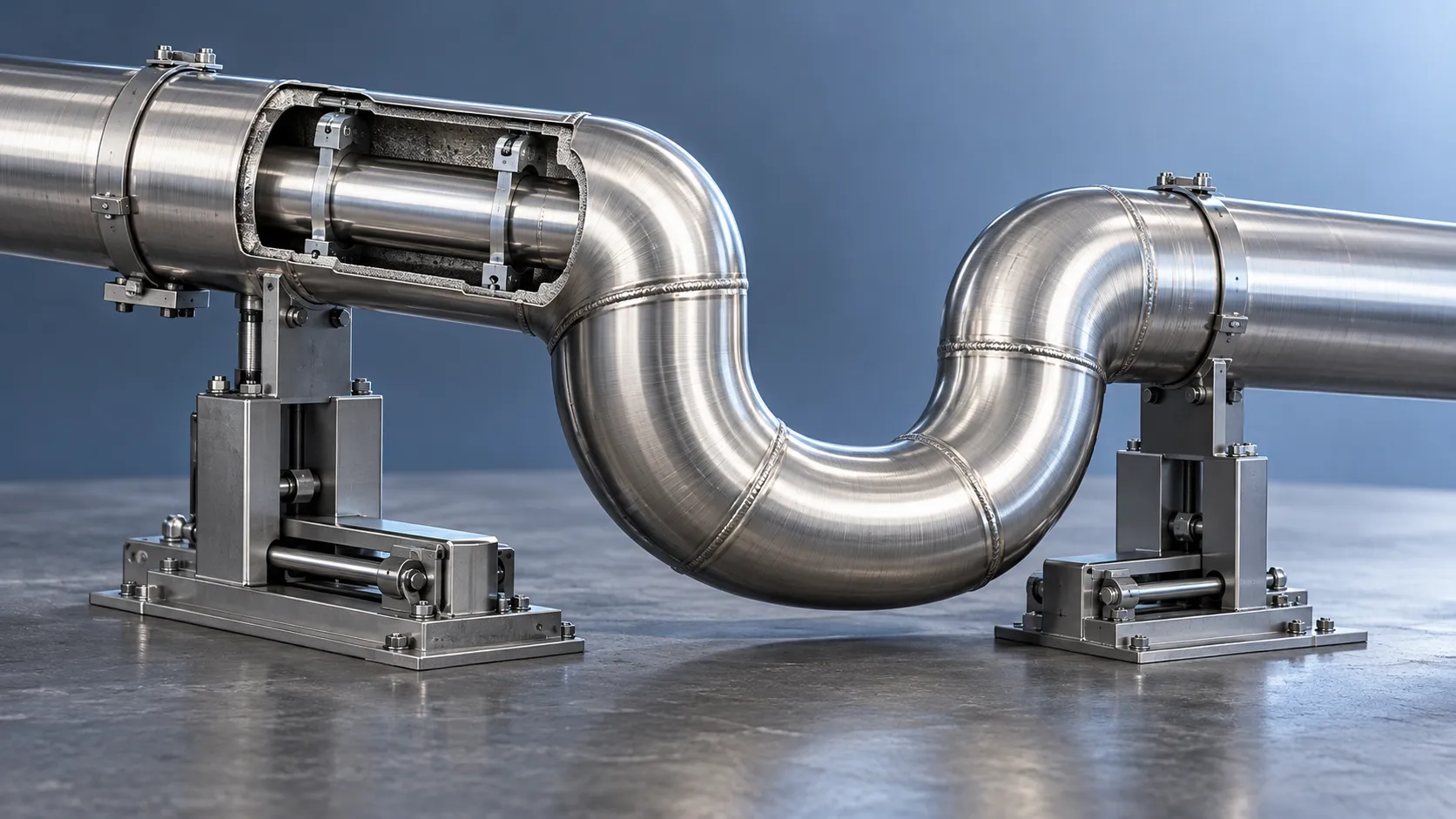
How does a rigid cryogenic transfer line handle thermal contraction?
Learn how a rigid cryogenic transfer line manages thermal contraction with bends, bellows, and guided supports. Discover key design checks for safe, reliable cryogenic performance.

How much does edge vision deployment cost beyond the hardware?
Understand edge vision deployment cost beyond hardware, from data and integration to security and support. Uncover hidden expenses and build a smarter lifecycle budget before you scale.

How does the purity of sputtering targets affect thin-film quality?
Discover how sputtering targets affect thin-film quality. Learn to assess purity, identify harmful impurities, and choose specifications that improve coating performance.
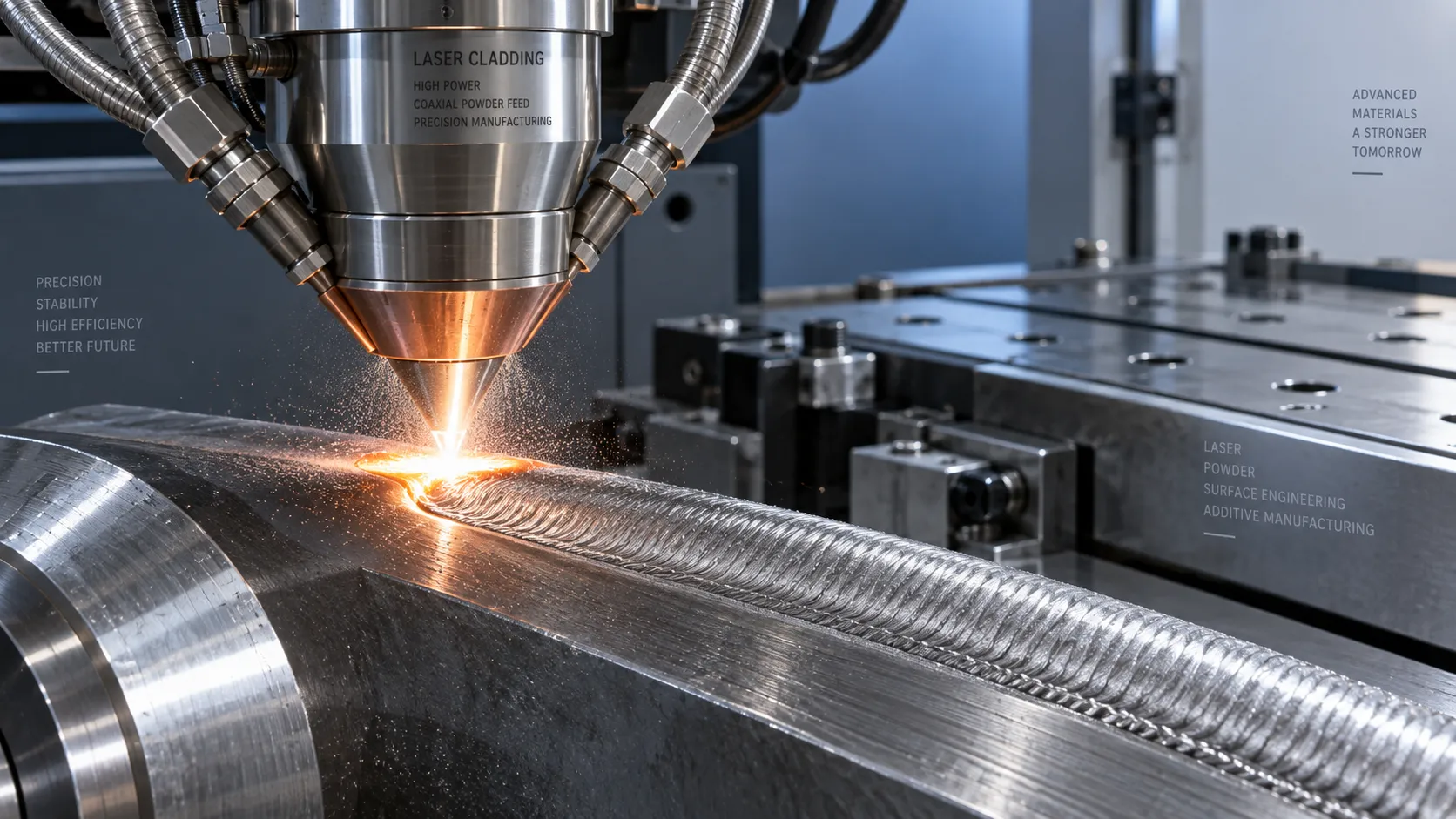
How high power laser cladding systems control substrate dilution
Discover how high power laser cladding systems control substrate dilution through beam shaping, material feed, and thermal management to deliver reliable bonds and coating performance.

How to check HS codes for customs compliance in international logistics
Strengthen international logistics customs compliance: learn how to verify HS codes, check official tariffs, and document classifications to reduce costly shipment delays.
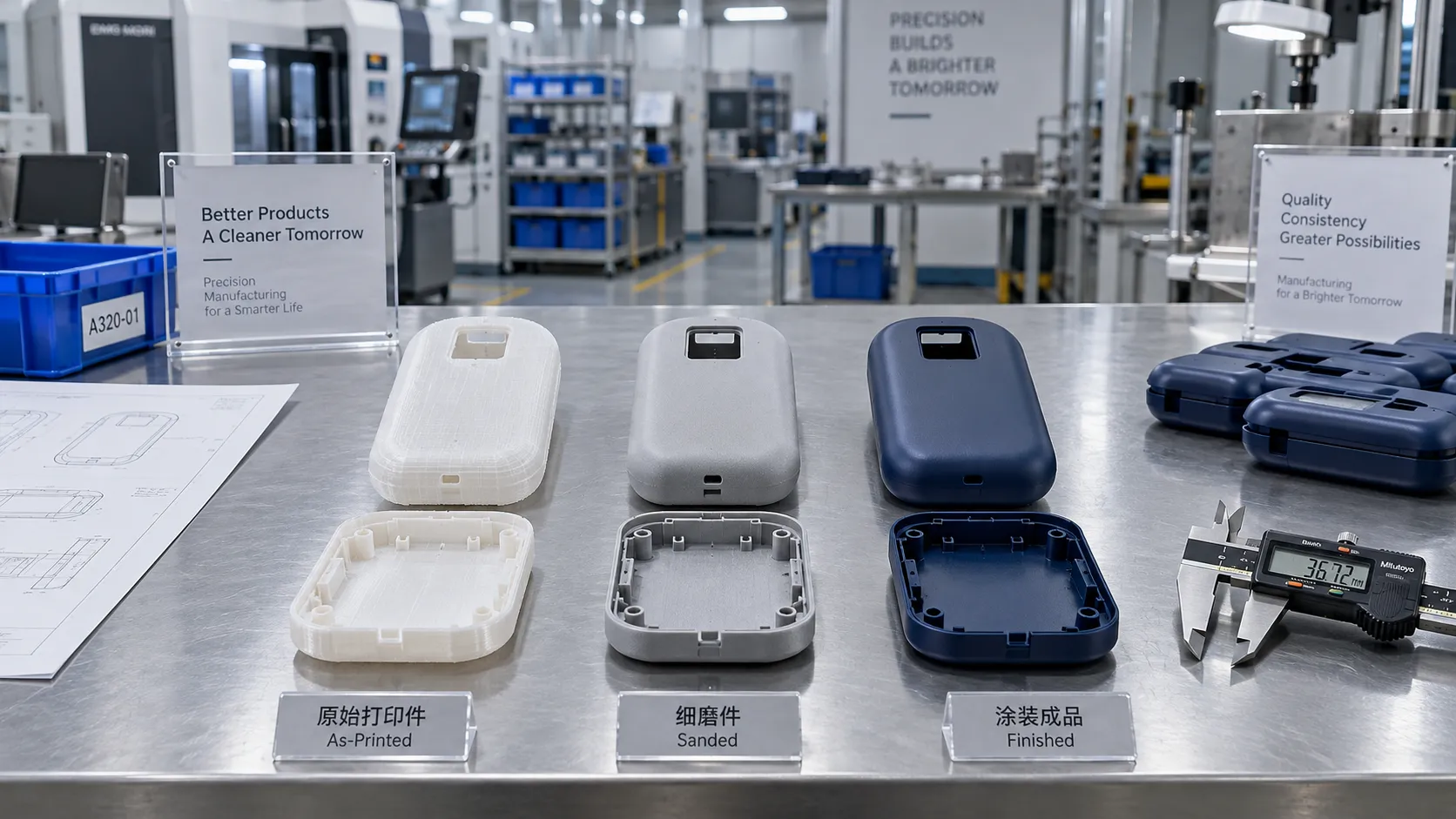
Choosing a 3D Printing Service for Consumer Products: Finish, Fit, and Cost
Compare 3d printing consumer good services by finish, fit, materials, and total cost. Learn how to choose a reliable supplier and avoid costly defects before ordering.
Which Consumer Goods Can Be 3D Printed, and What Are the Practical Limits?
Explore 3d printing consumer goods, from custom eyewear to replacement parts. Discover practical limits on materials, safety, and costs to make smarter production decisions.

From Prototype to Small Batch: Applying 3D Printing to Consumer Goods
Explore 3d printing in consumer goods: learn how to move from prototype to small-batch production with practical guidance on materials, quality validation, and cost control.
Related News
- 00
0000-00
How to verify part consistency before choosing a 3D printing OEM - 00
0000-00
How does a rigid cryogenic transfer line handle thermal contraction? - 00
0000-00
How much does edge vision deployment cost beyond the hardware? - 00
0000-00
How does the purity of sputtering targets affect thin-film quality? - 00
0000-00
How high power laser cladding systems control substrate dilution
Marcus Print
Weekly Insights
Stay ahead with our curated technology reports delivered every Monday.