
3D Printing Tolerances: What Is Realistic?

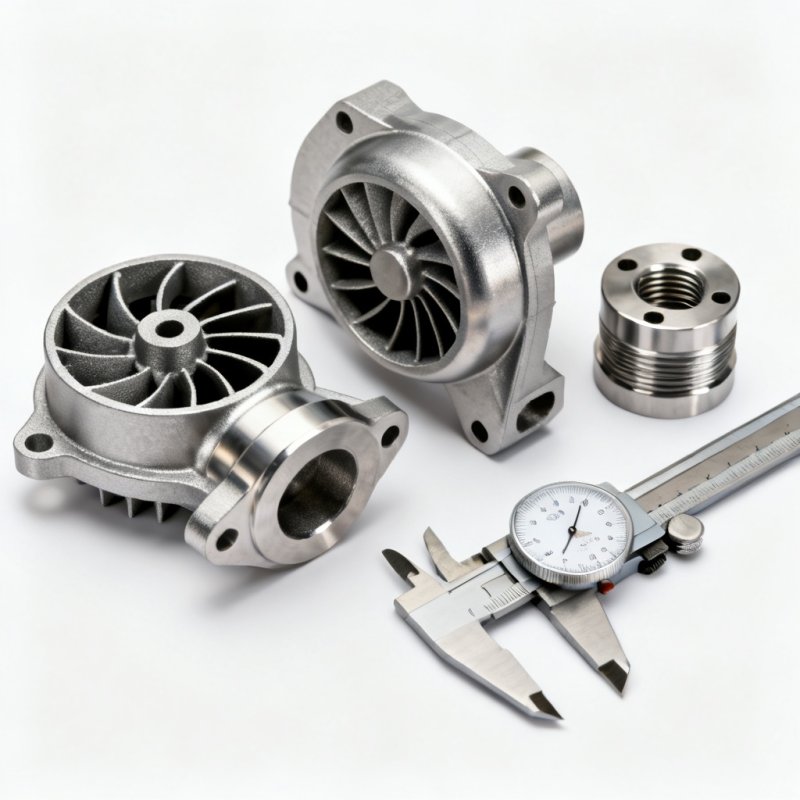
In 3D Printing and Additive Manufacturing, tolerance is never a one-size-fits-all number. From Metal 3D Printers to precision manufacturing workflows governed by Industrial Standards and Technical Specifications, realistic accuracy depends on process, material, geometry, and inspection capability. This guide helps buyers, engineers, and quality teams understand what tolerance levels are achievable, what factors truly affect results, and how to evaluate performance with confidence.
What does realistic 3D printing tolerance actually mean in industrial purchasing?
When buyers ask for 3D printing tolerance, they often expect a single number such as ±0.1 mm. In practice, realistic tolerance is a controlled range linked to process capability, part size, build orientation, thermal behavior, and post-processing. A small polymer prototype, a large metal bracket, and a thin-wall inspection fixture may all come from additive manufacturing, yet their achievable dimensional consistency will differ significantly.
For industrial teams, tolerance should be understood at 3 levels: machine-level positioning capability, process-level repeatability, and finished-part dimensional conformity after support removal, heat treatment, machining, or surface finishing. This is why experienced procurement and quality teams do not evaluate Metal 3D Printers or polymer systems by brochure claims alone. They review the entire manufacturing route, including inspection readiness and acceptance criteria.
Across common additive processes, typical expectations often fall within broad ranges rather than a universal fixed value. For many polymer systems, practical part tolerance may land around ±0.2 mm to ±0.5 mm or follow a per-length rule. For metal additive manufacturing, near-net-shape performance may look acceptable on larger features, while precision surfaces or critical bores still require subtractive finishing to reach tighter limits such as ±0.02 mm to ±0.10 mm.
This distinction matters across industries because operators, sourcing teams, and project managers are not buying a printer only; they are buying a manufacturing capability. At G-AIT, tolerance evaluation is treated as a benchmarking topic tied to standards, metrology, and production risk. That approach helps decision-makers compare technical claims against realistic production outcomes instead of relying on optimistic marketing language.
Three questions every buyer should ask before approving a tolerance claim
- Is the quoted tolerance based on as-printed condition, or after machining, polishing, stress relief, or other post-processing steps?
- Does the tolerance apply to all geometries, or only to simple external dimensions under a limited size range such as 20 mm to 100 mm?
- What inspection method verifies conformity: calipers, CMM, optical scanning, CT, or a documented gauge plan aligned with ISO or ASTM practice?
These questions reduce a common sourcing risk: comparing unlike conditions. A part that measures well after CNC finishing should not be compared directly to a part measured in as-built form. For high-value sectors, this difference affects quotation accuracy, lead-time planning, and downstream assembly performance.
Which additive manufacturing processes hold tighter tolerance, and where are the practical limits?
Tolerance performance varies because each additive process forms material differently. FDM introduces bead deposition effects and thermal shrinkage. SLS and MJF improve geometric freedom but still show process-specific variation linked to powder behavior and cooling. SLA and DLP can deliver finer detail on smaller parts, while metal powder bed fusion offers excellent complexity but introduces residual stress and distortion management challenges. Directed energy deposition generally favors repair or large deposition volume over fine tolerance.
The table below helps compare realistic tolerance expectations in industrial use. These ranges are broad planning references, not guarantees, because actual output depends on material, design rules, machine calibration, build strategy, and finishing route. Procurement teams should use them to narrow options, then validate with supplier capability studies and sample inspection.
The practical limit is rarely the printer alone. It is the interaction between print process and the final specification. A metal impeller with freeform blades may print successfully, yet its shaft bore, sealing face, and balancing surfaces could still require secondary machining. That is not a failure of additive manufacturing; it is the normal path to combine complexity with precision.
For distributors and commercial evaluators, the right comparison is not “Which technology is most accurate?” but “Which technology reaches the needed tolerance at acceptable total cost and lead time?” In many projects, a two-step route of additive plus machining outperforms both pure machining and pure printing.
Why process comparisons fail without geometry context
A flat coupon, a lattice-filled bracket, and a deep internal channel do not behave the same during printing or cooling. Feature size, unsupported spans, wall thickness, and orientation can shift dimensional output by tenths of a millimeter or more. For critical projects, G-AIT-style benchmarking compares process capability against geometry class, not against generic sample pieces only.
Useful geometry categories for tolerance review
- External overall size: useful for transport fit and first-pass acceptance.
- Critical interfaces: bores, threads, sealing surfaces, datum faces, and bolt patterns.
- Freeform or internal features: channels, lattices, undercuts, and support-sensitive regions.
What factors change 3D printing tolerance the most during production?
In real production, dimensional outcomes are shaped by more than nominal layer thickness. Material behavior is one major variable. Polymer shrinkage, powder packing variation, moisture exposure, and metal thermal stress all influence part size. A supplier may control one variable well but still see drift if powder reuse ratios, chamber conditions, or machine maintenance intervals are not tightly managed over 2 to 4 production cycles.
Part design is equally important. Thin walls below process recommendations, long unsupported spans, and uneven section thickness increase the chance of deformation. Designers who understand additive rules can often improve tolerance without changing the machine. Simple changes such as adding stock for machining, adjusting orientation, or splitting a part into 2 modules can reduce dimensional risk and shorten corrective loops.
Post-processing often creates the largest gap between expected and actual dimensions. Support removal can mark surfaces. Heat treatment can relieve stress but alter geometry. Bead blasting, polishing, infiltration, coating, or HIP in metal workflows may also shift dimensions. For that reason, quality plans should define inspection checkpoints at 3 stages: as-built, post-processed, and final accepted condition.
Inspection capability is the fourth decisive factor. A claimed tolerance is only useful if the measurement method can verify it. Calipers may be acceptable for a non-critical housing, but complex metal parts often require CMM, optical scanning, or CT for internal geometry. Quality and safety managers should match inspection uncertainty to the required tolerance band instead of relying on informal shop-floor checks.
Four production checkpoints that protect dimensional consistency
- Pre-build review: confirm material lot, orientation, support plan, and target datum scheme.
- In-process control: monitor machine calibration, chamber environment, recoating or extrusion stability.
- Post-build stabilization: define cooling, depowdering, stress relief, and support removal sequence.
- Final verification: inspect 5 key dimensions or more based on function, not only on drawing convenience.
For project managers under compressed lead times such as 7 to 15 days, skipping one of these checkpoints often appears to save time but later causes rework, scrap, or assembly delay. Mature additive suppliers use documented process windows and acceptance plans because realistic tolerance is built into the workflow, not added at the end.
How should procurement, quality, and engineering teams evaluate tolerance before ordering?
A strong purchasing decision starts with function-driven tolerance allocation. Not every dimension deserves the same requirement. If teams place a tight tolerance on all features, pricing rises, lead times extend, and supplier options shrink. A better method is to separate dimensions into three groups: critical-to-fit, critical-to-performance, and general non-critical geometry. This simple structure improves quotation quality and lowers technical misunderstanding.
The table below provides a practical review framework for B2B sourcing teams. It is especially useful when comparing multiple vendors, evaluating a new Metal 3D Printer partner, or assessing whether a part should stay additive, move to machining, or adopt a hybrid route. Each row connects tolerance discussion to an actionable purchasing checkpoint.
This review model helps business evaluators and enterprise decision-makers translate tolerance into risk, cost, and implementation clarity. It also gives distributors and agents a consistent way to qualify suppliers before presenting options to downstream customers.
A practical 5-point tolerance checklist before RFQ release
- Mark 3 to 5 critical dimensions on the drawing rather than applying a blanket tolerance note.
- State whether the acceptance condition is as-printed, machined, coated, or fully assembled.
- Define material grade, heat treatment expectations, and any forbidden substitutes.
- Request the measurement method and report format in advance.
- Align lead time targets with finishing complexity, typically adding several days for machining and full inspection.
At G-AIT, this decision logic is central because industrial benchmarking only becomes valuable when it supports a go or no-go choice. Tolerance is not an isolated technical number. It shapes supplier qualification, commercial negotiation, and long-term production stability.
Which standards, misconceptions, and implementation risks should companies watch?
Industrial additive manufacturing does not operate outside normal quality discipline. Depending on the product and sector, teams may reference ISO GPS concepts, ASTM additive manufacturing terminology and process standards, internal validation procedures, and drawing rules that define datums, surface condition, and measurement requirements. The exact standard set varies, but the principle remains the same: tolerance must be specified, measured, and accepted within a documented framework.
One common misconception is that a higher-end machine automatically guarantees tighter tolerance on every part. Another is that smaller layer thickness alone determines accuracy. In reality, dimensional conformity depends on the full chain: design rules, machine maintenance, parameter stability, support strategy, thermal management, finishing route, and inspection discipline. A well-controlled mid-range process can outperform a poorly managed premium platform.
Another frequent risk appears in cross-border procurement. Buyers may compare offers from different regions without harmonizing units, standards interpretation, or acceptance condition. One supplier may quote a global tolerance note, while another quotes a feature-specific final-machined tolerance. Without a common basis, even a 10% to 20% price difference may reflect different technical scope rather than true cost advantage.
This is where G-AIT’s multidisciplinary value becomes practical. By linking additive manufacturing with machine vision, optical inspection, industrial standards, and supply-chain intelligence, G-AIT helps organizations benchmark not only equipment capability but also verification pathways and compliance readiness. For large enterprises and Tier-1 technology programs, that broader lens reduces hidden qualification risk.
FAQ on realistic 3D printing tolerance
Can 3D printing replace precision machining for all tight-tolerance parts?
Usually no. Additive manufacturing excels at complex geometry, lightweight structures, and small to medium production volumes. For very tight interfaces, sealing faces, high-precision bores, or bearing seats, machining often remains necessary. The most effective route is often hybrid production: print near-net shape, then finish 2 to 6 critical surfaces conventionally.
How should buyers define tolerance for prototypes versus end-use parts?
For visual or concept prototypes, general dimensional conformity may be enough. For functional prototypes, key fits and interfaces should be called out separately. For end-use parts, tolerance should be tied to function, inspection method, and post-processing condition. Using the same drawing note for all three stages usually creates confusion and unnecessary cost.
What lead-time impact should be expected when tighter tolerance is required?
Tighter tolerance generally adds time through additional setup, sample validation, machining, and inspection. A simple printed part may move quickly, while a validated industrial component with finishing and dimensional reporting may require several extra days or a longer 2 to 4 week window depending on complexity, batch size, and material availability.
What is the safest way to compare suppliers on tolerance claims?
Ask each supplier to quote the same drawing revision, the same accepted condition, the same material, and the same measurement plan. Then compare sample data, not only nominal values. If possible, review at least 3 dimensions across multiple builds to understand repeatability, not just one successful part.
Why work with G-AIT when tolerance, compliance, and sourcing risk all matter?
When additive manufacturing projects move from concept to procurement, the main challenge is rarely access to technical claims. The challenge is separating realistic process capability from incomplete quoting language, inconsistent standards interpretation, and hidden production risk. G-AIT supports this decision space with benchmark-oriented engineering insight across 3D Printing & Additive Manufacturing, machine vision, optical inspection, and broader industrial technology evaluation.
For information researchers, operators, procurement officers, quality teams, project leaders, and commercial evaluators, the value is practical. You can discuss achievable tolerance ranges, inspection feasibility, process selection, hybrid manufacturing routes, lead-time impact, and relevant standards alignment before committing budget. That is especially important when the project involves Top 500 procurement discipline, multi-site qualification, or export-sensitive technology supply chains.
If you are assessing a Metal 3D Printer supplier, validating a precision additive workflow, or comparing whether a part should stay printed, machined, or redesigned, G-AIT can help structure the decision. Typical consultation topics include 4 key areas: parameter confirmation, product or process selection, delivery schedule review, and compliance or inspection planning. Custom requests may also include sample evaluation, benchmark comparison, and quotation-scope clarification.
Contact G-AIT to discuss your part drawings, target tolerances, material route, inspection method, required standards, sample support needs, or RFQ comparison challenges. A clear review at the beginning often prevents weeks of rework later and helps your team choose a realistic additive manufacturing path with stronger technical and commercial confidence.
Related News
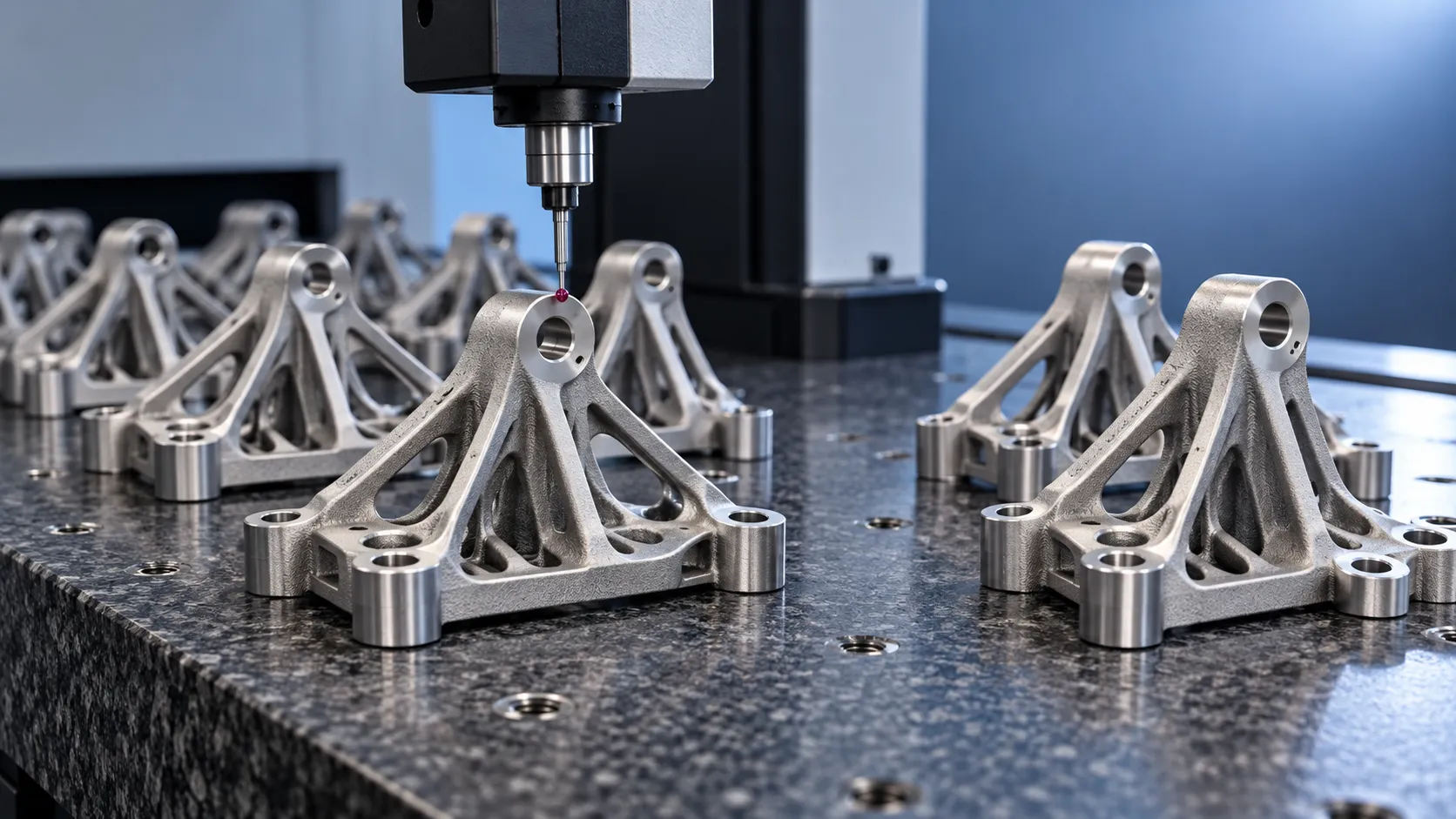
How to verify part consistency before choosing a 3D printing OEM
Choosing a 3D printing OEM? Learn how to verify part consistency with repeat-build trials, validated inspections, and traceability checks before committing to production.
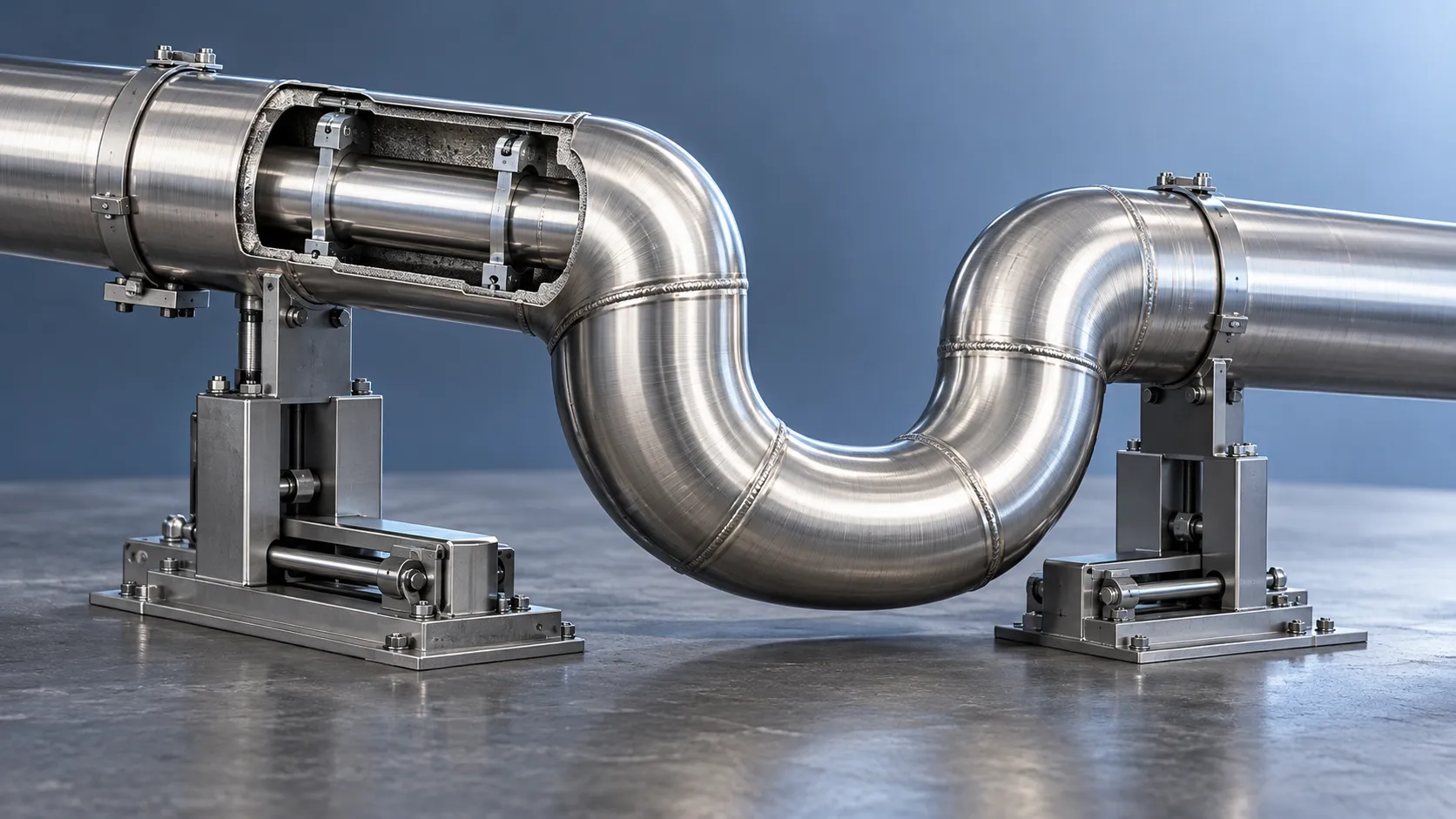
How does a rigid cryogenic transfer line handle thermal contraction?
Learn how a rigid cryogenic transfer line manages thermal contraction with bends, bellows, and guided supports. Discover key design checks for safe, reliable cryogenic performance.
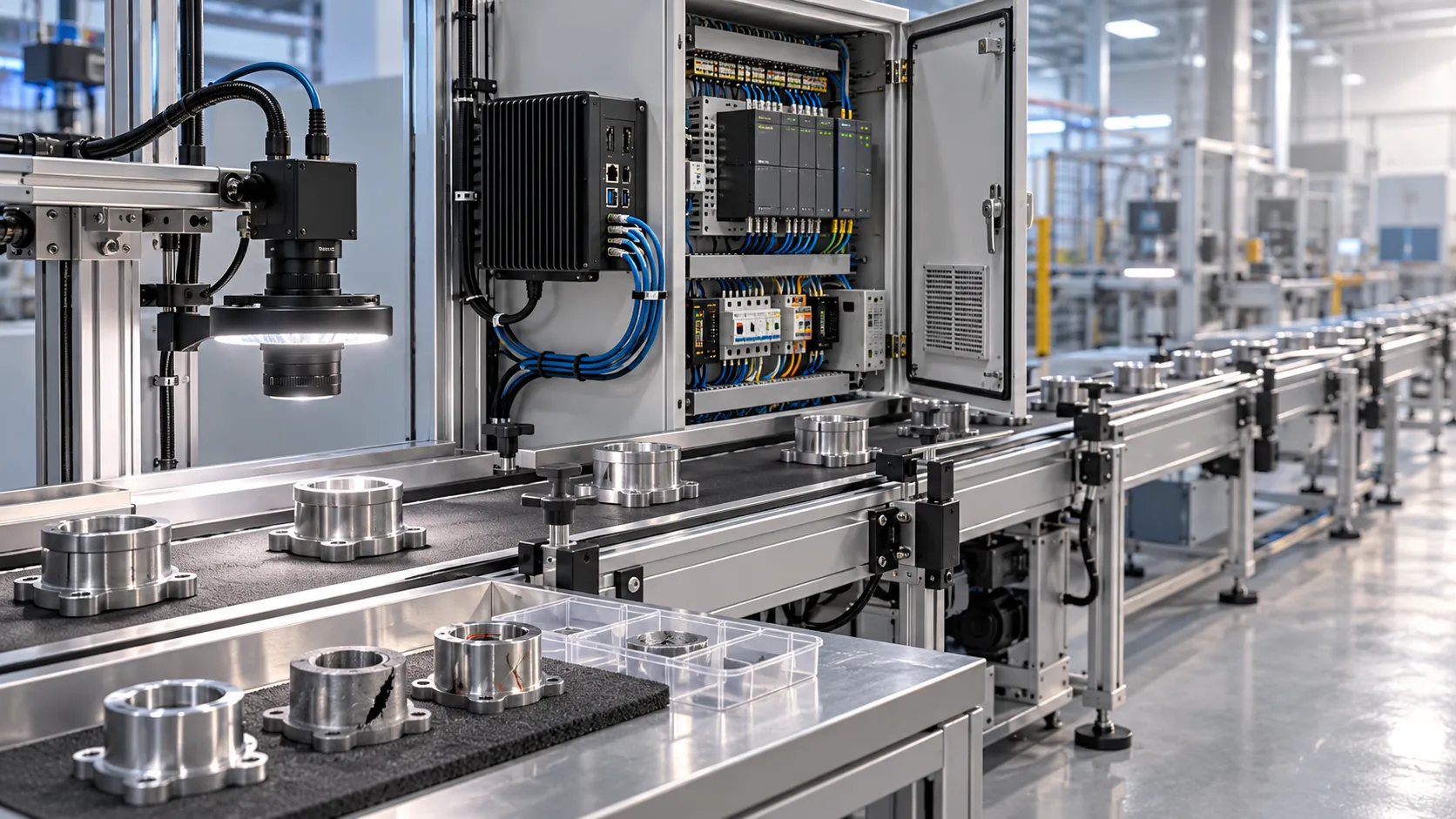
How much does edge vision deployment cost beyond the hardware?
Understand edge vision deployment cost beyond hardware, from data and integration to security and support. Uncover hidden expenses and build a smarter lifecycle budget before you scale.
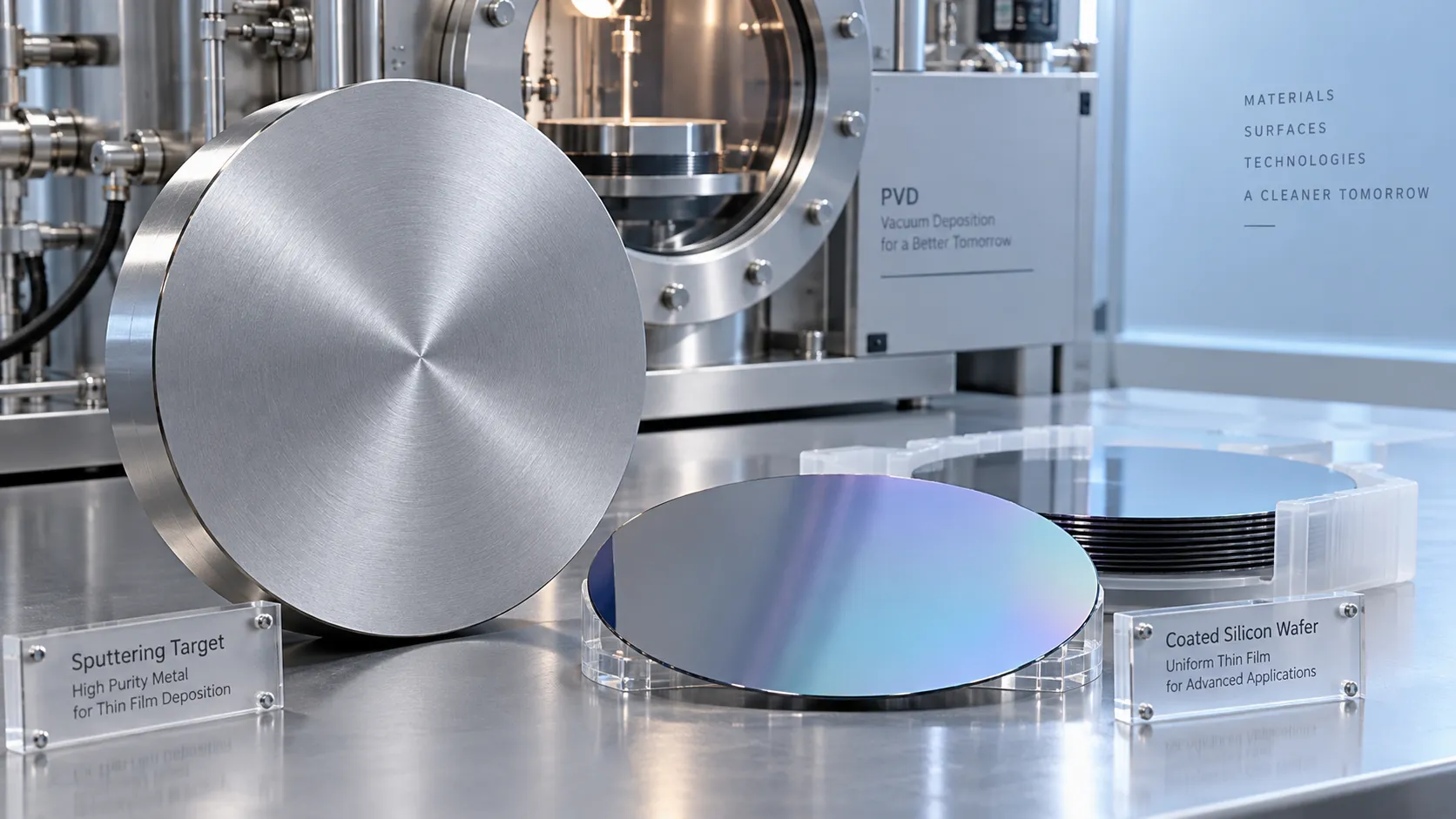
How does the purity of sputtering targets affect thin-film quality?
Discover how sputtering targets affect thin-film quality. Learn to assess purity, identify harmful impurities, and choose specifications that improve coating performance.
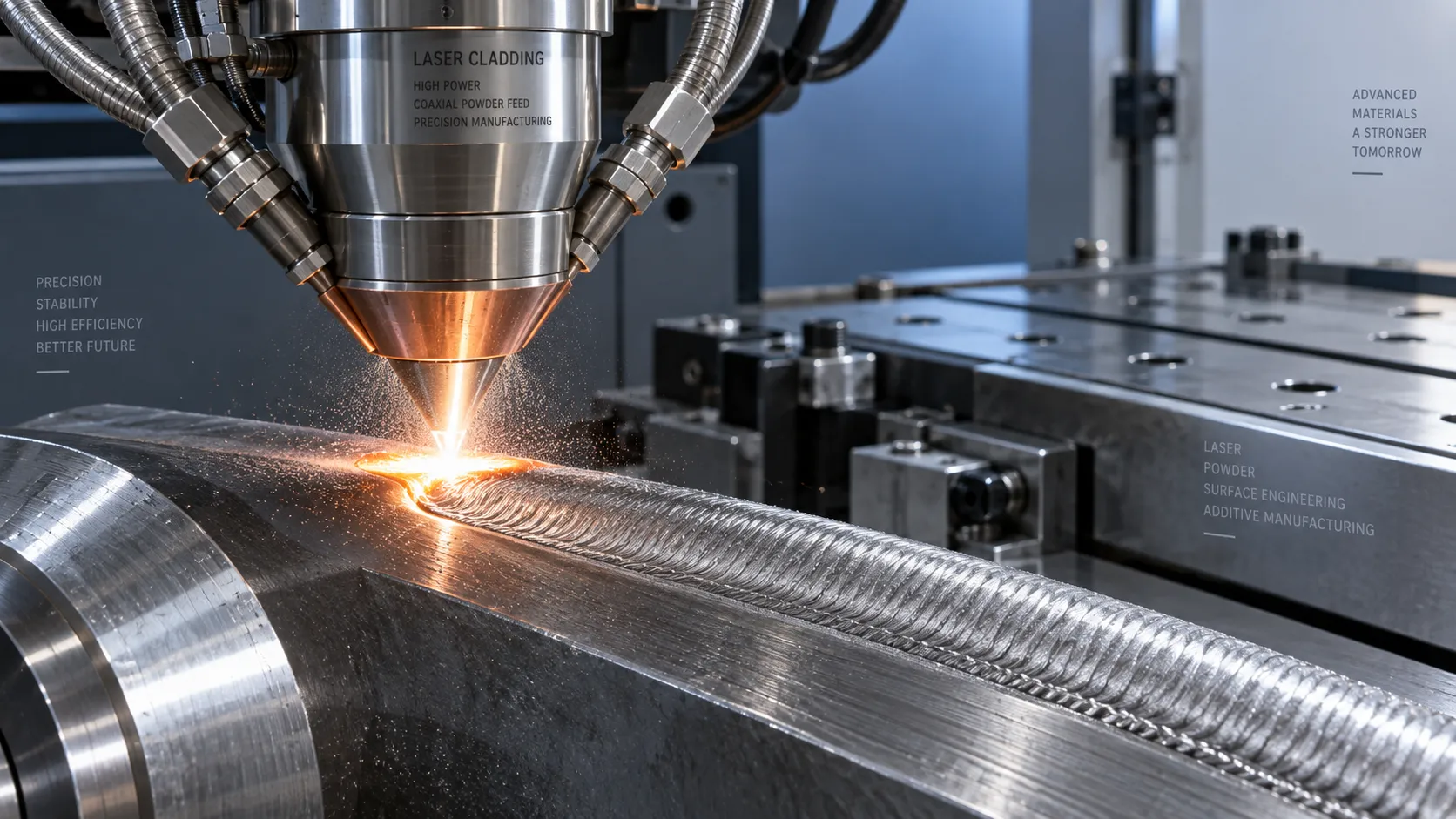
How high power laser cladding systems control substrate dilution
Discover how high power laser cladding systems control substrate dilution through beam shaping, material feed, and thermal management to deliver reliable bonds and coating performance.

How to check HS codes for customs compliance in international logistics
Strengthen international logistics customs compliance: learn how to verify HS codes, check official tariffs, and document classifications to reduce costly shipment delays.
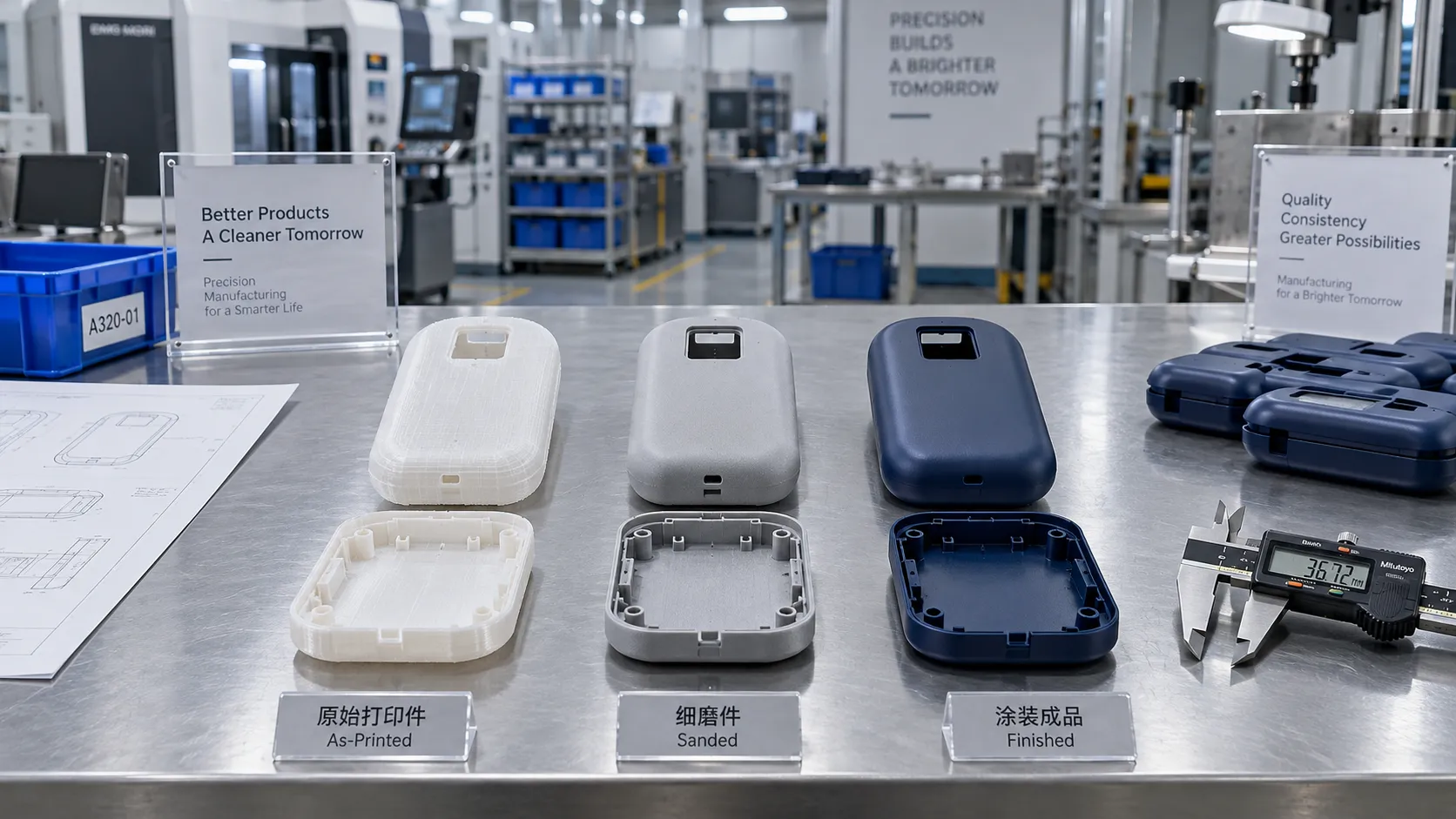
Choosing a 3D Printing Service for Consumer Products: Finish, Fit, and Cost
Compare 3d printing consumer good services by finish, fit, materials, and total cost. Learn how to choose a reliable supplier and avoid costly defects before ordering.
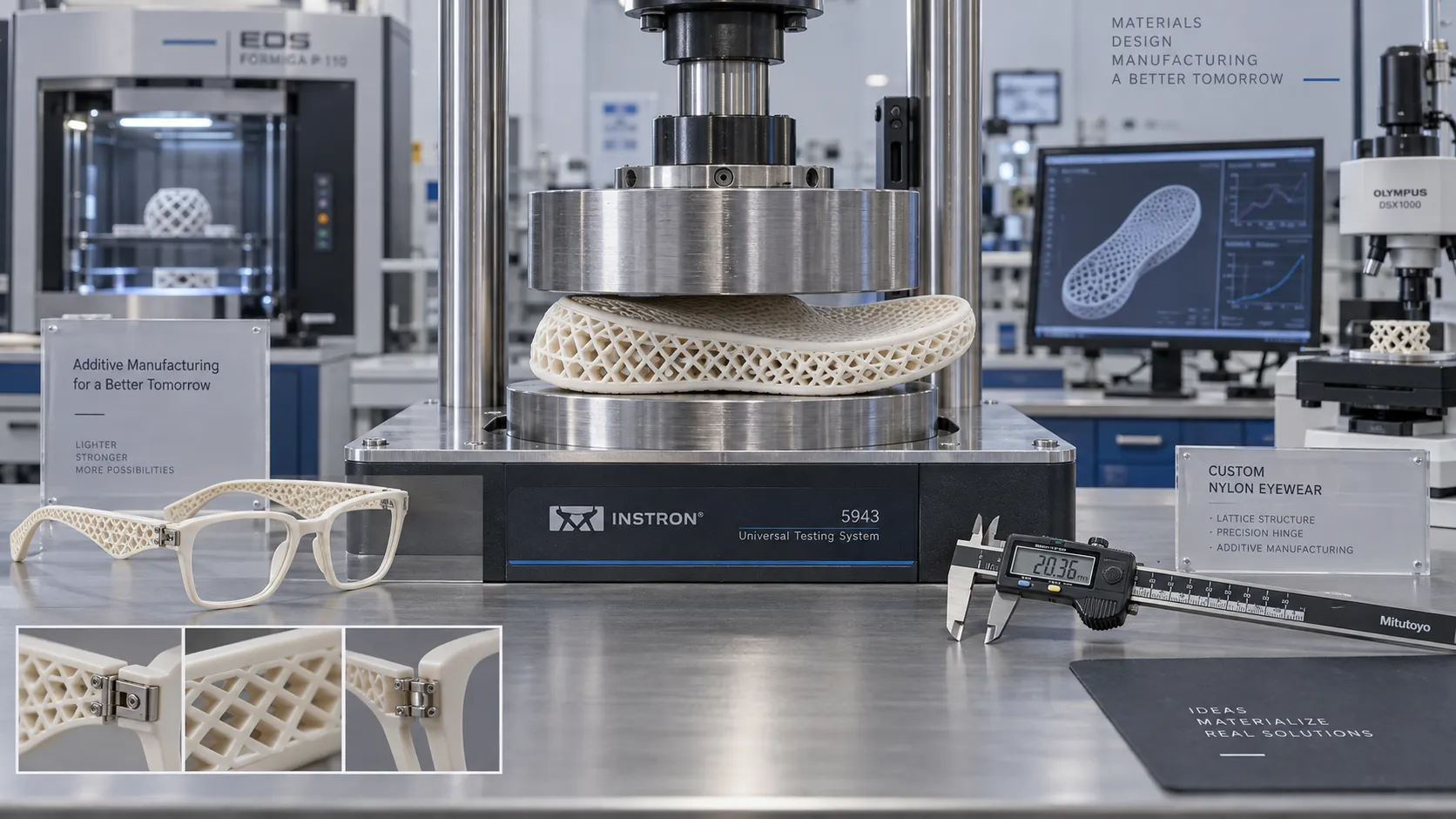
Which Consumer Goods Can Be 3D Printed, and What Are the Practical Limits?
Explore 3d printing consumer goods, from custom eyewear to replacement parts. Discover practical limits on materials, safety, and costs to make smarter production decisions.
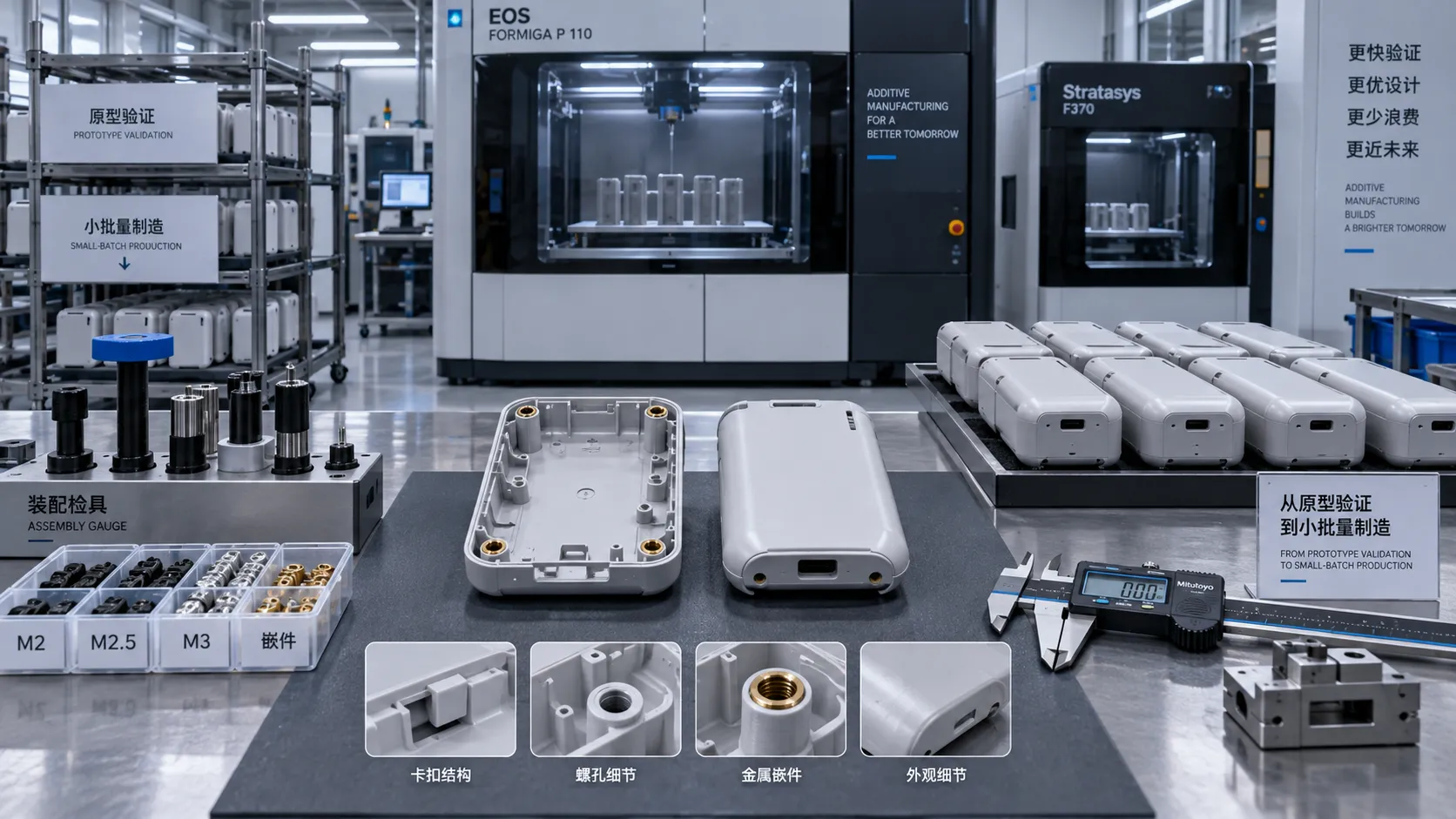
From Prototype to Small Batch: Applying 3D Printing to Consumer Goods
Explore 3d printing in consumer goods: learn how to move from prototype to small-batch production with practical guidance on materials, quality validation, and cost control.
Related News
- 00
0000-00
How to verify part consistency before choosing a 3D printing OEM - 00
0000-00
How does a rigid cryogenic transfer line handle thermal contraction? - 00
0000-00
How much does edge vision deployment cost beyond the hardware? - 00
0000-00
How does the purity of sputtering targets affect thin-film quality? - 00
0000-00
How high power laser cladding systems control substrate dilution
Marcus Print
Weekly Insights
Stay ahead with our curated technology reports delivered every Monday.