
What Additive Manufacturing Really Costs in 2026

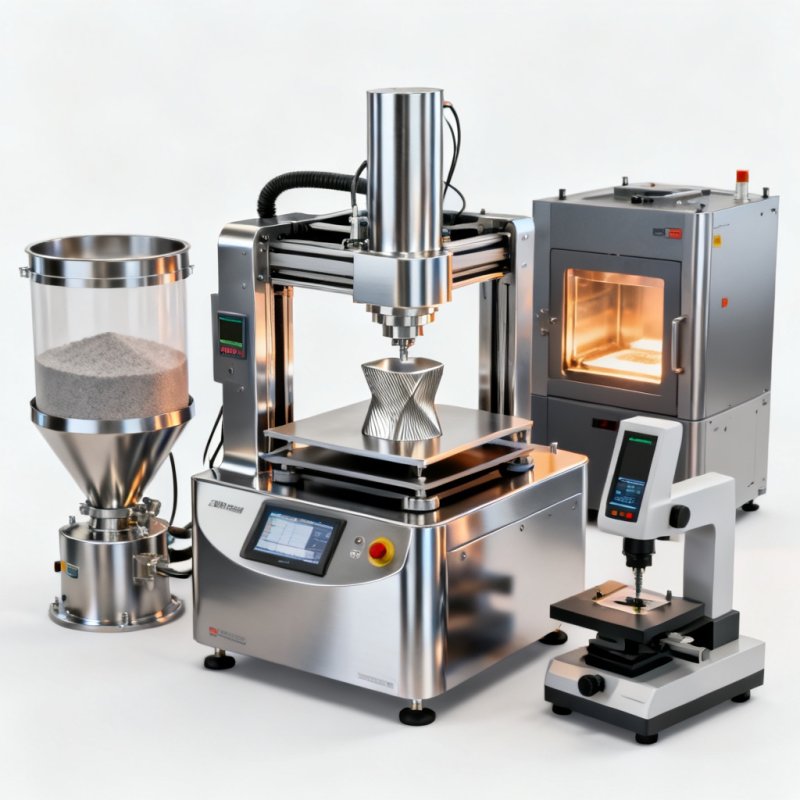
In 2026, the real cost of additive manufacturing is no longer defined by the printer alone. For serious buyers, the true investment includes machine utilization, material qualification, software workflow, post-processing, labor, quality control, certification burden, maintenance, downtime risk, and even export-control exposure. In practice, the cheapest quoted system is often not the lowest-cost production option. For procurement teams, engineers, and industrial decision-makers, the right question is not “What does a 3D printer cost?” but “What does a validated, repeatable, compliant additive manufacturing capability cost over its useful life?”
This guide explains how to evaluate additive manufacturing cost in 2026 across metal and polymer production environments, with a focus on real procurement logic, hidden cost drivers, technical specifications, industrial standards, and business risk.
What buyers really mean when they ask about additive manufacturing cost in 2026
Most searchers using terms like additive manufacturing cost, metal 3D printer cost, or 3D printing production cost are not looking for a single universal number. They are usually trying to answer one of these practical questions:
- How much capital and operating budget is needed to launch or expand additive manufacturing?
- Is additive manufacturing actually cheaper than machining, casting, molding, or outsourced production for our application?
- Which cost elements are usually omitted from vendor quotations?
- How do compliance, quality assurance, and qualification affect total cost?
- What is the likely return on investment for prototyping, tooling, spare parts, or end-use production?
For enterprise buyers and project leaders, the answer depends on five variables: process type, material class, throughput target, quality requirement, and regulatory burden. A polymer prototyping cell and a metal aerospace production line may both be called “additive manufacturing,” but their cost structures are fundamentally different.
That is why budgetary comparisons based only on printer price are misleading. In 2026, mature buyers benchmark total delivered capability, not standalone hardware.
The biggest cost buckets: what actually drives total spend
To estimate the real cost of additive manufacturing, organizations should separate spending into capital expenditure, operating expenditure, and compliance-driven overhead.
1. Equipment acquisition
This includes the printer itself, but also auxiliary systems that are often essential in industrial environments:
- Powder handling or resin management systems
- Sieving, drying, inert gas, and material recovery units
- Post-processing equipment such as depowdering, support removal, heat treatment, HIP, CNC finishing, blasting, polishing, or curing
- Inspection equipment including CMM, CT scanning, optical inspection, and mechanical testing tools
- Facility modifications such as ventilation, fire protection, dust collection, gas supply, vibration control, and access restrictions
For metal additive manufacturing in particular, the surrounding process infrastructure can equal or exceed a large portion of the base machine price.
2. Materials
3D printing materials are one of the most underestimated cost categories. Raw material cost is only the starting point. Real material economics also depend on:
- Powder or filament quality consistency
- Reusability and refresh rate
- Storage and contamination control
- Material qualification and traceability requirements
- Supplier approval constraints
In regulated or high-performance sectors, certified metal powders and engineering polymers may carry substantial premiums, especially where batch traceability and documented process windows are required.
3. Labor and engineering time
Many cost models undervalue engineering labor. In reality, additive manufacturing often requires specialized work in design for additive manufacturing (DfAM), build preparation, support strategy, orientation optimization, simulation, machine setup, post-processing, and inspection planning. If a company is still climbing the learning curve, labor cost per part can remain high for longer than expected.
4. Software and digital workflow
Industrial additive manufacturing increasingly depends on licensed software for:
- Build preparation and nesting
- Topology optimization and DfAM
- Process simulation
- MES integration and production scheduling
- Quality data capture and digital traceability
These software costs are often recurring, and they matter more in multi-machine or multi-site production deployments.
5. Qualification, testing, and compliance
For aerospace, medical, energy, defense, and other controlled industries, qualification may be a major share of total program cost. This can include:
- Material characterization
- Machine acceptance and calibration
- Process validation
- Mechanical testing coupons
- Nondestructive evaluation
- Documentation aligned with ASTM, ISO, customer, or sector-specific standards
In some cases, the cost to prove repeatability is more significant than the cost to print the first parts.
Metal vs polymer additive manufacturing: why cost comparisons often go wrong
One of the most common mistakes in market research is discussing additive manufacturing as if all technologies share the same economic logic. They do not.
Metal additive manufacturing
Metal 3D printing systems such as laser powder bed fusion, directed energy deposition, and binder jetting with sintering generally involve higher capital cost, stricter safety controls, longer qualification cycles, and heavier post-processing requirements. Their economics can make sense when parts are:
- High-value and low-volume
- Geometrically complex
- Difficult to machine conventionally
- Weight-sensitive
- Supply-chain critical or obsolete
The cost advantage usually comes from performance gain, part consolidation, inventory reduction, or lifecycle value rather than simple per-kilogram production cost.
Polymer additive manufacturing
Polymer technologies such as SLS, MJF, SLA, material extrusion, and industrial material jetting often have lower barriers to entry and lower facility burden. However, economics still vary widely depending on throughput, surface finish, mechanical properties, and whether the parts are prototypes, jigs, tooling, or end-use products.
For polymer applications, buyers should pay particular attention to labor intensity, post-processing effort, nesting efficiency, and reject rates. In lower-value applications, these factors can erase the perceived savings of inexpensive equipment.
Hidden costs that procurement teams often discover too late
By 2026, experienced procurement professionals have learned that additive manufacturing projects rarely fail because of the quoted machine price. They fail because hidden costs were ignored during business-case approval.
The most common overlooked costs include:
- Low machine utilization: If production volume is overestimated, fixed cost per part rises sharply.
- Part yield losses: Failed builds, distortion, porosity, support damage, and post-processing scrap can materially affect unit economics.
- Operator skill gap: Recruitment, training, and retention of qualified AM personnel can be expensive.
- Maintenance and service contracts: Laser systems, optics, recoaters, filters, and motion systems need planned support.
- Qualification delay: Long validation timelines defer revenue and extend payback periods.
- Data integration issues: Poor workflow connectivity between CAD, MES, ERP, QA, and inspection tools creates hidden labor cost.
- Supply chain concentration: Dependence on a narrow set of powder, spare parts, or service providers increases procurement risk.
- Energy and gas consumption: Industrial systems can carry meaningful utility loads, especially in metal processing and thermal post-treatment.
These are not minor details. They are often the difference between a credible industrial deployment and an expensive pilot that never scales.
How to calculate the true cost per part
A practical additive manufacturing cost model should go beyond material usage and machine hourly rate. For better decision-making, buyers should estimate cost per qualified part using the following structure:
- Machine depreciation over expected useful life
- Annual maintenance and spare parts
- Facility and utility cost allocation
- Software subscription and digital workflow cost
- Operator and engineering labor
- Material input, refresh, waste, and recoverability
- Post-processing labor and equipment burden
- Inspection and testing cost
- Expected scrap and rework rate
- Compliance, documentation, and audit overhead
The key is to model qualified output, not theoretical output. If a machine can produce 100 parts in a build but only 82 pass dimensional, density, surface, or certification requirements, your economic baseline must be built around those 82 accepted parts.
It is also important to compare additive manufacturing against the correct alternative. In some cases, the benchmark is CNC machining. In others, it is casting plus tooling, imported spare-part inventory, assembly of multiple components, or long lead-time external sourcing. AM often wins not on simple print cost, but on system-level economics.
Where additive manufacturing creates the best business value in 2026
For enterprise decision-makers, the most useful question is not whether additive manufacturing is “cheap” or “expensive,” but where it creates superior value relative to alternatives.
In 2026, additive manufacturing tends to show the strongest economic case in these scenarios:
- Low-volume, high-mix production where tooling costs would otherwise be excessive
- Complex geometries that reduce assembly count or improve performance
- Lightweight structures in aerospace, mobility, robotics, and defense
- Rapid iteration for R&D, fixture development, and custom tooling
- Spare parts on demand where inventory carrying cost and obsolescence are major issues
- Localized production that shortens lead times and reduces logistics exposure
- High-value medical or industrial customization where personalization justifies process cost
Where AM usually performs less well is high-volume, low-complexity production with stable design geometry and mature conventional tooling. In those cases, injection molding, stamping, die casting, or machining often remain more cost-efficient.
Industrial standards, technical specifications, and why they affect cost more than many expect
For industrial buyers, cost cannot be separated from standards and technical specifications. A low-cost printer with weak process control, poor documentation, or uncertain repeatability may appear attractive initially but become expensive when audited against real production requirements.
Relevant cost-linked considerations include:
- Conformance with ISO and ASTM additive manufacturing standards
- Machine process monitoring and parameter stability
- Material certification and batch traceability
- Calibration protocols and metrology compatibility
- Cybersecurity and data integrity in digital production environments
- Operator safety systems and environmental controls
Buyers in regulated sectors should also evaluate the vendor’s validation support, documentation quality, and installed base in similar industries. Technical compliance maturity reduces downstream cost, especially during qualification, customer audits, and scale-up.
Export control and geopolitical risk: a rising cost factor for advanced AM systems
In 2026, export control is no longer a peripheral issue for advanced manufacturing procurement. Certain additive manufacturing platforms, high-performance lasers, specialty alloys, process software, and related components may be subject to export restrictions, end-use review, or cross-border transfer limitations.
This matters because export-control exposure can affect:
- Delivery lead times
- Spare parts access
- Software updates and remote service availability
- Multi-country deployment strategy
- Resale, transfer, or contract manufacturing flexibility
For multinational buyers, the practical implication is clear: procurement teams should include trade compliance and supply continuity review in total-cost assessment. A lower upfront price can become costly if future support, expansion, or cross-border installation is constrained.
A practical procurement checklist for benchmarking additive manufacturing investment
To compare suppliers and technologies more accurately, procurement and technical teams should ask for structured answers to the following:
- What is the demonstrated throughput for our target part geometry, not a generic sample part?
- What acceptance rate is typical after post-processing and inspection?
- What consumables, service intervals, and wear components are expected annually?
- Which materials are fully qualified, and what traceability data is available?
- What software licenses are mandatory, optional, or recurring?
- What facility modifications and safety controls are required?
- What post-processing steps are essential to meet our specification?
- What standards, certifications, and customer references support the claimed capability?
- What is the expected timeline and support scope for process validation?
- Are there export-control, localization, or service-access constraints in our region?
This approach helps organizations compare total operational readiness rather than being distracted by incomplete hardware quotations.
Final judgment: what additive manufacturing really costs in 2026
The real cost of additive manufacturing in 2026 is the cost of building a dependable production capability, not merely purchasing a printer. For simple prototyping, costs may remain manageable and relatively predictable. For industrial metal production, regulated sectors, and precision manufacturing environments, the true budget must include materials strategy, post-processing, inspection, standards compliance, digital workflow, training, maintenance, and geopolitical supply risk.
The most successful buyers do not ask which machine is cheapest. They ask which solution delivers repeatable quality, acceptable cost per qualified part, realistic throughput, and strategic value over time.
If your organization is evaluating Metal 3D Printers, 3D Printing materials, or advanced additive manufacturing systems, the best decision framework is a lifecycle model: technical fit, compliance fit, operational fit, and commercial fit. That is the standard required to understand what additive manufacturing really costs—and whether it is worth it for your business in 2026.
Related News
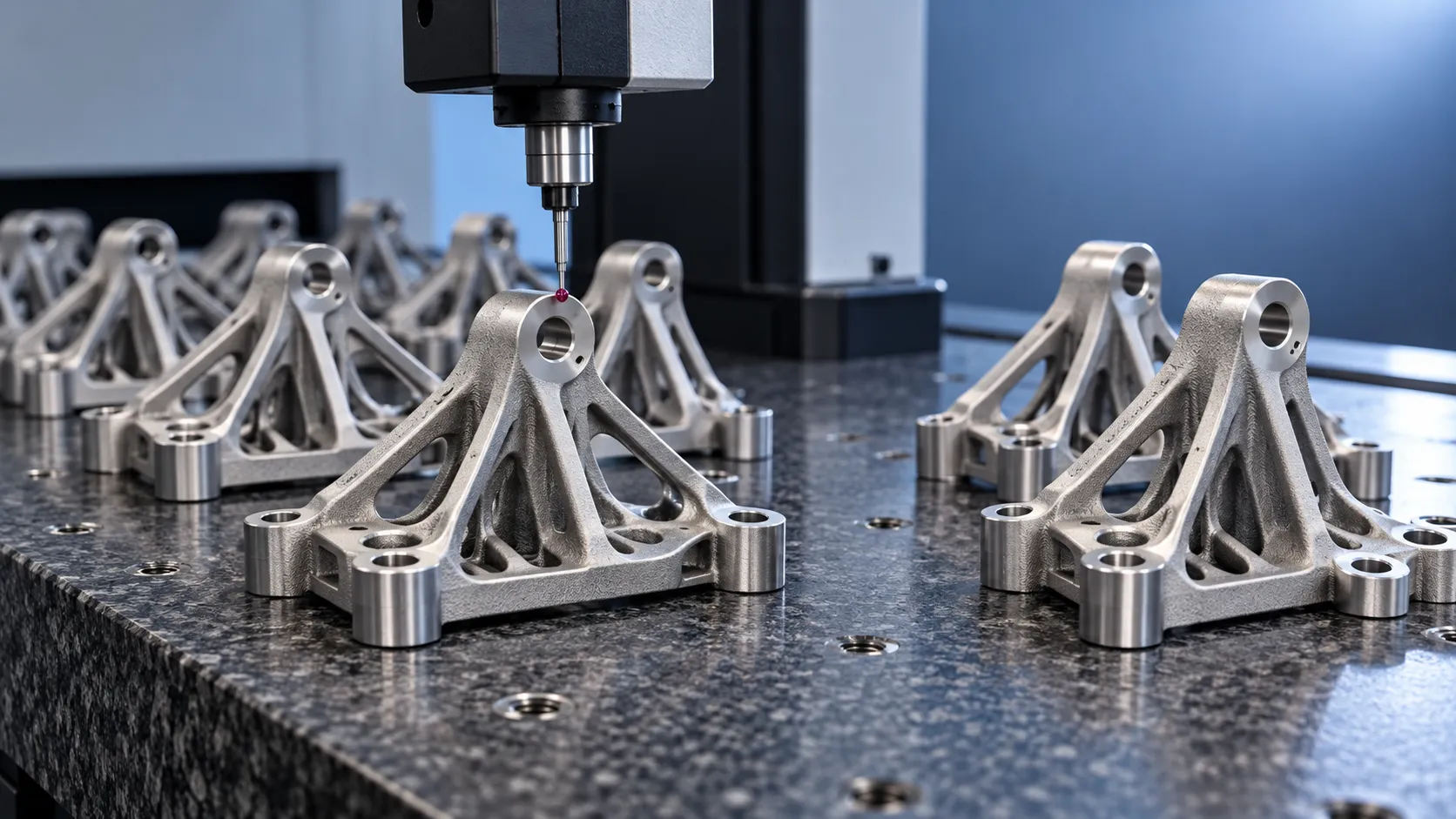
How to verify part consistency before choosing a 3D printing OEM
Choosing a 3D printing OEM? Learn how to verify part consistency with repeat-build trials, validated inspections, and traceability checks before committing to production.
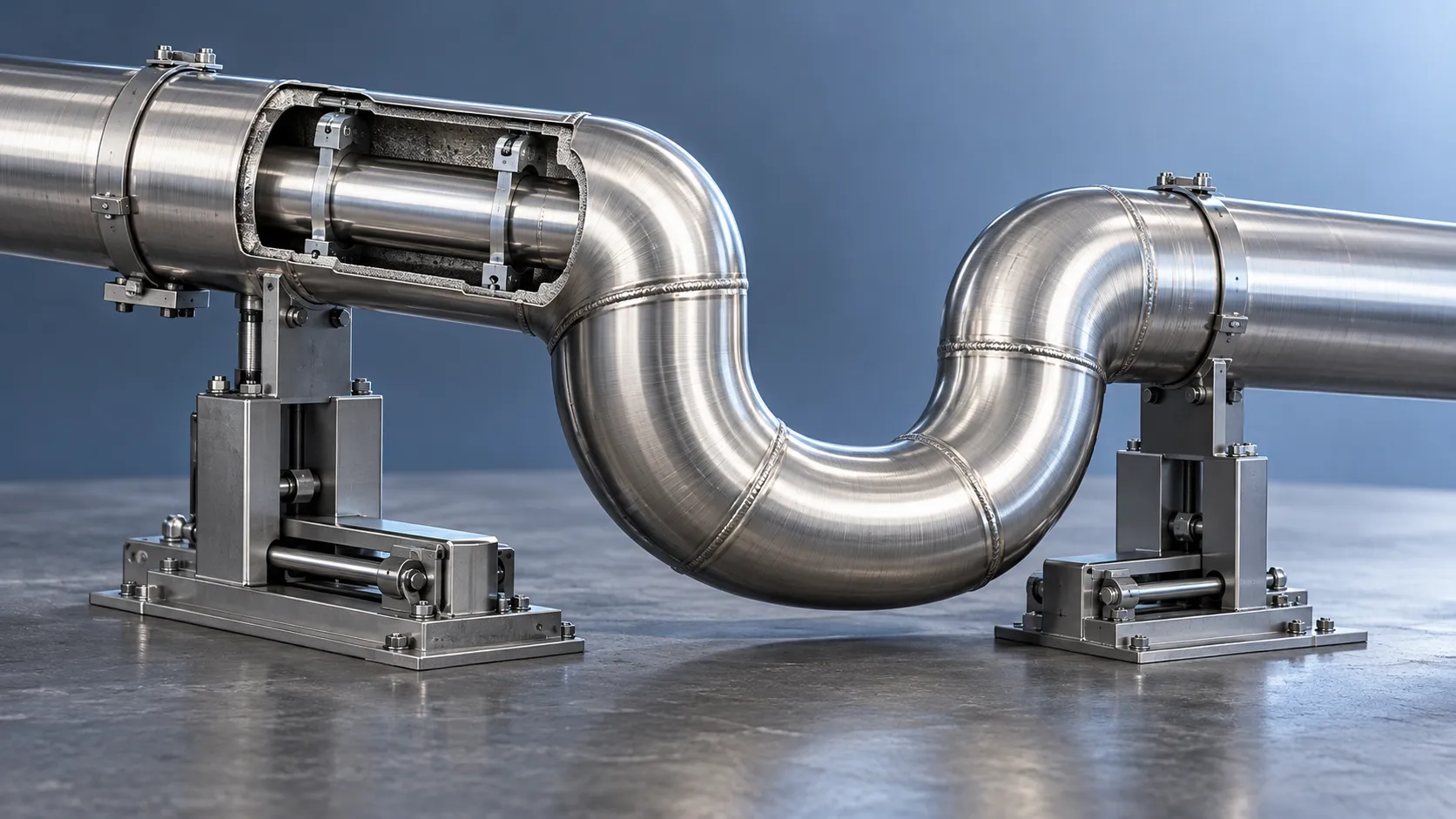
How does a rigid cryogenic transfer line handle thermal contraction?
Learn how a rigid cryogenic transfer line manages thermal contraction with bends, bellows, and guided supports. Discover key design checks for safe, reliable cryogenic performance.
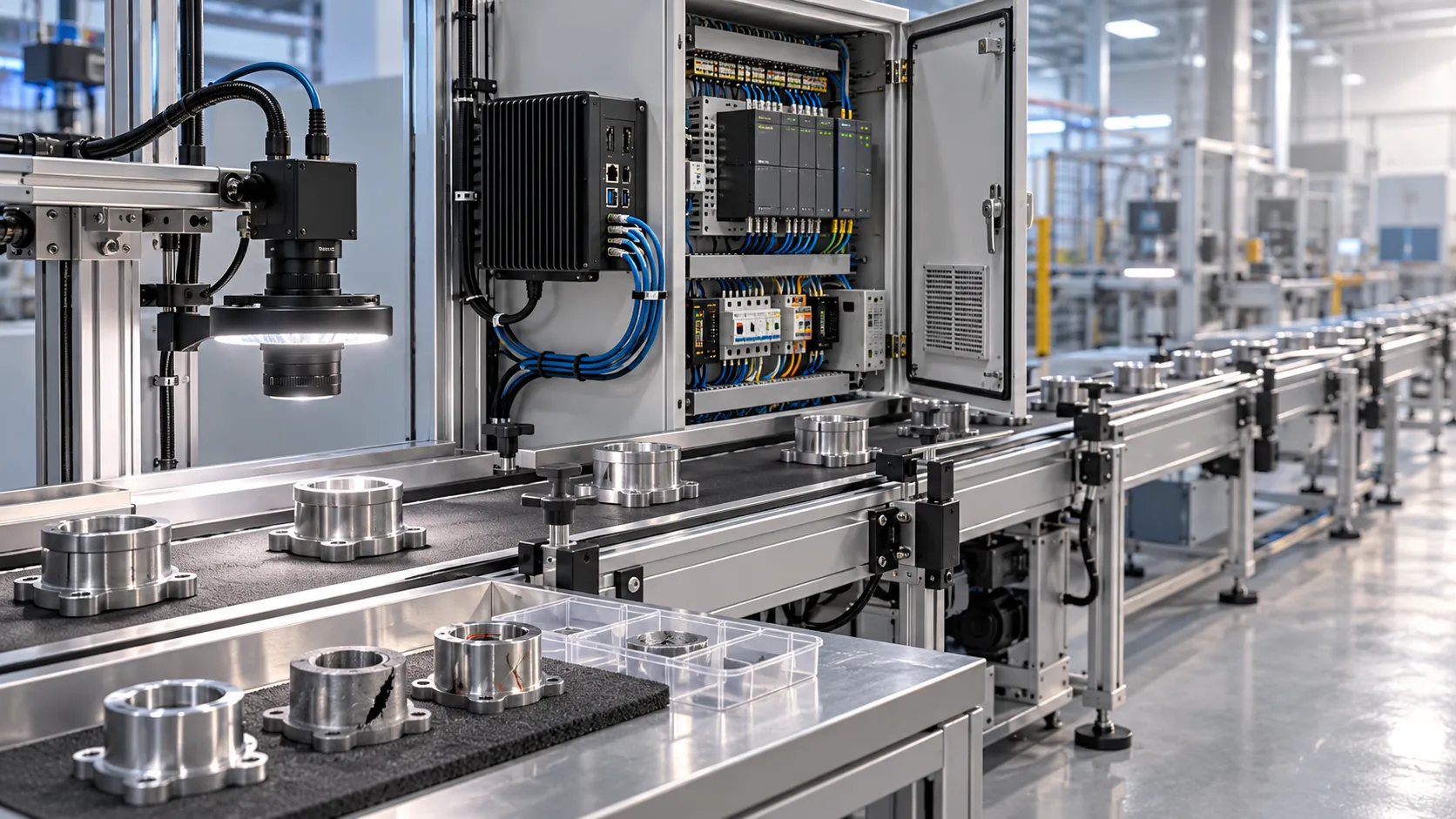
How much does edge vision deployment cost beyond the hardware?
Understand edge vision deployment cost beyond hardware, from data and integration to security and support. Uncover hidden expenses and build a smarter lifecycle budget before you scale.
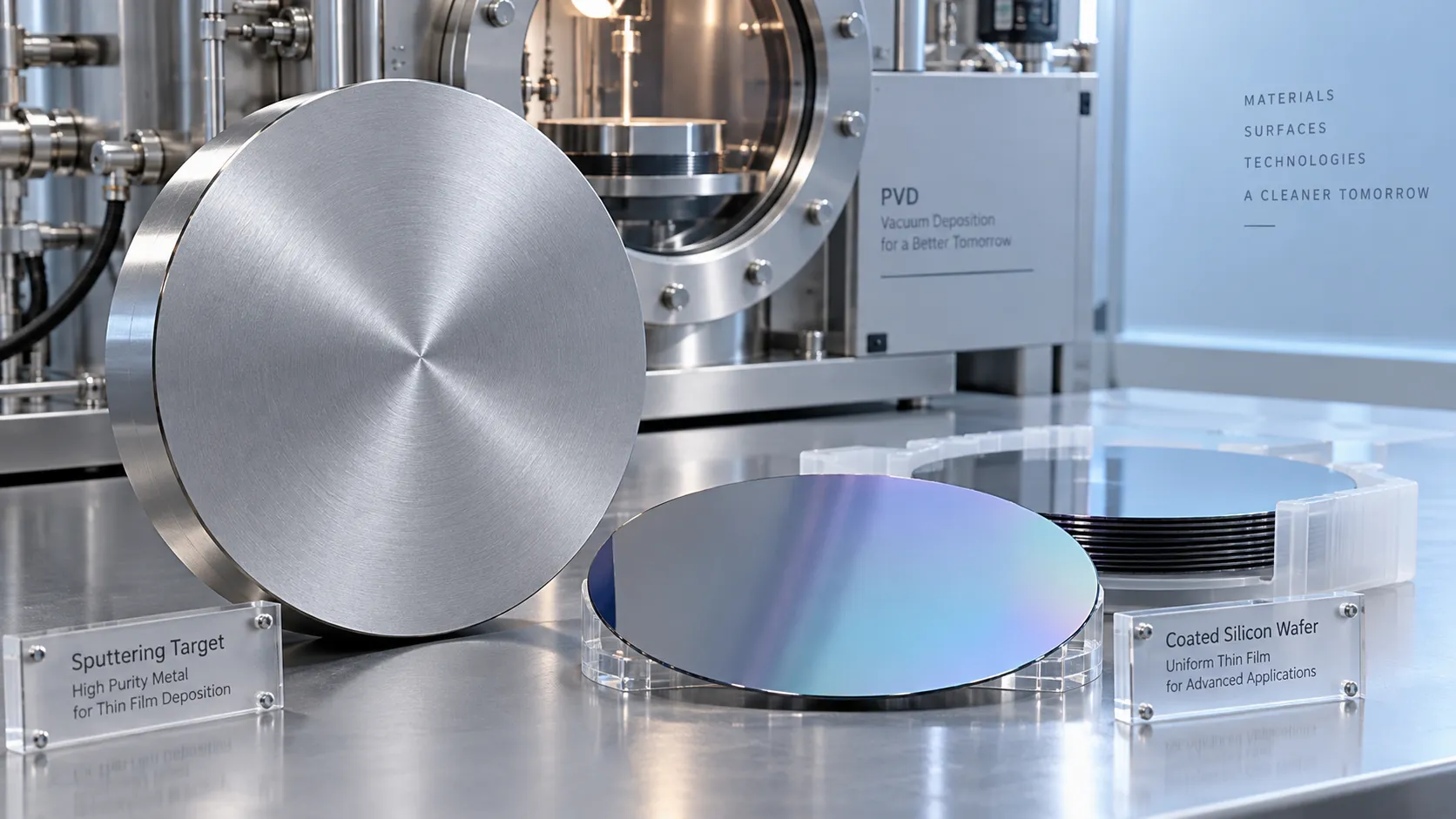
How does the purity of sputtering targets affect thin-film quality?
Discover how sputtering targets affect thin-film quality. Learn to assess purity, identify harmful impurities, and choose specifications that improve coating performance.
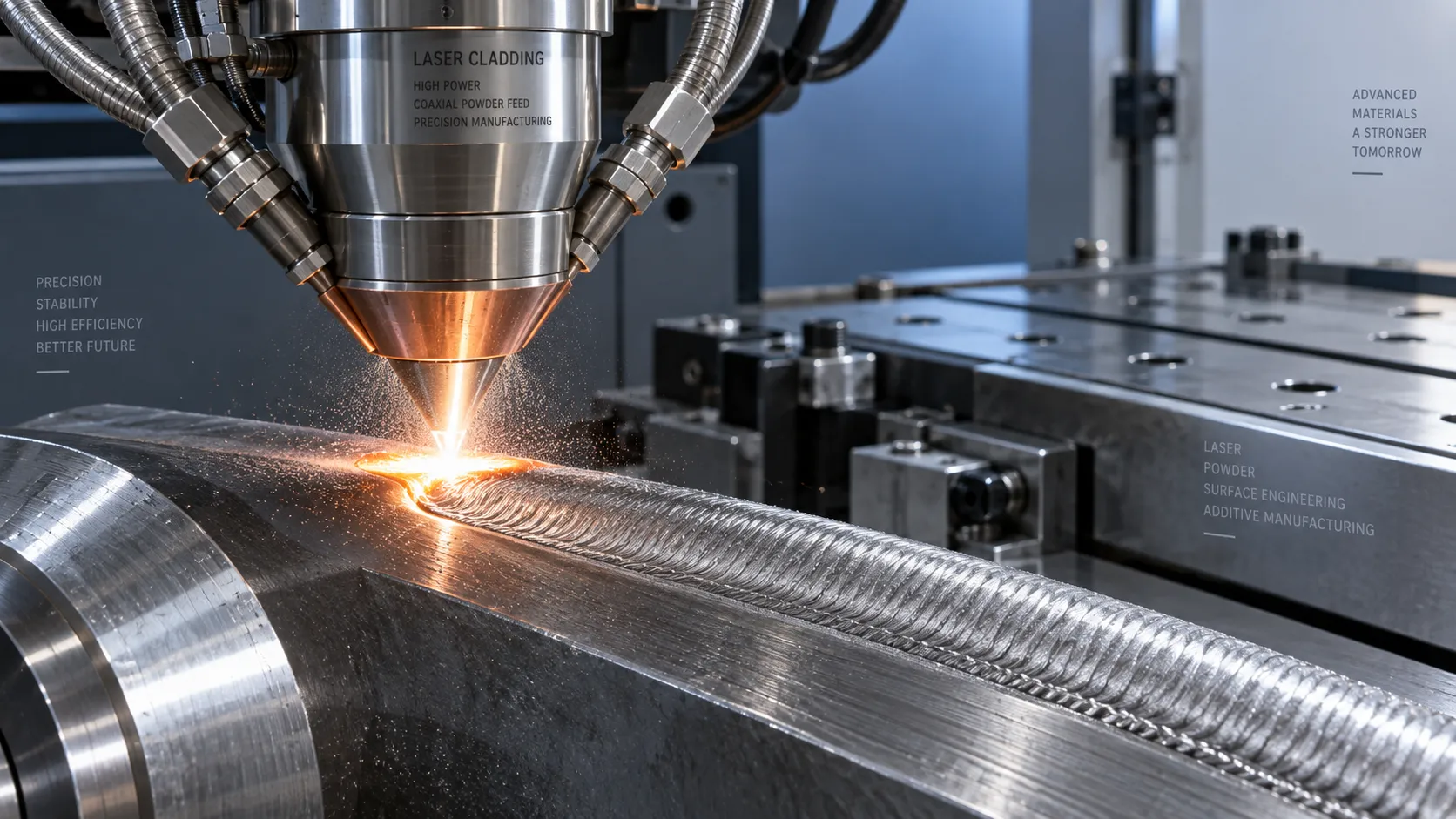
How high power laser cladding systems control substrate dilution
Discover how high power laser cladding systems control substrate dilution through beam shaping, material feed, and thermal management to deliver reliable bonds and coating performance.
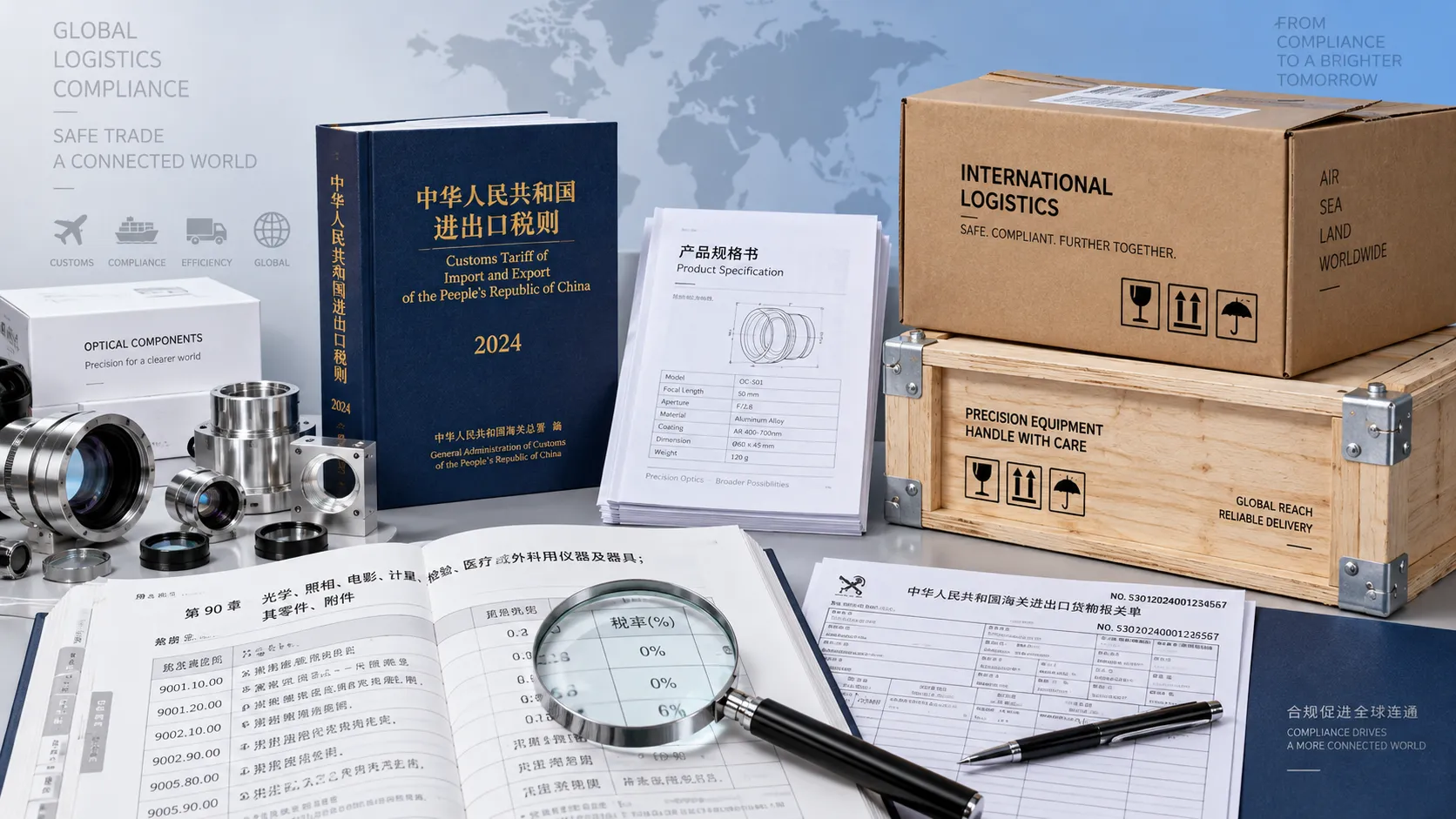
How to check HS codes for customs compliance in international logistics
Strengthen international logistics customs compliance: learn how to verify HS codes, check official tariffs, and document classifications to reduce costly shipment delays.
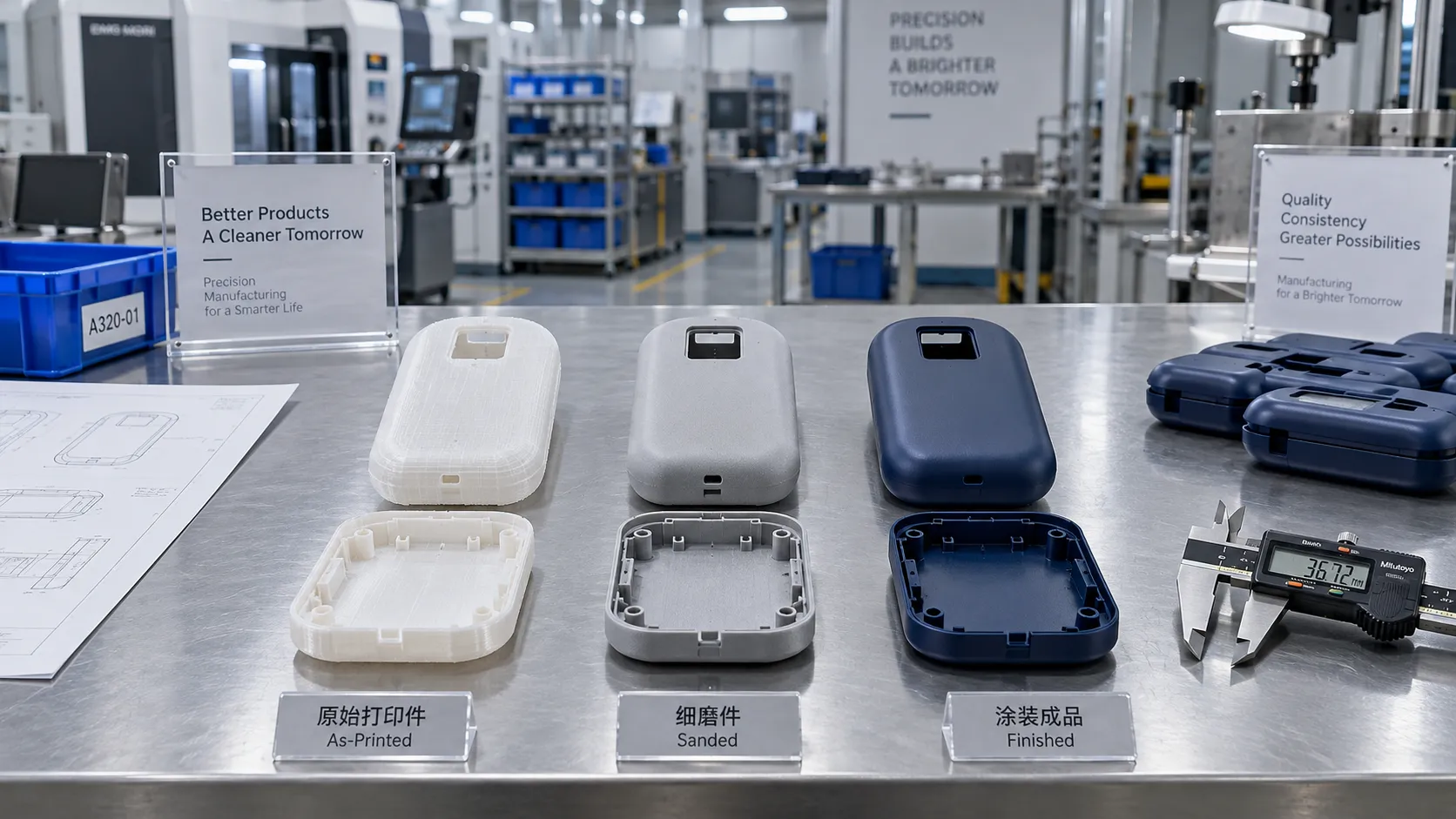
Choosing a 3D Printing Service for Consumer Products: Finish, Fit, and Cost
Compare 3d printing consumer good services by finish, fit, materials, and total cost. Learn how to choose a reliable supplier and avoid costly defects before ordering.
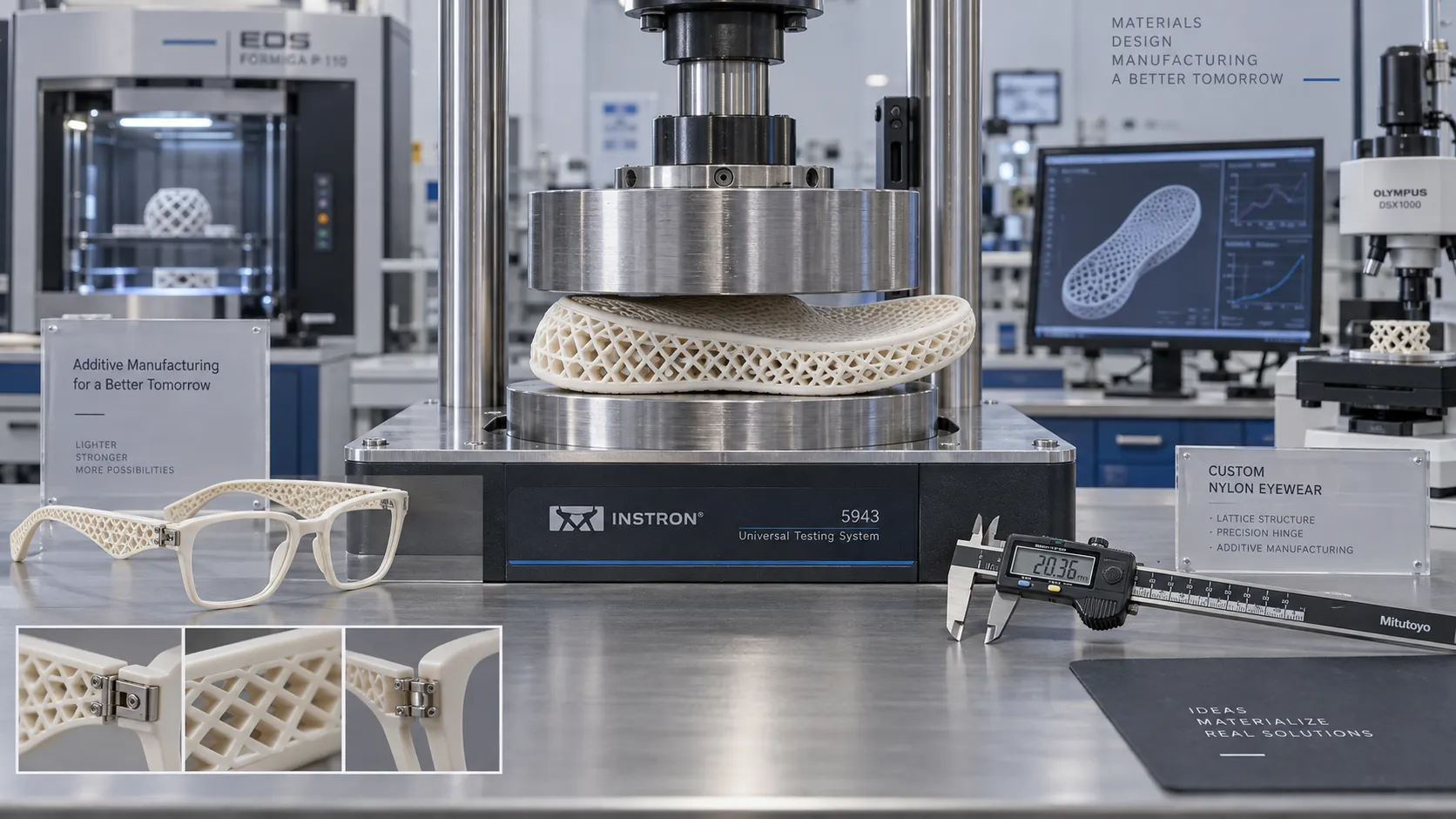
Which Consumer Goods Can Be 3D Printed, and What Are the Practical Limits?
Explore 3d printing consumer goods, from custom eyewear to replacement parts. Discover practical limits on materials, safety, and costs to make smarter production decisions.
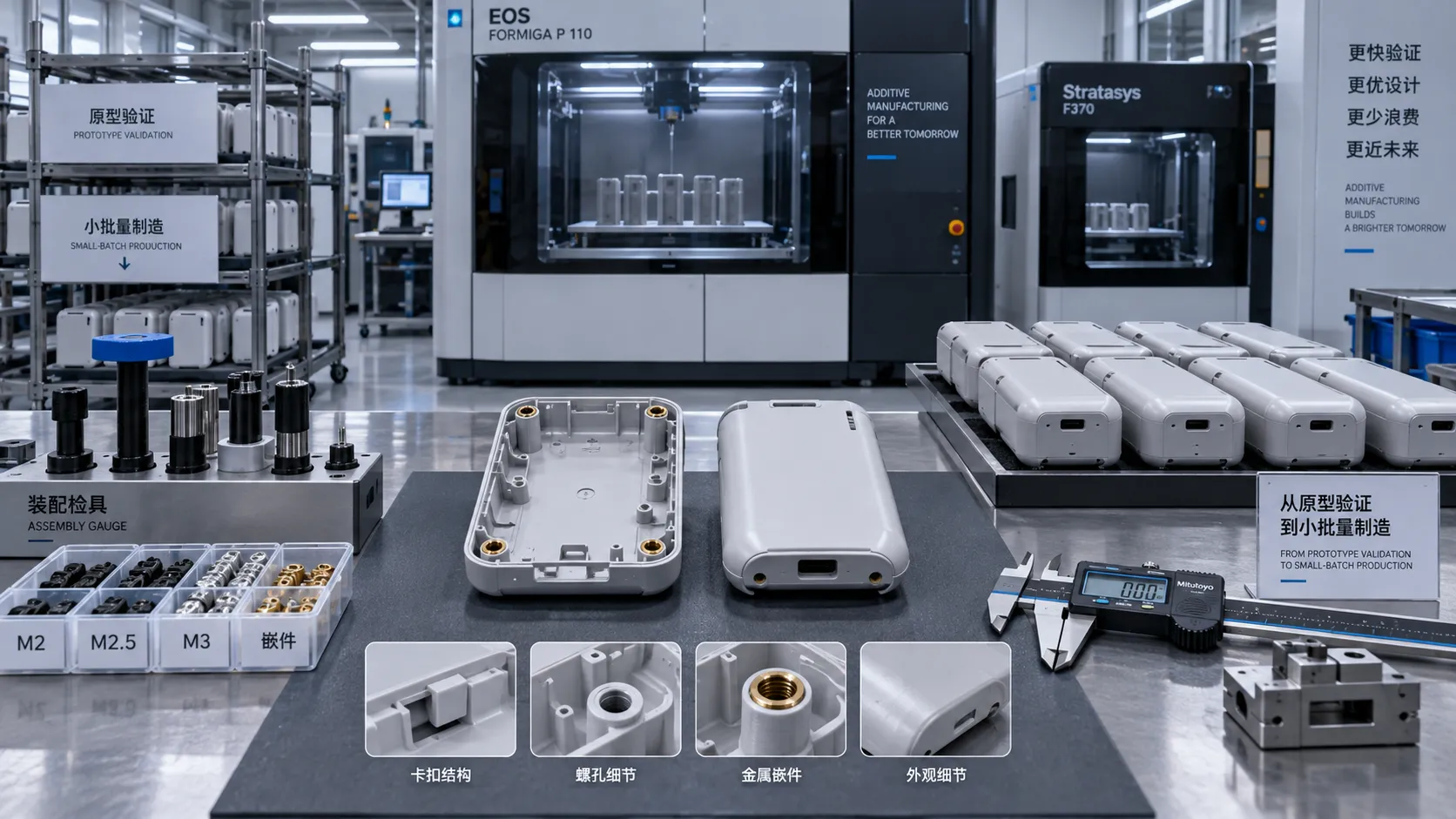
From Prototype to Small Batch: Applying 3D Printing to Consumer Goods
Explore 3d printing in consumer goods: learn how to move from prototype to small-batch production with practical guidance on materials, quality validation, and cost control.
Related News
- 00
0000-00
How to verify part consistency before choosing a 3D printing OEM - 00
0000-00
How does a rigid cryogenic transfer line handle thermal contraction? - 00
0000-00
How much does edge vision deployment cost beyond the hardware? - 00
0000-00
How does the purity of sputtering targets affect thin-film quality? - 00
0000-00
How high power laser cladding systems control substrate dilution
Marcus Print
Weekly Insights
Stay ahead with our curated technology reports delivered every Monday.