
When 3D Printing Reduced Material Waste Pays Off

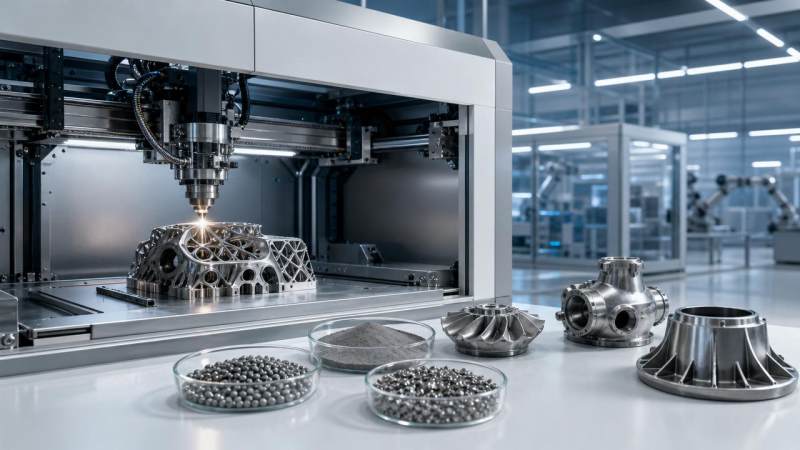
For financial decision-makers, the real value of additive manufacturing begins when 3D printing reduced material waste translates into measurable cost control, stronger margins, and lower inventory risk. Beyond engineering flexibility, this shift can improve capital efficiency, support sustainability targets, and shorten payback cycles. Understanding where waste reduction delivers the fastest financial return is essential for approving investments with confidence.
Why the conversation has shifted from innovation appeal to waste economics
A notable change is taking place across industrial procurement and capital planning: additive manufacturing is no longer evaluated only as a design freedom tool. It is increasingly reviewed as a waste-control strategy. In sectors facing volatile material costs, tighter environmental reporting, and pressure to shorten production cycles, the moment when 3D printing reduced material waste becomes financially visible is often the moment internal approval becomes easier.
This shift matters because traditional manufacturing waste has become more expensive in several ways at once. Companies are not only paying for excess raw material, but also for scrap handling, rework, tooling inflexibility, warehouse exposure, and compliance overhead. As a result, the economic lens around 3D printing has widened. Finance teams now want to know less about novelty and more about unit economics, throughput assumptions, inventory compression, and the timing of return on invested capital.
For organizations operating in advanced manufacturing, this is where institutions such as G-AIT add value: by connecting technical performance, standards alignment, and commercial intelligence so that purchasing decisions are grounded in verifiable industrial logic rather than hype. The current signal is clear: the market is rewarding practical waste reduction, not abstract innovation claims.
What is changing in the market around 3D printing reduced material waste
The strongest trend is that buyers are comparing additive manufacturing against full life-cycle material efficiency, not just machine price. In earlier adoption phases, many firms focused on printer capability, speed, or part complexity. Today, approval committees are asking more disciplined questions: How much feedstock is actually converted into final parts? How much post-processing loss remains? Can lightweight redesigns lower downstream transport or assembly costs? Will digital inventory reduce obsolete stock?
Another important change is the rise of mixed evaluation models. Instead of asking whether 3D printing should replace conventional manufacturing entirely, firms are identifying high-waste parts, low-volume components, expensive alloys, and frequently revised designs as the best candidates. This selective adoption model makes 3D printing reduced material waste easier to quantify and turns the investment discussion into a portfolio decision rather than a binary bet.
The main forces driving this trend
Several forces are pushing waste reduction into the center of additive manufacturing decisions. First, material prices remain a board-level concern in many industrial categories, especially for specialty polymers, engineering resins, titanium, nickel alloys, and other high-value inputs. When feedstock is expensive, every percentage point of yield matters more.
Second, sustainability has become more auditable. Many companies can no longer rely on broad environmental statements. They must connect operational changes to measurable reductions in waste, energy intensity, and logistics burden. In this environment, 3D printing reduced material waste is useful because it can support both ESG narratives and operational accounting, provided traceability is strong.
Third, product complexity is rising while production runs are fragmenting. More industries now require frequent design updates, part customization, and shorter market windows. Conventional tooling-heavy production often performs poorly under these conditions because change creates obsolete inventory and additional setup loss. Additive workflows can align better with demand variability.
Fourth, quality systems and standards have matured. Buyers are more willing to consider additive manufacturing for critical applications when benchmarking, process validation, and inspection protocols are clearer. This matters because waste reduction only pays off if part reliability remains acceptable. Savings that trigger quality escapes or warranty costs will not survive financial scrutiny.
Driver summary for finance and procurement teams
Where 3D printing reduced material waste pays off fastest
Not every use case generates the same return. Financially, the fastest payoff usually appears where material is costly, scrap rates are structurally high, or tooling creates significant waste. Low-volume metal components, spare parts with unpredictable demand, customized industrial fixtures, lightweight assemblies, and parts requiring multiple machining steps often stand out.
A common pattern is that additive manufacturing creates value through stacked savings rather than a single headline benefit. The raw material reduction may be the trigger, but the full business case often includes fewer part consolidations, reduced assembly labor, lower safety stock, less obsolescence, and faster engineering iteration. This is why a narrow machine-versus-machine comparison can underestimate the economics.
For financial approvers, the key is to identify cases where waste reduction is structural rather than temporary. If the part geometry repeatedly causes conventional scrap, if demand is consistently fragmented, or if design updates routinely invalidate inventory, then the savings from 3D printing reduced material waste are more durable and bankable.
Who feels the impact most across the business
The impact of this trend reaches beyond engineering. It affects budgeting, procurement strategy, plant operations, and even after-sales support. This is why internal alignment matters. Different functions will evaluate the same additive initiative through different lenses, and approval often stalls when those lenses are not reconciled.
Signals worth watching before approving a new investment
Decision-makers should avoid treating all additive projects as equal. The more reliable approach is to watch for signals that indicate whether 3D printing reduced material waste will translate into real financial performance. One important signal is recurring scrap in current production. Another is whether the business faces frequent engineering changes that make existing stock vulnerable. A third is whether conventional production requires high buy-to-fly ratios, expensive tooling, or multi-part assemblies that could be consolidated.
It is also important to monitor quality-related variables. Waste reduction loses value quickly if post-processing, inspection failures, porosity issues, or inconsistent powder handling introduce hidden costs. This is where technical benchmarking and standards-based validation become part of the financial decision. The strongest projects are those where waste savings and quality control mature together.
A practical evaluation sequence
How finance teams should interpret the next phase of adoption
The next phase is unlikely to be defined by universal replacement of conventional processes. More likely, adoption will deepen in categories where waste economics are easiest to prove. That means capital approval frameworks should become more selective, more data-led, and more application-specific. Rather than asking whether additive manufacturing is broadly attractive, finance teams should ask where it changes the cost structure enough to matter.
A second interpretation is that digital manufacturing capability is becoming a resilience asset. When parts can be produced closer to demand, with less excess stock and lower material loss, the value includes optionality. In uncertain supply environments, optionality itself has financial worth. It may not always appear in a simple unit cost comparison, but it affects continuity, cash exposure, and service responsiveness.
A third implication is that benchmarking discipline will matter more. As more suppliers claim sustainability and efficiency benefits, buyers will need credible process data, repeatability evidence, and standards alignment. Institutions that combine technical benchmarking with market intelligence can help decision-makers distinguish real industrial capability from marketing language.
Practical actions to take now
If your organization is reviewing additive manufacturing, begin with a waste map rather than a technology wish list. Identify the parts, materials, and product lines where scrap, overproduction, or inventory obsolescence are persistent. Then compare those cases against additive alternatives using full-cost logic, including post-processing, inspection, qualification, logistics, and storage impacts.
Next, build a cross-functional approval model. Engineering may validate feasibility, but finance should own the assumptions behind payback, procurement should test supplier reliability, and quality teams should define acceptance thresholds. This prevents overstating the savings from 3D printing reduced material waste while ignoring process control costs.
Finally, treat early projects as decision infrastructure. The goal is not only to save money on one part, but also to create a repeatable method for identifying where additive manufacturing outperforms traditional production economically. The companies that do this well are not chasing technology trends blindly; they are building sharper capital discipline around industrial change.
Final judgment for approval-minded leaders
The real significance of 3D printing reduced material waste is that it changes additive manufacturing from a promising technical option into a measurable financial lever. The most important trend is not that more companies are experimenting with 3D printing, but that more are learning where waste reduction produces durable margin improvement, lower inventory risk, and more flexible operations.
If your business wants to judge the opportunity accurately, focus on a few core questions: Where is material waste structurally embedded today? Which parts suffer from tooling rigidity or demand uncertainty? Can quality validation keep pace with cost expectations? And can savings be documented across the full operating model rather than at the machine level alone? Those answers will do more to guide a sound investment decision than any generic promise about the future of manufacturing.
Related News
How to verify part consistency before choosing a 3D printing OEM
Choosing a 3D printing OEM? Learn how to verify part consistency with repeat-build trials, validated inspections, and traceability checks before committing to production.
How does a rigid cryogenic transfer line handle thermal contraction?
Learn how a rigid cryogenic transfer line manages thermal contraction with bends, bellows, and guided supports. Discover key design checks for safe, reliable cryogenic performance.
How much does edge vision deployment cost beyond the hardware?
Understand edge vision deployment cost beyond hardware, from data and integration to security and support. Uncover hidden expenses and build a smarter lifecycle budget before you scale.

How does the purity of sputtering targets affect thin-film quality?
Discover how sputtering targets affect thin-film quality. Learn to assess purity, identify harmful impurities, and choose specifications that improve coating performance.
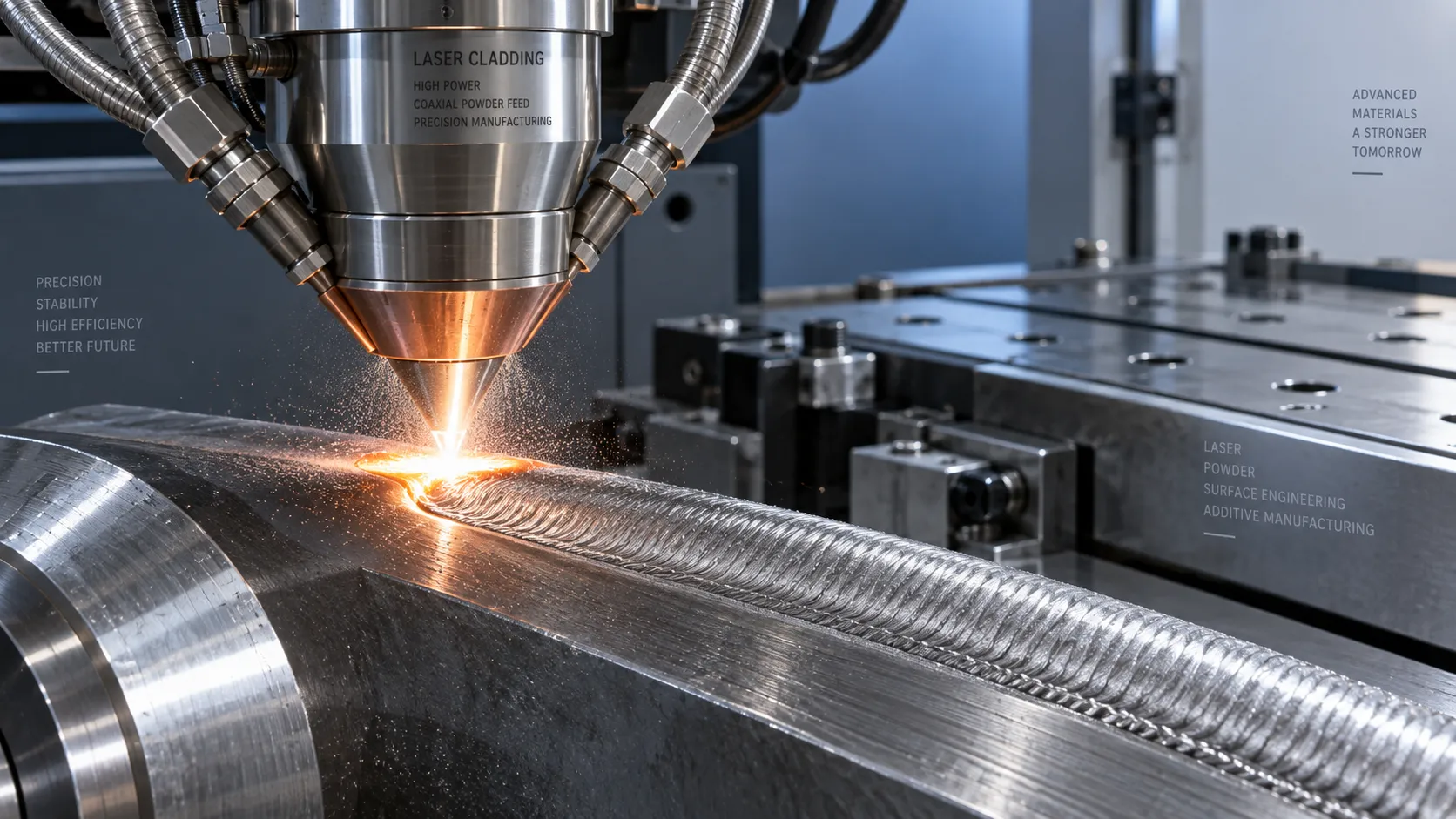
How high power laser cladding systems control substrate dilution
Discover how high power laser cladding systems control substrate dilution through beam shaping, material feed, and thermal management to deliver reliable bonds and coating performance.

How to check HS codes for customs compliance in international logistics
Strengthen international logistics customs compliance: learn how to verify HS codes, check official tariffs, and document classifications to reduce costly shipment delays.
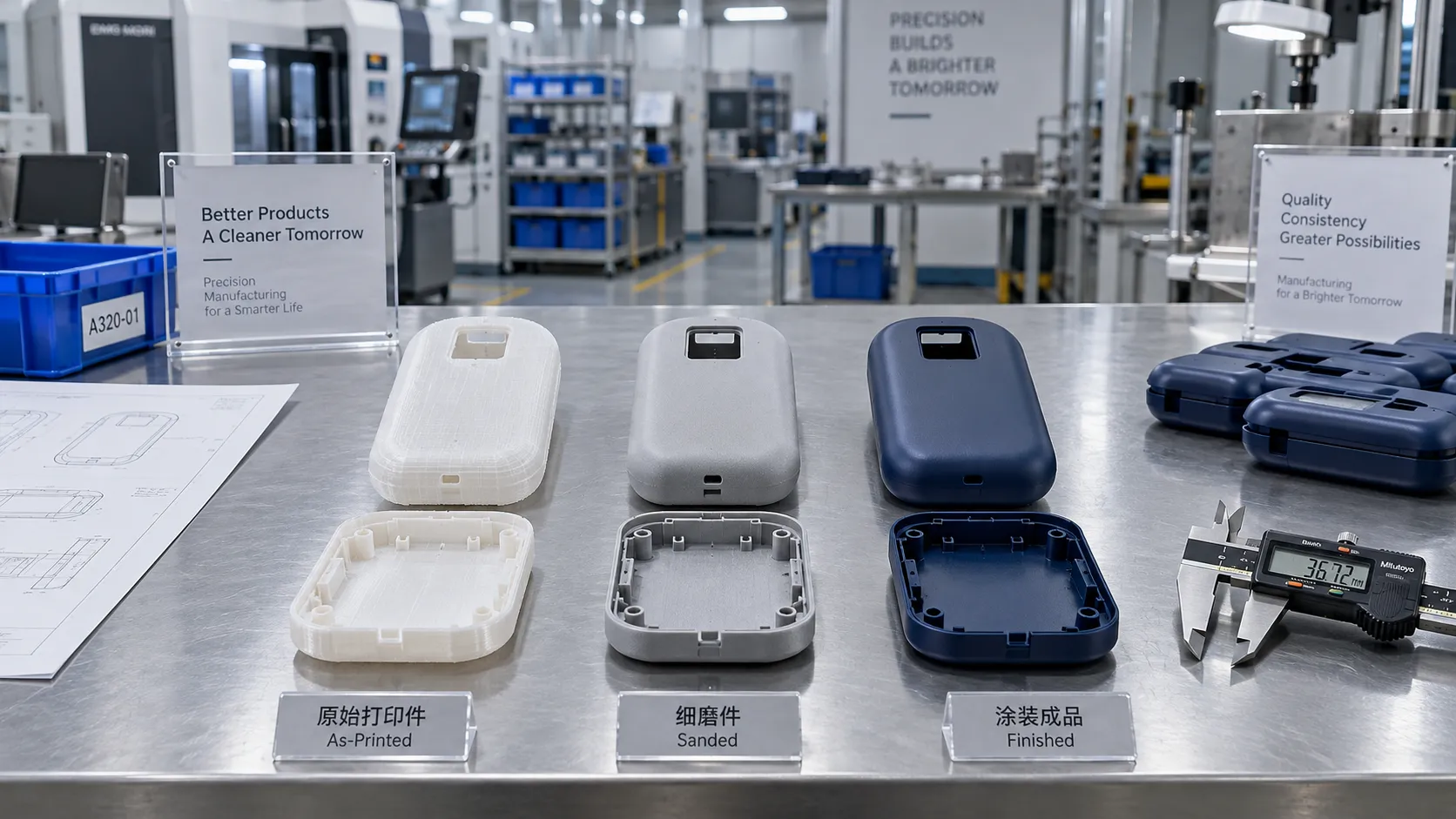
Choosing a 3D Printing Service for Consumer Products: Finish, Fit, and Cost
Compare 3d printing consumer good services by finish, fit, materials, and total cost. Learn how to choose a reliable supplier and avoid costly defects before ordering.
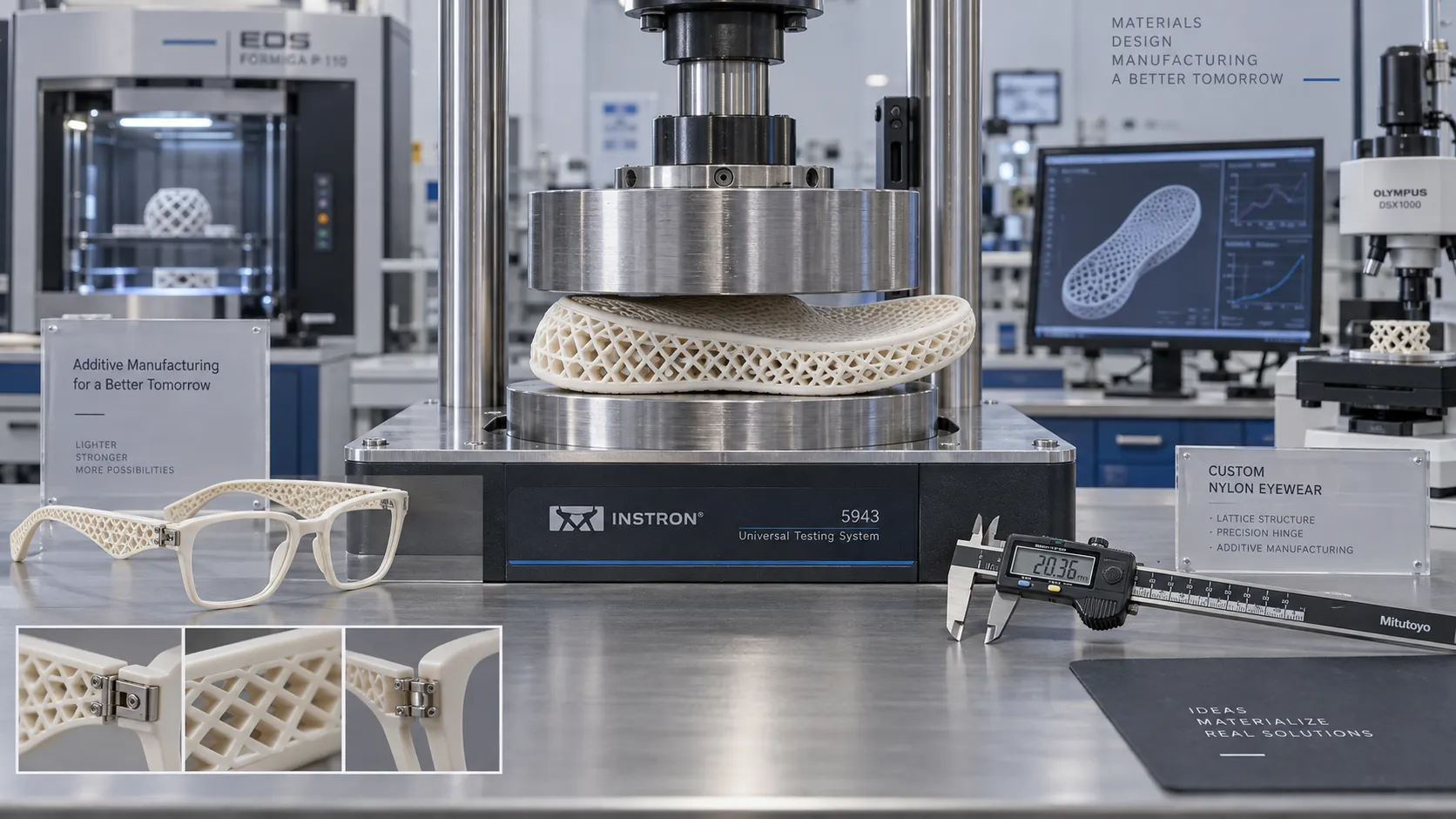
Which Consumer Goods Can Be 3D Printed, and What Are the Practical Limits?
Explore 3d printing consumer goods, from custom eyewear to replacement parts. Discover practical limits on materials, safety, and costs to make smarter production decisions.

From Prototype to Small Batch: Applying 3D Printing to Consumer Goods
Explore 3d printing in consumer goods: learn how to move from prototype to small-batch production with practical guidance on materials, quality validation, and cost control.
Related News
- 00
0000-00
How to verify part consistency before choosing a 3D printing OEM - 00
0000-00
How does a rigid cryogenic transfer line handle thermal contraction? - 00
0000-00
How much does edge vision deployment cost beyond the hardware? - 00
0000-00
How does the purity of sputtering targets affect thin-film quality? - 00
0000-00
How high power laser cladding systems control substrate dilution
Marcus Print
Weekly Insights
Stay ahead with our curated technology reports delivered every Monday.