
High Temperature Resistant 3D Printing: Limits to Check First

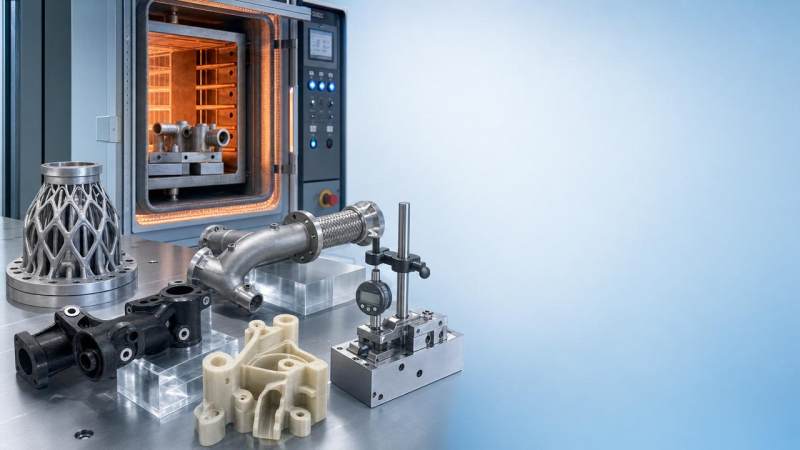
Before choosing materials or machines, technical evaluators need to define the real operating envelope of high temperature resistant 3D printing. Heat resistance is not just about peak temperature—it also depends on load, exposure time, dimensional stability, chemical environment, and certification needs. Checking these limits first helps prevent costly qualification failures and ensures additive parts can perform reliably in demanding industrial applications.
Why a checklist-first approach works better for technical evaluation
For technical evaluators, high temperature resistant 3D printing is rarely a single-variable decision. A part that survives a short oven test may still fail under mechanical stress, repeated thermal cycling, oxidation, or tolerance drift. In B2B industrial procurement, the real question is not whether a material is marketed as “high temperature,” but whether the full additive manufacturing route can deliver stable performance inside a defined duty cycle.
A checklist structure reduces ambiguity early. It helps teams compare polymers, composites, metals, and ceramic-based systems against the same decision framework: service temperature, mechanical load, geometry retention, post-processing, process repeatability, compliance, and total qualification risk. This is especially important when supplier datasheets use different test methods, different sample geometries, or idealized lab conditions that do not reflect industrial use.
For organizations operating under strict reliability frameworks, such as aerospace, electronics, energy, tooling, chemical processing, and advanced manufacturing, the first review should focus on limits that can invalidate the entire concept. That is where high temperature resistant 3D printing must be screened before cost modeling or sourcing discussions begin.
First-pass checklist: the limits to confirm before anything else
Use the following checklist as a gate review. If one of these items is unclear, the project should not move directly into supplier selection or part qualification.
- Actual continuous use temperature: Confirm the steady-state temperature, not only the maximum excursion. A component exposed to 220°C for 2,000 hours behaves differently from one that briefly reaches 260°C during a transient event.
- Peak temperature and duration: Define short spikes, dwell time, ramp rate, and cooldown frequency. Many high temperature resistant 3D printing materials pass peak tests but degrade under repeated spikes.
- Mechanical load at temperature: Verify tensile, compressive, flexural, and creep performance at the real operating temperature. Room-temperature strength is not enough.
- Dimensional stability: Check warpage, shrinkage, coefficient of thermal expansion, and tolerance retention after thermal exposure and post-processing.
- Thermal cycling profile: Identify the number of cycles, the cycle amplitude, and whether the part sees shock conditions. Cyclic fatigue can be more critical than static heat resistance.
- Chemical and environmental exposure: Heat combined with steam, fuel, solvent, vacuum, UV, inert gas, or oxidizing atmospheres can change the material ranking entirely.
- Fire, smoke, and outgassing requirements: For electronics, aerospace, rail, and vacuum systems, outgassing and flammability may be qualification blockers.
- Printing process limitations: FDM, SLS, MJF, SLA, metal powder bed fusion, binder jetting, and DED do not offer the same anisotropy, porosity level, or thermal durability.
- Post-processing dependency: Determine whether annealing, sintering, HIP, infiltration, coating, or machining is required to reach the target thermal performance.
- Standards and evidence package: Ask what test standard was used, what sample orientation was tested, and whether the supplier can provide batch-level traceability and repeatability data.
How to judge the temperature limit correctly
One of the most common errors in high temperature resistant 3D printing evaluation is using a single number as the decision basis. Heat deflection temperature, glass transition temperature, melting point, oxidation onset, and continuous use temperature are not interchangeable. Each one answers a different engineering question.
Priority order for temperature review
- Define the worst-case continuous operating temperature at the critical surface and in the bulk section.
- Map all transient peaks and how often they occur.
- Check whether the material loses stiffness or creeps before reaching the advertised maximum temperature.
- Review thermal aging data at exposure times similar to real service intervals.
- If the part is load-bearing, request elevated-temperature mechanical results, not only thermal property charts.
For example, a polymer may show a high short-term heat resistance value yet become unsuitable when constant bolt load, vibration, or sealing force is added. By contrast, a metal additive part may tolerate much higher temperatures but introduce different issues, such as residual stress, oxidation, support removal constraints, or surface roughness at mating interfaces.
Core evaluation dimensions for materials and processes
Technical evaluators should align material selection with process realities. In high temperature resistant 3D printing, the same nominal material family can perform very differently depending on print orientation, porosity, infill strategy, layer bonding, and post-treatment route.
Scenario-based checks: what changes by application type
The right threshold for high temperature resistant 3D printing depends on how the part is used. Technical evaluation should be scenario-specific rather than generic.
For tooling and fixtures
Focus on short-cycle heat exposure, dimensional repeatability, clamp load, wear at contact points, and replacement frequency. A reinforced polymer may be acceptable if heat exposure is intermittent and loads are moderate. If process drift or fixture distortion affects downstream yield, move quickly to a more stable material route.
For end-use components
Prioritize long-term aging, creep, sealing surfaces, fatigue under thermal cycles, and regulatory qualification. In this category, high temperature resistant 3D printing must be judged as a full product performance system, not as a prototyping shortcut.
For ducts, manifolds, and fluid-contact parts
Check pressure, permeability, oxidation, media compatibility, and roughness-induced flow losses. Heat plus fluid chemistry is often the true limiter. Surface finishing and leak testing may matter more than nominal temperature rating.
For vacuum, electronics, or optical-adjacent environments
Outgassing, particulate generation, and contamination control can override basic thermal suitability. A material that survives heat may still be rejected due to volatile release or unstable surface behavior.
Commonly overlooked limits that cause qualification failure
- Ignoring time at temperature: Short test passes are often mistaken for long-term capability.
- Using vendor data without orientation details: Build direction can materially change elevated-temperature strength.
- Overlooking assembly conditions: Fasteners, inserts, bonded joints, and adjacent materials may become the weak point first.
- Skipping thermal cycling validation: Repeated expansion and contraction can trigger cracks, loosening, or seal loss.
- Failing to account for process variability: Two parts made from the same machine and powder lot can still vary if controls are weak.
- Assuming post-processing is optional: In many high temperature resistant 3D printing workflows, final performance depends on heat treatment or densification.
- Confusing prototype success with production readiness: Qualification evidence must reflect scalable, repeatable manufacturing conditions.
Practical execution plan for technical evaluators
A disciplined review process shortens development cycles and reduces supplier mismatch. For high temperature resistant 3D printing, an effective execution path usually follows five steps.
- Define the operating envelope: Document temperature ranges, duty cycle, load state, atmosphere, expected life, and failure consequences.
- Screen candidate process families: Eliminate those that cannot meet the thermal-mechanical baseline even with post-processing.
- Request evidence in comparable terms: Use matched test standards, sample orientation, and acceptance criteria across suppliers.
- Validate with application-like testing: Include thermal cycling, load, assembly condition, and environmental exposure.
- Review scale-up readiness: Confirm traceability, capacity, quality documentation, and ongoing change-control practices.
This approach aligns well with the data-driven expectations of industrial sourcing teams. It also reflects the broader benchmarking mindset used by advanced B2B intelligence platforms such as G-AIT, where technical suitability, standards alignment, and supply-chain reliability must all support the final decision.
FAQ for evaluating high temperature resistant 3D printing
Is the highest advertised temperature always the most important value?
No. Continuous use temperature under load is usually more relevant than a headline peak value. The best high temperature resistant 3D printing option is the one that stays dimensionally and mechanically stable across the full duty cycle.
Can high-performance polymers replace metals in hot environments?
Sometimes, but only when the thermal load, stiffness requirement, chemical exposure, and expected life are all compatible. Weight savings and design freedom are real advantages, yet creep and long-term aging must be reviewed carefully.
What evidence should a supplier provide first?
Ask for temperature-dependent mechanical data, thermal aging results, dimensional stability evidence, process repeatability information, and the exact standards used. For high temperature resistant 3D printing, generic brochures are not enough.
What to prepare before the next supplier or internal review
If your team is moving forward with high temperature resistant 3D printing, prepare a short but complete evaluation pack: operating temperature map, load case, environmental exposure details, target lifetime, tolerance requirements, compliance needs, acceptable post-processing routes, and validation test plan. These inputs make supplier discussions faster and more technically meaningful.
If further confirmation is needed, prioritize discussions around material-process fit, qualification evidence, production repeatability, lead time, cost at volume, and change-control discipline. That is the most practical way to decide whether high temperature resistant 3D printing is ready for your application—or whether the risk remains too high for industrial deployment.
Related News
How to verify part consistency before choosing a 3D printing OEM
Choosing a 3D printing OEM? Learn how to verify part consistency with repeat-build trials, validated inspections, and traceability checks before committing to production.
How does a rigid cryogenic transfer line handle thermal contraction?
Learn how a rigid cryogenic transfer line manages thermal contraction with bends, bellows, and guided supports. Discover key design checks for safe, reliable cryogenic performance.
How much does edge vision deployment cost beyond the hardware?
Understand edge vision deployment cost beyond hardware, from data and integration to security and support. Uncover hidden expenses and build a smarter lifecycle budget before you scale.
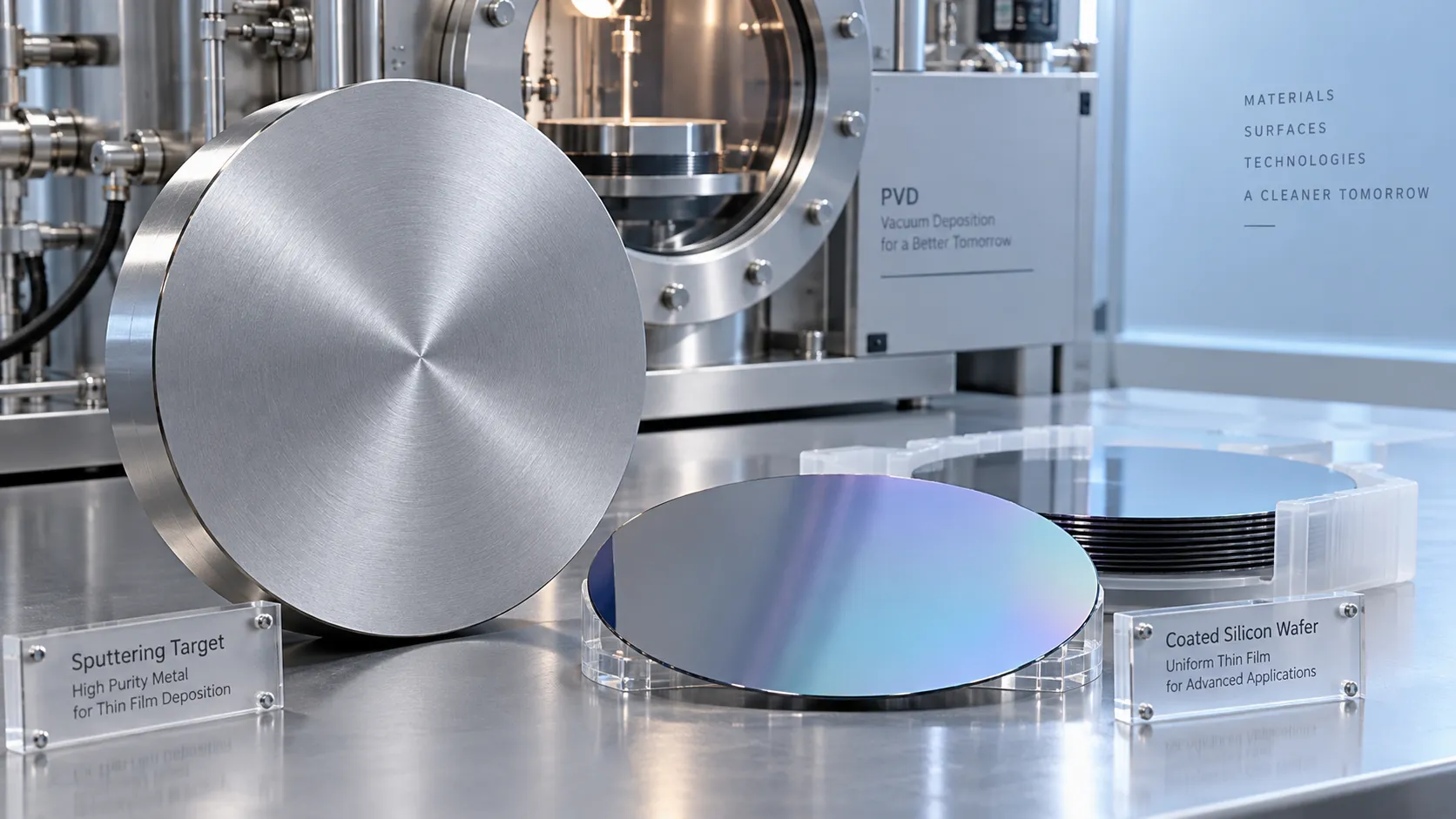
How does the purity of sputtering targets affect thin-film quality?
Discover how sputtering targets affect thin-film quality. Learn to assess purity, identify harmful impurities, and choose specifications that improve coating performance.
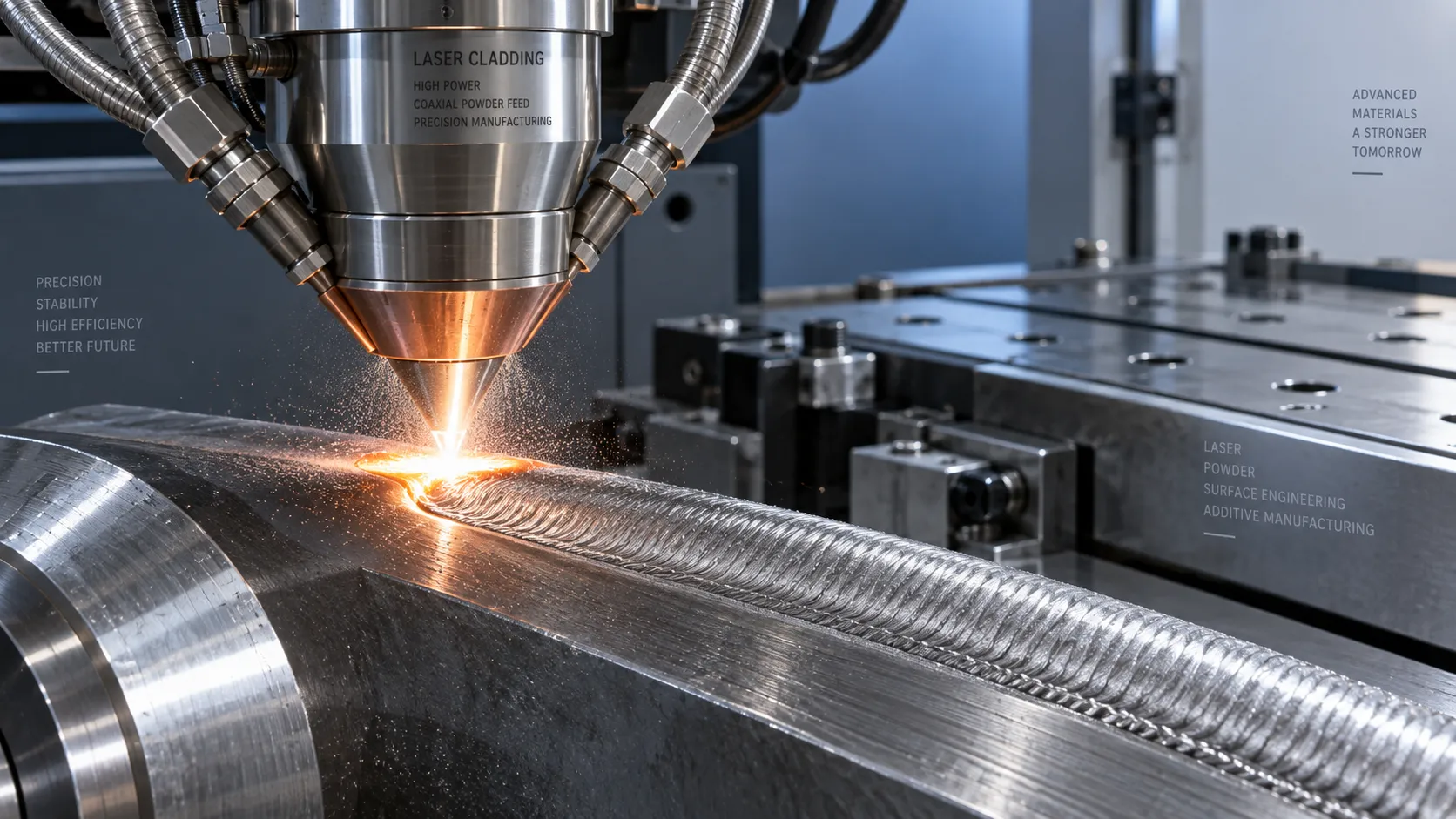
How high power laser cladding systems control substrate dilution
Discover how high power laser cladding systems control substrate dilution through beam shaping, material feed, and thermal management to deliver reliable bonds and coating performance.
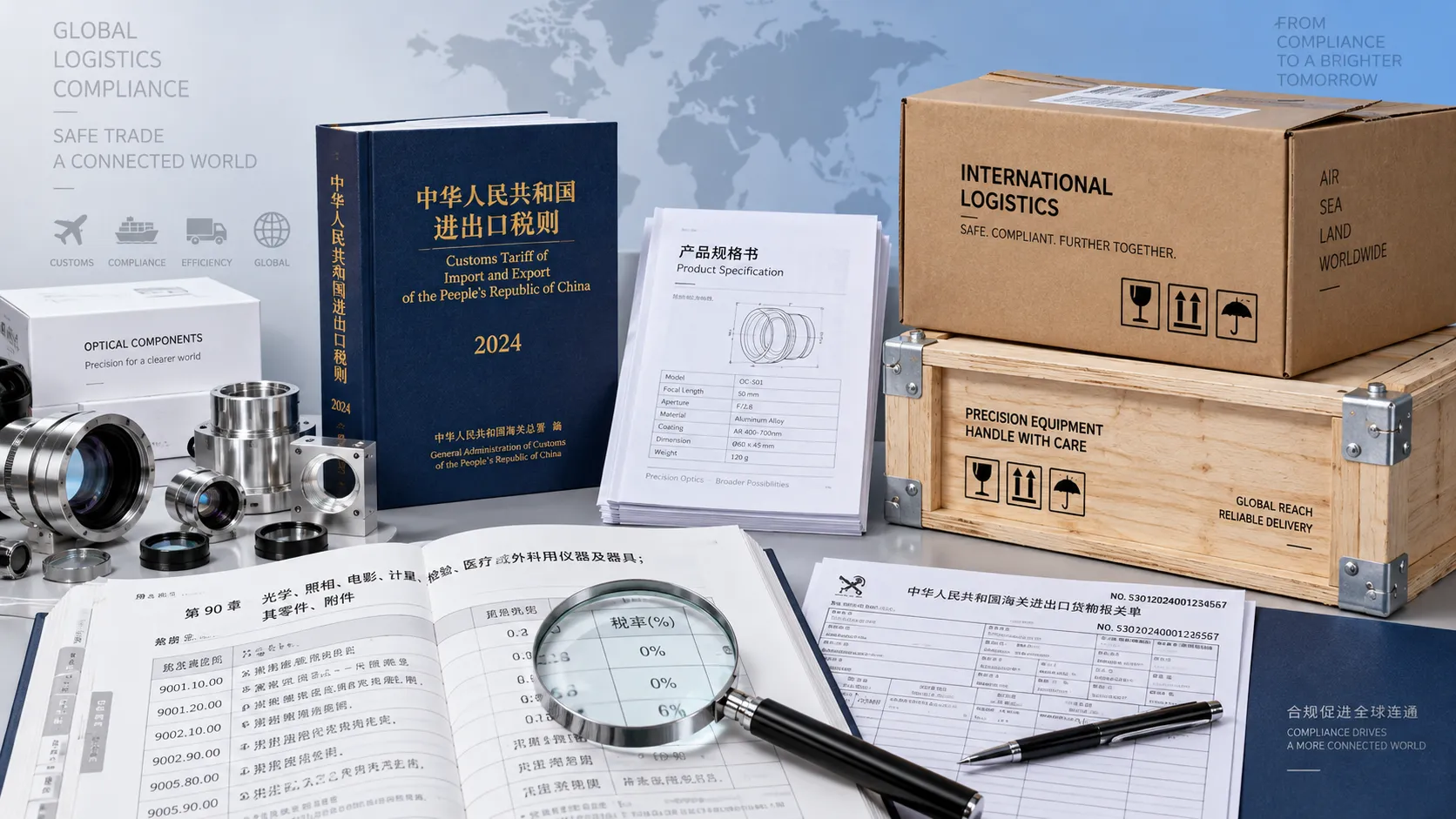
How to check HS codes for customs compliance in international logistics
Strengthen international logistics customs compliance: learn how to verify HS codes, check official tariffs, and document classifications to reduce costly shipment delays.
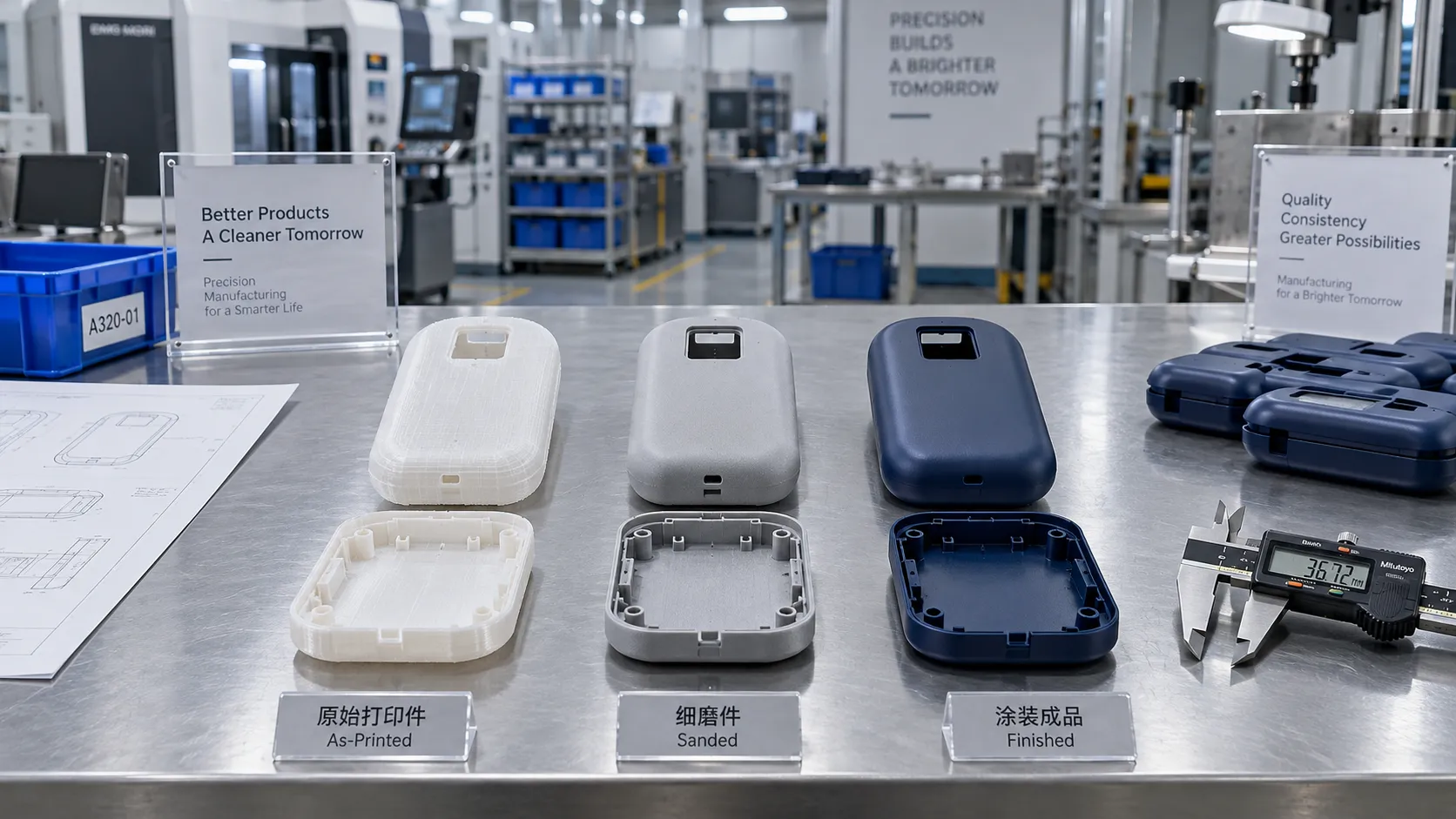
Choosing a 3D Printing Service for Consumer Products: Finish, Fit, and Cost
Compare 3d printing consumer good services by finish, fit, materials, and total cost. Learn how to choose a reliable supplier and avoid costly defects before ordering.
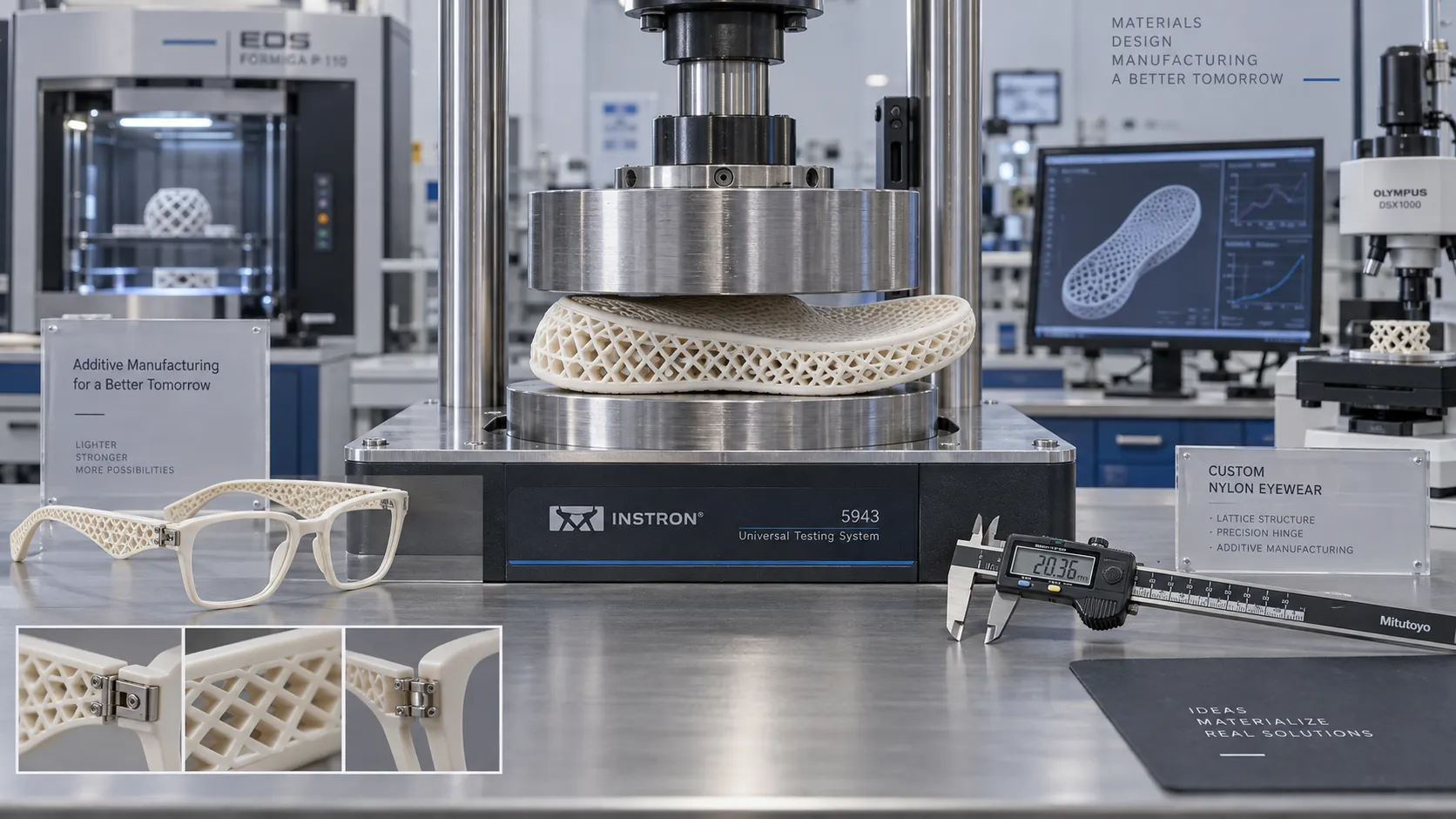
Which Consumer Goods Can Be 3D Printed, and What Are the Practical Limits?
Explore 3d printing consumer goods, from custom eyewear to replacement parts. Discover practical limits on materials, safety, and costs to make smarter production decisions.
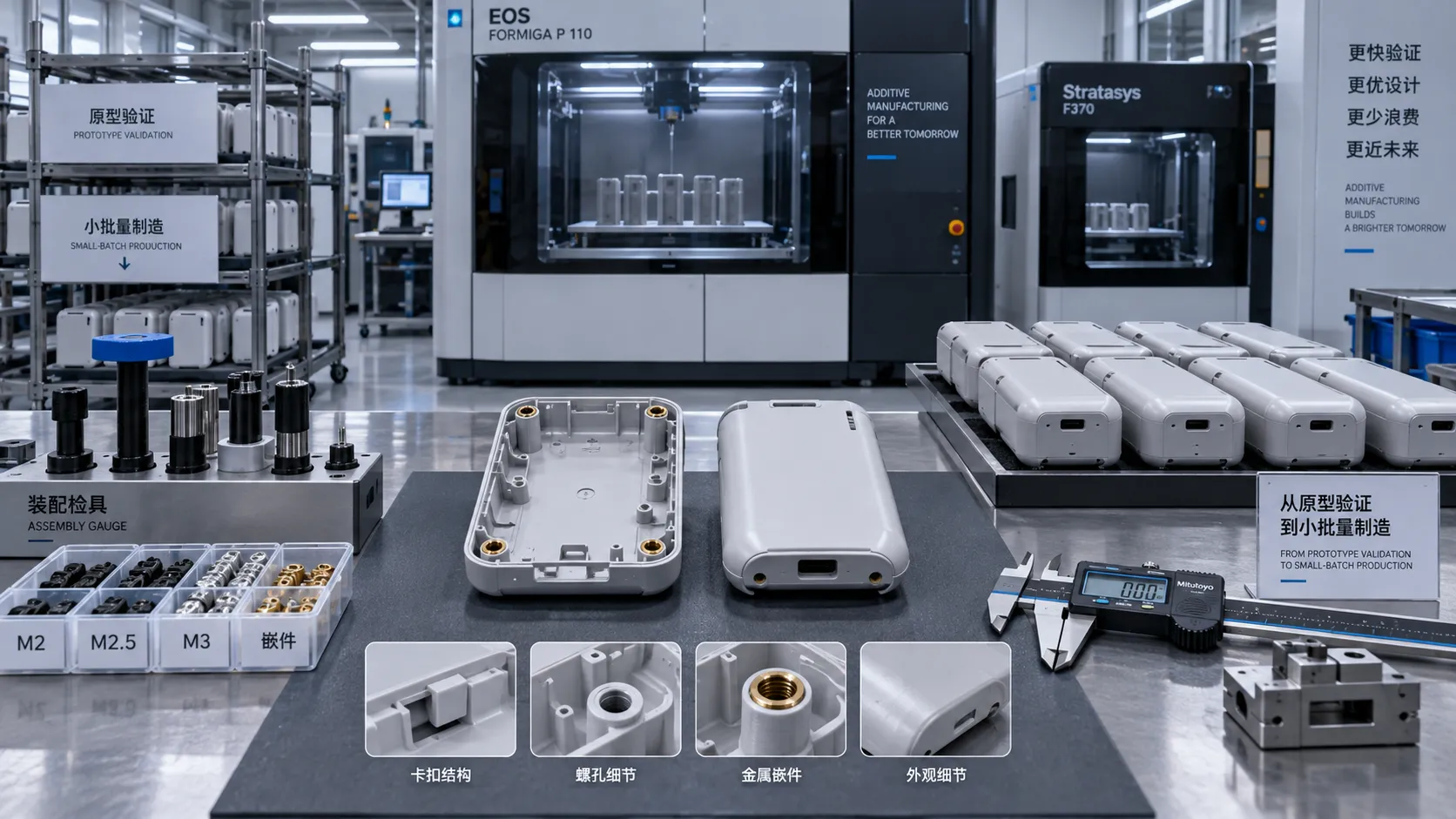
From Prototype to Small Batch: Applying 3D Printing to Consumer Goods
Explore 3d printing in consumer goods: learn how to move from prototype to small-batch production with practical guidance on materials, quality validation, and cost control.
Related News
- 00
0000-00
How to verify part consistency before choosing a 3D printing OEM - 00
0000-00
How does a rigid cryogenic transfer line handle thermal contraction? - 00
0000-00
How much does edge vision deployment cost beyond the hardware? - 00
0000-00
How does the purity of sputtering targets affect thin-film quality? - 00
0000-00
How high power laser cladding systems control substrate dilution
Marcus Print
Weekly Insights
Stay ahead with our curated technology reports delivered every Monday.