
How to compare selective laser sintering SLS machines

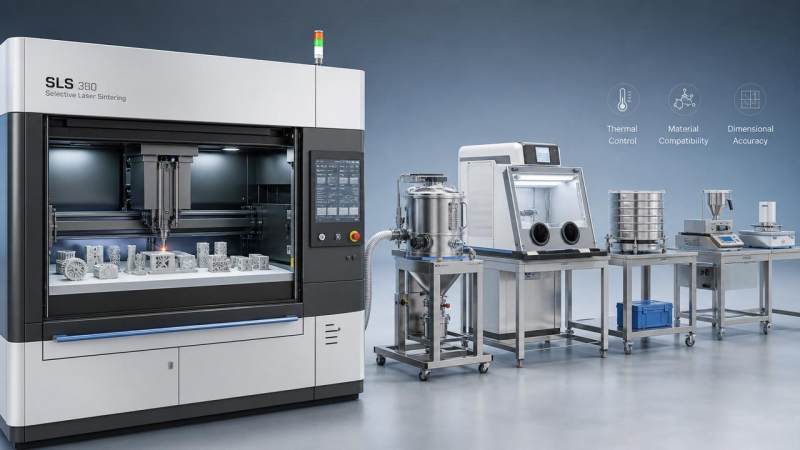
Choosing the right selective laser sintering (SLS) machine requires more than comparing build size or speed. For technical evaluators, the real challenge lies in assessing process stability, material compatibility, dimensional accuracy, thermal control, software integration, and long-term operating cost. This guide outlines how to compare selective laser sintering (SLS) machines with a data-driven approach, helping teams identify systems that align with production goals, qualification standards, and supply chain requirements.
How should technical evaluators compare a selective laser sintering (SLS) machine?
A selective laser sintering (SLS) machine should be evaluated as a production system, not as an isolated printer. In industrial procurement, the real question is whether the machine can deliver repeatable mechanical performance, stable part quality, traceable data, and acceptable lifecycle cost.
For technical evaluators, this means comparing laser architecture, thermal uniformity, powder refresh strategy, nesting efficiency, software openness, maintenance intervals, operator dependency, and post-processing burden. A machine that prints quickly but fails on consistency may create hidden qualification and scrap costs.
G-AIT approaches selective laser sintering (SLS) machine benchmarking from a cross-disciplinary angle. That is important because SLS performance is shaped not only by additive manufacturing design, but also by laser processing physics, inspection capability, material behavior, and compliance requirements across global supply chains.
- Define the target use case first: prototyping, bridge production, end-use polymer parts, tooling, or low-volume certified components.
- Separate headline specifications from validated process capability, especially when evaluating dimensional repeatability across multiple builds.
- Assess the complete workflow, including powder handling, unpacking, sieving, traceability, inspection, and ERP or MES connectivity.
- Estimate total cost per qualified part rather than purchase price alone.
Which comparison criteria matter most beyond build size and speed?
Many teams start with chamber dimensions and nominal throughput. Those metrics matter, but they rarely predict production success on their own. A better comparison framework looks at process capability, material economics, software control, and operational resilience.
Core technical dimensions to compare
The table below organizes the main decision variables for a selective laser sintering (SLS) machine review. It is designed for evaluators who need a structured way to compare competing platforms during technical due diligence.
This comparison method prevents a common mistake: selecting a selective laser sintering (SLS) machine based on one attractive specification while ignoring the process variables that determine actual yield, inspection performance, and part acceptance.
Questions that reveal real capability
- Can the supplier provide repeatability data across different build zones, not just best-case center-of-bed samples?
- How does the machine manage powder aging, moisture sensitivity, and lot traceability?
- What alarms, sensors, and preventive maintenance routines are built into the platform?
- How much manual intervention is required from nesting to depowdering and recycling?
How do materials and application scenarios change the right SLS machine choice?
Not every selective laser sintering (SLS) machine suits the same industrial profile. A system optimized for PA12 prototyping may not be the best fit for reinforced polymers, tighter documentation requirements, or distributed manufacturing environments where consistency matters more than peak speed.
Application-driven selection logic
The table below links common use cases to the machine characteristics that deserve the most attention during evaluation. This helps technical teams align machine selection with measurable production objectives.
Application fit is often the deciding factor. A technically advanced selective laser sintering (SLS) machine can still be the wrong choice if its material system, software environment, or qualification path does not match the intended deployment model.
Material-related checks technical evaluators should not skip
- Verify whether the machine supports the exact polymer family required for the project, such as PA11, PA12, filled grades, or flexible materials.
- Review powder refresh ratio assumptions because they influence both cost per build and the stability of mechanical properties over time.
- Check material sourcing strategy. Closed ecosystems may simplify validation but can limit negotiation power and supply chain resilience.
- Request documentation on storage conditions, contamination control, and recycling procedures if the machine will operate under strict QA controls.
What technical data should be requested during supplier evaluation?
A serious selective laser sintering (SLS) machine comparison depends on comparable evidence. Vendor brochures usually summarize capabilities, but technical evaluators should ask for deeper data sets that reflect realistic operating conditions, not only ideal laboratory output.
Recommended data package
- Dimensional accuracy and repeatability by axis, geometry type, and build location.
- Mechanical property distributions for qualified materials, including test orientation and powder reuse conditions.
- Process logs showing temperature control behavior, alarms, and calibration frequency.
- Consumables consumption data, including powder loss, inert gas use where applicable, filters, and service parts.
- Workflow timing data for printing, cooling, unpacking, sieving, cleaning, and post-processing.
At G-AIT, benchmarking logic extends beyond the machine itself. Our institutional focus on additive manufacturing, industrial laser systems, optical inspection, and standards alignment helps technical teams interpret supplier data in a broader operational context. That matters when comparing nominal capability with actual deployability.
Why inspection and traceability matter in SLS evaluation
A selective laser sintering (SLS) machine may produce visually acceptable parts while still drifting on density, surface consistency, or dimensional tolerance. Technical evaluators should therefore consider how the printer fits into metrology and digital traceability workflows.
If the business requires controlled production, review compatibility with inspection systems, serial tracking, revision control, and standardized reporting. In many high-value supply chains, the decision is no longer only about printing capability. It is about whether the system can sustain auditable manufacturing discipline.
How should total cost, risk, and implementation effort be compared?
The most expensive selective laser sintering (SLS) machine is not always the highest-risk option, and the lowest purchase price is rarely the lowest total cost. Industrial buyers should model operating economics around qualified output, not raw machine runtime.
Cost categories that drive the real business case
The table below highlights where hidden cost differences usually appear when comparing selective laser sintering (SLS) machine platforms for procurement and deployment planning.
This total-cost view is especially useful when the target audience includes procurement directors, R&D institutes, and manufacturing coordinators working under tight timelines. A selective laser sintering (SLS) machine should be judged on business continuity and qualification efficiency as much as on print capability.
Implementation risks to flag early
- Material lock-in risk if only one supplier can provide validated powder.
- Data lock-in risk if build files, machine logs, or parameter sets cannot be exported easily.
- Qualification delay risk if the supplier lacks robust documentation for process validation.
- Uptime risk if field service coverage is weak in the deployment region.
Which standards, compliance issues, and supplier checks should be included?
A selective laser sintering (SLS) machine used in industrial environments should be assessed against more than internal performance claims. Technical evaluators should review whether the supplier’s documentation and process discipline support qualification, safety management, and traceable production.
- Check whether machine documentation aligns with relevant additive manufacturing terminology and test practices commonly associated with ISO and ASTM frameworks.
- Review powder handling and operator safety procedures, especially if the facility must satisfy strict EHS protocols.
- Ask how software revisions, calibration records, and service interventions are logged for audit purposes.
- Confirm export control or regional compliance considerations when sourcing across borders or deploying into sensitive sectors.
This is where G-AIT adds practical value. Because our institutional scope includes benchmarking against international standards and tracking regulatory developments, we help buyers evaluate not only equipment capability but also documentation maturity and supply chain readiness.
Common mistakes when comparing selective laser sintering (SLS) machines
Is faster always better?
No. Faster scanning or shorter build times do not automatically improve output economics. If the machine creates more rejects, higher warpage, or longer cooling bottlenecks, total lead time may actually worsen.
Does a larger build chamber guarantee better productivity?
Not necessarily. Large chambers can improve batch efficiency, but they also magnify thermal management challenges and may demand more disciplined nesting, cooling, and powder recovery practices.
Can prototype success be treated as proof of production readiness?
No. Prototype jobs often tolerate broader variation than production parts. A selective laser sintering (SLS) machine intended for industrial output must be evaluated for consistency over repeated cycles, multiple operators, and realistic part mixes.
Should buyers focus only on the printer and ignore the workflow around it?
That is a frequent mistake. Powder preparation, depowdering, inspection, software traceability, and service response all influence final cost and operational reliability. The best machine on paper can underperform in a weak workflow environment.
Why work with us when evaluating a selective laser sintering (SLS) machine?
G-AIT supports technical evaluators with a benchmarking-driven approach that connects additive manufacturing analysis with laser processing knowledge, inspection logic, standards awareness, and global industrial sourcing intelligence. That combination is especially useful when procurement teams must defend decisions with verifiable technical reasoning.
We can help you compare a selective laser sintering (SLS) machine across process capability, material strategy, qualification risk, and supply chain fit. Our support is designed for industrial buyers who need deeper evaluation than a brochure review or a one-off sample demonstration.
- Parameter confirmation for target materials, part geometries, and expected tolerance windows.
- Machine selection guidance based on throughput goals, documentation needs, and production maturity.
- Assessment of delivery timeline, implementation workload, and support model for your region.
- Discussion of customized evaluation frameworks, sample validation planning, and quotation alignment.
- Review of standards, traceability expectations, and supply chain constraints affecting procurement decisions.
If your team is comparing selective laser sintering (SLS) machines for prototyping, end-use production, or distributed manufacturing deployment, contact us to structure the evaluation around measurable data. That includes parameter review, model shortlist support, qualification planning, lead-time discussion, certification-related considerations, sample strategy, and commercial comparison.
Related News
How to verify part consistency before choosing a 3D printing OEM
Choosing a 3D printing OEM? Learn how to verify part consistency with repeat-build trials, validated inspections, and traceability checks before committing to production.
How does a rigid cryogenic transfer line handle thermal contraction?
Learn how a rigid cryogenic transfer line manages thermal contraction with bends, bellows, and guided supports. Discover key design checks for safe, reliable cryogenic performance.
How much does edge vision deployment cost beyond the hardware?
Understand edge vision deployment cost beyond hardware, from data and integration to security and support. Uncover hidden expenses and build a smarter lifecycle budget before you scale.
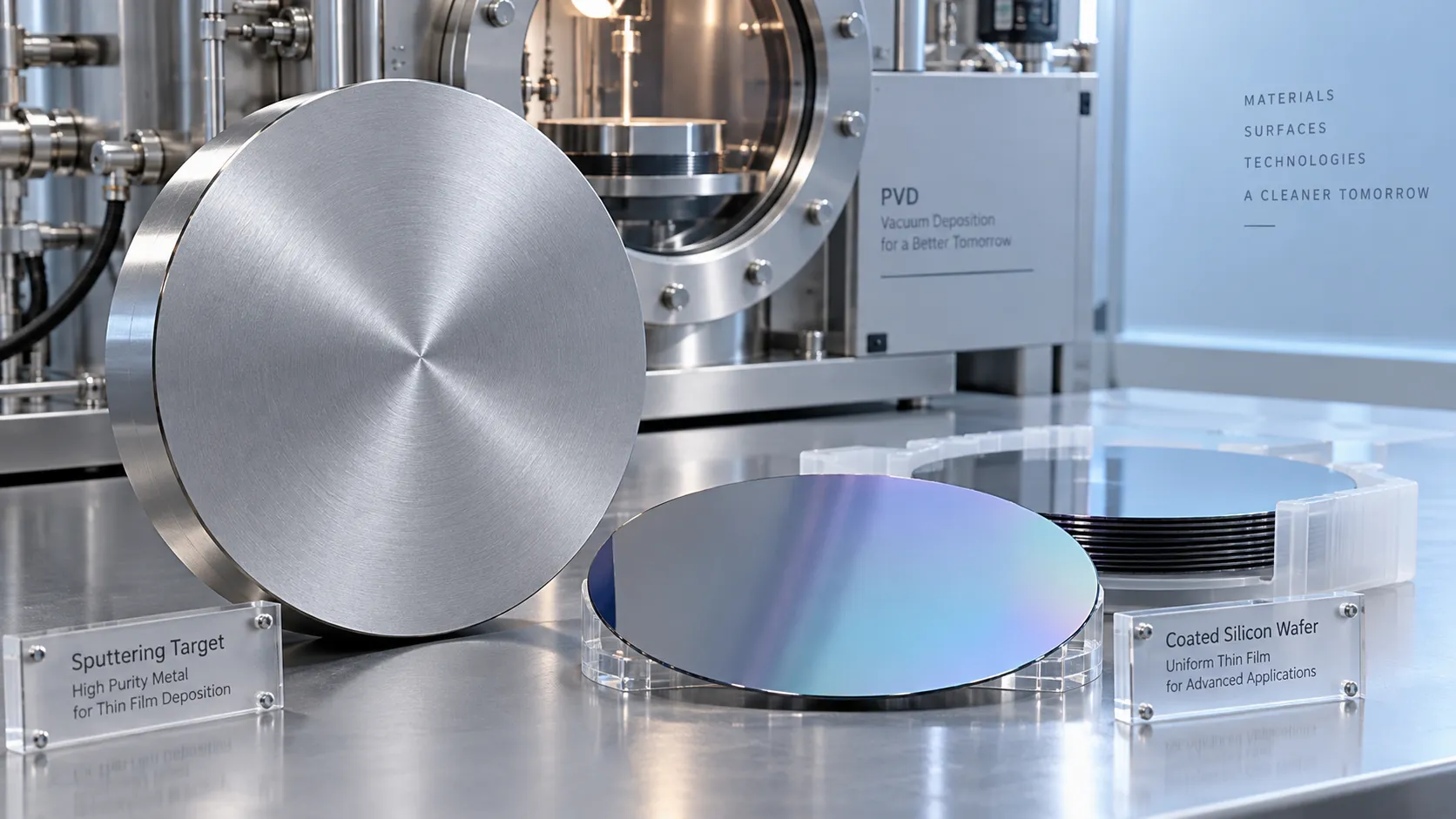
How does the purity of sputtering targets affect thin-film quality?
Discover how sputtering targets affect thin-film quality. Learn to assess purity, identify harmful impurities, and choose specifications that improve coating performance.
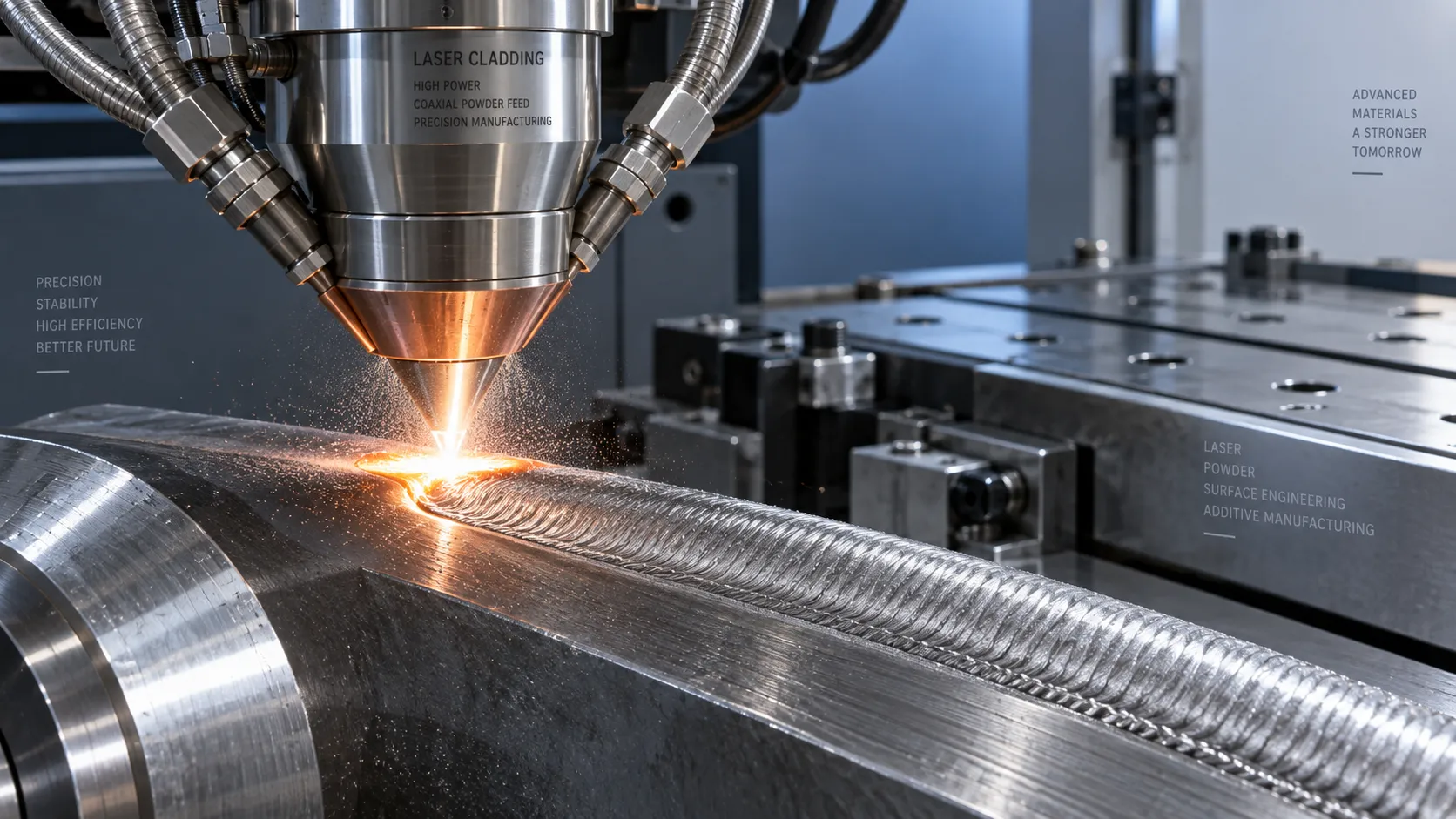
How high power laser cladding systems control substrate dilution
Discover how high power laser cladding systems control substrate dilution through beam shaping, material feed, and thermal management to deliver reliable bonds and coating performance.
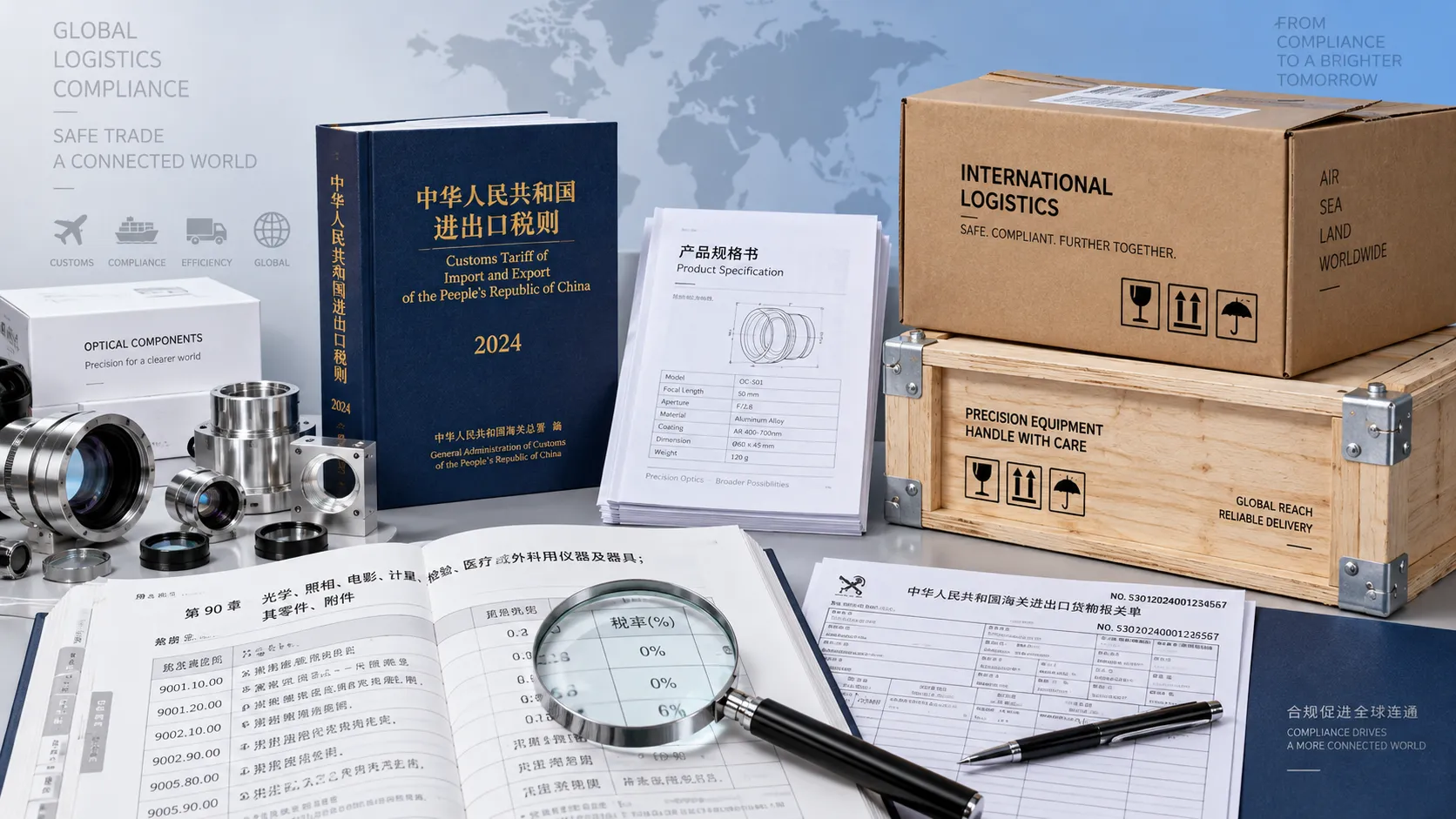
How to check HS codes for customs compliance in international logistics
Strengthen international logistics customs compliance: learn how to verify HS codes, check official tariffs, and document classifications to reduce costly shipment delays.
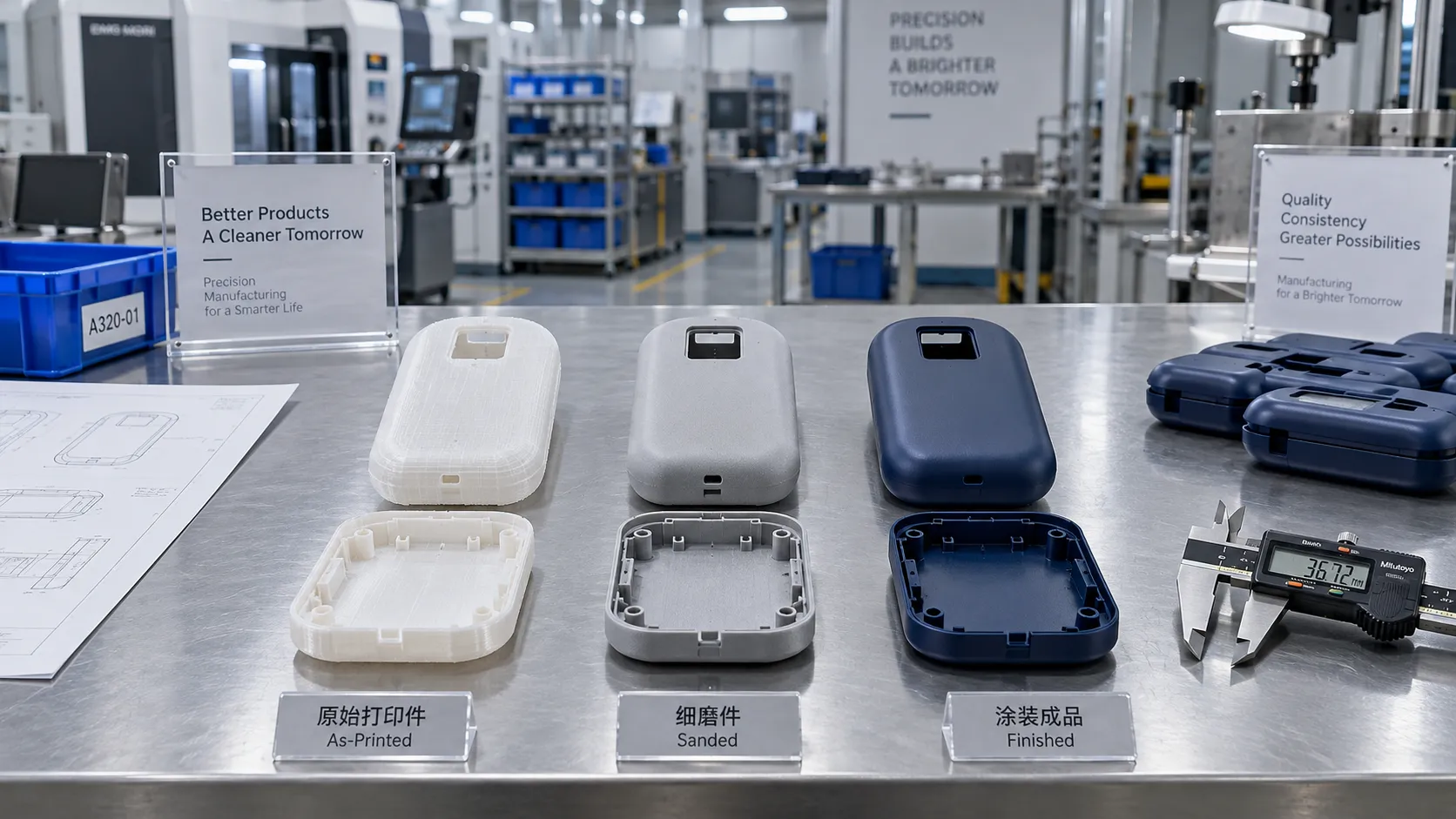
Choosing a 3D Printing Service for Consumer Products: Finish, Fit, and Cost
Compare 3d printing consumer good services by finish, fit, materials, and total cost. Learn how to choose a reliable supplier and avoid costly defects before ordering.
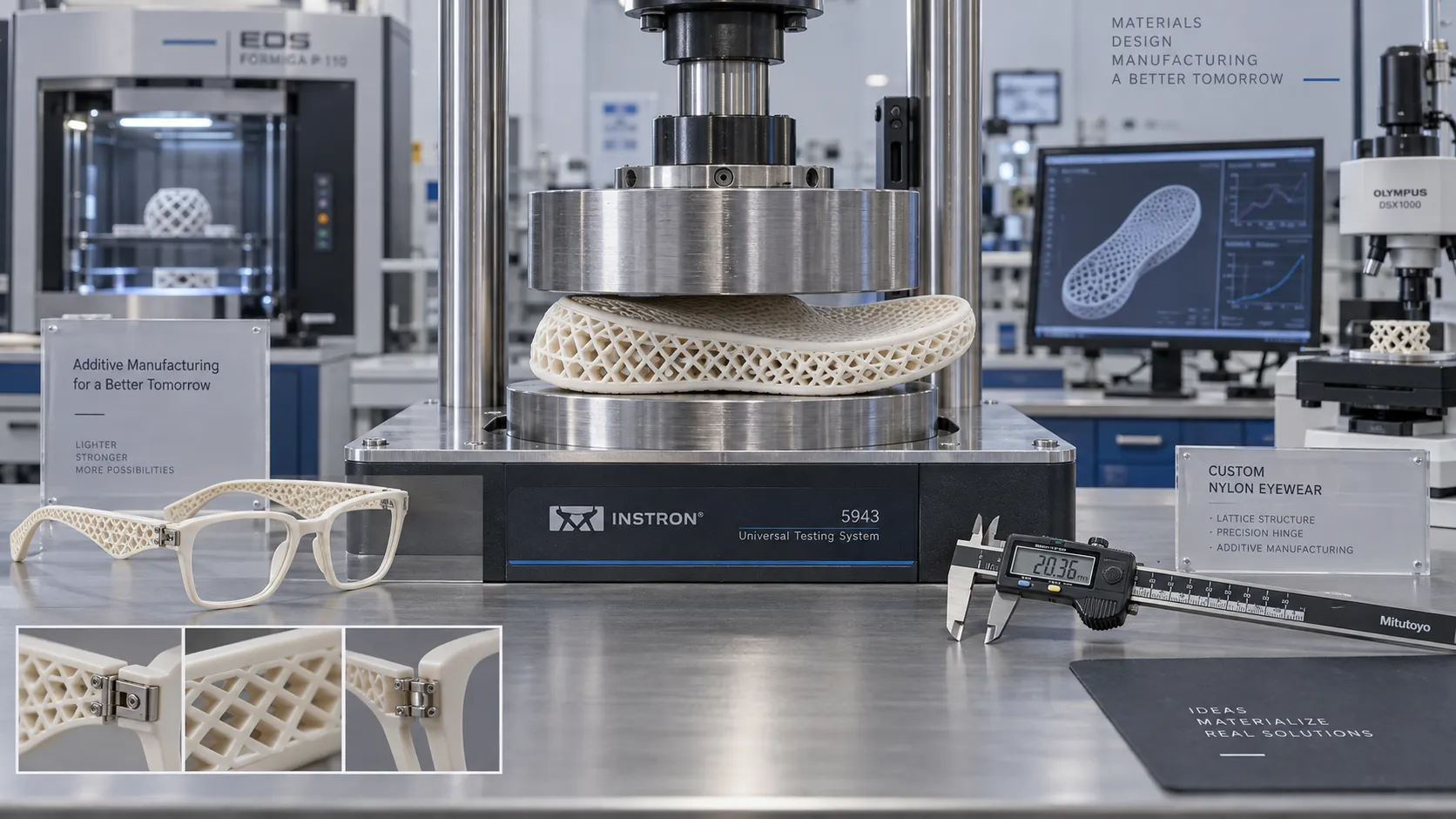
Which Consumer Goods Can Be 3D Printed, and What Are the Practical Limits?
Explore 3d printing consumer goods, from custom eyewear to replacement parts. Discover practical limits on materials, safety, and costs to make smarter production decisions.
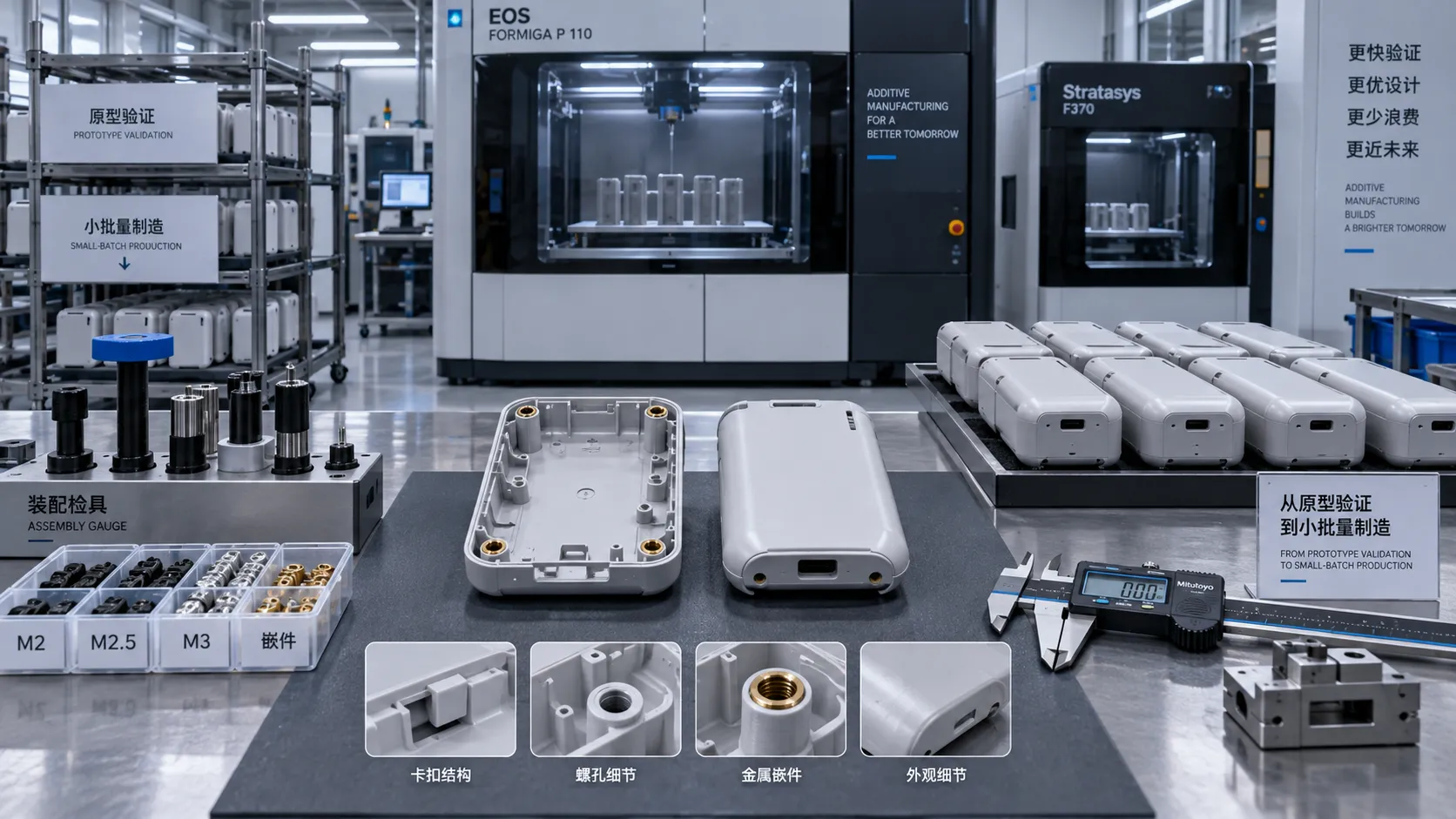
From Prototype to Small Batch: Applying 3D Printing to Consumer Goods
Explore 3d printing in consumer goods: learn how to move from prototype to small-batch production with practical guidance on materials, quality validation, and cost control.
Related News
- 00
0000-00
How to verify part consistency before choosing a 3D printing OEM - 00
0000-00
How does a rigid cryogenic transfer line handle thermal contraction? - 00
0000-00
How much does edge vision deployment cost beyond the hardware? - 00
0000-00
How does the purity of sputtering targets affect thin-film quality? - 00
0000-00
How high power laser cladding systems control substrate dilution
Marcus Print
Weekly Insights
Stay ahead with our curated technology reports delivered every Monday.