
Fiber Lasers or CO2: Which Cuts Better?

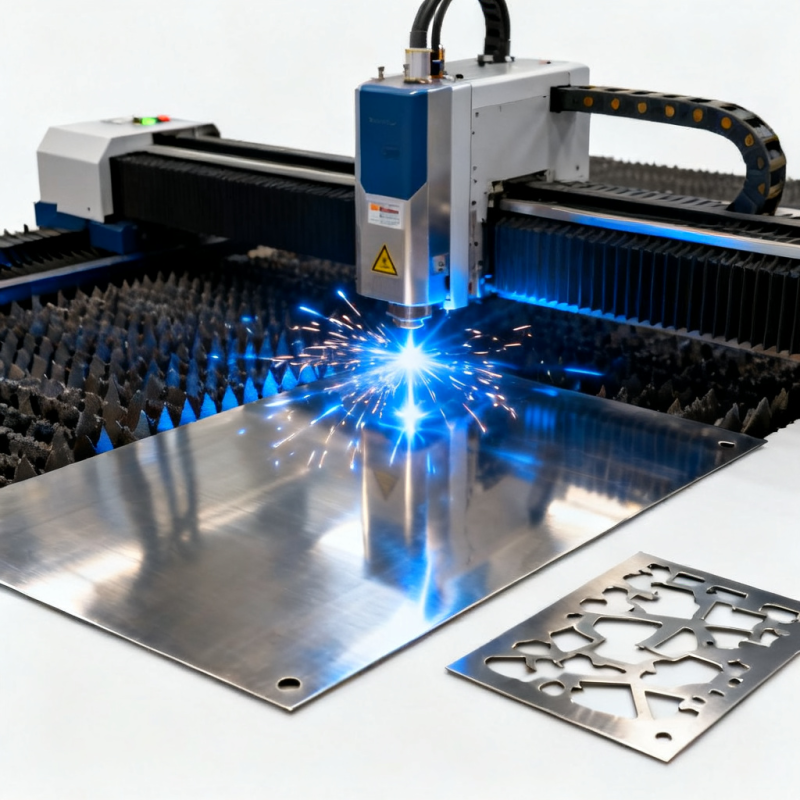
When comparing Fiber Lasers and CO2 systems, the real question is not only cutting speed but how each technology performs against material type, precision manufacturing goals, industrial standards, and technical specifications. For buyers, engineers, and project leaders evaluating modern production lines alongside machine vision, additive manufacturing, and broader high-tech trends such as 3D printing and nanomaterials, this guide clarifies which laser platform delivers the better operational fit.
In short: fiber lasers usually cut better for reflective metals, thin-to-medium sheet, higher throughput, lower maintenance, and automated industrial production. CO2 lasers can still be the better choice for thicker non-metals, mixed-material workshops, and applications where edge quality on certain plastics, wood, acrylic, textiles, or thicker mild steel matters more than raw speed. The better technology is not universal; it depends on your material mix, tolerance requirements, operating cost targets, and production model.
What Most Buyers Really Need to Know Before Choosing Fiber or CO2
The core search intent behind “Fiber Lasers or CO2: Which Cuts Better?” is practical decision-making. Most readers are not looking for a textbook comparison. They want to know which machine will perform better for their actual jobs, whether the investment will pay back, and what technical or operational risks they may face after purchase.
For procurement teams, plant managers, and technical evaluators, the most important questions are usually these:
- Which laser cuts my target materials faster and more consistently?
- Which system delivers better edge quality and dimensional accuracy?
- What are the real operating costs, including power, consumables, and downtime?
- How does each platform fit automation, quality inspection, and production scaling?
- Which option reduces process risk across safety, compliance, and maintenance?
If your factory mainly processes stainless steel, carbon steel, aluminum, brass, or copper, fiber laser cutting is usually the stronger industrial choice. If your business cuts acrylic, wood, leather, fabrics, rubber, glass-adjacent composites, and a wide range of non-metal materials, CO2 systems often remain highly relevant. The strongest decisions come from material-based benchmarking, not from general claims about “better technology.”
Which Laser Cuts Better by Material Type?
This is the most important section for real-world selection because cutting performance changes dramatically depending on the material.
Fiber lasers: best fit for most metal cutting applications
Fiber lasers operate at a shorter wavelength, which is absorbed more efficiently by metals than the wavelength used by CO2 systems. This gives fiber machines a major advantage in modern sheet metal fabrication.
Fiber lasers typically perform better for:
- Stainless steel
- Carbon steel
- Aluminum
- Brass
- Copper
- Galvanized sheet
- Thin to medium metal thickness ranges requiring high speed
For reflective metals in particular, fiber laser technology has significantly expanded industrial capability. Materials that once created major process challenges for older systems are now routine in many high-performance cutting environments.
CO2 lasers: still valuable for non-metals and some specialty cutting
CO2 lasers remain effective for many non-metal materials because their wavelength interacts well with organic and polymer-based substrates.
CO2 lasers are often preferred for:
- Acrylic
- Wood and MDF
- Paper and cardboard
- Textiles
- Leather
- Rubber
- Certain plastics and composites
In some applications, CO2 systems can also produce a very clean finish on thicker mild steel or non-metal decorative materials, especially where visual edge quality is critical and throughput pressure is moderate.
Quick material conclusion
If your production is metal-dominant, especially in precision fabrication, fiber lasers usually cut better. If your production is non-metal-heavy or highly mixed, CO2 may offer broader material flexibility.
Cutting Speed, Precision, and Edge Quality: Where the Real Differences Show
When users ask which cuts better, they usually mean one of three things: faster cutting, cleaner edges, or tighter tolerances. These are related, but not identical.
Speed
Fiber lasers are generally faster on thin and medium metal sheets. This matters greatly in high-volume production, where cycle time affects labor utilization, machine loading, and downstream throughput. For manufacturers integrating automated loading, sorting, and machine vision inspection, fiber’s speed advantage can produce measurable ROI.
Precision
Fiber systems are widely favored in applications requiring fine kerf width, repeatability, and stable processing on modern CNC platforms. For precision parts, electronics enclosures, automotive components, and contract sheet metal manufacturing, fiber often supports better process control.
Edge quality
Edge quality depends on more than laser source alone. Assist gas, nozzle condition, focal tuning, software parameters, material flatness, and contamination all matter. That said:
- Fiber often delivers excellent results on thin metals with minimal heat-affected distortion.
- CO2 can still provide attractive edge finish on certain thicker materials and non-metal applications.
So, if “better” means high-speed metal processing with strong dimensional consistency, fiber usually wins. If “better” means visual finish on specific non-metals or specialty substrates, CO2 may still be the better fit.
Total Cost of Ownership: The Question That Often Changes the Final Decision
Many buyers begin by comparing purchase price, but experienced decision-makers compare lifecycle cost. This is where fiber laser systems often gain a decisive advantage in industrial environments.
Why fiber often costs less to run
- Higher electrical efficiency
- Lower maintenance requirements
- Fewer consumable-heavy optical components
- Reduced alignment complexity
- Better suitability for continuous production
Fiber lasers typically have fewer maintenance burdens than traditional CO2 platforms, which can involve mirrors, beam alignment, gas system considerations, and more frequent service intervention depending on machine design.
Where CO2 may still make financial sense
CO2 can remain a rational investment when:
- Your product mix includes many non-metals
- You do not need extreme metal cutting throughput
- Your jobs are customization-driven rather than volume-driven
- You already have trained operators and established CO2 workflows
For business evaluation teams, the right approach is to calculate cost per finished part, not just machine cost. Include electricity, gas, maintenance, scrap, downtime, operator training, and inspection burden. In many metal fabrication scenarios, fiber wins clearly on total cost of ownership.
How Fiber and CO2 Fit Automation, Quality Control, and Smart Manufacturing
In advanced manufacturing, laser cutting no longer operates as a standalone process. It connects with MES software, machine vision, robotic loading, traceability systems, and sometimes additive manufacturing workflows for hybrid production models.
Fiber laser advantages in digital production environments
Fiber systems often align more naturally with high-speed automation because they support:
- Fast cycle times
- Stable metal cutting performance
- Integration with automated loading/unloading
- Closed-loop quality processes using optical inspection
- Scalable multi-shift operation
For enterprises pursuing Industry 4.0 goals, fiber lasers are often the preferred platform for digitally managed sheet metal lines.
CO2 in specialized or flexible workshops
CO2 systems can still be very useful where workshops need to switch among signage materials, packaging substrates, decorative products, or prototype components. Their value is often stronger in flexible fabrication than in pure high-speed industrial metal production.
For project managers and technical leads, the selection question is not just “Which cuts better today?” but also “Which integrates better into the production architecture we are building for the next three to five years?”
Safety, Compliance, and Operational Risk: What Quality and EHS Teams Should Check
Quality control personnel and safety managers should evaluate more than cutting results. Laser platform choice affects operator exposure, fume extraction requirements, training depth, maintenance risk, and process consistency.
Key checkpoints include:
- Laser safety classification and enclosure design
- Fume and particulate extraction for metals, polymers, and coated materials
- Compatibility with ISO, ASTM, or site-specific process control standards
- Preventive maintenance intervals and failure mode visibility
- Cut quality repeatability across shifts and operators
When cutting plastics, composites, coated materials, or engineered materials with unknown additives, CO2 systems may introduce specific emissions concerns that require careful environmental and occupational review. Likewise, high-power fiber laser lines require disciplined safety enclosure, optics management, and operator training.
For regulated industries and Tier-1 supply chains, machine selection should be backed by documented process validation, not just vendor demonstration samples.
How to Decide: A Practical Buying Framework for Engineers and Procurement Teams
If you need a decision framework that works across technical, commercial, and operational stakeholders, use these five filters:
1. Material reality
List your actual production mix by percentage: stainless, carbon steel, aluminum, copper, acrylic, wood, plastics, textiles, and others. Do not buy based on occasional jobs; buy for the dominant revenue-generating workload.
2. Thickness range
Benchmark the thicknesses you cut most often, not the maximum possible thickness the vendor highlights. Productivity is usually determined by your common thickness band.
3. Quality requirement
Define what “better cutting” means in your plant: burr reduction, edge smoothness, positional accuracy, hole quality, heat impact, or cosmetic finish.
4. Production model
Are you a high-volume metal processor, a custom fabrication shop, a prototype center, or a mixed-material manufacturer? Fiber strongly favors industrial metal throughput. CO2 often favors flexibility across non-metals.
5. Expansion roadmap
Consider future integration with machine vision, automated handling, digital traceability, and smart factory systems. A machine that fits current jobs but limits future production architecture may become the more expensive decision.
Final Verdict: Fiber Lasers or CO2—Which Cuts Better?
For most modern industrial metal cutting applications, fiber lasers cut better. They are faster on thin and medium metals, more efficient to run, easier to maintain, and better aligned with automation, precision manufacturing, and scalable production environments. For buyers focused on stainless steel, carbon steel, aluminum, brass, or copper, fiber is usually the clearer long-term choice.
CO2 lasers, however, are not obsolete. They still cut better in many non-metal applications and can remain commercially valuable in shops working with acrylic, wood, textiles, leather, and mixed substrates. In some specialty cases, they also deliver desirable edge characteristics that match niche production needs.
The best decision is not based on laser popularity. It is based on your materials, quality targets, throughput goals, compliance requirements, and long-term production strategy. If your operation is metal-centric and moving toward smart manufacturing, fiber is generally the better investment. If your business depends on broad non-metal capability and flexible job handling, CO2 may still be the better cutter for your market.
- supply chain
- manufacturing
- precision manufacturing
- smart manufacturing
- metal fabrication
- stainless steel
- sheet metal
- decorative materials
- quality inspection
- packaging
- electronics
- 3D Printing
- Additive Manufacturing
- Machine Vision
- Optical Inspection
- Nanomaterials
- Fiber Lasers
- Technical Specifications
- Industrial Standards
- supply chain
- manufacturing
- precision manufacturing
- smart manufacturing
- metal fabrication
- stainless steel
- sheet metal
- decorative materials
- quality inspection
- packaging
- electronics
- 3D Printing
- Additive Manufacturing
- Machine Vision
- Optical Inspection
- Nanomaterials
- Fiber Lasers
- Technical Specifications
- Industrial Standards
Related News
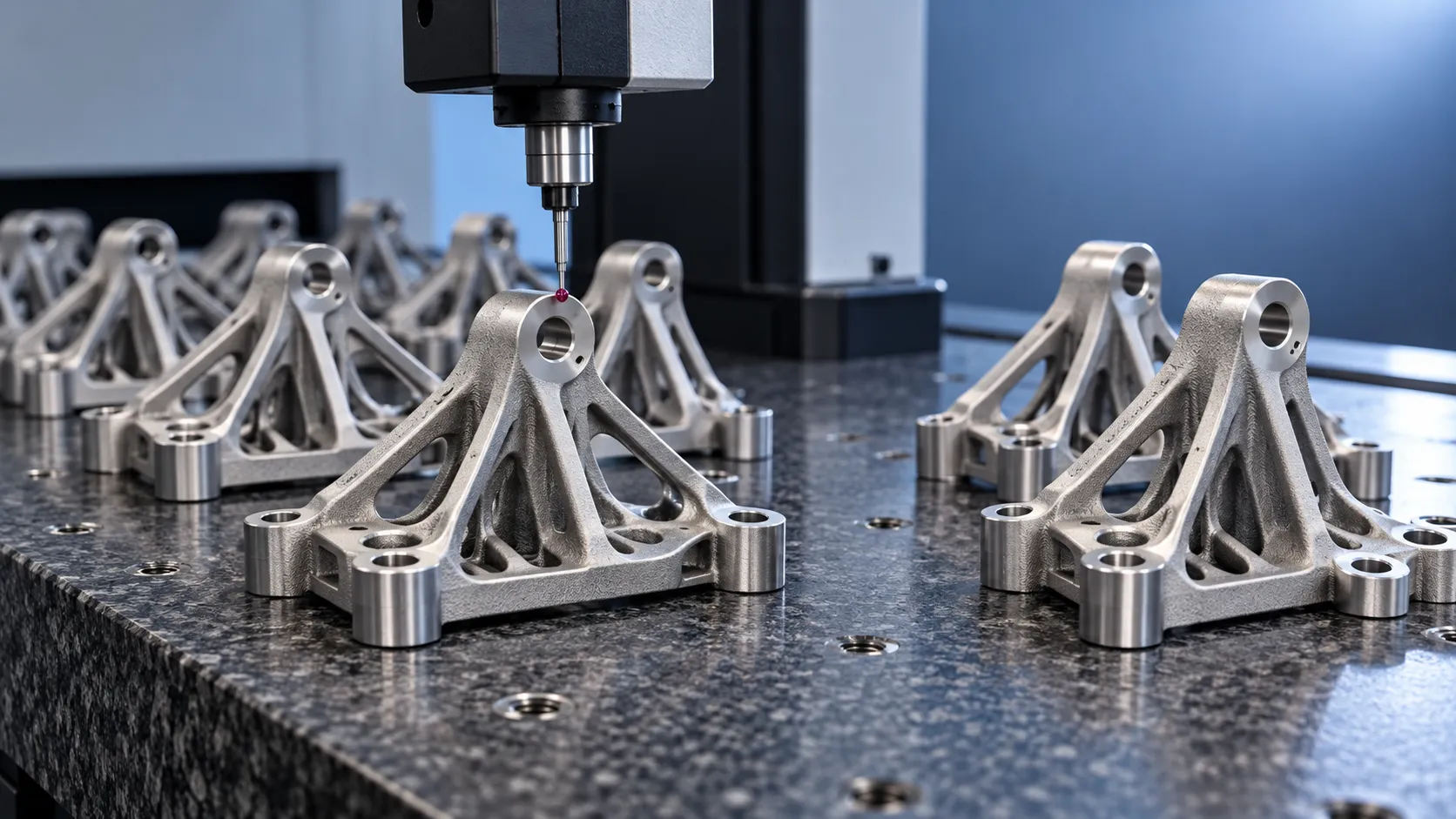
How to verify part consistency before choosing a 3D printing OEM
Choosing a 3D printing OEM? Learn how to verify part consistency with repeat-build trials, validated inspections, and traceability checks before committing to production.
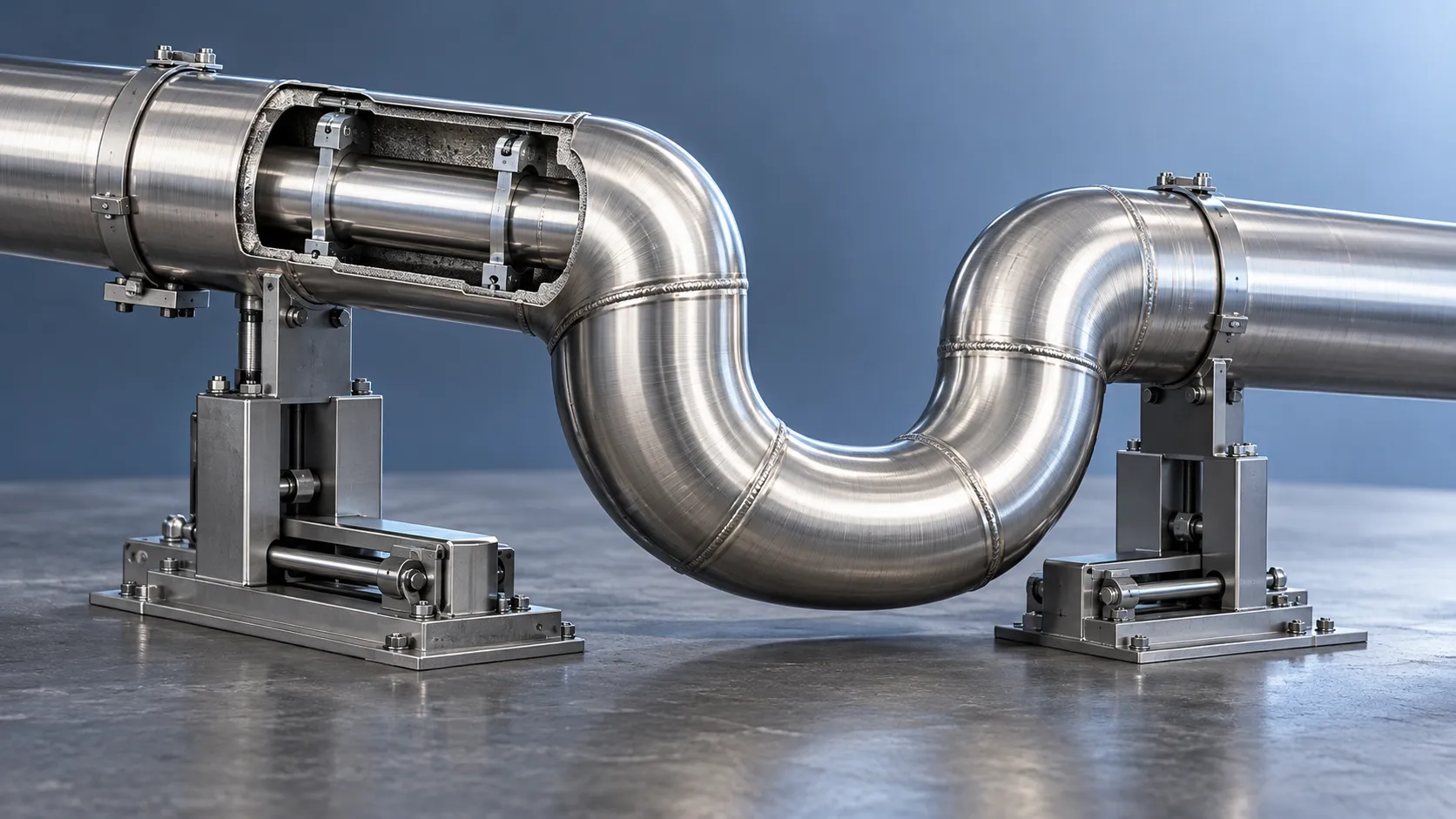
How does a rigid cryogenic transfer line handle thermal contraction?
Learn how a rigid cryogenic transfer line manages thermal contraction with bends, bellows, and guided supports. Discover key design checks for safe, reliable cryogenic performance.
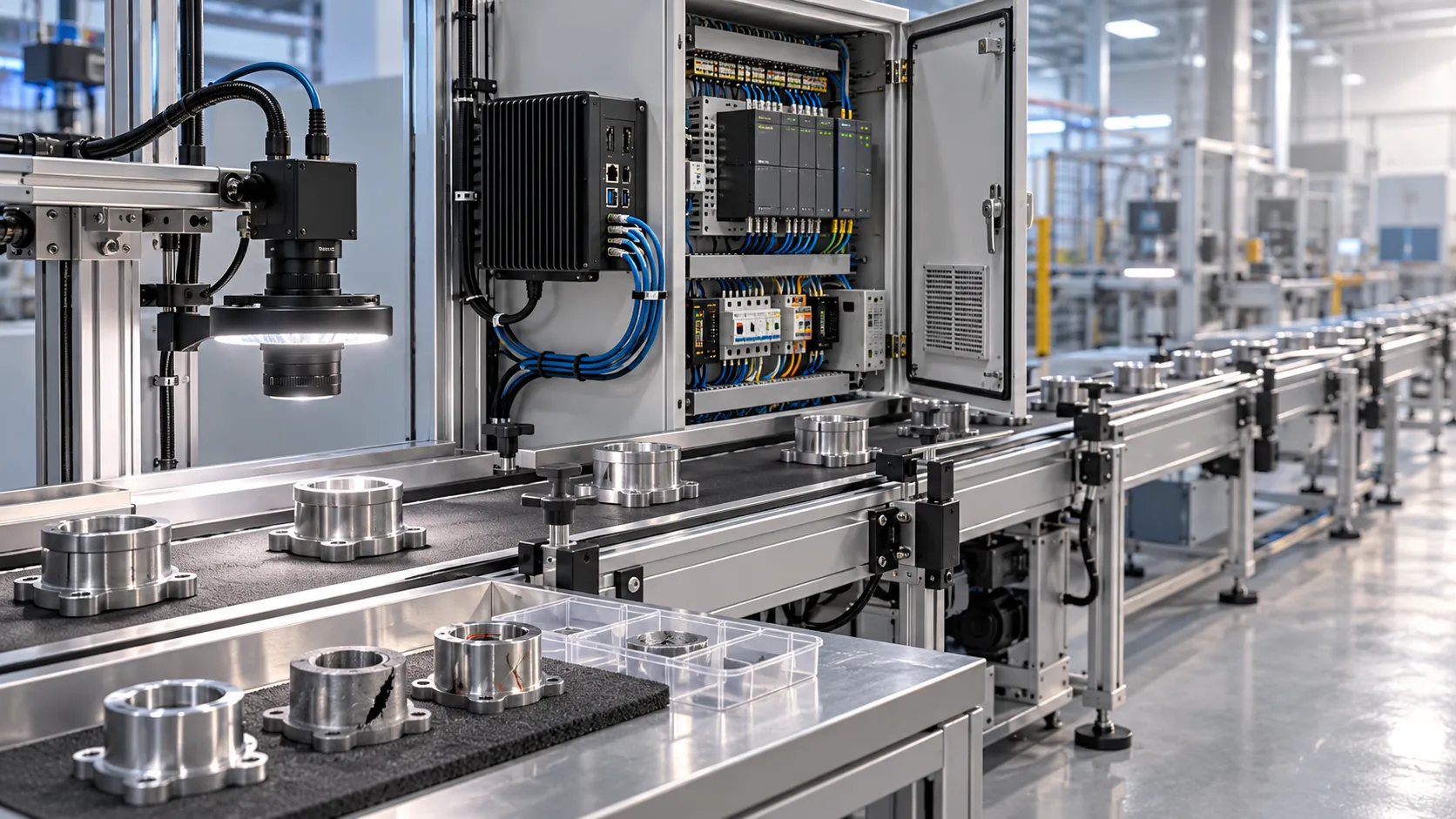
How much does edge vision deployment cost beyond the hardware?
Understand edge vision deployment cost beyond hardware, from data and integration to security and support. Uncover hidden expenses and build a smarter lifecycle budget before you scale.
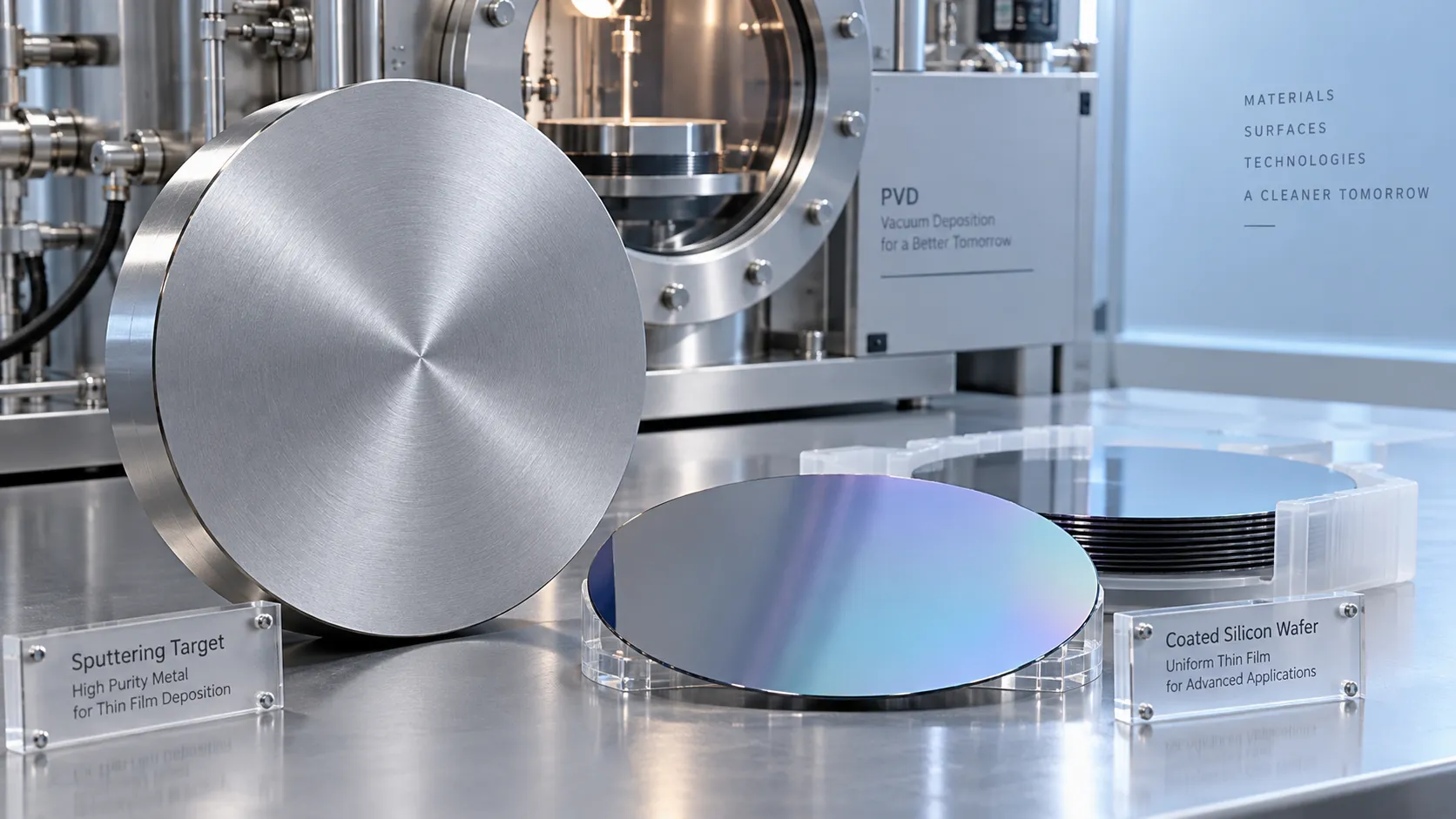
How does the purity of sputtering targets affect thin-film quality?
Discover how sputtering targets affect thin-film quality. Learn to assess purity, identify harmful impurities, and choose specifications that improve coating performance.
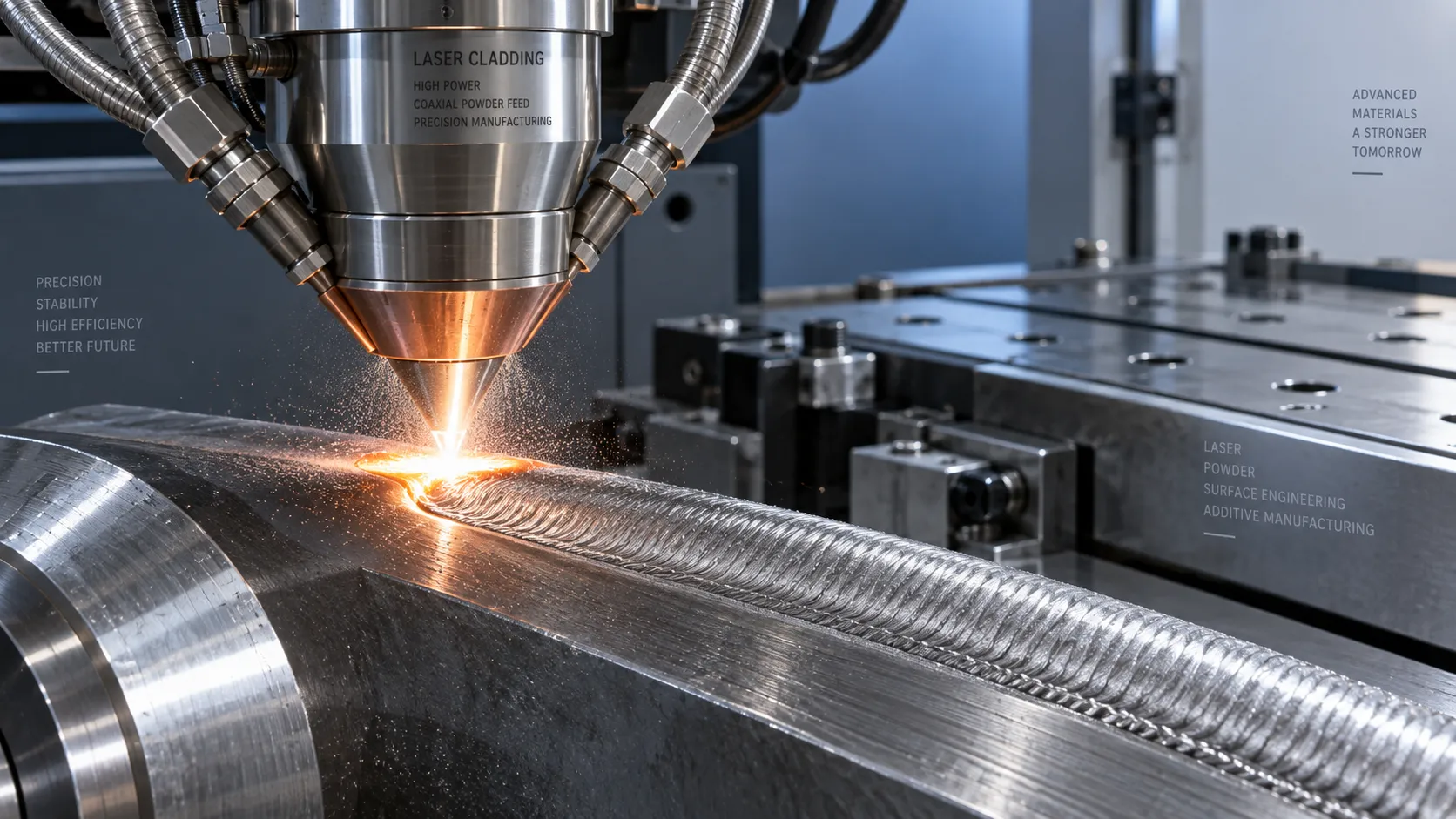
How high power laser cladding systems control substrate dilution
Discover how high power laser cladding systems control substrate dilution through beam shaping, material feed, and thermal management to deliver reliable bonds and coating performance.
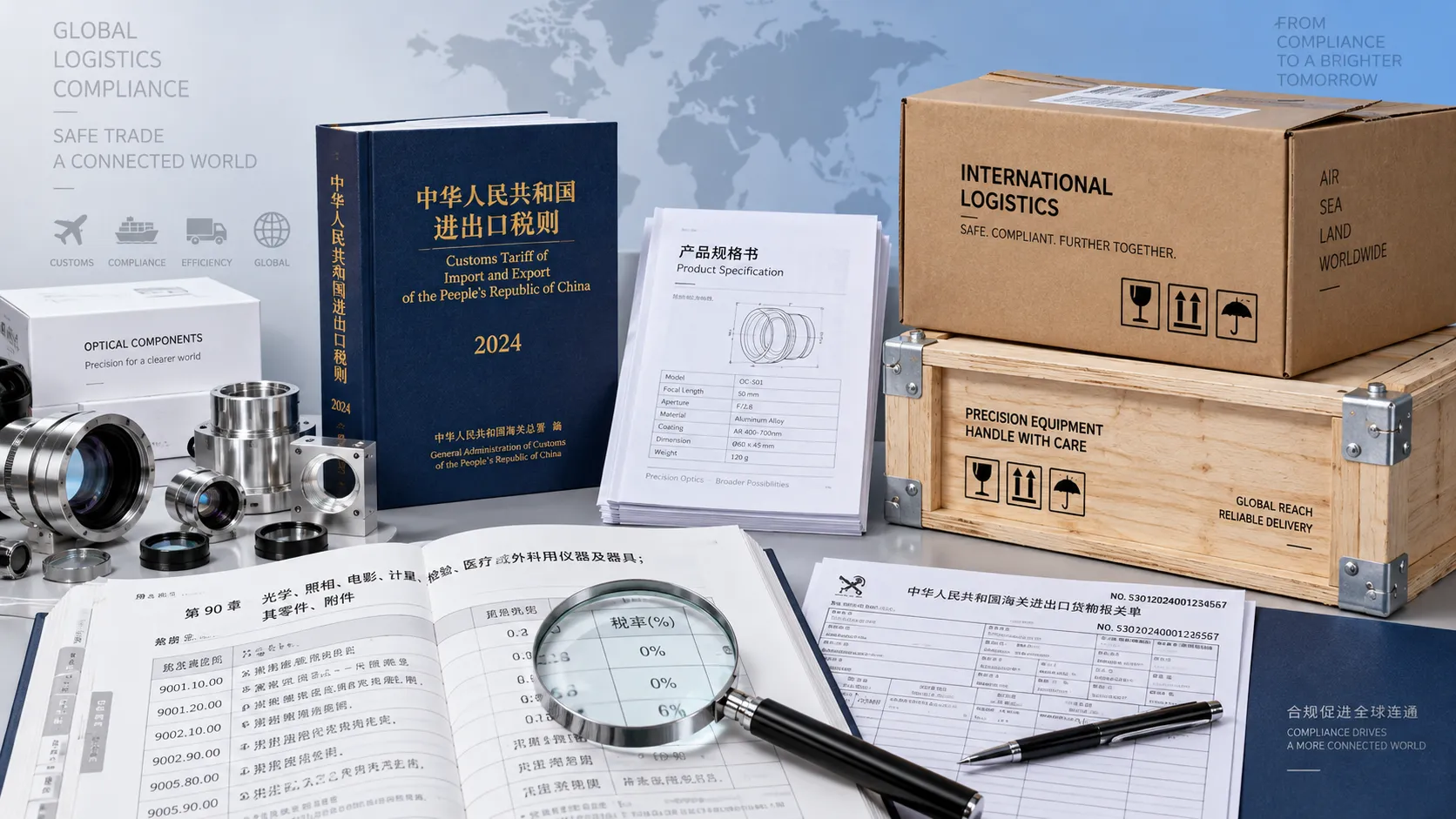
How to check HS codes for customs compliance in international logistics
Strengthen international logistics customs compliance: learn how to verify HS codes, check official tariffs, and document classifications to reduce costly shipment delays.
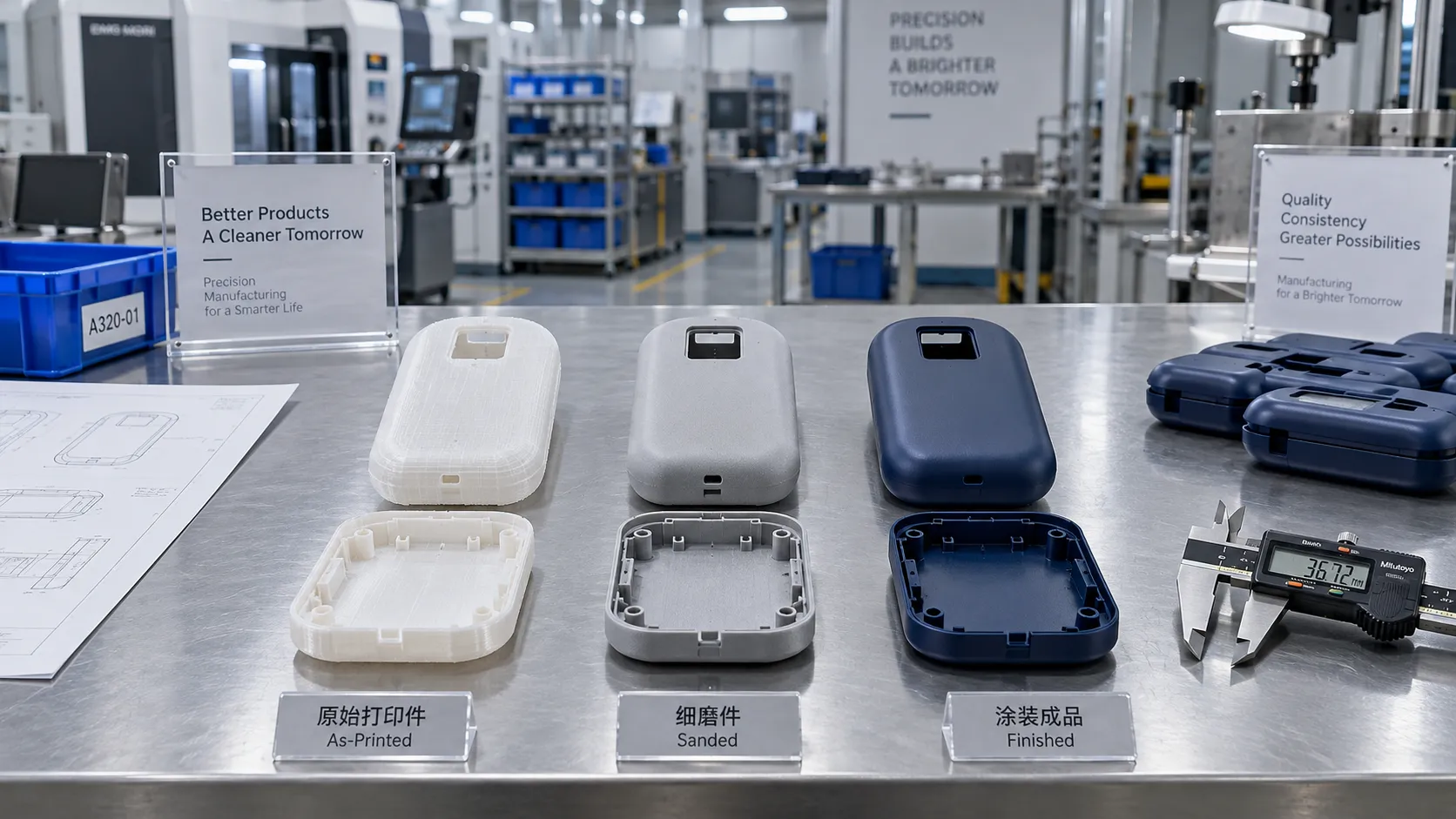
Choosing a 3D Printing Service for Consumer Products: Finish, Fit, and Cost
Compare 3d printing consumer good services by finish, fit, materials, and total cost. Learn how to choose a reliable supplier and avoid costly defects before ordering.
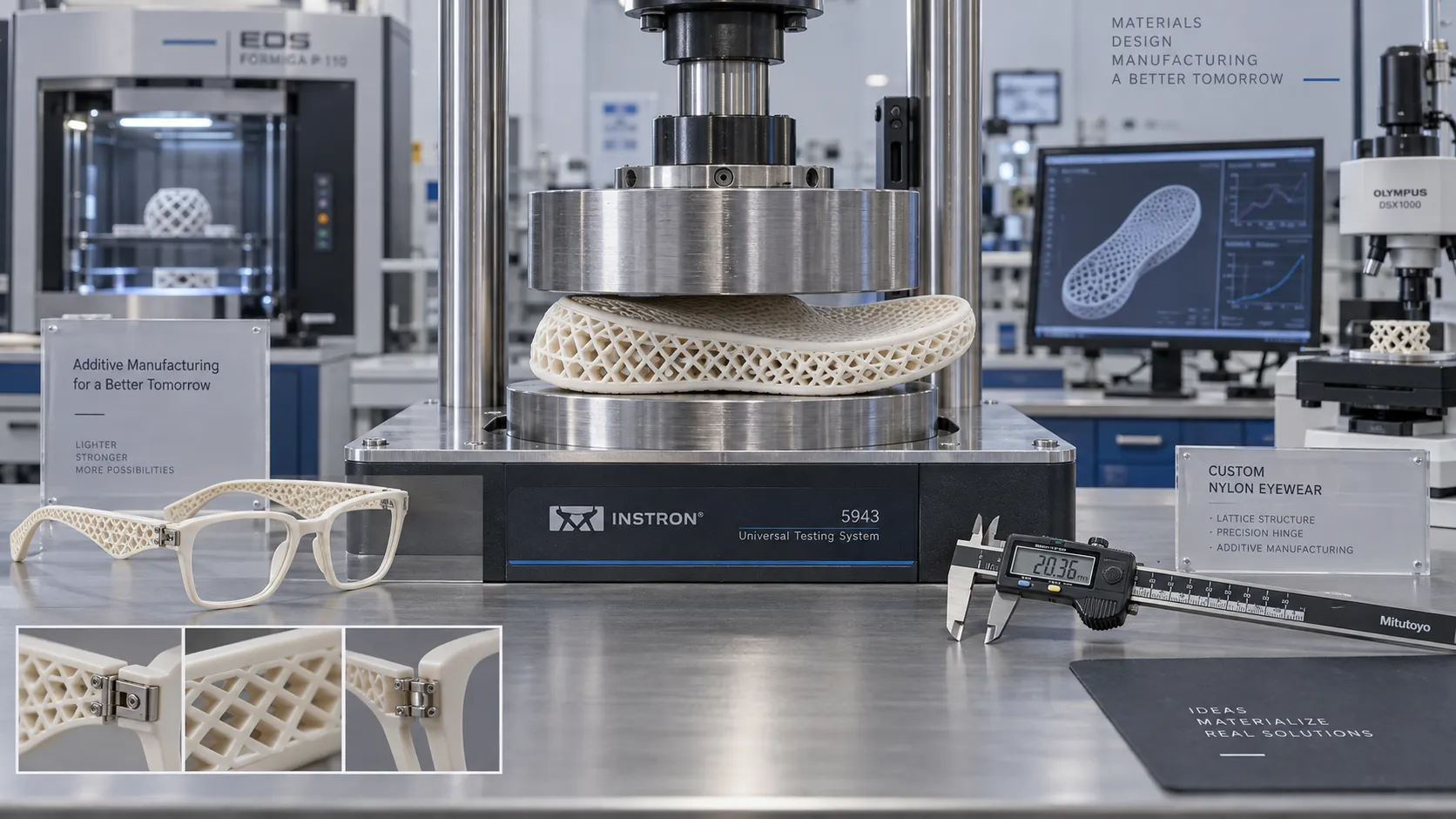
Which Consumer Goods Can Be 3D Printed, and What Are the Practical Limits?
Explore 3d printing consumer goods, from custom eyewear to replacement parts. Discover practical limits on materials, safety, and costs to make smarter production decisions.
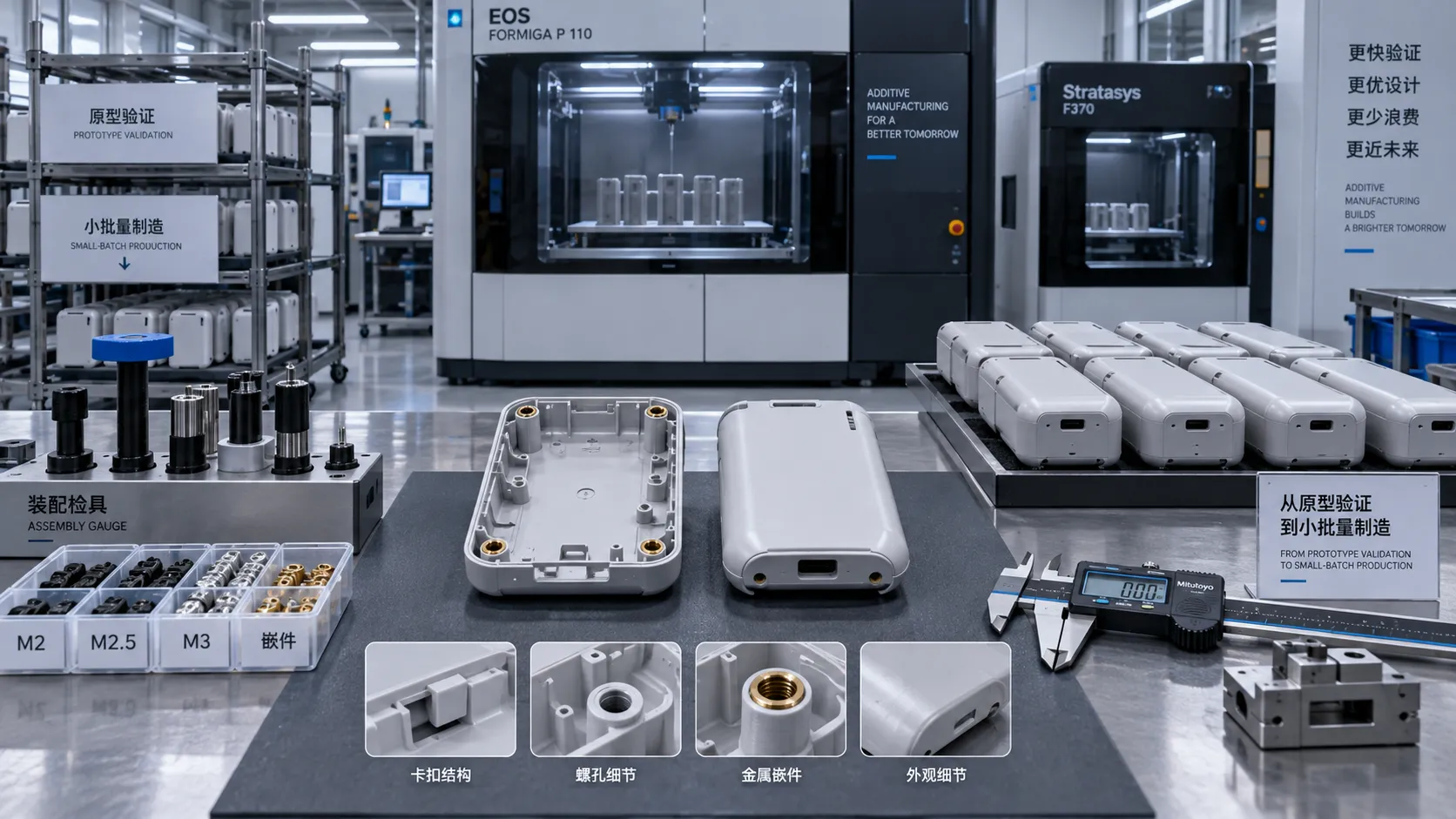
From Prototype to Small Batch: Applying 3D Printing to Consumer Goods
Explore 3d printing in consumer goods: learn how to move from prototype to small-batch production with practical guidance on materials, quality validation, and cost control.
Related News
- 00
0000-00
How to verify part consistency before choosing a 3D printing OEM - 00
0000-00
How does a rigid cryogenic transfer line handle thermal contraction? - 00
0000-00
How much does edge vision deployment cost beyond the hardware? - 00
0000-00
How does the purity of sputtering targets affect thin-film quality? - 00
0000-00
How high power laser cladding systems control substrate dilution
Dr. Hideo Tanaka
Weekly Insights
Stay ahead with our curated technology reports delivered every Monday.