
How to Read Fiber Laser Technical Specifications

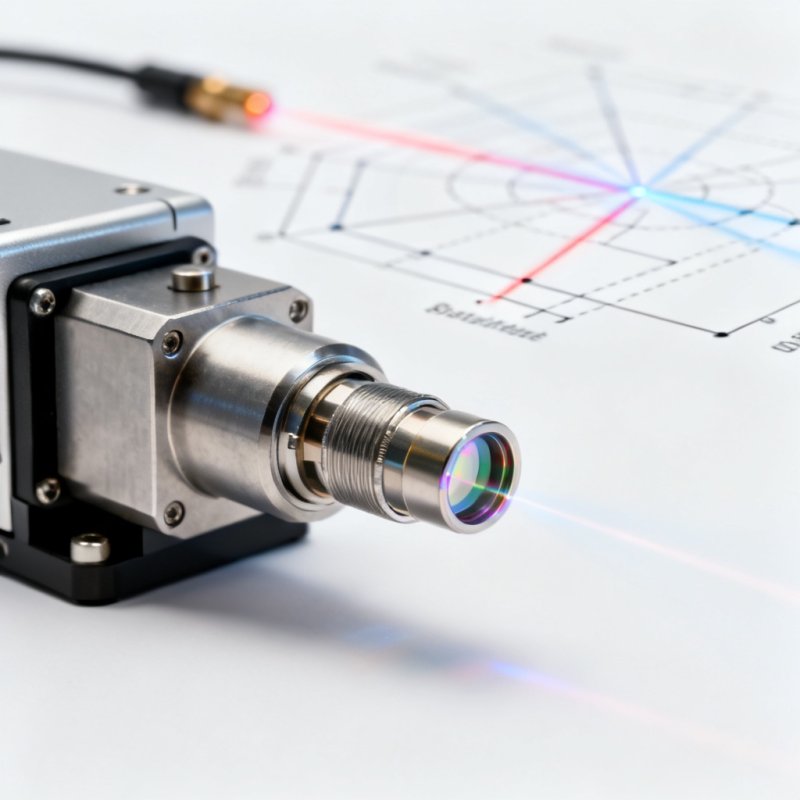
Reading Fiber Lasers technical specifications correctly is essential for buyers, engineers, and project leaders involved in precision manufacturing. From power stability and beam quality to cooling, compatibility, and Industrial Standards, every parameter affects performance, cost, and compliance. This guide explains how to evaluate Technical Specifications with confidence while connecting laser selection to Additive Manufacturing, Machine Vision, Metal 3D Printers, and broader high-tech industrial applications.
For B2B teams, a fiber laser data sheet is not just a list of numbers. It is a risk map for throughput, weld or cut quality, maintenance burden, regulatory fit, and long-term total cost of ownership. A 3kW source that looks similar to another on paper can behave very differently in reflective metals, high-duty-cycle shifts, or tightly controlled automated cells.
This article is designed for researchers, operators, procurement managers, commercial evaluators, quality and safety teams, project leaders, and channel partners who need a practical way to interpret fiber laser specifications. Instead of treating each parameter in isolation, it explains how the figures interact in real production environments and how to compare systems more intelligently.
Core Fiber Laser Specifications That Matter First
The first reading step is to separate headline specifications from operational specifications. Many buyers focus on rated power alone, such as 1kW, 3kW, 6kW, or 12kW, yet production performance often depends just as much on power stability, beam parameter product, modulation behavior, and how the laser responds across different duty cycles. In metal cutting, cleaning, welding, and additive manufacturing, these details affect edge quality, pore formation, and repeatability.
Rated output power tells you the nominal energy capability, but you also need to know whether the power is continuous wave, quasi-continuous, or pulsed. A continuous-wave fiber laser suits high-speed cutting and deep welding, while pulsed systems are often selected for marking, thin-sheet processing, or heat-sensitive components. For many industrial cells, power stability within ±1% to ±2% is a more useful benchmark than raw peak output.
Beam quality is another priority specification. It may be expressed as M², beam parameter product, or core delivery characteristics. Lower M² values generally indicate a tighter, more focusable beam, which supports smaller spot sizes and higher energy density. This matters in battery tab welding, fine medical component marking, precision cutting of stainless steel from 0.5mm to 8mm, and powder-bed fusion process development.
Wavelength is usually around 1060nm to 1080nm for standard fiber lasers, but that does not mean all sources behave identically. Material absorption, especially in copper, aluminum, and highly reflective alloys, can differ depending on mode control, pulse shaping, and process setup. If the system will be used across multiple materials, the specification sheet should be evaluated alongside process window data rather than in isolation.
Key definitions to verify before shortlisting
- Rated power output and whether it is measured at the source or at the process head.
- Power stability over 8-hour, 12-hour, or 24-hour duty cycles.
- Beam quality indicators such as M², BPP, or focal spot capability.
- Operating mode: CW, modulated CW, nanosecond pulsed, or other pulse formats.
- Material compatibility for steel, aluminum, copper, titanium, or multi-material production.
The table below shows how common fiber laser specifications should be interpreted in practical procurement and engineering reviews rather than as isolated brochure claims.
A practical takeaway is that no single value determines performance. For example, a 6kW system with stable output and better beam quality can outperform a nominally higher-power alternative in thin-to-medium gauge precision tasks. Teams comparing offers should always ask for application-specific data, not only source-level specifications.
How Cooling, Electrical, and Integration Specs Affect Real Production
Fiber laser selection often fails at the integration stage, not at the source-selection stage. A laser may meet process requirements but still create installation delays if its cooling demand, electrical input, communication protocol, footprint, or safety interlock logic does not align with the machine platform. This is especially common in retrofits, multi-station robotic welding cells, and hybrid additive manufacturing lines.
Cooling specifications deserve close attention. Some systems are air-cooled at lower power levels, while many industrial platforms above 1.5kW to 2kW require water cooling. Buyers should verify coolant temperature windows, flow requirements, alarm logic, and ambient operating conditions. In plants where summer ambient temperatures reach 30°C to 35°C, an undersized chiller can reduce output stability or increase unplanned stoppages.
Electrical input requirements also shape total deployment cost. A source designed for 380V to 480V three-phase supply may be straightforward in a large factory but difficult in a smaller workshop configured mainly for lower-capacity infrastructure. Review input power fluctuation tolerance, peak draw during startup, harmonic sensitivity, and whether an isolated power environment is recommended for high-precision operations.
Communication and control compatibility are equally important in smart factories. Modern laser platforms may support Ethernet/IP, Profinet, EtherCAT, analog control, or digital I/O. For automated lines using machine vision and optical inspection, response timing and signal interoperability can influence seam tracking, closed-loop correction, and traceable production data collection. If the laser is part of a digital manufacturing stack, interface details should be treated as a purchasing criterion, not an afterthought.
Integration checklist for project teams
- Confirm facility power supply, grounding quality, and startup load capacity at least 4 to 6 weeks before installation.
- Match cooling requirements to local ambient conditions and production duty cycle, not only to lab conditions.
- Verify communication protocols with PLC, robot controller, MES, and machine vision system.
- Review cabinet footprint, cable routing radius, fiber delivery length, and enclosure constraints.
- Check safety interlocks, emergency stop logic, and compliance responsibilities across the complete cell.
Typical infrastructure review points
The table below helps procurement and engineering teams translate infrastructure specifications into deployment risk. This is particularly useful when comparing a new turnkey machine against a source-only purchase for system integration.
When these factors are reviewed early, commissioning time can often be shortened from 3 to 4 weeks of troubleshooting to a more predictable startup window. In high-value production lines, that difference has direct commercial impact because process qualification, operator training, and customer acceptance often depend on stable early performance.
Reading Specifications by Application: Cutting, Welding, Additive Manufacturing, and Inspection
A fiber laser specification sheet should always be read through the lens of the intended application. The same source may be acceptable for flat-sheet cutting but unsuitable for high-precision seam welding or metal additive manufacturing. Application context changes what matters most: cutting emphasizes speed and edge quality, welding emphasizes stability and penetration control, while additive manufacturing emphasizes process repeatability and thermal management over long builds.
In laser cutting, buyers typically compare power class, focal characteristics, assist gas compatibility, and expected thickness performance. A 3kW to 6kW range may be sufficient for many stainless steel and carbon steel applications, while thicker sections or high-throughput demand may push selection toward 10kW or above. However, cut quality at corners, pierce stability, and dross behavior often reveal more than nominal thickness claims.
In welding, specification reading should prioritize beam quality, wobble compatibility, modulation response, and reflectivity handling. Applications in EV battery manufacturing, electronics enclosures, and fine stainless assemblies often require stable energy delivery in narrow process windows. Even small drift in power or focal consistency can lead to pores, underfill, spatter, or rework rates rising above 2% to 5%, which is expensive in automated lines.
For metal 3D printers and additive manufacturing platforms, the fiber laser is part of a more tightly controlled system. The source must interact reliably with galvanometer scanning, powder behavior, inert gas flow, and optical monitoring. In these cases, pulse response, long-duration stability, and calibration repeatability can be more important than headline maximum power. A source used across 20-hour to 60-hour build cycles must hold predictable output under continuous thermal load.
Application-specific reading priorities
Another useful filter is inspection and quality control compatibility. Manufacturers increasingly combine fiber laser systems with machine vision, coaxial monitoring, and post-process optical inspection. If a specification sheet ignores synchronization capability or diagnostic outputs, quality teams may struggle to build closed-loop control. In advanced plants, a laser is no longer a standalone tool; it is part of a monitored production system.
Common misreadings by application teams
- Assuming maximum thickness claims equal stable production thickness at target speed.
- Comparing source power without checking beam delivery optics and process head compatibility.
- Using short sample-test success to predict 24-hour or multi-shift production reliability.
- Ignoring data interface needs when the project requires machine vision or inspection traceability.
Procurement, Compliance, and Lifecycle Evaluation
For procurement managers and business evaluators, technical specifications should be translated into lifecycle questions. The source may fit the process today, but can it support maintenance planning, spare parts availability, export compliance review, operator training, and multi-site standardization? These factors influence the true commercial value of a fiber laser far beyond the initial purchase price.
A disciplined review should include at least 4 dimensions: process fitness, infrastructure fit, compliance and safety alignment, and service supportability. In regulated or high-reliability sectors, documentation matters as much as the hardware. Teams may need material processing guidance, calibration records, maintenance schedules, interface documentation, and quality acceptance criteria before approving capital expenditure.
Standards and compliance language should be read carefully. Depending on the region and application, buyers may need to reference ISO-based quality frameworks, electrical safety requirements, optical safety controls, SEMI-related conditions in electronics environments, or ASTM-linked process validation practices in advanced manufacturing. A specification document should indicate what is included at the product level and what remains the integrator’s responsibility at the system level.
Lifecycle considerations include preventive maintenance frequency, expected consumable replacement intervals, remote diagnostic capability, and service response time. A laser that needs inspection every 2,000 to 4,000 operating hours may still be attractive if support is strong and downtime planning is clear. By contrast, a lower-cost system with unclear maintenance documentation can create hidden losses in utilization, scrap, and delayed customer shipments.
A practical procurement scoring model
The following matrix can help cross-functional teams score competing fiber laser options in a structured way. The percentages are illustrative and can be adjusted depending on whether the priority is throughput, process qualification, or multi-site deployment.
This kind of scoring approach helps avoid a common mistake: selecting purely on source power or price. In many industrial projects, the difference between a successful deployment and a problematic one lies in documentation depth, integration maturity, and post-installation support. That is why technical benchmarking and structured review are critical for decision-makers managing capital equipment risk.
Common Questions, Mistakes, and a Better Reading Method
Even experienced teams can misread fiber laser specifications when supplier documents use different terminology or emphasize brochure-friendly numbers. The safest approach is to build a reading sequence: first define the target application, then identify non-negotiable technical thresholds, then review integration and compliance, and finally compare service support and lifecycle cost. This 4-step method keeps the evaluation grounded in business reality.
A second best practice is to request evidence in three forms: specification sheet, application test data, and installation requirement list. These documents together reveal whether the source fits your project. Without all three, it is easy to underestimate utility load, overestimate process range, or miss compatibility issues with robotic systems, machine vision modules, or metal 3D printer architectures.
For distributors and channel partners, understanding these details also improves customer qualification. Instead of forwarding generic brochures, they can ask the end user about material type, thickness range, production hours per day, target defect rate, and whether the system must integrate with inspection or MES tools. This shortens the sales cycle and reduces mismatch risk.
Below are some frequent questions raised during sourcing, validation, and project review. They reflect how technical specifications should be interpreted in real industrial purchasing workflows.
How should buyers compare two lasers with the same rated power?
Compare at least 6 additional items: power stability, beam quality, cooling requirement, interface compatibility, maintenance plan, and application evidence on your target material. If both are rated at 3kW, but one holds tighter stability and integrates better with your automation stack, it may deliver lower scrap and faster commissioning.
Which specification is most often misunderstood?
Rated power is the most misunderstood because it is easy to market. In practice, long-run stability, beam focusability, and compatibility with process optics often determine whether the laser performs reliably. For precision manufacturing, a stable beam over 8-hour to 24-hour operation is usually more valuable than a higher nominal figure alone.
How important is compatibility with machine vision and inspection?
It is increasingly important in advanced industrial lines. When fiber lasers are used in automated welding, additive manufacturing, or quality-critical electronics production, synchronized data and inspection feedback can improve traceability and help reduce defect escape. If vision integration is part of the roadmap, communication and diagnostic outputs should be checked before purchase.
A simple reading method for cross-functional teams
- Step 1: Define application boundaries, including material, thickness, takt time, and required quality level.
- Step 2: Screen technical specifications against hard thresholds such as power class, stability, and beam quality.
- Step 3: Validate infrastructure and integration, including cooling, electrical input, and protocol support.
- Step 4: Confirm compliance, serviceability, and documentation before final commercial comparison.
Reading fiber laser technical specifications well means translating numbers into production outcomes. When teams align source data with application demands, infrastructure realities, inspection strategy, and lifecycle requirements, they make better decisions and reduce project risk. G-AIT supports this approach through technical benchmarking, cross-sector industrial intelligence, and evaluation frameworks that connect laser processing with additive manufacturing, machine vision, and high-performance production environments. To assess a fiber laser platform, compare technical options, or build a more reliable sourcing shortlist, contact us for tailored guidance and deeper solution analysis.
Related News
How to verify part consistency before choosing a 3D printing OEM
Choosing a 3D printing OEM? Learn how to verify part consistency with repeat-build trials, validated inspections, and traceability checks before committing to production.
How does a rigid cryogenic transfer line handle thermal contraction?
Learn how a rigid cryogenic transfer line manages thermal contraction with bends, bellows, and guided supports. Discover key design checks for safe, reliable cryogenic performance.

How much does edge vision deployment cost beyond the hardware?
Understand edge vision deployment cost beyond hardware, from data and integration to security and support. Uncover hidden expenses and build a smarter lifecycle budget before you scale.
How does the purity of sputtering targets affect thin-film quality?
Discover how sputtering targets affect thin-film quality. Learn to assess purity, identify harmful impurities, and choose specifications that improve coating performance.
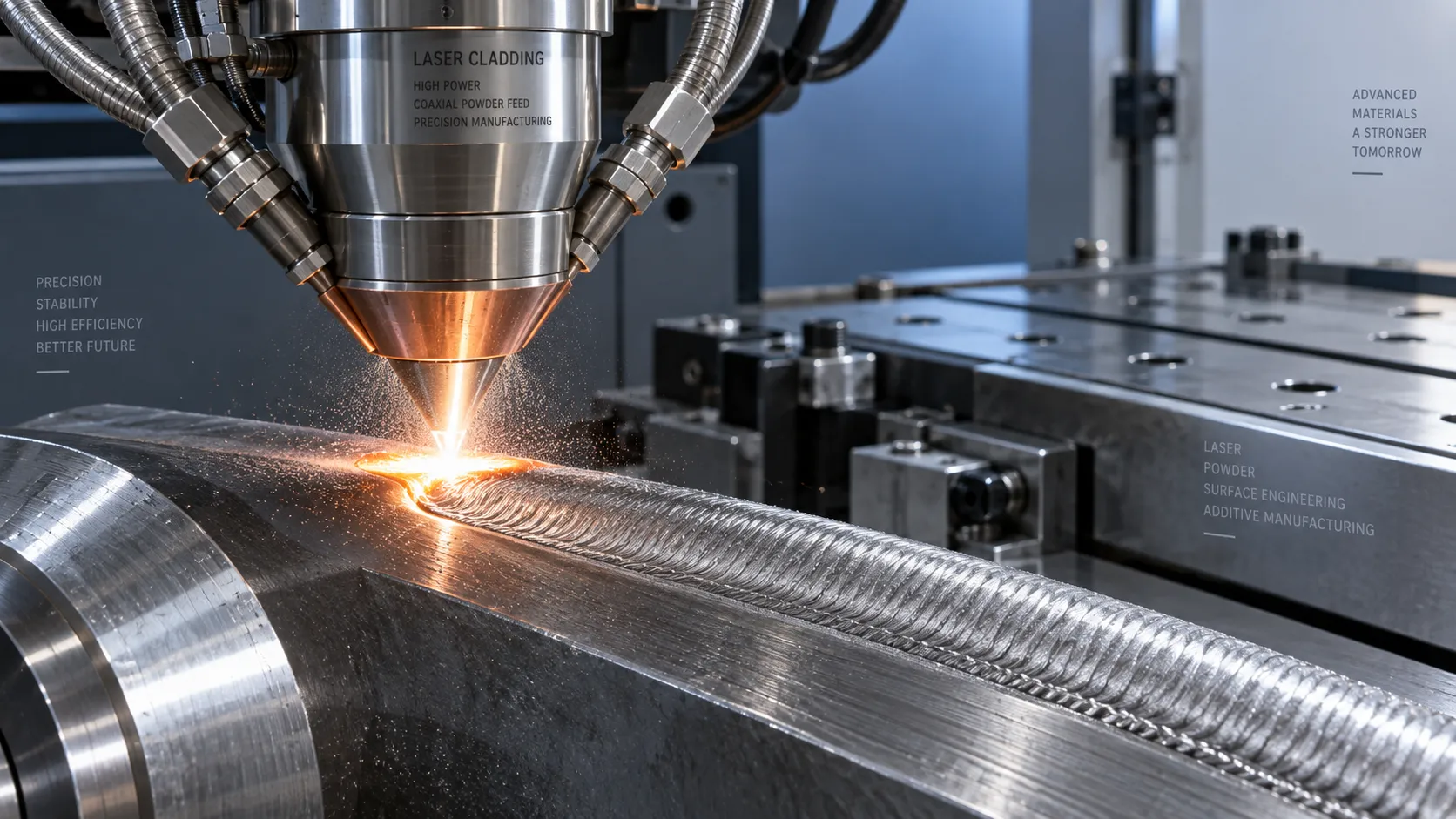
How high power laser cladding systems control substrate dilution
Discover how high power laser cladding systems control substrate dilution through beam shaping, material feed, and thermal management to deliver reliable bonds and coating performance.

How to check HS codes for customs compliance in international logistics
Strengthen international logistics customs compliance: learn how to verify HS codes, check official tariffs, and document classifications to reduce costly shipment delays.
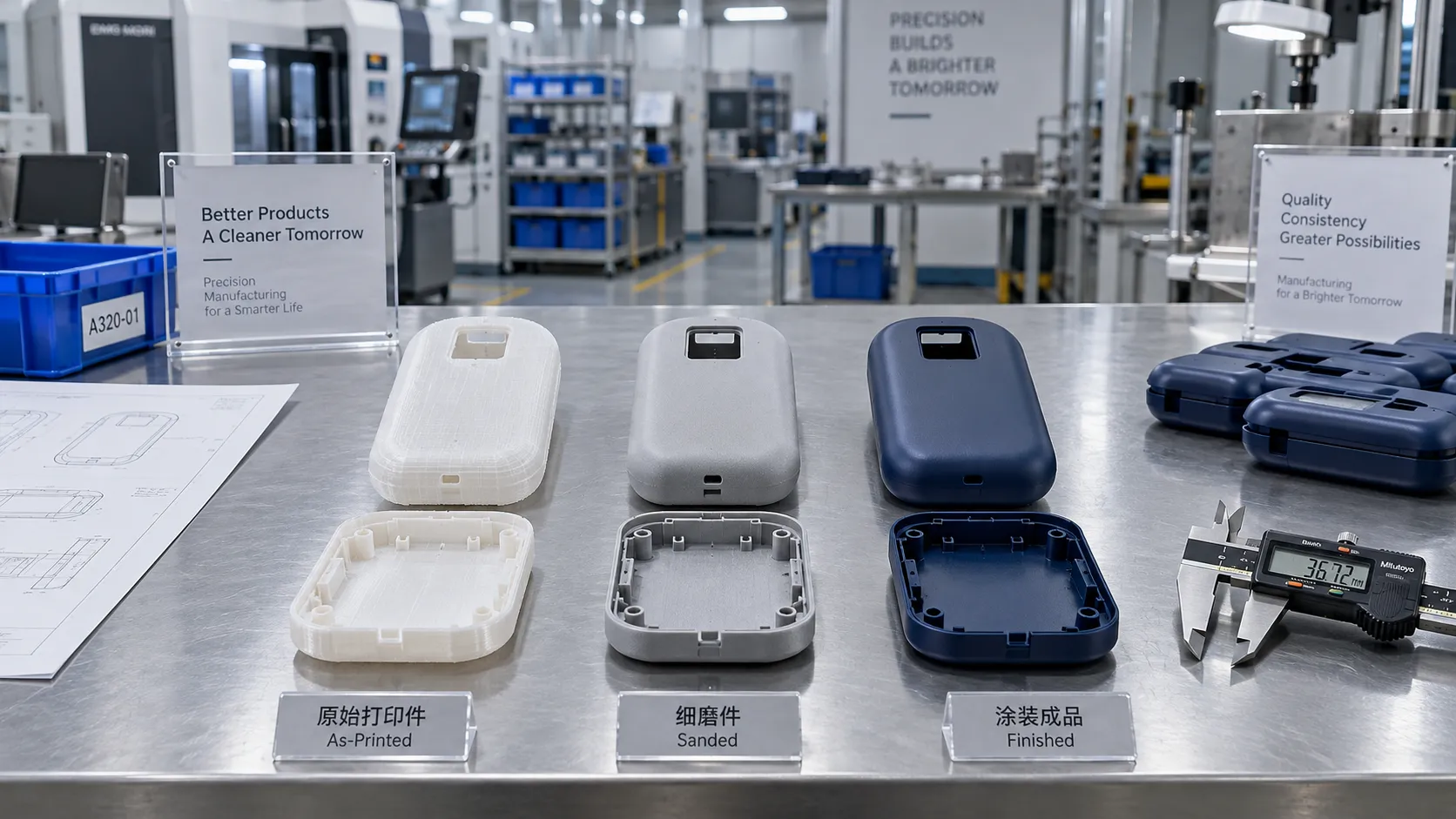
Choosing a 3D Printing Service for Consumer Products: Finish, Fit, and Cost
Compare 3d printing consumer good services by finish, fit, materials, and total cost. Learn how to choose a reliable supplier and avoid costly defects before ordering.
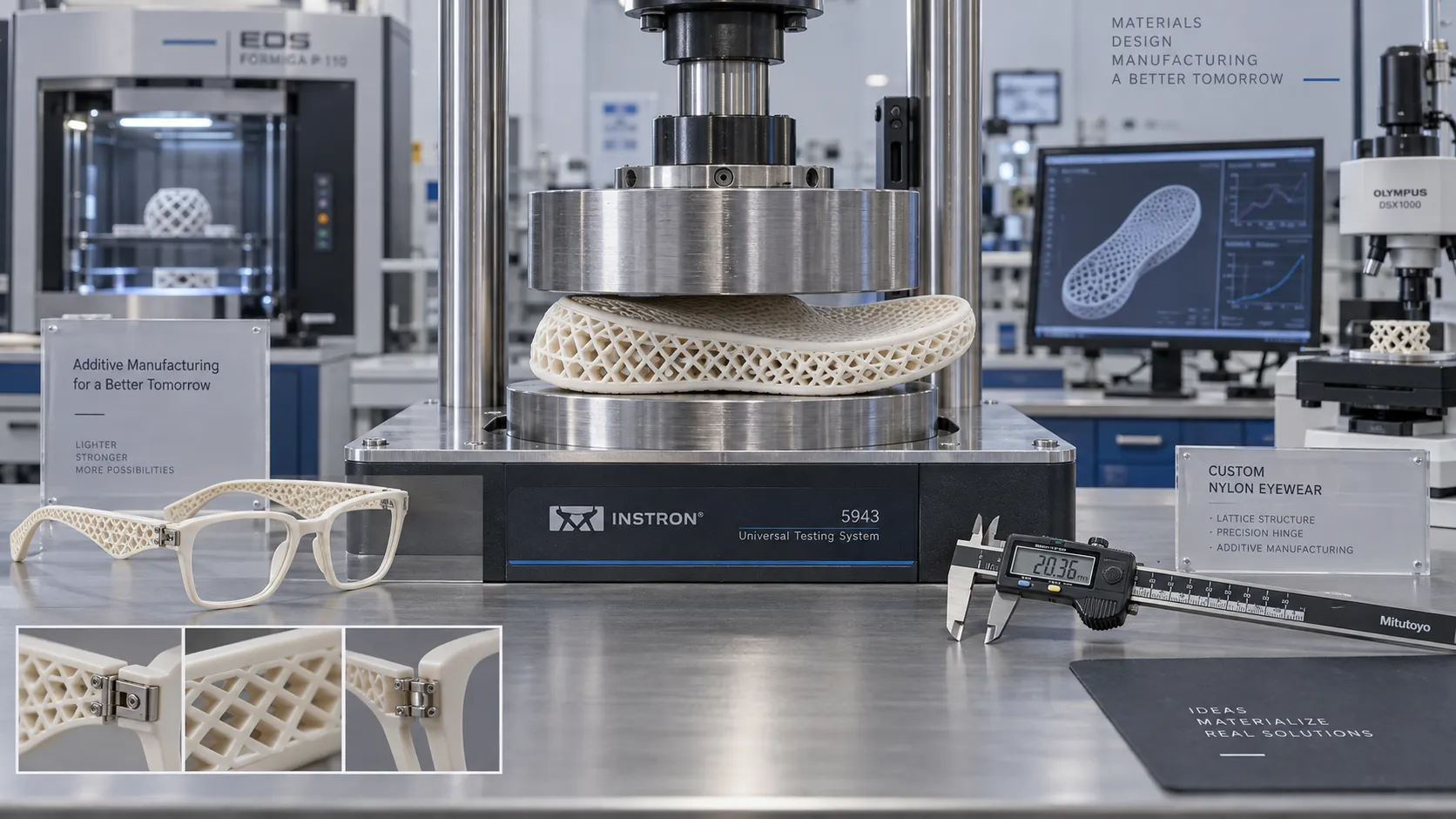
Which Consumer Goods Can Be 3D Printed, and What Are the Practical Limits?
Explore 3d printing consumer goods, from custom eyewear to replacement parts. Discover practical limits on materials, safety, and costs to make smarter production decisions.
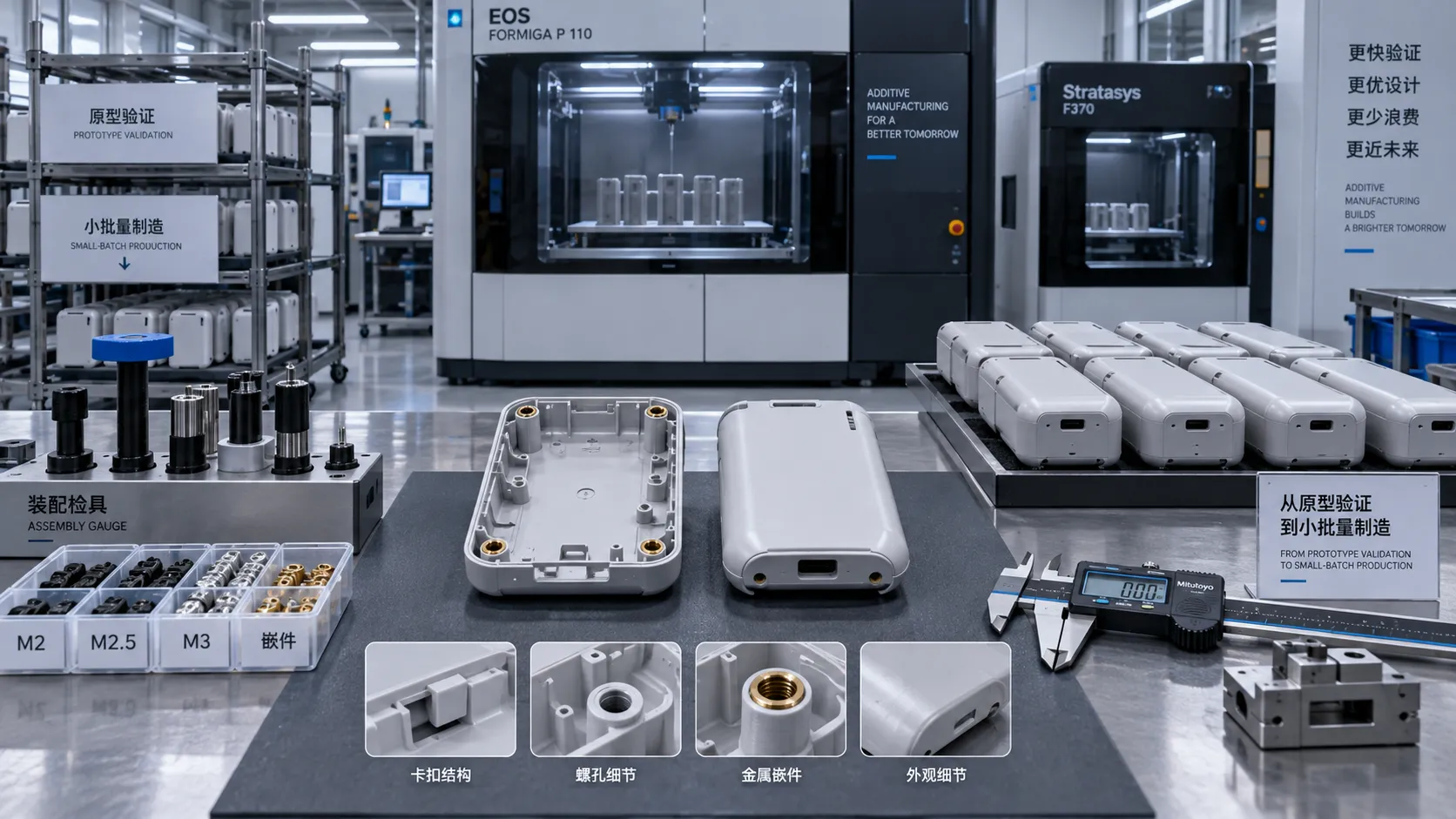
From Prototype to Small Batch: Applying 3D Printing to Consumer Goods
Explore 3d printing in consumer goods: learn how to move from prototype to small-batch production with practical guidance on materials, quality validation, and cost control.
Related News
- 00
0000-00
How to verify part consistency before choosing a 3D printing OEM - 00
0000-00
How does a rigid cryogenic transfer line handle thermal contraction? - 00
0000-00
How much does edge vision deployment cost beyond the hardware? - 00
0000-00
How does the purity of sputtering targets affect thin-film quality? - 00
0000-00
How high power laser cladding systems control substrate dilution
Dr. Hideo Tanaka
Weekly Insights
Stay ahead with our curated technology reports delivered every Monday.