
High power laser breakthroughs are reshaping factory plans

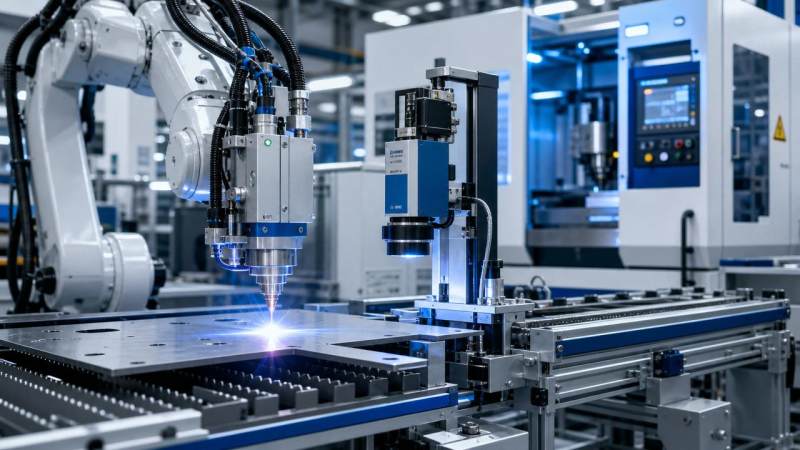
High power laser technology breakthroughs are no longer confined to labs—they are redefining how factories invest, automate, and compete. For business decision-makers, these advances signal more than faster cutting or welding; they reshape capital planning, production flexibility, quality control, and supply chain resilience. This article explores why the latest laser innovations are becoming a strategic priority across modern manufacturing.
Why a checklist matters for high power laser technology breakthroughs
High power laser technology breakthroughs promise speed, precision, and new material capability. Yet poor evaluation often leads to underused assets, unstable yields, or compliance gaps.
A checklist-based review turns technical excitement into structured planning. It helps compare systems, validate process fit, and align laser investments with broader factory modernization goals.
This matters across the composite industrial landscape, where metal fabrication, electronics, automotive, aerospace, energy, and advanced materials increasingly depend on laser-enabled throughput and repeatability.
Core checklist for evaluating high power laser technology breakthroughs
- Define target materials, thickness ranges, reflectivity levels, and joint geometries before comparing source power, beam quality, and processing speed claims from different laser platforms.
- Verify whether the claimed high power laser technology breakthroughs improve total process stability, not just peak output, under real duty cycles, thermal load, and contamination conditions.
- Check beam parameter product, focal stability, nozzle design, and assist gas control because these variables often determine edge quality more than headline kilowatt ratings.
- Assess automation readiness by reviewing robot integration, PLC compatibility, machine vision links, MES connectivity, and closed-loop monitoring for smart factory deployment.
- Model total cost of ownership, including optics replacement, chiller demand, power consumption, uptime assumptions, operator training, and preventive maintenance intervals.
- Review international standards, export control exposure, laser safety architecture, and traceability documentation to reduce future certification delays and cross-border project risk.
- Test process windows on representative parts, including corner cases, coated surfaces, mixed batches, and rework conditions, before approving any capital expenditure forecast.
- Compare vendor support depth, spare parts localization, application engineering strength, and software update policies because service capability often decides long-term production reliability.
What is changing inside the latest laser systems
Recent high power laser technology breakthroughs are not limited to raw wattage. Progress is appearing in beam shaping, dynamic power modulation, sensor fusion, and digital process control.
These advances allow cleaner weld pools, reduced spatter, tighter kerf control, and improved cut consistency across reflective metals, battery foils, structural alloys, and multilayer assemblies.
Fiber laser architectures are especially influential. Better electro-optical efficiency lowers operating cost, while compact designs simplify integration into robotic cells and hybrid manufacturing lines.
Another shift involves real-time sensing. Optical inspection, thermal feedback, and AI-assisted monitoring now detect process drift earlier, helping stabilize quality and reduce scrap accumulation.
Application scenarios shaping factory plans
Sheet metal and heavy fabrication
In sheet metal operations, high power laser technology breakthroughs support faster nesting cycles, cleaner edges, and reduced secondary finishing. This changes line balancing and floor-space planning.
For heavy fabrication, improved penetration and beam control expand the economic range of laser welding versus conventional arc processes, especially where distortion management matters.
Battery, electronics, and precision assemblies
Battery tabs, busbars, and miniature conductive parts require narrow heat-affected zones. Here, high power laser technology breakthroughs enable stronger joints without damaging surrounding layers.
Electronics production also benefits from traceable, software-controlled processing. That supports consistent quality under frequent design revisions and shorter product launch windows.
Automotive and transport systems
Vehicle platforms increasingly combine lightweight alloys, high-strength steels, and battery components. Laser flexibility helps manage mixed-material manufacturing without multiplying process stations.
This supports modular production strategies, where one platform must accommodate fast changes in geometry, throughput targets, and regional compliance requirements.
Aerospace, energy, and advanced materials
High-value sectors demand repeatability, documentation, and defect control. High power laser technology breakthroughs help meet these demands when qualification data is captured systematically.
Laser processing also intersects with additive manufacturing, optical inspection, graphene-enabled materials research, and vacuum-based applications, broadening its role in next-generation industrial ecosystems.
Commonly overlooked risks
Ignoring upstream and downstream constraints
A faster laser does not guarantee higher throughput if loading, fixturing, inspection, or part removal remains manual. Bottlenecks often move rather than disappear.
Overvaluing peak power
Many evaluations focus on maximum output. In practice, uptime, beam consistency, software usability, and application support usually create the larger economic difference.
Underestimating material variability
Surface coatings, oxide levels, thickness variation, and batch-to-batch chemistry can narrow process windows. Validation must include realistic production variation, not ideal samples only.
Missing regulatory and safety implications
High power laser technology breakthroughs often arrive alongside stricter safety enclosure, fume extraction, data logging, and export review needs. These should be budgeted from the start.
Practical execution steps
- Build a qualification matrix linking each candidate system to target materials, takt time, defect thresholds, and maintenance assumptions.
- Request sample trials using actual parts, actual coatings, and actual fixturing, then document process capability under repeat runs.
- Align laser adoption with automation, inspection, and digital traceability roadmaps rather than treating it as a stand-alone equipment purchase.
- Use benchmark standards and third-party technical validation where possible to compare vendor claims with operational reality.
- Phase implementation by starting with one high-value process family, then expanding after confirming uptime, yield, and service performance.
Summary and next action
High power laser technology breakthroughs are reshaping factory plans because they affect far more than machining speed. They influence layout, labor allocation, qualification strategy, energy use, and product flexibility.
The strongest decisions come from structured evaluation. A disciplined checklist reduces risk, clarifies technical fit, and connects laser capability to measurable operational outcomes.
The next step is simple: map one priority production challenge, test relevant laser process windows, and benchmark results against reliability, compliance, and total cost targets before scaling.
Related News
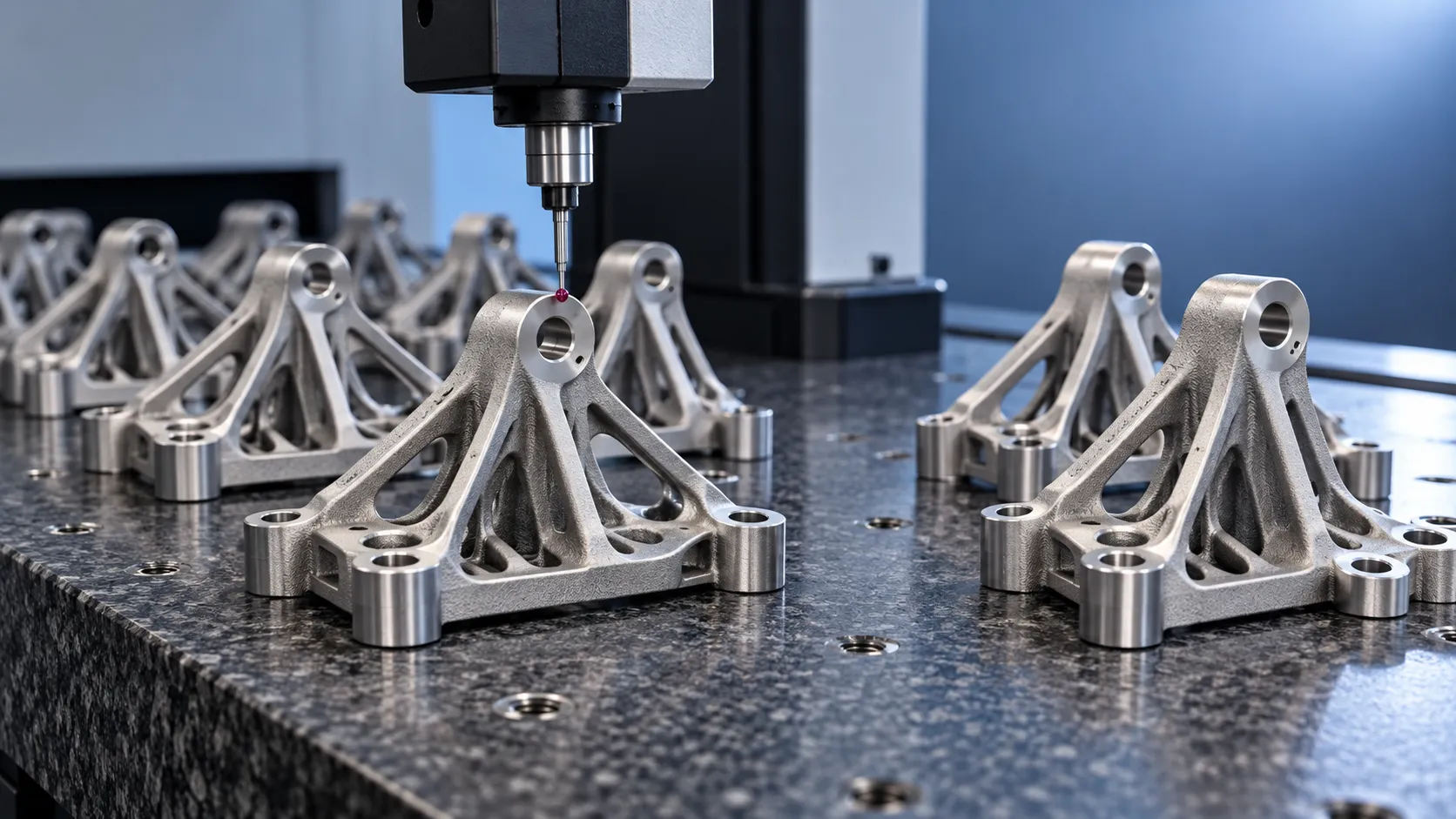
How to verify part consistency before choosing a 3D printing OEM
Choosing a 3D printing OEM? Learn how to verify part consistency with repeat-build trials, validated inspections, and traceability checks before committing to production.
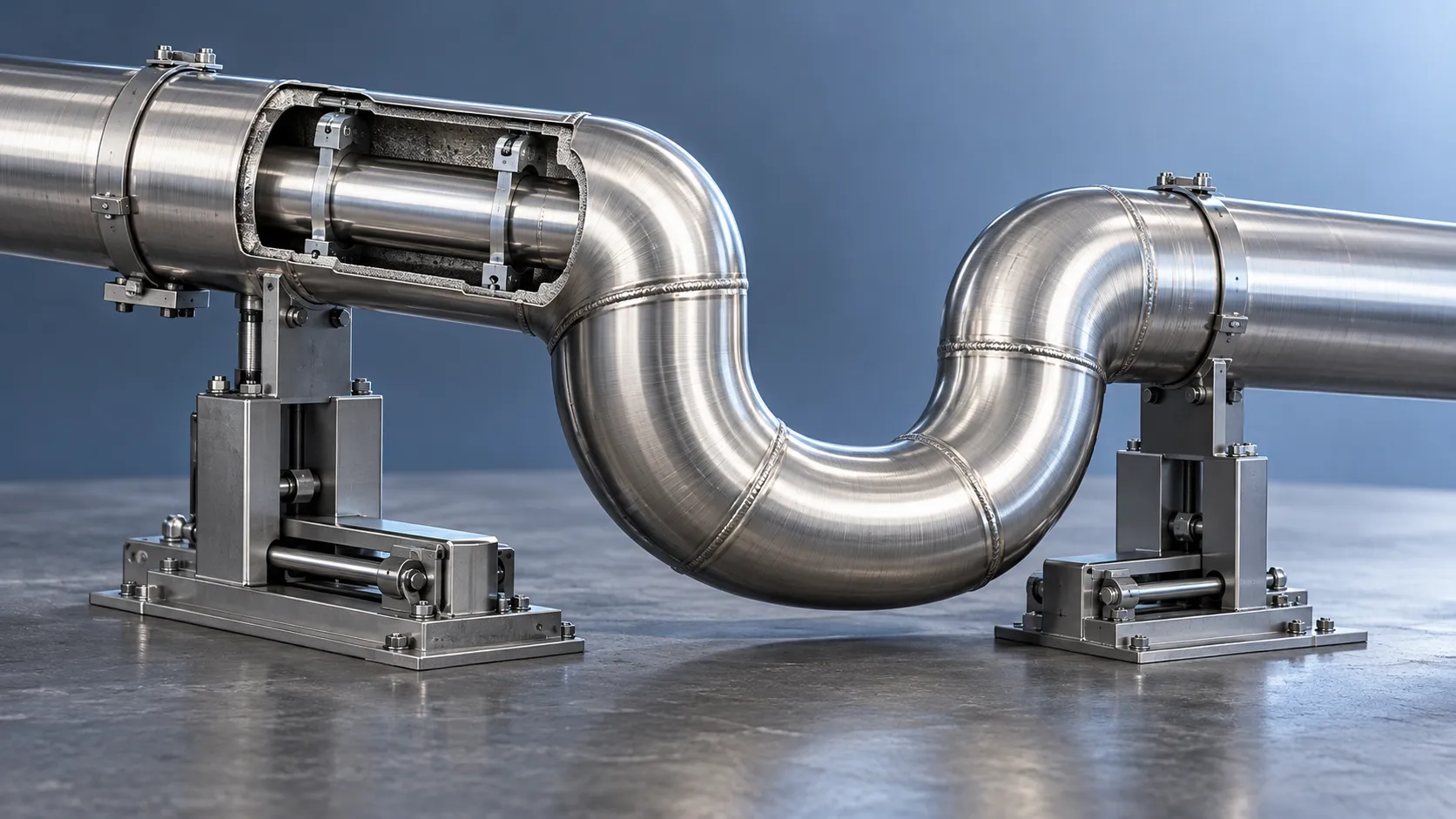
How does a rigid cryogenic transfer line handle thermal contraction?
Learn how a rigid cryogenic transfer line manages thermal contraction with bends, bellows, and guided supports. Discover key design checks for safe, reliable cryogenic performance.

How much does edge vision deployment cost beyond the hardware?
Understand edge vision deployment cost beyond hardware, from data and integration to security and support. Uncover hidden expenses and build a smarter lifecycle budget before you scale.
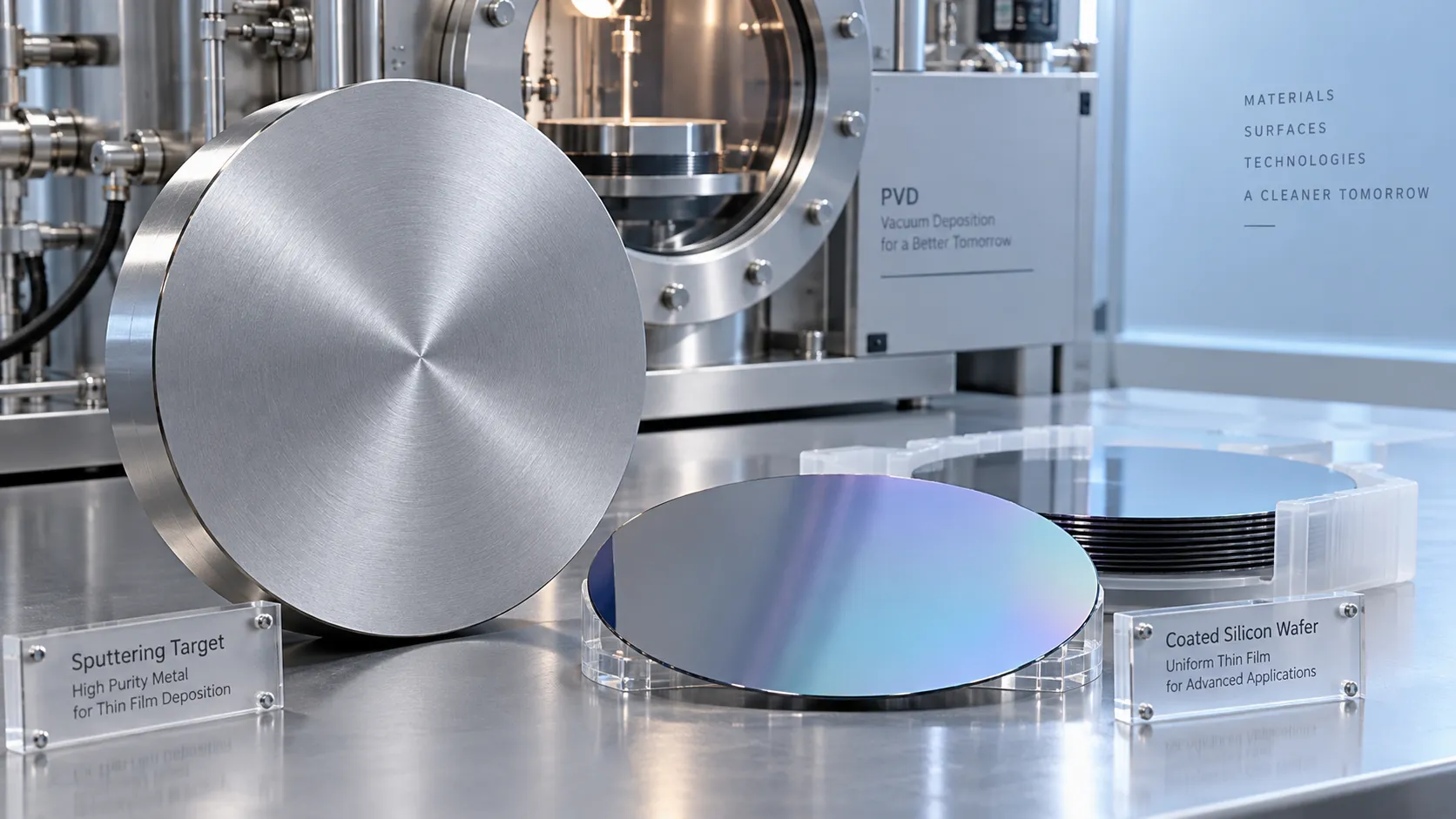
How does the purity of sputtering targets affect thin-film quality?
Discover how sputtering targets affect thin-film quality. Learn to assess purity, identify harmful impurities, and choose specifications that improve coating performance.
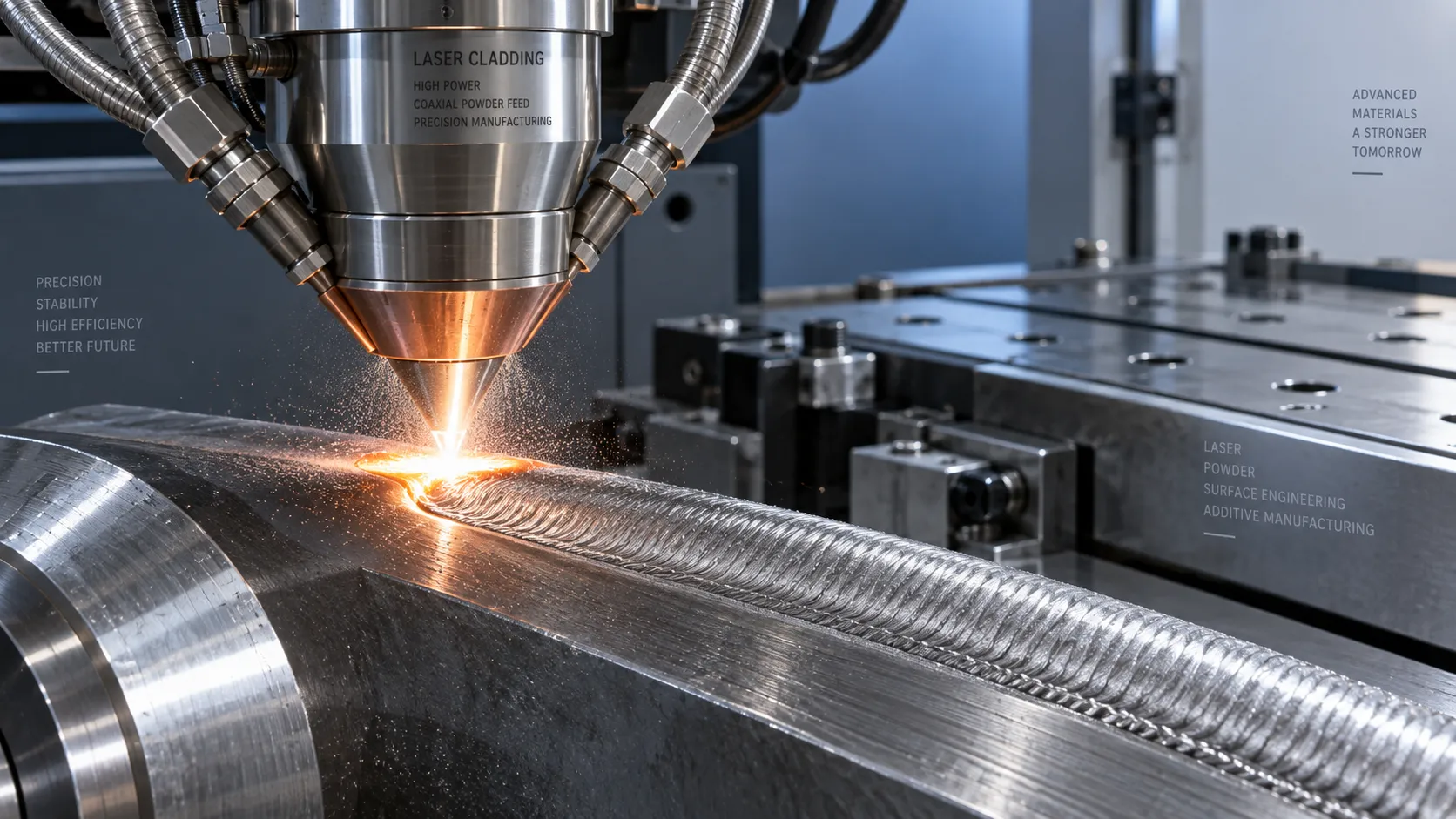
How high power laser cladding systems control substrate dilution
Discover how high power laser cladding systems control substrate dilution through beam shaping, material feed, and thermal management to deliver reliable bonds and coating performance.

How to check HS codes for customs compliance in international logistics
Strengthen international logistics customs compliance: learn how to verify HS codes, check official tariffs, and document classifications to reduce costly shipment delays.
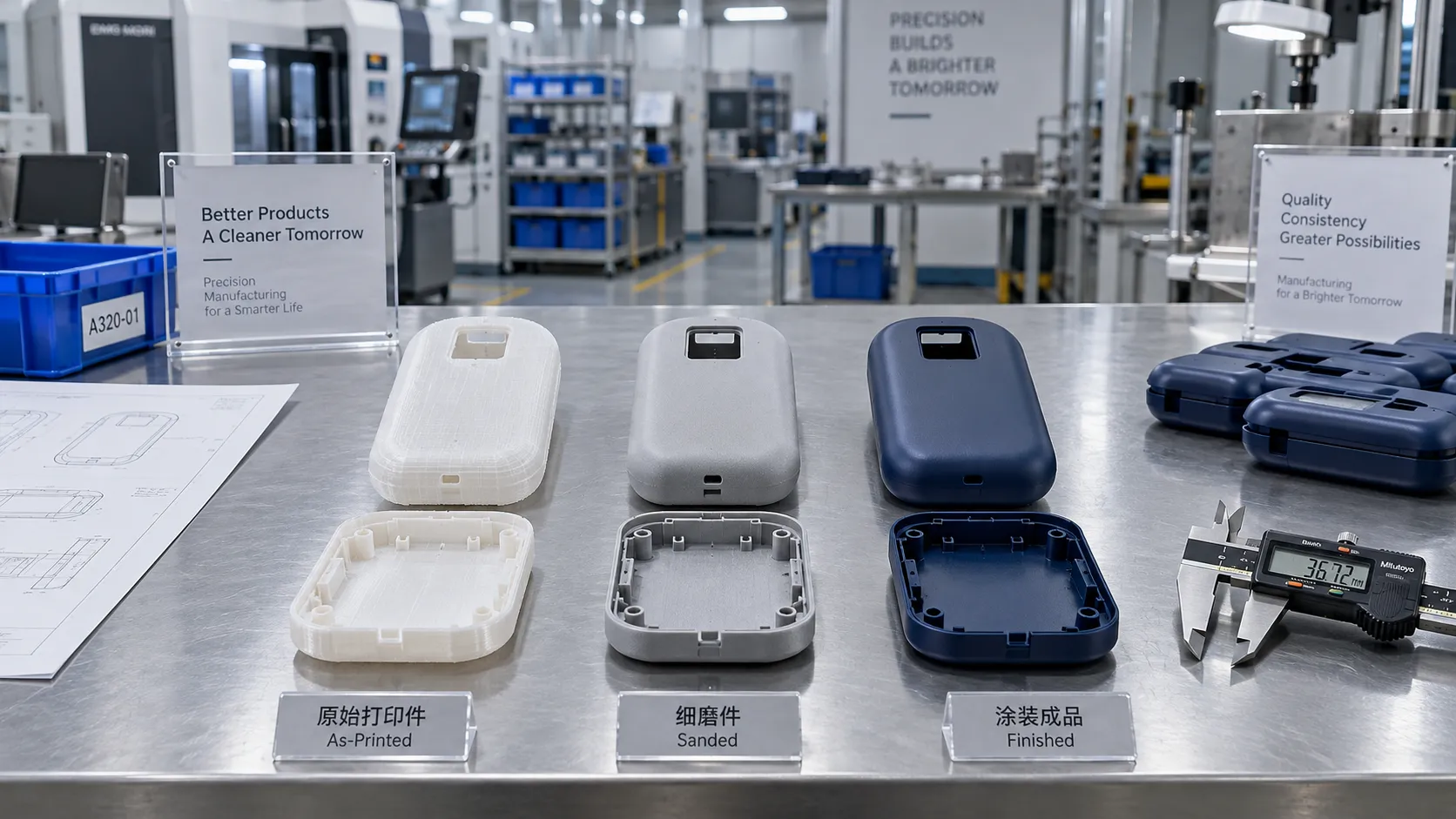
Choosing a 3D Printing Service for Consumer Products: Finish, Fit, and Cost
Compare 3d printing consumer good services by finish, fit, materials, and total cost. Learn how to choose a reliable supplier and avoid costly defects before ordering.
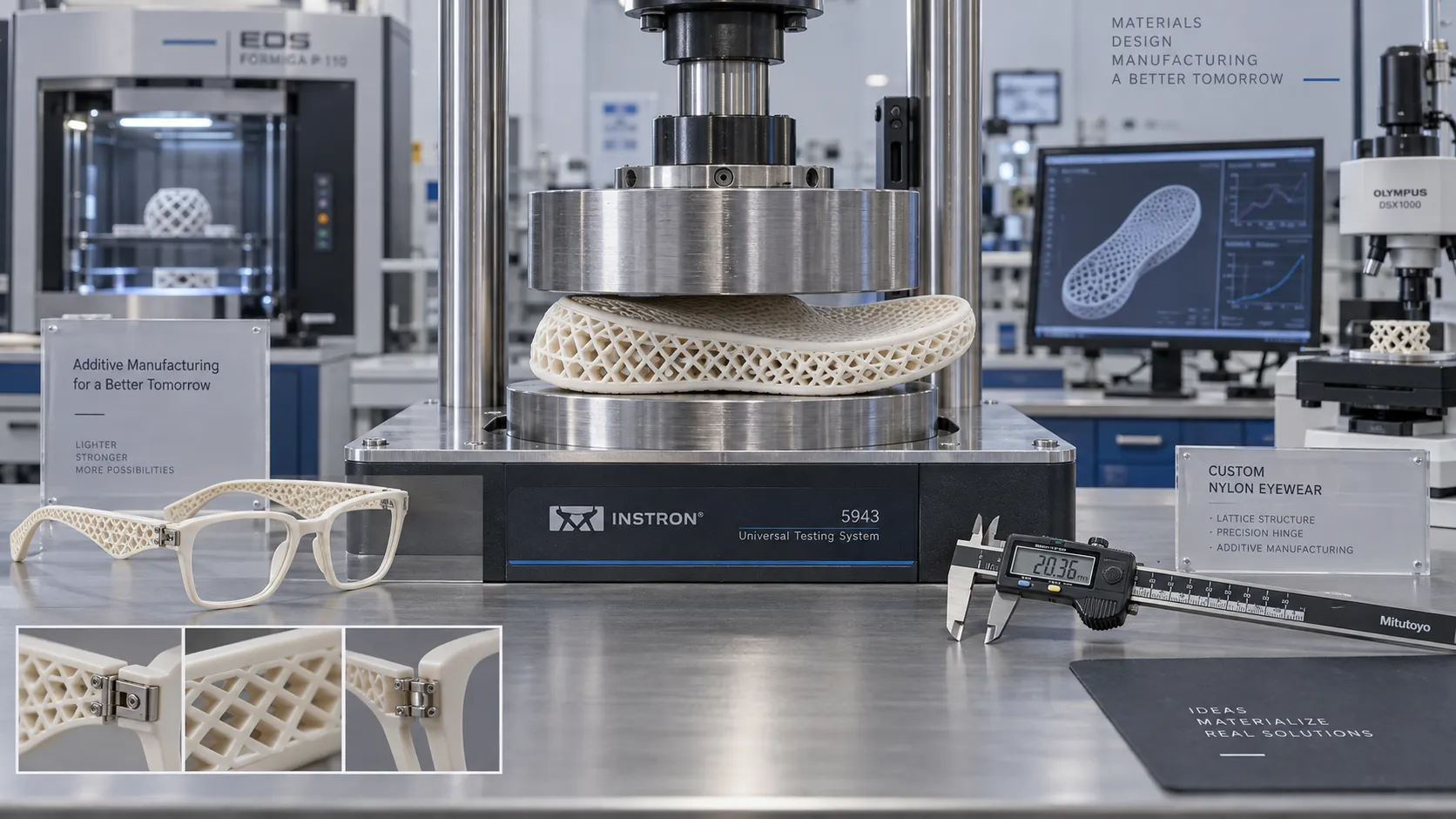
Which Consumer Goods Can Be 3D Printed, and What Are the Practical Limits?
Explore 3d printing consumer goods, from custom eyewear to replacement parts. Discover practical limits on materials, safety, and costs to make smarter production decisions.
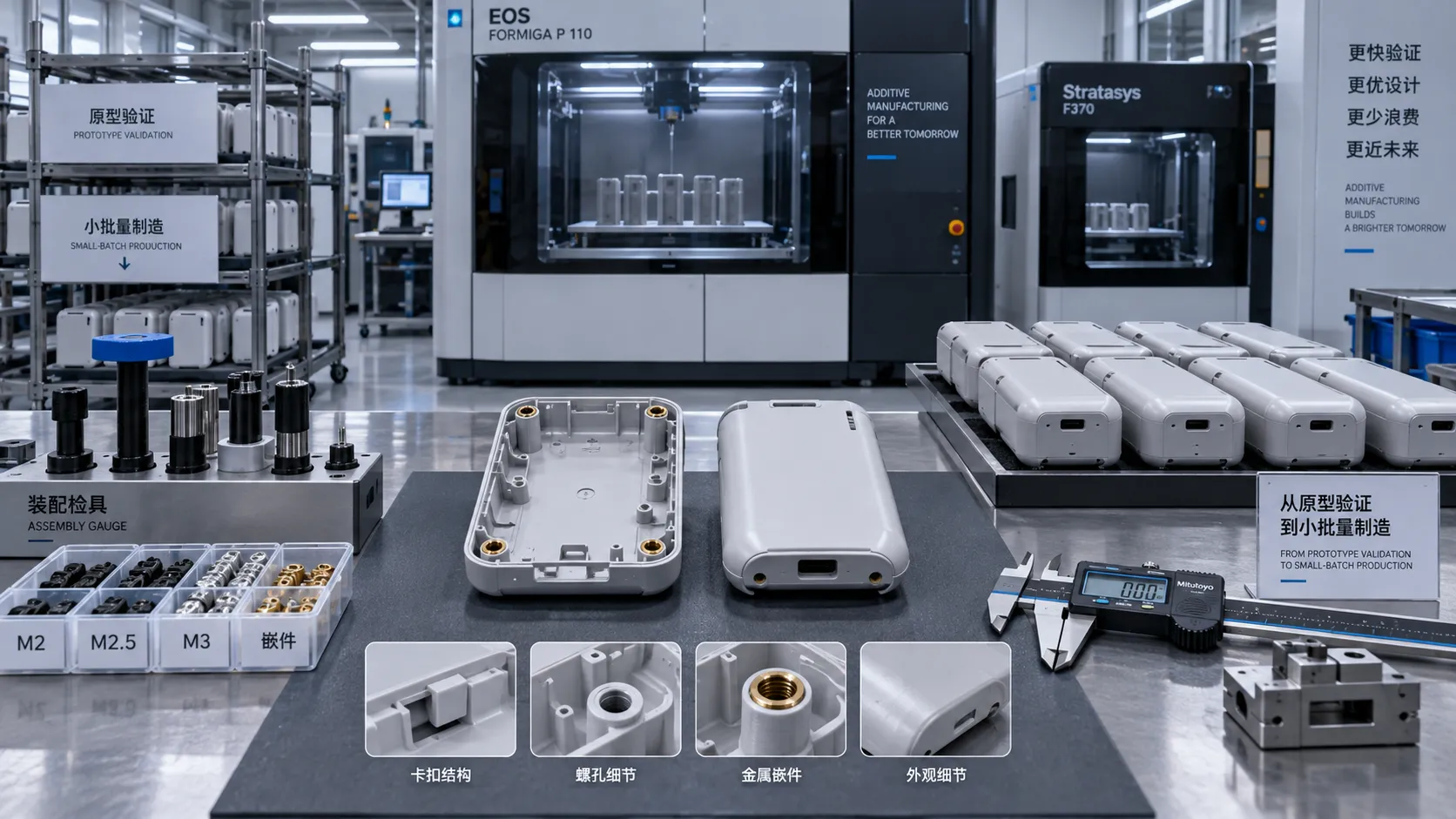
From Prototype to Small Batch: Applying 3D Printing to Consumer Goods
Explore 3d printing in consumer goods: learn how to move from prototype to small-batch production with practical guidance on materials, quality validation, and cost control.
Related News
- 00
0000-00
How to verify part consistency before choosing a 3D printing OEM - 00
0000-00
How does a rigid cryogenic transfer line handle thermal contraction? - 00
0000-00
How much does edge vision deployment cost beyond the hardware? - 00
0000-00
How does the purity of sputtering targets affect thin-film quality? - 00
0000-00
How high power laser cladding systems control substrate dilution
Dr. Hideo Tanaka
Weekly Insights
Stay ahead with our curated technology reports delivered every Monday.