
Export Control Risks in Laser Equipment Sales

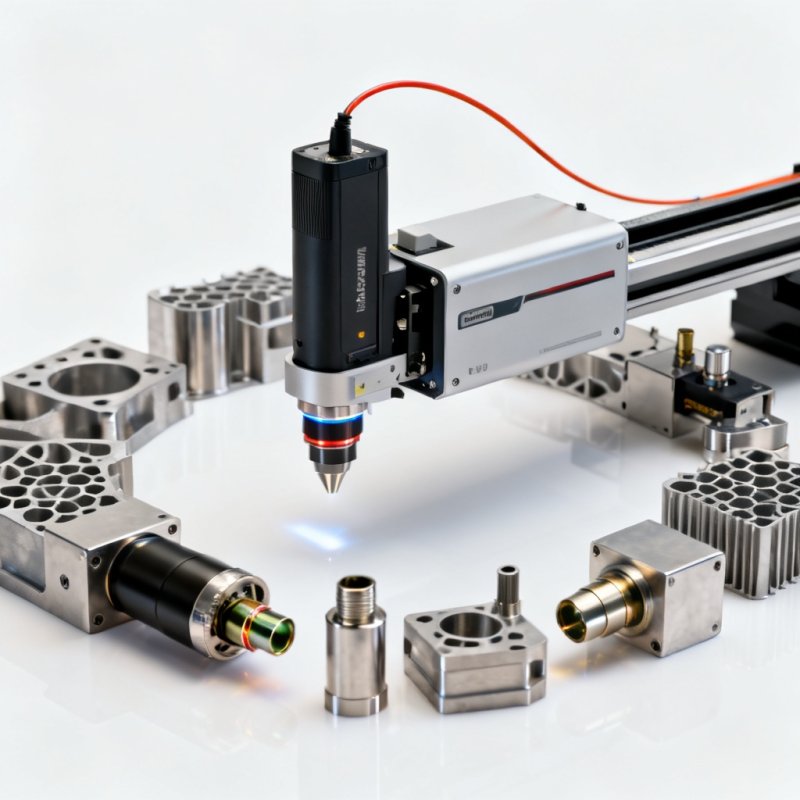
Export control has moved from a legal back-office issue to a front-line commercial risk in the sale of fiber lasers, metal 3D printers, machine vision platforms, nanomaterial-related systems, and other advanced manufacturing equipment. For buyers, distributors, project managers, and corporate decision-makers, the key question is no longer only “Can this system achieve the required performance?” but also “Can it be shipped, licensed, installed, serviced, and supported across borders without delay, penalties, or business disruption?” The practical answer is clear: export control risk must now be assessed alongside power, precision, throughput, and cost. Companies that treat compliance as part of technical due diligence make better sourcing decisions, reduce project uncertainty, and protect long-term supply continuity.
Why export control risk is now a purchasing and sales issue—not just a legal issue
In advanced industrial equipment sales, export control risk directly affects lead time, contract certainty, after-sales support, spare parts availability, software updates, and even whether a transaction can proceed at all. This is especially true for products that combine high power density, precision beam delivery, motion control, optical systems, advanced sensors, AI-enabled inspection, vacuum subsystems, or materials processing capabilities.
For many target readers, the real search intent behind “Export Control Risks in Laser Equipment Sales” is practical and decision-oriented:
- How do I know whether a laser system or related equipment is likely to face export restrictions?
- What technical specifications trigger higher compliance scrutiny?
- How can buyers and distributors avoid delays, rejected shipments, or contract losses?
- What should procurement, engineering, and management teams verify before committing to a supplier or project?
That is why export control should be treated as a commercial feasibility factor. A machine that looks ideal on paper can become a poor business choice if licensing uncertainty, destination restrictions, end-use concerns, or support limitations make deployment unreliable. For procurement teams and project leaders, the most valuable approach is not legal theory, but a structured way to identify risk early.
What kinds of laser and precision manufacturing equipment face the highest export control exposure?
Not every industrial machine carries the same level of compliance risk. In practice, risk tends to increase when equipment has capabilities that may be considered strategically sensitive, dual-use, or adaptable for defense, aerospace, semiconductor, nuclear, or advanced electronics applications.
In the industrial laser sector, higher scrutiny often applies to systems such as:
- High-power fiber lasers with advanced beam quality and precision control
- Ultra-short pulse lasers used for micro-machining, semiconductor processing, or sensitive materials work
- Laser systems integrated with high-end CNC, robotics, or automated process control
- Laser sources or subsystems with military-adjacent, aerospace, or research applications
Beyond laser processing, adjacent categories may also attract export control attention:
- Metal 3D printers: especially where they can process high-performance alloys, aerospace-grade materials, or complex geometries for critical applications
- Machine vision and optical inspection systems: particularly where high-resolution sensing, advanced imaging, AI-assisted detection, or semiconductor-grade inspection is involved
- Vacuum and cryogenic systems: where ultra-high vacuum, extreme temperature control, or research-grade capabilities may support sensitive manufacturing or scientific use
- Nanomaterial and graphene-related equipment: if the equipment supports advanced material synthesis, deposition, characterization, or defense-relevant performance
For distributors and sourcing teams, the important point is that risk is not determined by product category alone. It is usually shaped by a combination of technical thresholds, end use, end user, destination country, and the supplier’s regulatory jurisdiction.
Which technical specifications usually trigger closer review?
This is often the most commercially useful question. Buyers and technical evaluators need to know which specifications may move a product from “ordinary industrial equipment” into “enhanced compliance review required.” While exact classification depends on jurisdiction and control list interpretation, the following factors commonly increase sensitivity:
- Output power: Higher power can increase scrutiny, particularly in systems capable of precision cutting, welding, drilling, or materials modification at advanced levels
- Wavelength and beam characteristics: Specific wavelength ranges, beam quality, pulse duration, and pulse energy may be relevant for sensitive applications
- Precision and resolution: Extremely tight tolerances, micro-processing capability, or semiconductor-level performance can raise classification complexity
- Material compatibility: Ability to process titanium, nickel superalloys, refractory metals, advanced composites, or defense-relevant materials may matter
- System integration: When a laser is integrated with automation, vision, AI, advanced software, or closed-loop control, the total system may need broader review
- Software and firmware functions: Export risk is not limited to hardware; control software, encrypted communication, remote diagnostics, and performance-enhancing algorithms may also matter
- Vacuum, thermal, and environmental performance: In additive manufacturing and scientific equipment, environmental capability can be relevant to classification
For quality managers and safety/compliance teams, this means technical datasheets should not be reviewed only for process suitability. They should also be reviewed for export control sensitivity. A specification that creates competitive value can also create licensing complexity.
What are the real business risks if export control is overlooked?
Companies often underestimate the operational consequences of weak export control due diligence. The risk is not limited to customs delay. In real projects, the impact can spread across commercial, technical, contractual, and reputational dimensions.
- Shipment delays: Licensing review can add weeks or months to delivery schedules
- Contract uncertainty: Deals may be suspended if end-user documentation or destination screening raises concerns
- Installation disruption: A system may be delivered without certain modules, software features, or calibration tools
- Service limitations: Remote support, firmware upgrades, replacement parts, and field service visits can be restricted across borders
- Financial loss: Payment milestones, project acceptance, and production launch can all be delayed
- Compliance penalties: Misclassification, incomplete declarations, or restricted-party exposure can trigger serious legal and financial consequences
- Reputational damage: For distributors and Tier-1 suppliers, compliance failures can weaken trust with customers, regulators, and strategic partners
For enterprise decision-makers, the key takeaway is simple: export control risk changes total cost of ownership. A lower-priced machine may become the more expensive option if it creates approval uncertainty, support gaps, or project delays.
How should buyers and procurement teams assess export control risk before signing?
The most effective method is to build export control review into supplier qualification and technical evaluation, not treat it as a final shipping step. A practical pre-purchase checklist should include the following questions:
- What is the product’s formal export classification?
Ask the supplier for the applicable classification under its governing export regime and request written confirmation. - Which jurisdiction controls the product?
A machine made in one country may include components, software, or technology subject to another country’s controls. - Is an export license required for our destination and use case?
This should be clarified before contract commitment, not after production is complete. - Are there end-use or end-user restrictions?
Research institutes, aerospace facilities, semiconductor fabs, and government-linked entities may trigger additional review. - Are spare parts, software updates, and service covered?
Even if the main unit can be exported, after-sales support may face separate restrictions. - Can the supplier provide compliance documents quickly?
A capable supplier should have classification records, screening procedures, and documentation workflows in place. - Is there a fallback configuration?
In some cases, a modified specification may reduce licensing complexity while still meeting production needs.
This approach is especially valuable for project managers and engineering leads who need schedule confidence. If export compliance is unclear, the project timeline is not truly under control.
How can distributors, resellers, and agents reduce risk in cross-border laser equipment sales?
Distributors and channel partners face a distinct challenge: they are commercially close to the customer but may not fully control classification data or compliance decisions. That makes disciplined process design essential.
Best practices include:
- Screen counterparties and destinations before quotation, not after order confirmation
- Request formal product classification and licensing guidance from manufacturers in writing
- Avoid making unsupported statements such as “no license required” unless verified
- Document end use, installation site, and beneficial ownership for higher-risk transactions
- Clarify whether demo units, replacement modules, software keys, and service tools are separately controlled
- Train sales teams to recognize red flags such as unusual routing requests, vague end-use descriptions, or mismatched customer profiles
For channel businesses, export control maturity can become a competitive advantage. Customers prefer partners who can explain regulatory constraints clearly, reduce uncertainty, and keep projects moving.
What does a low-risk versus high-risk transaction look like?
A useful way to make export control practical is to compare transaction patterns.
Lower-risk scenario:
A standard industrial laser marking or cutting system is sold to a well-known commercial manufacturer in a low-risk jurisdiction, with clear documentation, transparent end use, and stable supplier support. The machine uses common industrial specifications and does not involve unusual software, materials, or research applications.
Higher-risk scenario:
A high-performance laser or metal additive manufacturing system with advanced materials capability is sold through an intermediary to a research-linked or sensitive-sector end user in a jurisdiction subject to stricter controls. The order includes high-end software, remote calibration, and specialty components, while end-use details remain incomplete.
The lesson is not that advanced transactions should be avoided. It is that higher-value, higher-performance systems require earlier and deeper diligence. That is especially true in additive manufacturing, machine vision, and nanomaterial-related equipment decisions, where technical sophistication often overlaps with regulatory sensitivity.
How industrial standards and technical benchmarking help manage compliance uncertainty
Standards do not replace export law, but they can improve decision quality. Buyers evaluating systems against ISO, ASTM, IEEE, SEMI, and other recognized frameworks are usually better positioned to understand what a machine is designed to do, how it performs, and where compliance-sensitive capabilities may appear.
Technical benchmarking helps in three ways:
- It clarifies capability boundaries: making it easier to compare whether a system exceeds ordinary industrial needs
- It improves supplier accountability: because documented specifications are easier to align with formal classification discussions
- It supports procurement governance: by connecting technical review, compliance review, and business approval into one decision process
For organizations managing strategic sourcing, this is where technical intelligence becomes commercially valuable. The right question is not only “What can this machine do?” but also “What obligations, restrictions, and support conditions come with that capability?”
What should decision-makers do next?
If your business buys, sells, integrates, or distributes advanced laser equipment and related precision manufacturing systems, export control should be built into your early-stage evaluation workflow. The most effective next steps are practical:
- Review current product lines and active projects for export-sensitive specifications
- Create a standard compliance questionnaire for suppliers and channel partners
- Require written classification and licensing guidance before major commitments
- Align procurement, engineering, legal, and sales teams around a shared risk review process
- Monitor global export control updates in sectors such as lasers, additive manufacturing, machine vision, vacuum systems, and advanced materials
In today’s market, export control is not peripheral to industrial technology sales. It is part of product viability, project timing, and commercial resilience. Organizations that recognize this early can source more intelligently, negotiate more realistically, and protect both growth and compliance.
In summary, the core risk in laser equipment sales is not simply whether a machine is powerful or advanced, but whether its technical profile, destination, end use, and support model create cross-border uncertainty. For buyers, distributors, project leaders, and executives, the best response is structured due diligence: verify classification, understand licensing conditions, examine technical specifications in context, and assess lifecycle support before signing. When export control is treated as part of technical and commercial decision-making, companies make safer and more strategic investments.
- industrial equipment
- manufacturing
- precision manufacturing
- sensors
- cement
- distributors
- electronics
- semiconductor
- energy
- Additive Manufacturing
- Machine Vision
- Optical Inspection
- Fiber Lasers
- Metal 3D Printers
- Technical Specifications
- Export Control
- Industrial Standards
- Tier-1 Suppliers
- Technical Benchmarking
- industrial equipment
- manufacturing
- precision manufacturing
- sensors
- cement
- distributors
- electronics
- semiconductor
- energy
- Additive Manufacturing
- Machine Vision
- Optical Inspection
- Fiber Lasers
- Metal 3D Printers
- Technical Specifications
- Export Control
- Industrial Standards
- Tier-1 Suppliers
- Technical Benchmarking
Related News
How to verify part consistency before choosing a 3D printing OEM
Choosing a 3D printing OEM? Learn how to verify part consistency with repeat-build trials, validated inspections, and traceability checks before committing to production.
How does a rigid cryogenic transfer line handle thermal contraction?
Learn how a rigid cryogenic transfer line manages thermal contraction with bends, bellows, and guided supports. Discover key design checks for safe, reliable cryogenic performance.

How much does edge vision deployment cost beyond the hardware?
Understand edge vision deployment cost beyond hardware, from data and integration to security and support. Uncover hidden expenses and build a smarter lifecycle budget before you scale.
How does the purity of sputtering targets affect thin-film quality?
Discover how sputtering targets affect thin-film quality. Learn to assess purity, identify harmful impurities, and choose specifications that improve coating performance.
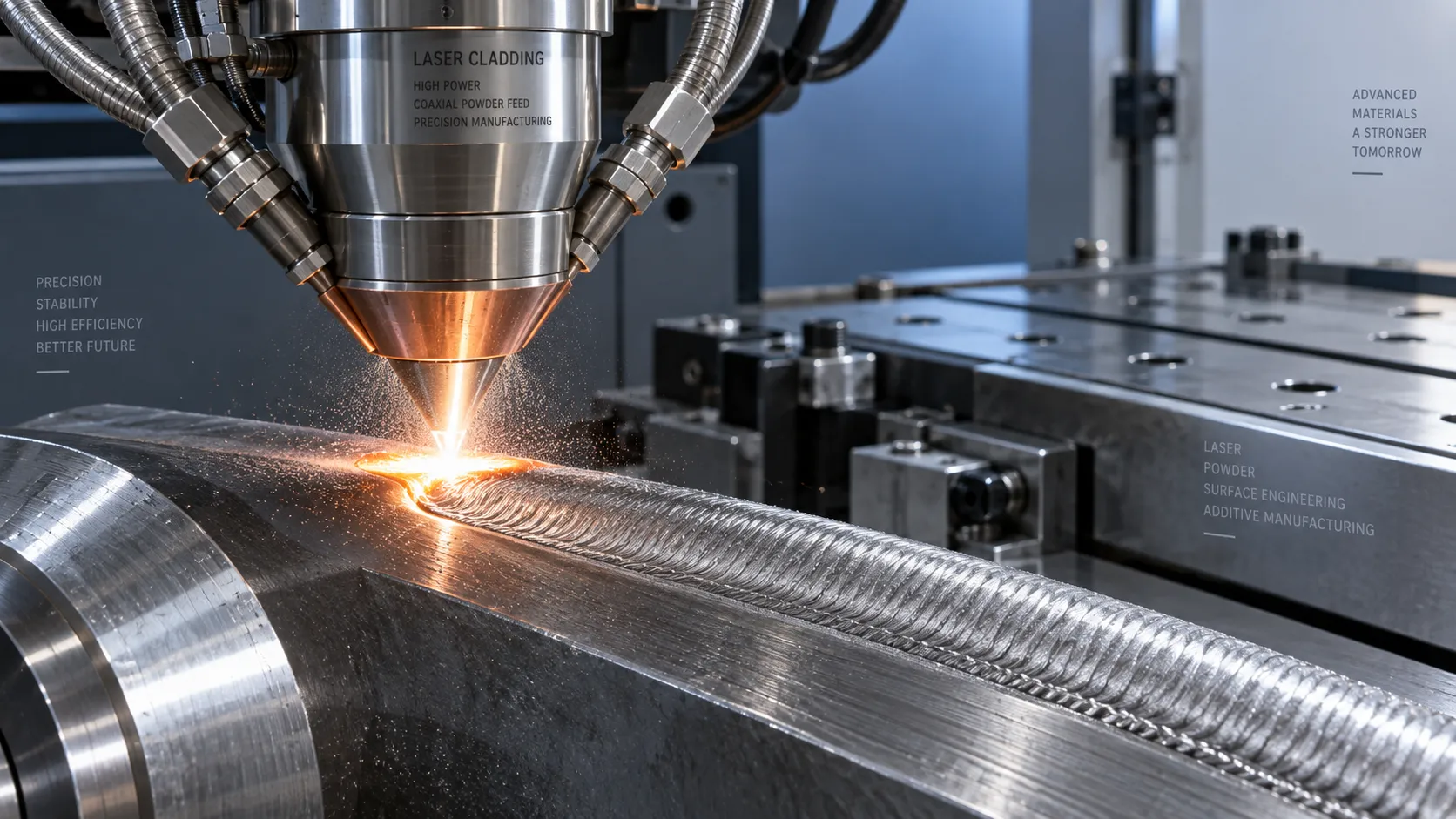
How high power laser cladding systems control substrate dilution
Discover how high power laser cladding systems control substrate dilution through beam shaping, material feed, and thermal management to deliver reliable bonds and coating performance.
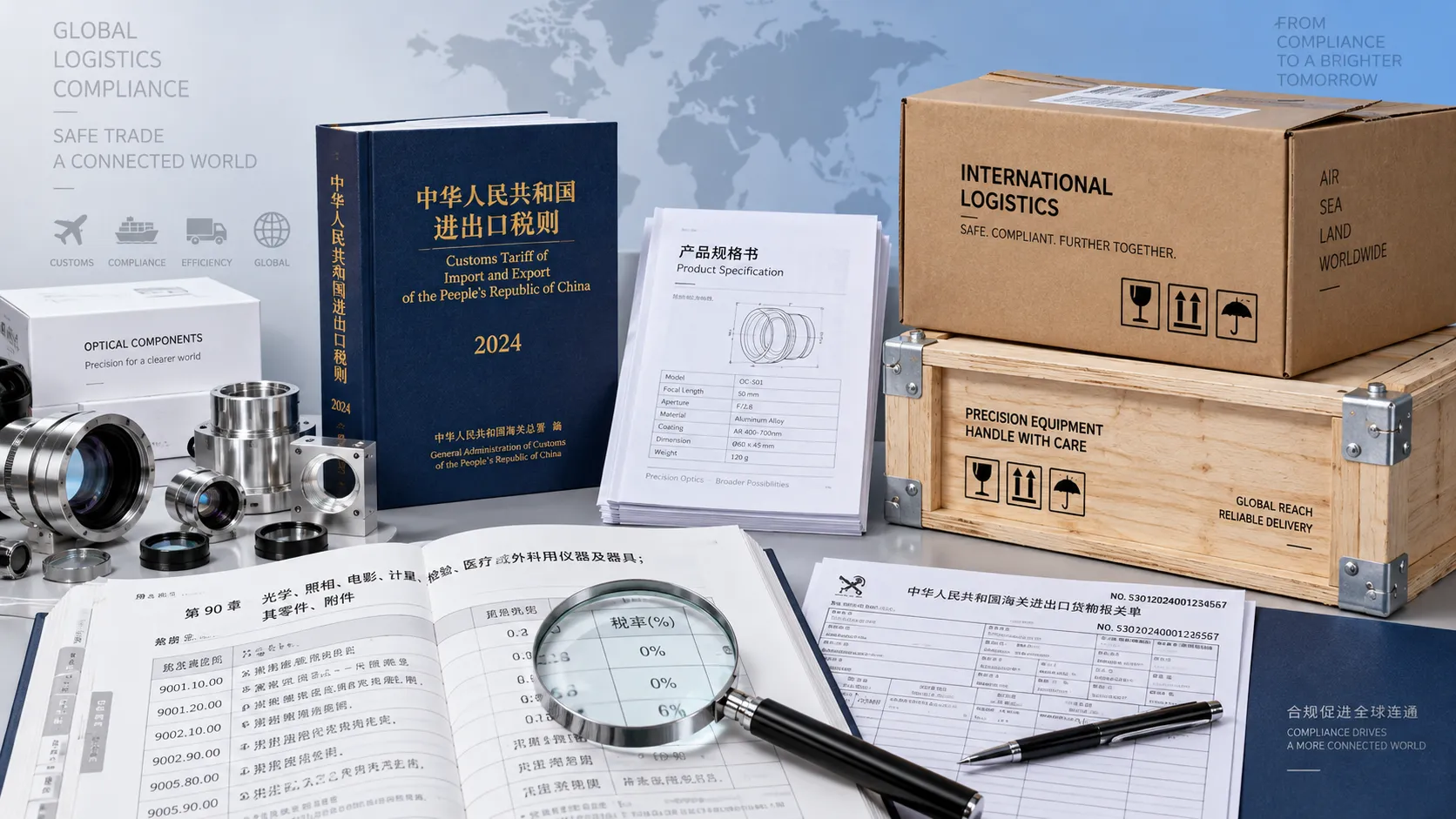
How to check HS codes for customs compliance in international logistics
Strengthen international logistics customs compliance: learn how to verify HS codes, check official tariffs, and document classifications to reduce costly shipment delays.
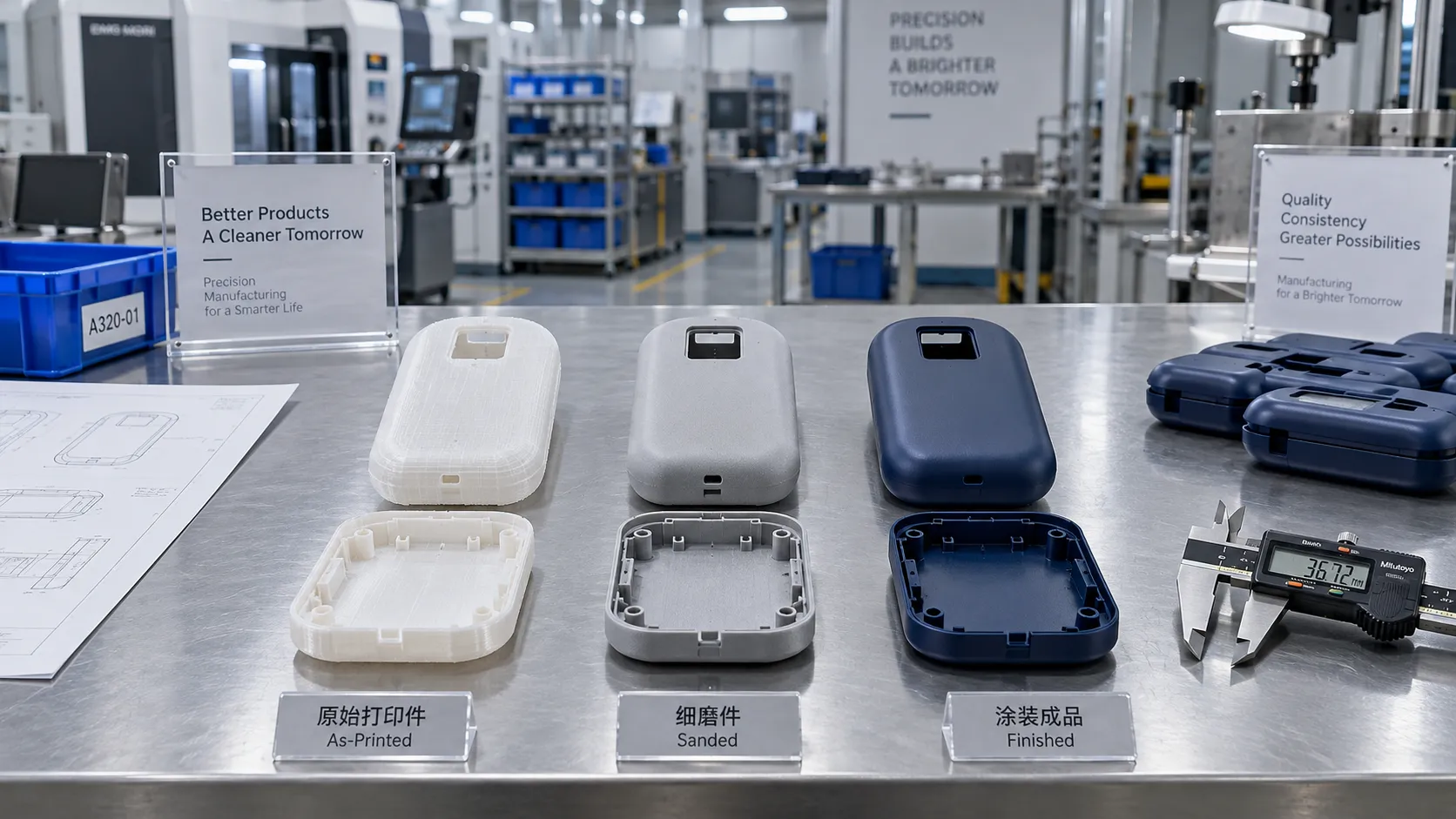
Choosing a 3D Printing Service for Consumer Products: Finish, Fit, and Cost
Compare 3d printing consumer good services by finish, fit, materials, and total cost. Learn how to choose a reliable supplier and avoid costly defects before ordering.

Which Consumer Goods Can Be 3D Printed, and What Are the Practical Limits?
Explore 3d printing consumer goods, from custom eyewear to replacement parts. Discover practical limits on materials, safety, and costs to make smarter production decisions.

From Prototype to Small Batch: Applying 3D Printing to Consumer Goods
Explore 3d printing in consumer goods: learn how to move from prototype to small-batch production with practical guidance on materials, quality validation, and cost control.
Related News
- 00
0000-00
How to verify part consistency before choosing a 3D printing OEM - 00
0000-00
How does a rigid cryogenic transfer line handle thermal contraction? - 00
0000-00
How much does edge vision deployment cost beyond the hardware? - 00
0000-00
How does the purity of sputtering targets affect thin-film quality? - 00
0000-00
How high power laser cladding systems control substrate dilution
Dr. Hideo Tanaka
Weekly Insights
Stay ahead with our curated technology reports delivered every Monday.