
Technical Specifications That Actually Matter Before Buying

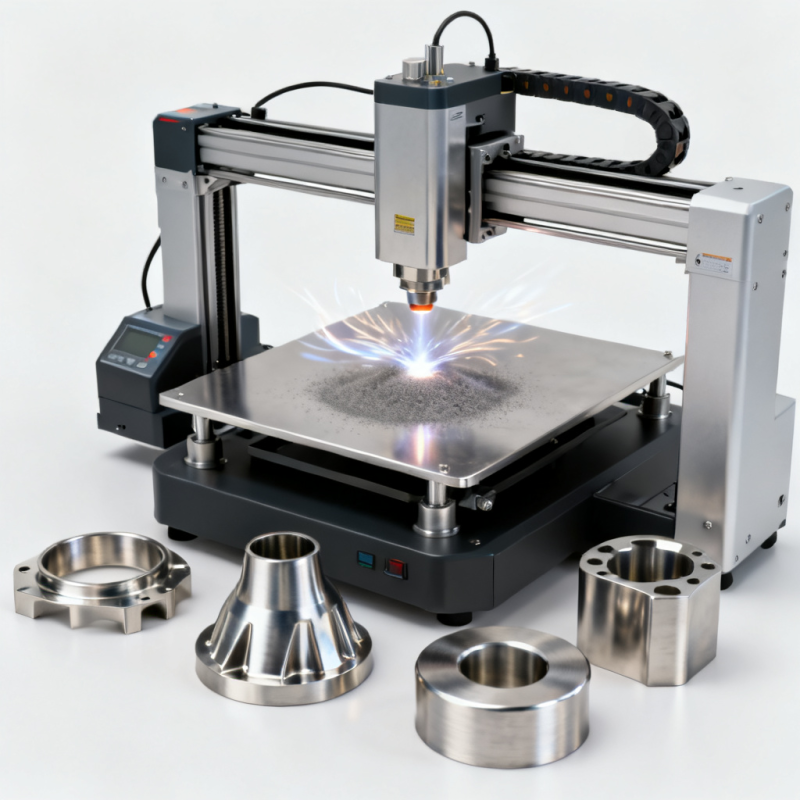
Before comparing 3D printing systems, metal 3D printers, fiber lasers, machine vision platforms, or nanomaterials, the most important question is not “Which product has the longest specification sheet?” but “Which technical specifications will materially affect production quality, compliance, uptime, and total cost?” In industrial procurement, many published specs are marketing-facing. The ones that actually matter are the specifications that predict process stability, repeatability, safety, integration difficulty, and lifecycle risk.
For buyers, engineers, quality managers, and decision-makers, the right evaluation method is simple: connect each specification to an operational outcome. If a parameter cannot help you estimate dimensional accuracy, throughput, defect rate, maintenance burden, regulatory fit, or export-control risk, it should not dominate the purchase decision. This article explains how to identify the technical specifications that truly matter before buying across advanced industrial equipment and materials.
What buyers should evaluate first before comparing any technical specification
The core search intent behind this topic is practical decision support. Readers are usually not looking for a generic list of specs. They want to know which specifications are worth checking first, which ones are often misleading, and how to avoid buying a technically impressive but commercially unsuitable system.
Across industries, the most important specifications usually fall into five decision groups:
- Performance specifications: precision, repeatability, throughput, resolution, power stability, material performance, defect detection capability
- Process reliability specifications: duty cycle, thermal stability, environmental tolerance, calibration frequency, mean time between failures, maintenance intervals
- Integration specifications: software compatibility, automation interfaces, data protocols, line integration requirements, footprint, utilities, operator skill requirements
- Compliance and safety specifications: ISO/ASTM/SEMI/IEEE alignment, CE or regional conformity, traceability, safety interlocks, contamination control, documentation quality
- Commercial risk specifications: consumables dependency, spare parts availability, qualification support, service response, upgrade path, export control constraints
For procurement teams and enterprise decision-makers, this framework is more useful than comparing headline numbers alone. A system with slightly lower peak performance can deliver better long-term value if it offers stronger process consistency, easier qualification, and lower downtime risk.
Which technical specifications actually affect precision manufacturing outcomes
In advanced manufacturing, not all technical specifications have equal impact. The most valuable ones are those directly tied to measurable production outcomes.
Repeatability is often more important than peak capability. A machine may advertise extreme speed, ultra-fine resolution, or very high power, but if output varies between shifts, operators, or batches, production quality suffers. Buyers should prioritize repeatability metrics, process control stability, and validated tolerance performance under real operating conditions.
Accuracy must be defined in context. For 3D printing systems and metal 3D printers, claimed accuracy should be checked against build size, layer thickness, material type, thermal distortion behavior, and post-processing requirements. For machine vision platforms, accuracy depends not only on camera resolution but also optics, lighting, algorithm robustness, calibration procedures, and target surface conditions.
Throughput should be tied to usable output, not theoretical maximums. For fiber lasers, nominal power matters less if beam quality, thermal management, and long-duration output stability are weak. For inspection platforms, images per second or scan speed only matter if defect detection remains reliable at line speed. For nanomaterials, purity and particle consistency matter more than a single “high-performance” claim without batch validation.
Environmental operating range can determine actual usability. Temperature, humidity, vibration sensitivity, contamination tolerance, and utility requirements are often overlooked during buying decisions. These specifications become critical when equipment is deployed in production environments rather than controlled demo rooms.
A useful rule is this: if a specification cannot be linked to scrap reduction, qualification speed, process capability, or uptime, it should be treated as secondary.
How to judge 3D printing systems, metal 3D printers, and additive manufacturing specs correctly
In additive manufacturing, buyers frequently overemphasize build volume, laser count, or print speed. These are important, but they do not by themselves predict production success.
The technical specifications that usually matter most in additive manufacturing include:
- Dimensional repeatability across the full build area
- Thermal control and melt pool stability
- Layer consistency and recoating reliability
- Material qualification range and parameter transparency
- Porosity, density, and microstructure consistency
- In-situ monitoring capability and traceability
- Post-processing burden required to meet final tolerances
For metal 3D printers in particular, decision-makers should ask whether the machine can repeatedly produce acceptable parts under their actual material and geometry conditions, not just benchmark coupons. A printer that performs well on standard demo parts may behave very differently on support-heavy, heat-sensitive, or tightly toleranced industrial components.
Industrial standards also matter here. Alignment with ISO/ASTM additive manufacturing standards helps quality teams validate process documentation, qualification workflows, and consistency claims. For buyers serving aerospace, medical, automotive, or energy sectors, standards alignment reduces approval risk and shortens customer qualification cycles.
If comparing several additive manufacturing platforms, ask suppliers for evidence tied to production reality: statistical process control data, defect rates, accepted material lists, maintenance logs, and examples of validated industrial use cases.
What matters most when buying fiber lasers and laser processing equipment
For fiber lasers and industrial laser processing systems, peak wattage is often the most visible specification, but it is rarely enough for a sound purchasing decision.
The specifications that actually matter usually include:
- Beam quality for cut quality, spot size control, and process precision
- Power stability over time rather than short-term peak output
- Wavelength suitability for the target material set
- Pulse characteristics such as pulse duration, peak power, and frequency control
- Thermal management performance for long-cycle operation
- Optical path reliability and maintenance requirements
- Integration compatibility with scanners, robotics, vision, and factory control systems
For operators and project managers, another critical issue is application fit. The right laser for fine micromachining is not necessarily the right one for high-speed cutting, welding, or surface treatment. Buyers should translate technical specifications into process outcomes such as edge quality, heat-affected zone control, cycle time, and consumable usage.
Safety and compliance should also not be treated as afterthoughts. Enclosure integrity, interlocks, cooling reliability, fume extraction compatibility, and applicable regional safety requirements all influence deployment speed and operating risk.
How to evaluate machine vision and optical inspection platforms beyond camera resolution
Many buyers begin with megapixels, sensor size, or frame rate. These matter, but machine vision performance depends on the entire inspection chain.
The technical specifications that deserve more attention include:
- Optical resolution at the working distance actually required
- Lighting stability and adaptability for surface variation
- Detection accuracy by defect type, not just general accuracy claims
- False positive and false negative rates
- Calibration stability and recalibration frequency
- Algorithm robustness across product variation
- Data export, MES/PLC integration, and traceability support
For quality control and safety teams, one of the most important questions is whether the system can maintain inspection reliability over time, across shifts, and under changing production conditions. A platform that performs well in a controlled demonstration may degrade significantly when exposed to reflective surfaces, variable part orientation, or production dust.
For enterprise buyers, the business value comes from measurable improvements: lower escape rates, fewer unnecessary rejects, faster root-cause analysis, and better traceability. Therefore, evaluation should include not only optical specifications but also software governance, model retraining process, operator usability, and audit readiness.
What technical specifications matter when sourcing graphene, nanomaterials, and advanced materials
When buying graphene and nanomaterials, the biggest risk is relying on simplified marketing labels such as “high purity,” “few-layer,” or “advanced conductivity” without verifying what these claims mean in application terms.
The most important technical specifications often include:
- Purity and contamination profile
- Particle size or flake size distribution
- Layer count distribution
- Surface area and morphology consistency
- Dispersion behavior in the target matrix or process
- Electrical, thermal, or mechanical property consistency by batch
- Storage stability, handling requirements, and EHS documentation
For purchasing and R&D teams, a material specification only matters if it predicts behavior in the intended formulation, coating, composite, energy, or electronics application. A strong datasheet is not enough. Buyers should request batch-to-batch data, test methods, certificate support, and evidence that the material has been characterized using recognized methods.
This is also where standards and regulatory awareness become commercially important. Material import restrictions, environmental reporting obligations, and downstream customer compliance requirements can all affect whether a material is truly viable.
Why industrial standards, compliance, and export control can outweigh raw performance
Many advanced industrial purchases fail not because the equipment lacks capability, but because compliance, documentation, or cross-border delivery risks were underestimated.
Industrial standards help buyers compare systems on a common technical basis. References to ISO, ASTM, IEEE, or SEMI standards can improve confidence, but only if suppliers can show actual test methodology, certification scope, and documentation discipline. Unsupported mentions of standards should not be accepted at face value.
Compliance readiness matters because qualification delays are expensive. In regulated or quality-sensitive industries, documentation quality, traceability, process validation support, and safety design can influence procurement decisions as much as core performance.
Export control risk is increasingly important in high-performance lasers, imaging systems, vacuum equipment, and advanced materials. Buyers should verify whether the product, subcomponents, software, or technical data are subject to export licensing or end-use restrictions. If not assessed early, export control issues can disrupt project timelines, spare parts supply, and international service support.
For business evaluators and distributors, this means the best purchase is not always the system with the strongest nominal specifications. It is the one that can be legally delivered, integrated, qualified, supported, and scaled with minimal disruption.
A practical checklist for comparing technical specifications before buying
To make a better purchasing decision, buyers can use a simple filtering checklist:
- Define the production outcome first. Are you optimizing for precision, throughput, defect detection, compliance, or operating cost?
- Separate headline specs from decision specs. Identify which parameters directly affect your target outcome.
- Ask for evidence under real-use conditions. Request test data, application cases, and long-duration performance records.
- Check repeatability, not just maximum capability. Focus on consistency across time, operators, materials, and environments.
- Review standards and documentation quality. Confirm alignment with relevant industrial standards and audit expectations.
- Assess integration burden. Include software, utilities, training, maintenance, and line compatibility.
- Evaluate lifecycle cost. Consider consumables, calibration, downtime, spare parts, and service responsiveness.
- Screen for export control and supply risk. Especially for global projects and sensitive technologies.
This approach helps all target readers—from operators to executives—make more defensible choices. It also creates a stronger internal business case because the purchase can be justified in terms of measurable risk reduction and operational value.
Conclusion: the best technical specifications are the ones that predict real-world success
Before buying advanced industrial equipment or materials, the most important task is to identify which technical specifications truly affect production, quality, compliance, and long-term cost. Whether you are reviewing additive manufacturing systems, metal 3D printers, fiber lasers, machine vision platforms, or nanomaterials, the winning decision usually comes from evaluating repeatability, integration, standards alignment, serviceability, and commercial risk—not just headline performance numbers.
In other words, the technical specifications that actually matter are the ones that help you predict what will happen after installation: how reliably the system will perform, how quickly it can be qualified, how safely it can be operated, and how economically it can support business goals over time. Buyers who evaluate specifications this way make smarter, lower-risk, and more future-ready purchasing decisions.
- industrial equipment
- energy sector
- manufacturing
- precision manufacturing
- distributors
- electronics
- energy
- Industrial Laser Processing
- 3D Printing
- Additive Manufacturing
- Machine Vision
- Optical Inspection
- Nanomaterials
- Fiber Lasers
- Metal 3D Printers
- Technical Specifications
- Export Control
- Industrial Standards
- industrial equipment
- energy sector
- manufacturing
- precision manufacturing
- distributors
- electronics
- energy
- Industrial Laser Processing
- 3D Printing
- Additive Manufacturing
- Machine Vision
- Optical Inspection
- Nanomaterials
- Fiber Lasers
- Metal 3D Printers
- Technical Specifications
- Export Control
- Industrial Standards
Related News
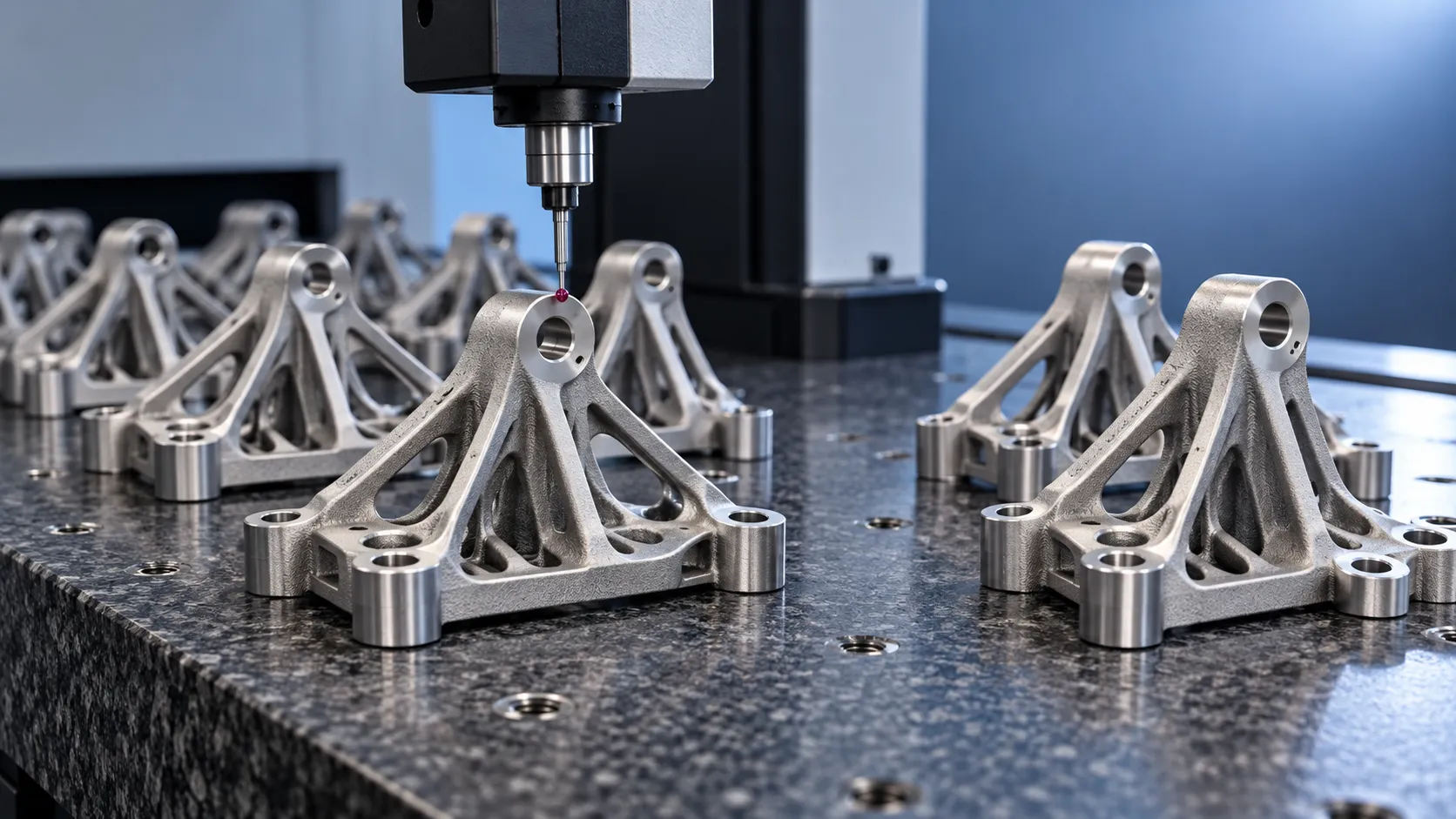
How to verify part consistency before choosing a 3D printing OEM
Choosing a 3D printing OEM? Learn how to verify part consistency with repeat-build trials, validated inspections, and traceability checks before committing to production.
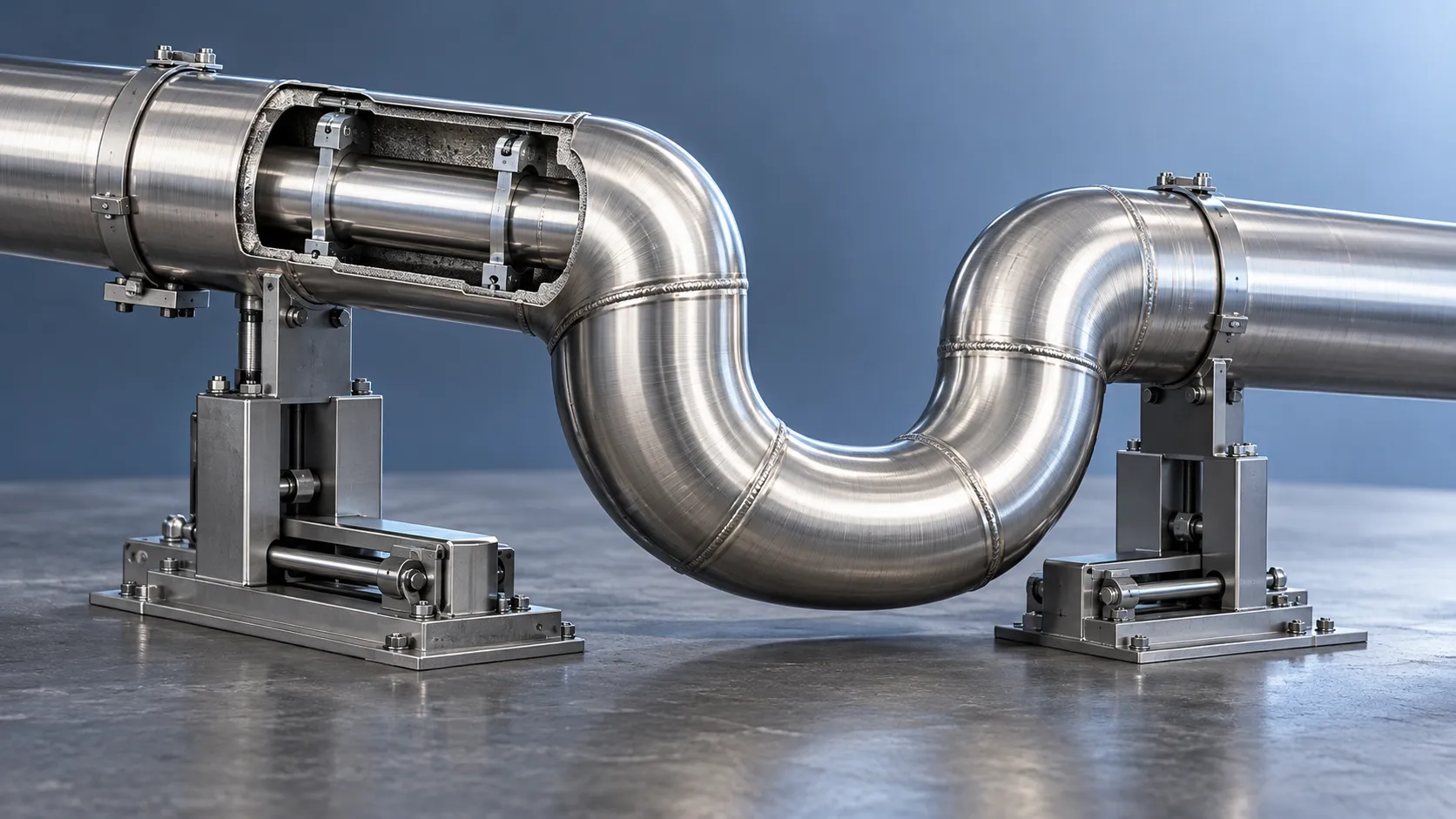
How does a rigid cryogenic transfer line handle thermal contraction?
Learn how a rigid cryogenic transfer line manages thermal contraction with bends, bellows, and guided supports. Discover key design checks for safe, reliable cryogenic performance.

How much does edge vision deployment cost beyond the hardware?
Understand edge vision deployment cost beyond hardware, from data and integration to security and support. Uncover hidden expenses and build a smarter lifecycle budget before you scale.
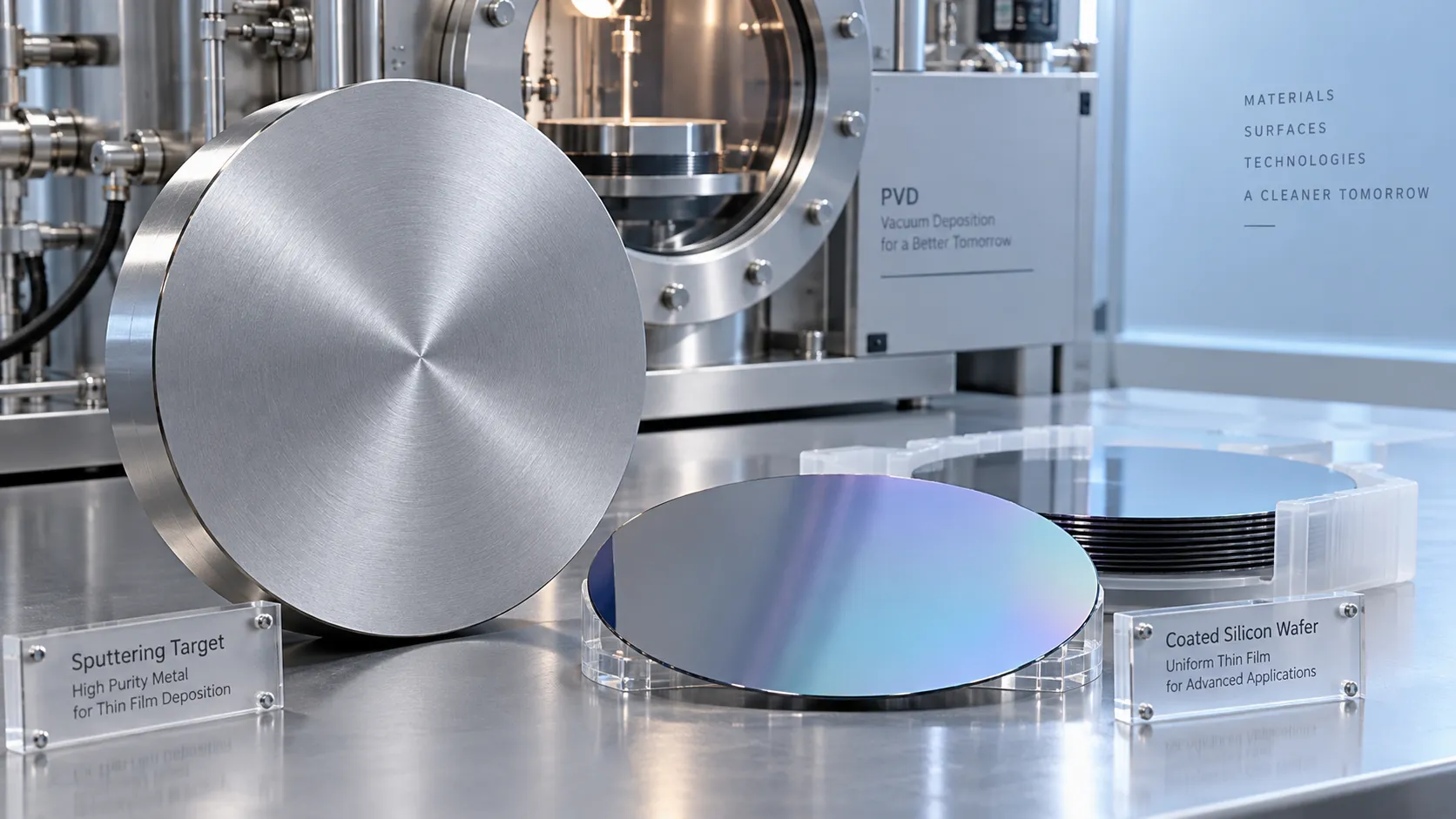
How does the purity of sputtering targets affect thin-film quality?
Discover how sputtering targets affect thin-film quality. Learn to assess purity, identify harmful impurities, and choose specifications that improve coating performance.
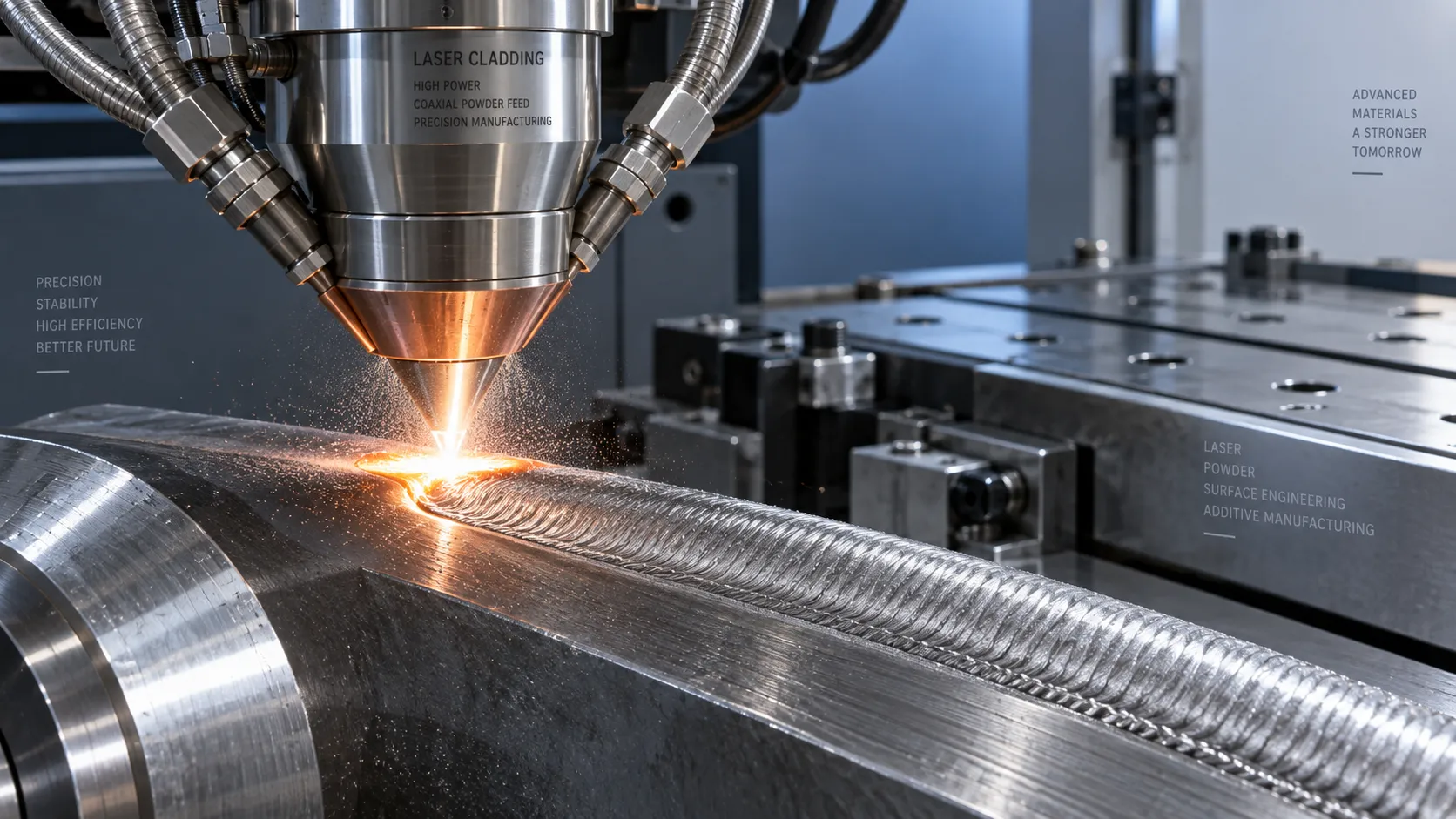
How high power laser cladding systems control substrate dilution
Discover how high power laser cladding systems control substrate dilution through beam shaping, material feed, and thermal management to deliver reliable bonds and coating performance.
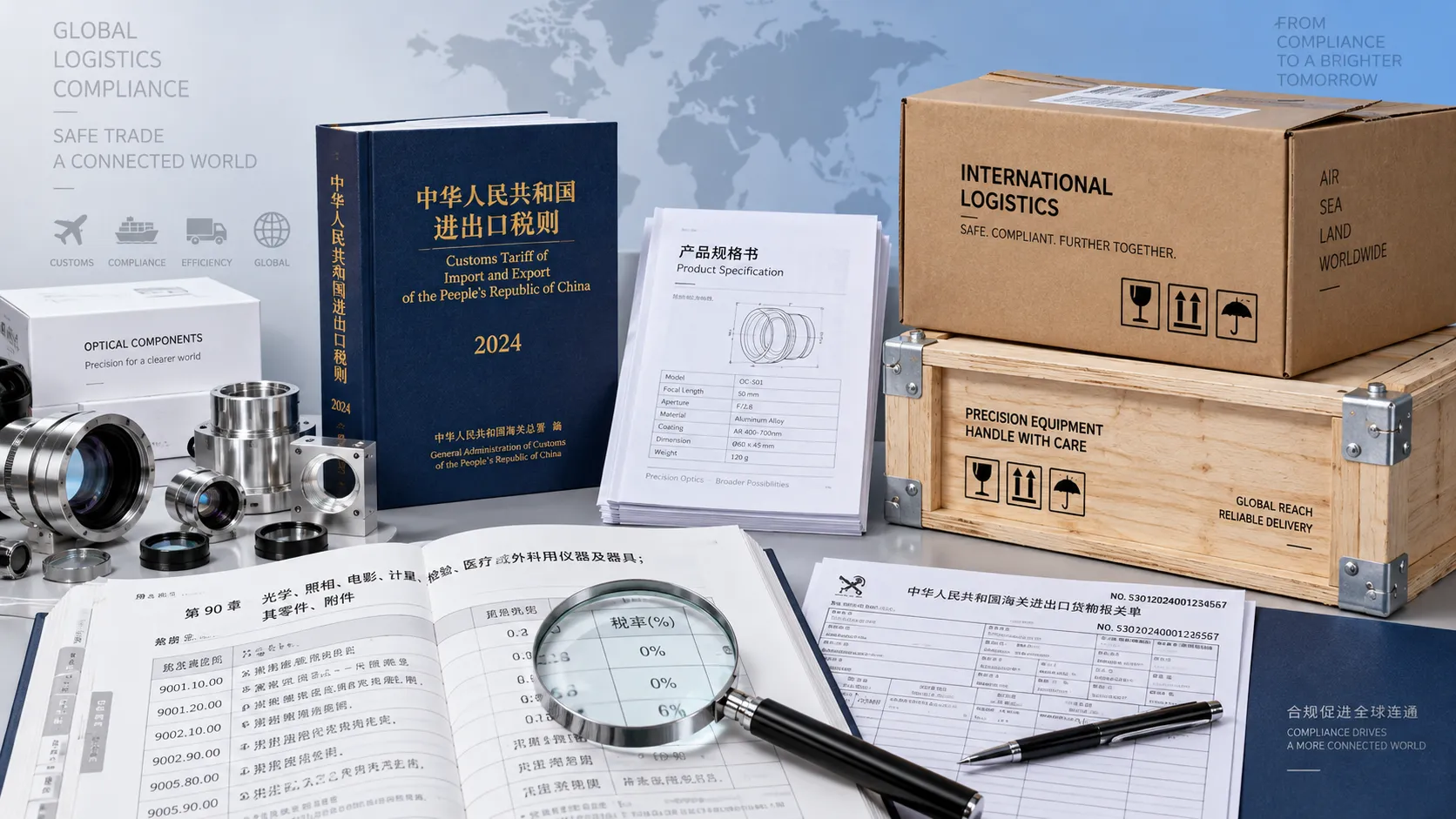
How to check HS codes for customs compliance in international logistics
Strengthen international logistics customs compliance: learn how to verify HS codes, check official tariffs, and document classifications to reduce costly shipment delays.
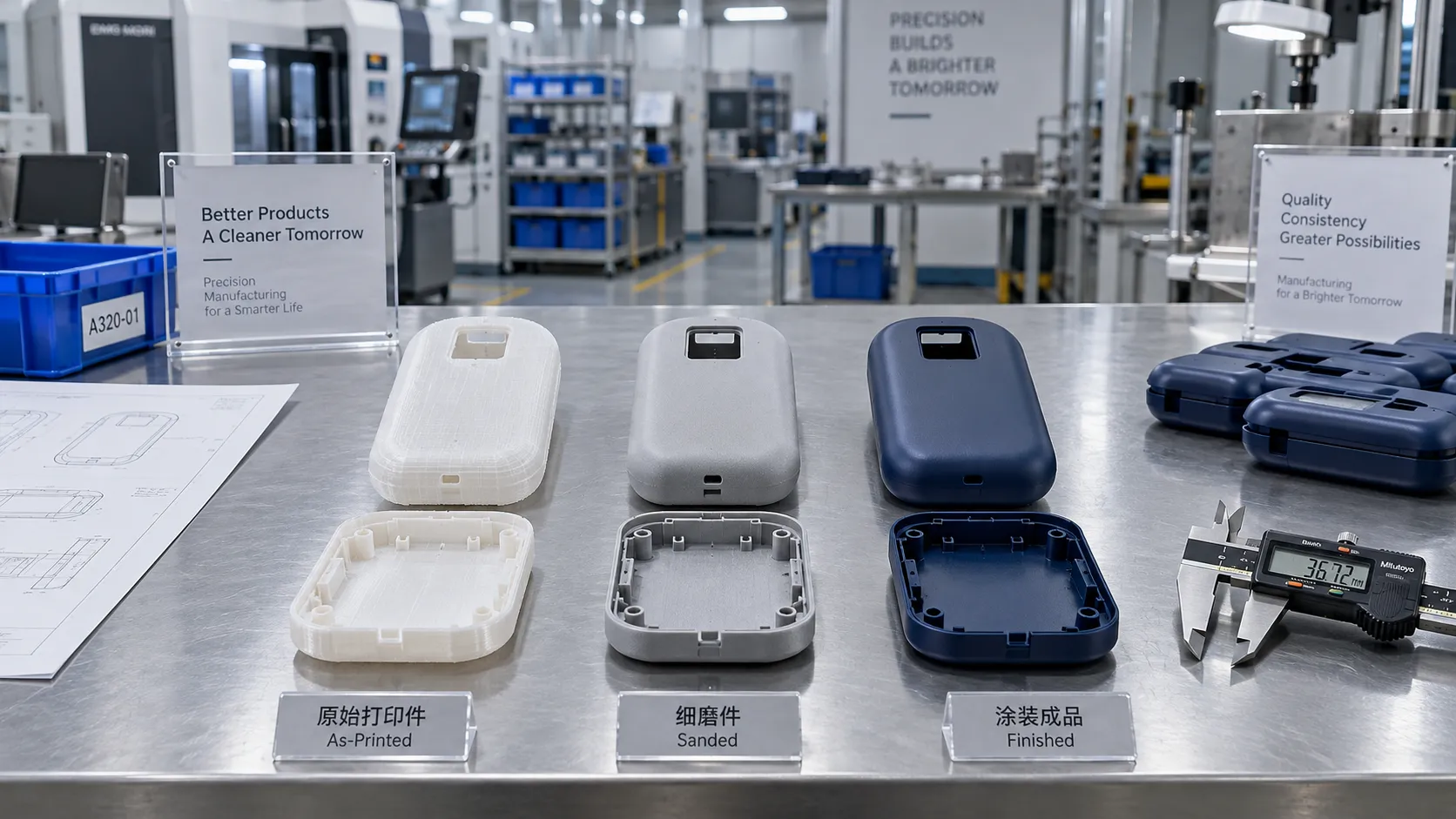
Choosing a 3D Printing Service for Consumer Products: Finish, Fit, and Cost
Compare 3d printing consumer good services by finish, fit, materials, and total cost. Learn how to choose a reliable supplier and avoid costly defects before ordering.
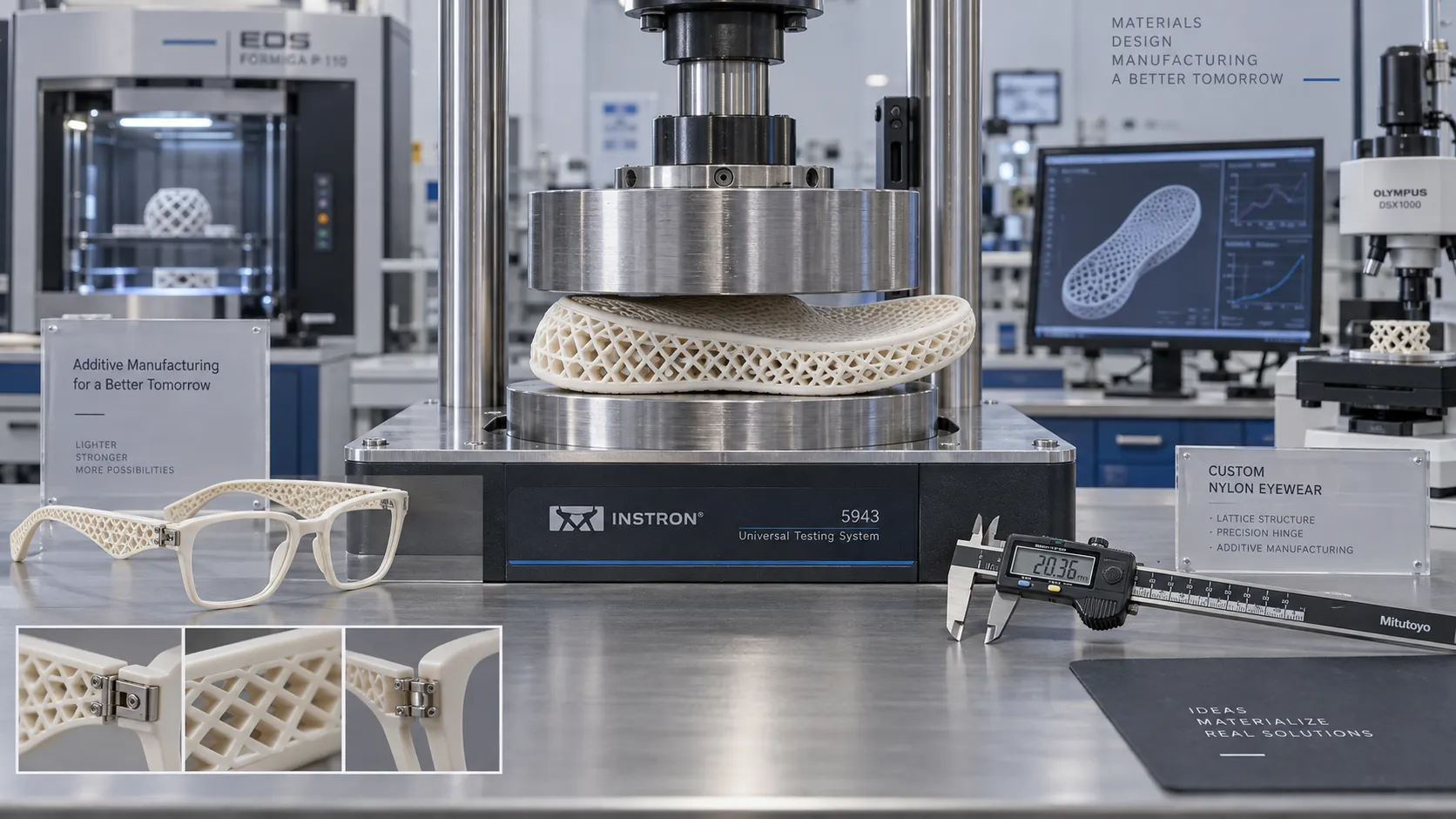
Which Consumer Goods Can Be 3D Printed, and What Are the Practical Limits?
Explore 3d printing consumer goods, from custom eyewear to replacement parts. Discover practical limits on materials, safety, and costs to make smarter production decisions.
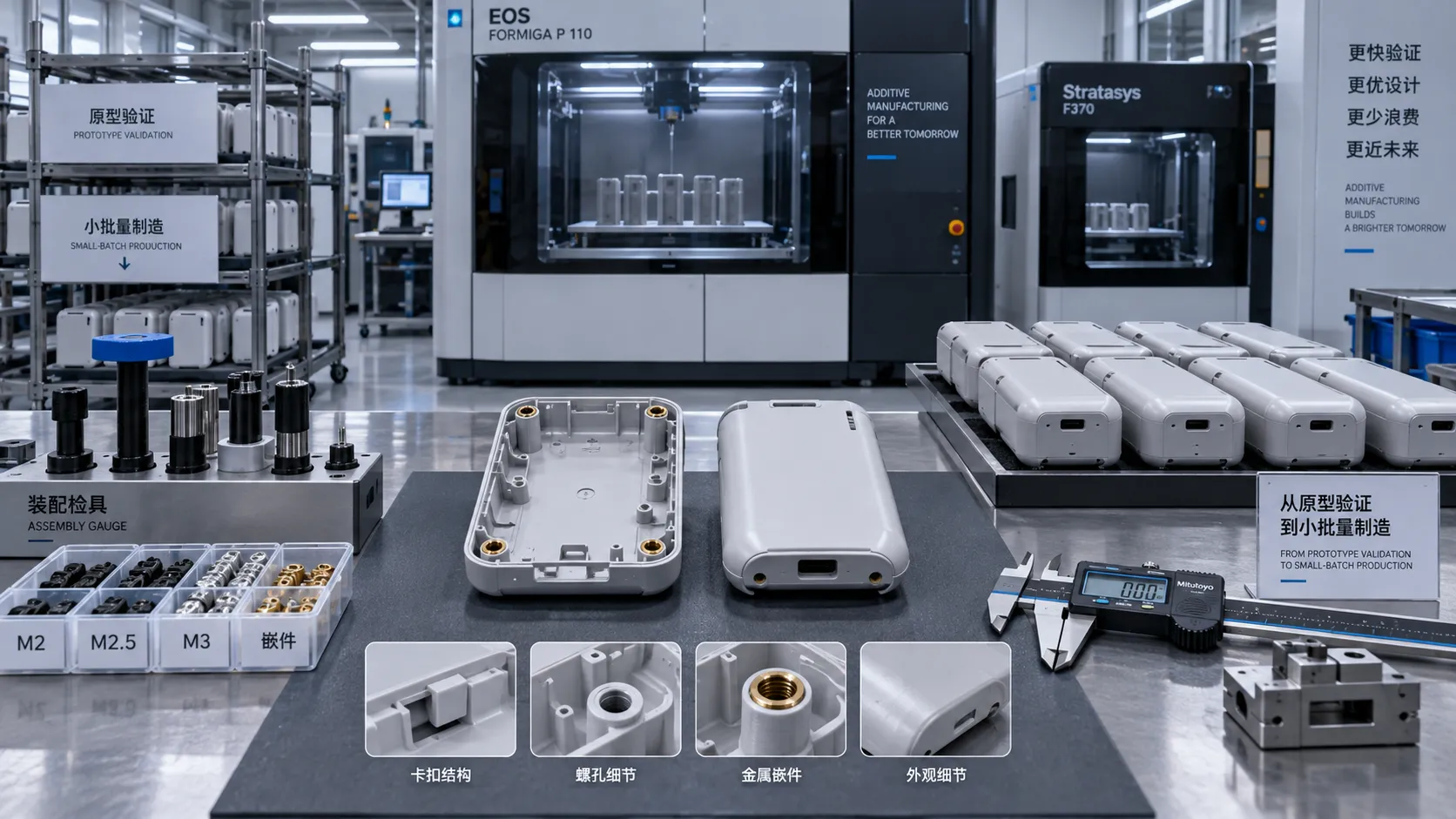
From Prototype to Small Batch: Applying 3D Printing to Consumer Goods
Explore 3d printing in consumer goods: learn how to move from prototype to small-batch production with practical guidance on materials, quality validation, and cost control.
Related News
- 00
0000-00
How to verify part consistency before choosing a 3D printing OEM - 00
0000-00
How does a rigid cryogenic transfer line handle thermal contraction? - 00
0000-00
How much does edge vision deployment cost beyond the hardware? - 00
0000-00
How does the purity of sputtering targets affect thin-film quality? - 00
0000-00
How high power laser cladding systems control substrate dilution
Dr. Hideo Tanaka
Weekly Insights
Stay ahead with our curated technology reports delivered every Monday.