
What industrial laser safety class standards require today

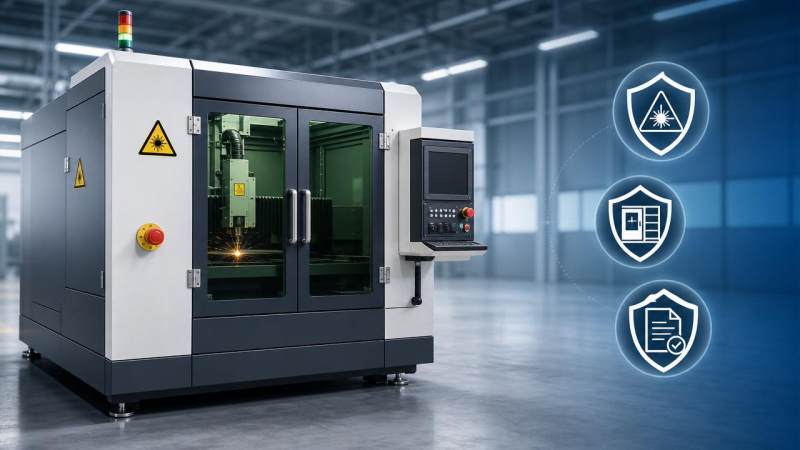
For quality control and safety managers, understanding what industrial laser safety class standards require today is no longer optional. As laser systems become more powerful and integrated across manufacturing lines, compliance depends on accurate classification, hazard assessment, and alignment with current international regulations. This guide outlines the essential requirements shaping safer operations, procurement decisions, and audit readiness in modern industrial environments.
Why industrial laser safety class standards now affect more than compliance paperwork
The core search intent behind industrial laser safety class standards is practical, not academic. Most readers want to know what current standards require in real industrial settings.
For quality and safety teams, the main concern is whether a laser system is correctly classified, properly controlled, and supported by documentation that will withstand audits or incident reviews.
That makes this topic larger than a labeling exercise. Laser class drives enclosure design, interlock requirements, protective equipment decisions, training scope, and how safely a machine can be operated on a production floor.
Today, the answer is clear: organizations must classify industrial lasers correctly under current product safety frameworks, then validate that the installed system controls the real exposure risk during operation, maintenance, and service.
What standards are usually in scope for industrial laser classification
When people refer to industrial laser safety class standards, they usually mean the classification and safety requirements defined by IEC 60825-1 and the national or regional adoptions derived from it.
In many markets, ISO 11553 is also highly relevant because it focuses on the safety of machinery using lasers for material processing, which is where many industrial users operate.
For facilities in the United States, ANSI Z136.1 provides the broader framework for safe laser use, while ANSI Z136.9 is particularly useful for manufacturing environments.
Procurement and compliance teams should also watch for local regulatory overlays. CE marking obligations, OSHA expectations, national transpositions of IEC rules, and customer-specific EHS requirements may all apply simultaneously.
This is why one common mistake is to assume the source manufacturer’s class label alone settles compliance. In practice, the complete machine, integration state, and use case may change the risk profile.
What laser classes mean in operational terms for factories
Laser classes describe accessible radiation hazard under defined conditions. They do not simply indicate power level, and they are not interchangeable with general statements such as low risk or high risk.
Class 1 means the accessible emission is considered safe during reasonably foreseeable operation, including the use of optical instruments where specified by the standard’s criteria.
Many industrial processing machines are designed as Class 1 systems externally, even though they contain embedded Class 4 lasers internally. This distinction is extremely important for QC and safety managers.
Class 1 operation may be acceptable for routine production use, but access during maintenance, alignment, or troubleshooting can expose personnel to the embedded laser hazard if controls are bypassed.
Class 2 applies mainly to visible lasers and relies partly on aversion responses. It is less central in heavy industrial processing but still appears in alignment tools or low-power visible components.
Class 3R and Class 3B introduce increasing hazard levels and tighter administrative and engineering control needs. These classes require careful management of direct beam and specular reflection exposure.
Class 4 is the category that raises the greatest concern in industrial manufacturing. These lasers can cause serious eye and skin injury and may also create fire, fume, plasma, and diffuse reflection hazards.
For target readers, the key takeaway is simple: the class on the datasheet matters, but the accessible class during each task matters more.
What industrial laser safety class standards require today in practice
Current standards require more than assigning a class number. They require manufacturers, integrators, and users to evaluate accessible emission, foreseeable misuse, protective housing, warning information, and control measures.
In practical factory terms, this means five areas usually define whether a site is genuinely aligned with current requirements or only superficially compliant.
First, the laser product must be properly classified using the applicable standard methodology. That includes wavelength, pulse characteristics, exposure duration, and accessible emission limits, not just output power.
Second, the machine must include engineering safeguards appropriate to its hazard level. Typical measures include full enclosures, interlocked doors, beam path containment, key control, emergency stop functions, and fault monitoring.
Third, warning labels, user information, and service instructions must be accurate and current. A surprising number of nonconformities come from outdated labels after retrofit, relocation, or source replacement.
Fourth, the employer must perform a use-based risk assessment. Standards increasingly intersect with machinery safety expectations, meaning the real workflow must be evaluated, not only the nominal machine design.
Fifth, organizations must manage non-routine states. Maintenance access, optical alignment, cleaning, sensor calibration, and process observation often create the highest exposure risk in otherwise enclosed installations.
That is the modern standard in substance. The question is no longer only “What class is the laser?” but “Under what conditions can hazardous radiation become accessible, and how is that controlled?”
Why embedded lasers and system integration create the most confusion
One of the biggest issues for industrial buyers is the difference between a laser source and a finished machine. A fiber laser source may be Class 4, while the production workstation is classified as Class 1.
This is legitimate when the enclosure and interlocks prevent hazardous exposure during normal use. However, it does not eliminate the need to control service access and abnormal conditions.
Problems often appear after integration changes. A vision port is added, a panel is removed, an interlock is defeated for troubleshooting, or a robot cell is reconfigured without reassessing beam escape paths.
From a safety management perspective, any modification that affects accessible radiation, guarding, beam delivery, or operator interaction should trigger a formal review of the safety classification assumptions.
QC managers should be especially cautious when accepting custom equipment. Factory acceptance tests may verify process quality, but they do not always confirm that the delivered safety controls match the intended class protection.
What quality control and safety managers should verify before approving a system
If your role includes incoming equipment approval or line readiness review, the most valuable question is not whether the supplier claims compliance, but whether the evidence is complete and relevant.
Start with classification documentation. Ask which edition of the standard was used, what the final machine class is, and whether the classification applies to the complete integrated system.
Then verify the hazard control architecture. Review enclosure integrity, interlock logic, viewing window ratings, beam dump design, cable routing, shutter behavior, and fail-safe responses during power loss or access events.
Check whether labels and manuals match the actual delivered configuration. In audits, mismatches between installed hardware and technical files are often treated as indicators of weak control over change management.
Review maintenance tasks separately from production tasks. Many facilities approve a Class 1 machine for operation but overlook that service staff may need Class 4 exposure controls when panels are opened.
Training records also matter. Operators, maintenance technicians, contractors, and cleaners may face different levels of risk and therefore need different levels of instruction and authorization.
Finally, confirm links to adjacent safety domains. Fume extraction, fire prevention, reflective material handling, and lockout procedures are often inseparable from true laser safety performance in industrial settings.
Common compliance gaps found during audits and incident investigations
Most serious findings are not caused by complete ignorance of laser safety. They happen because a site understands the class label but fails to manage the operational details around it.
A common gap is assuming a Class 1 enclosure remains Class 1 forever. Damaged seals, replacement windows, misaligned beam delivery, or unauthorized openings can invalidate the original safety basis.
Another issue is overreliance on PPE. Eyewear is important in specific tasks, but current standards prioritize engineering controls. PPE should not be used as a substitute for inadequate enclosure or access design.
Documentation gaps are also frequent. Missing risk assessments, outdated standard references, unverified interlock tests, and absent maintenance procedures make it difficult to demonstrate control during an external review.
Sites also underestimate reflected beam risks. Polished metals, fixtures, and optical components can produce hazardous reflections even when operators believe they are not exposed to the primary beam.
Finally, temporary bypasses become permanent habits. Service overrides without permits, weak supervision during alignment, or shared keys can turn a well-designed system into an unmanaged Class 4 environment.
How current standards influence procurement and supplier qualification
Industrial laser safety class standards should shape procurement criteria long before equipment arrives on site. Waiting until installation often leads to expensive retrofits, delays, or restricted operating approvals.
Specifications should require suppliers to declare applicable standards, final system class, embedded laser class, interlock design philosophy, maintenance access controls, and evidence of validation testing.
For multinational operations, it is wise to ask how the machine is configured for different destination markets. A compliant setup for one region may still need changes in documentation, labeling, or guarding elsewhere.
Supplier qualification should also consider lifecycle support. Can the vendor provide updated safety files after process changes, software updates, source replacement, or relocation to another plant?
From a business standpoint, better supplier screening reduces hidden compliance costs. It also protects uptime, because machines that are difficult to approve or safely maintain often create recurring production interruptions.
A practical review framework for audit readiness
To prepare for internal or external audits, quality and safety managers can use a simple review structure built around classification, controls, documentation, people, and change management.
Under classification, confirm the current standard reference, final machine class, embedded laser class, and any task-specific exposure scenarios that differ from routine production operation.
Under controls, verify enclosure integrity, interlocks, access permissions, warning devices, emergency functions, local procedures, and maintenance safeguards. Physical inspection should accompany paperwork review.
Under documentation, check manuals, risk assessments, service instructions, training records, test logs, and modification histories. The objective is consistency between documents and the installed machine state.
Under people, verify role-based training, supervision of non-routine tasks, contractor control, and incident reporting channels. Human factors often determine whether protective design is used correctly.
Under change management, ensure that software updates, fixture redesigns, optics replacement, and production layout changes trigger a safety review before returning the equipment to routine use.
This framework helps translate abstract standard requirements into an operational management system that auditors and corporate EHS teams can actually evaluate.
What matters most when interpreting standards today
The most important shift in interpretation is that compliance is increasingly viewed as a system-level outcome. A correct laser class label is necessary, but it is not enough by itself.
Modern expectations focus on whether the classification remains valid across realistic operating states, whether exposure can become accessible during foreseeable tasks, and whether controls are verified over time.
For quality control teams, this means laser safety intersects directly with configuration control, preventive maintenance, supplier management, and deviation handling. It is not a separate technical island.
For safety managers, it means the strongest programs are those that combine standards literacy with disciplined implementation: robust engineering controls, documented risk assessment, and strict management of exceptions.
Conclusion
What industrial laser safety class standards require today is straightforward in principle but demanding in execution. Organizations must classify correctly, control access rigorously, and evaluate real operating conditions, not just theoretical design states.
For quality control and safety managers, the highest-value approach is to treat laser class as the starting point for system verification, not the end of the conversation.
If a machine’s classification, safeguards, maintenance access, and documentation all align, compliance becomes easier to defend and safer to sustain. If they do not, the class label offers very little protection.
In modern industrial environments, the safest and most audit-ready facilities are those that connect industrial laser safety class standards to procurement discipline, operational control, and continuous review.
Related News
How to verify part consistency before choosing a 3D printing OEM
Choosing a 3D printing OEM? Learn how to verify part consistency with repeat-build trials, validated inspections, and traceability checks before committing to production.
How does a rigid cryogenic transfer line handle thermal contraction?
Learn how a rigid cryogenic transfer line manages thermal contraction with bends, bellows, and guided supports. Discover key design checks for safe, reliable cryogenic performance.
How much does edge vision deployment cost beyond the hardware?
Understand edge vision deployment cost beyond hardware, from data and integration to security and support. Uncover hidden expenses and build a smarter lifecycle budget before you scale.
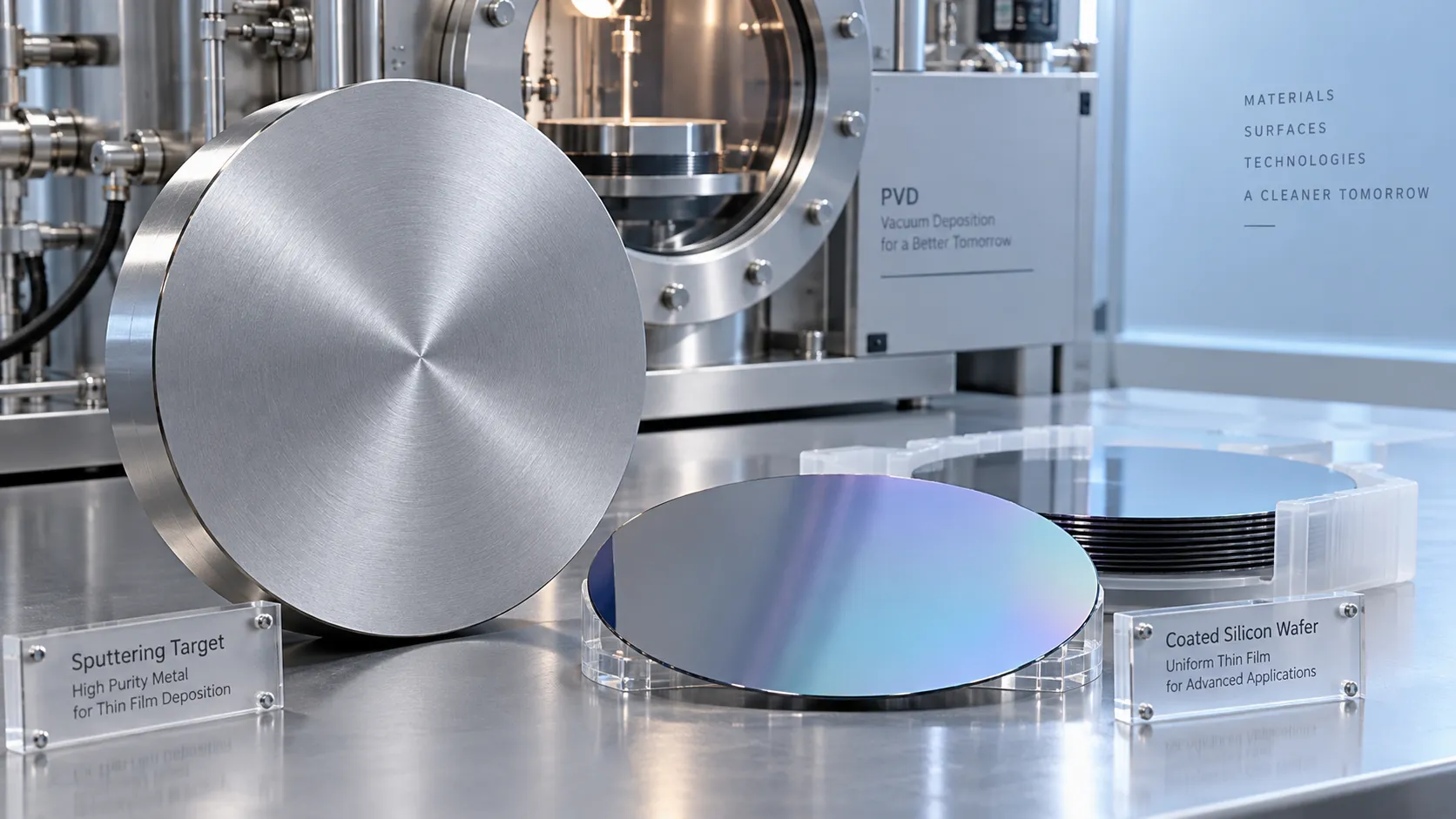
How does the purity of sputtering targets affect thin-film quality?
Discover how sputtering targets affect thin-film quality. Learn to assess purity, identify harmful impurities, and choose specifications that improve coating performance.
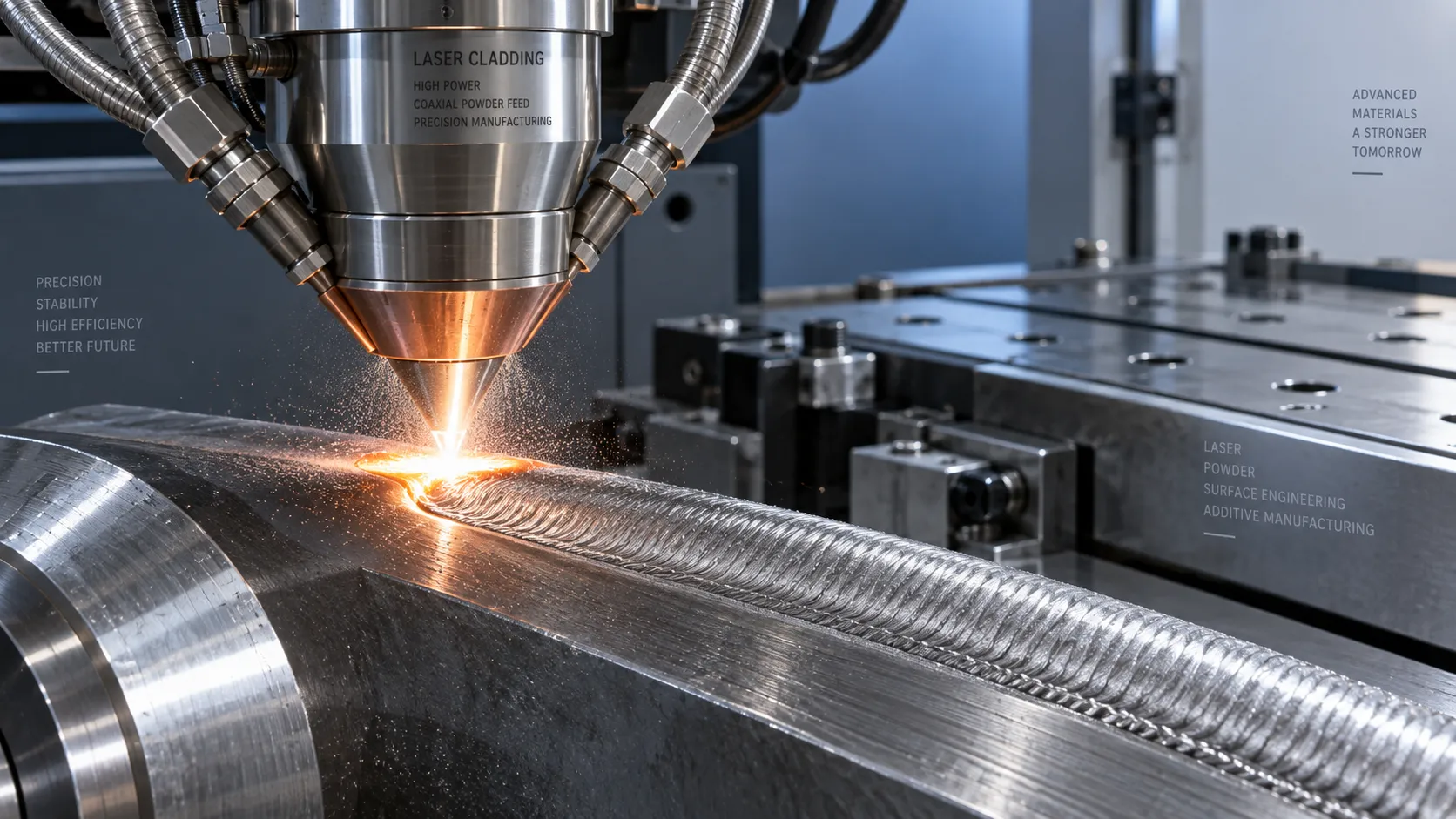
How high power laser cladding systems control substrate dilution
Discover how high power laser cladding systems control substrate dilution through beam shaping, material feed, and thermal management to deliver reliable bonds and coating performance.
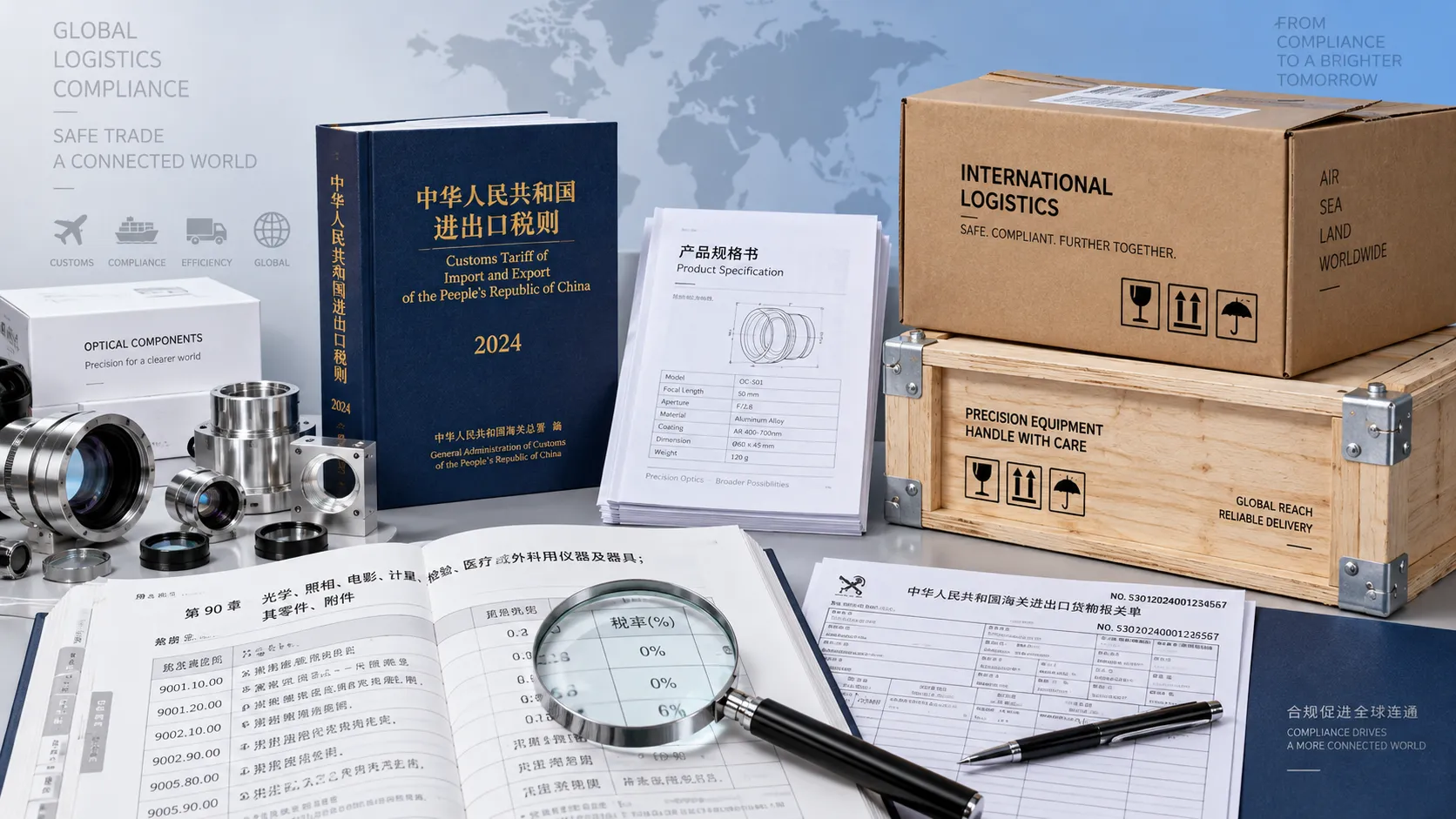
How to check HS codes for customs compliance in international logistics
Strengthen international logistics customs compliance: learn how to verify HS codes, check official tariffs, and document classifications to reduce costly shipment delays.
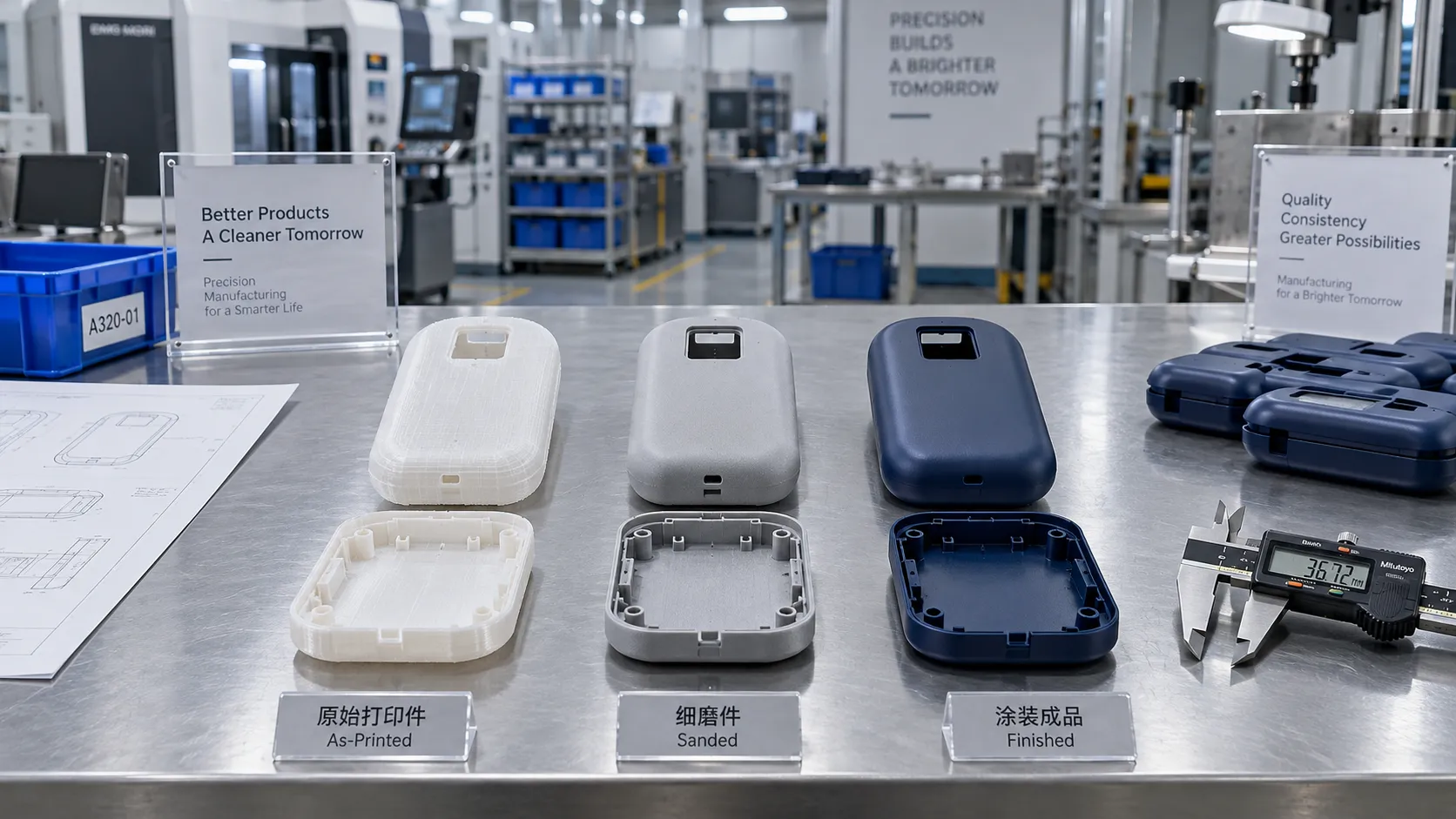
Choosing a 3D Printing Service for Consumer Products: Finish, Fit, and Cost
Compare 3d printing consumer good services by finish, fit, materials, and total cost. Learn how to choose a reliable supplier and avoid costly defects before ordering.
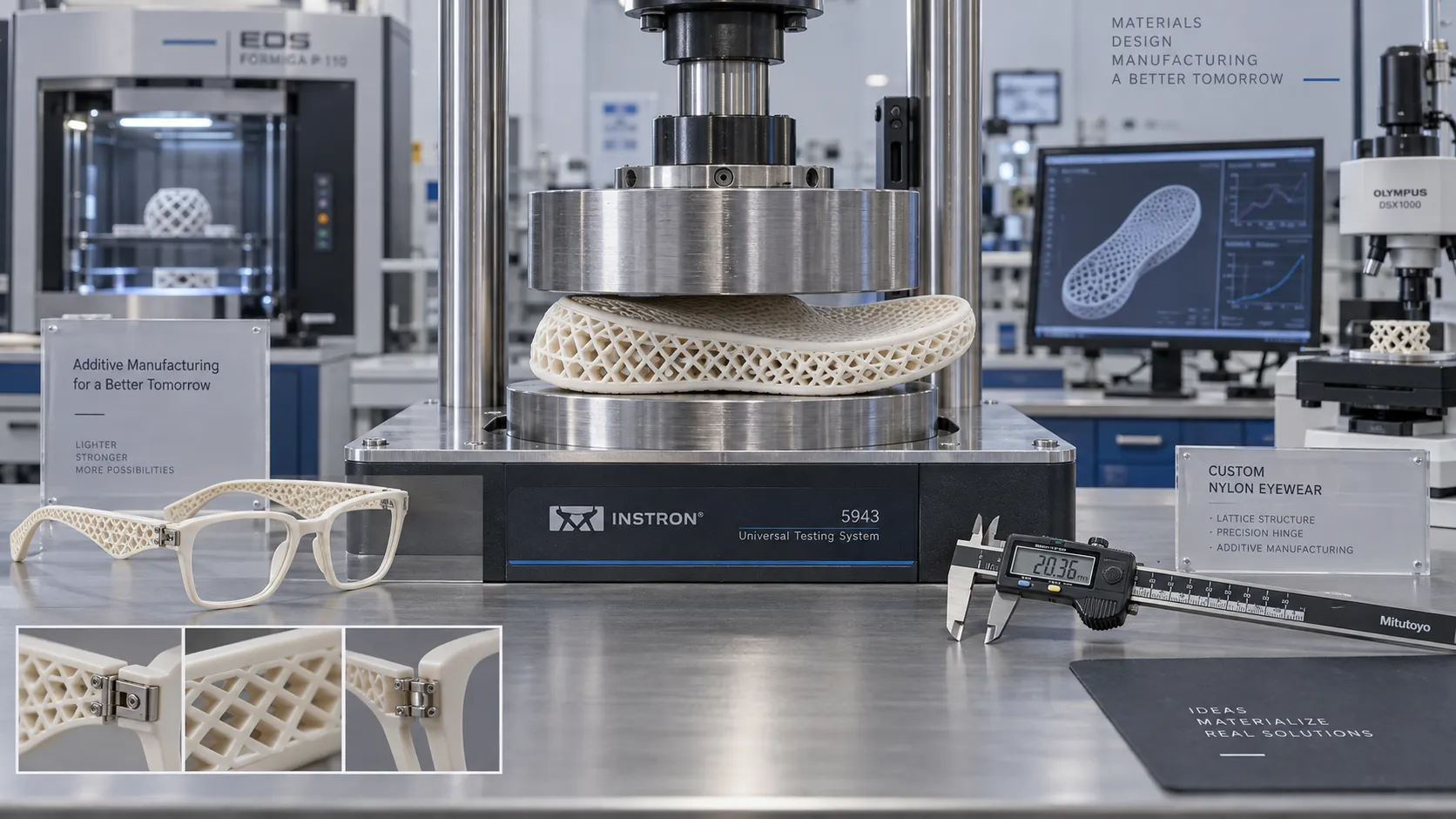
Which Consumer Goods Can Be 3D Printed, and What Are the Practical Limits?
Explore 3d printing consumer goods, from custom eyewear to replacement parts. Discover practical limits on materials, safety, and costs to make smarter production decisions.
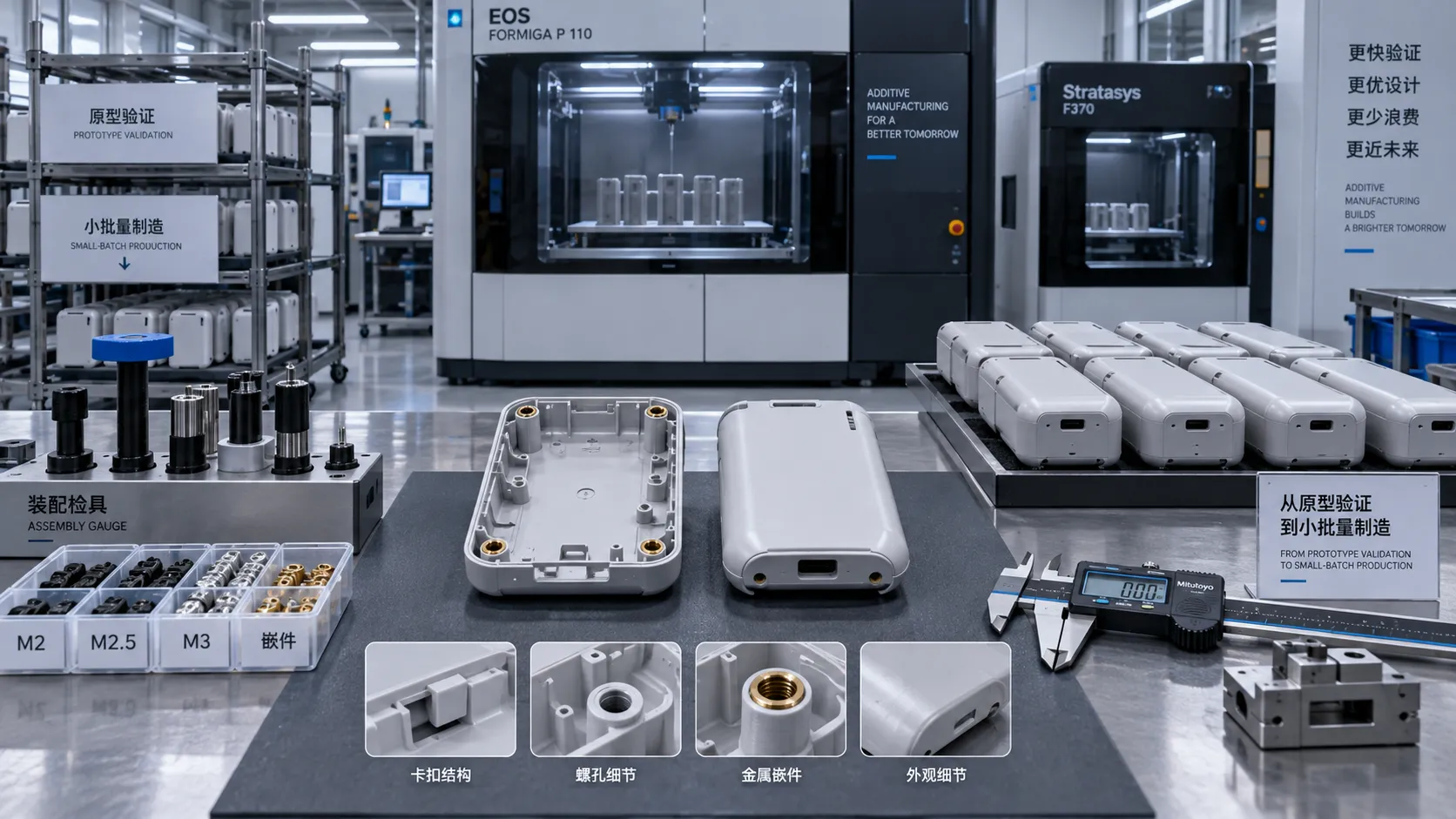
From Prototype to Small Batch: Applying 3D Printing to Consumer Goods
Explore 3d printing in consumer goods: learn how to move from prototype to small-batch production with practical guidance on materials, quality validation, and cost control.
Related News
- 00
0000-00
How to verify part consistency before choosing a 3D printing OEM - 00
0000-00
How does a rigid cryogenic transfer line handle thermal contraction? - 00
0000-00
How much does edge vision deployment cost beyond the hardware? - 00
0000-00
How does the purity of sputtering targets affect thin-film quality? - 00
0000-00
How high power laser cladding systems control substrate dilution
Dr. Hideo Tanaka
Weekly Insights
Stay ahead with our curated technology reports delivered every Monday.