
Which trade fair news actually signals laser demand


Not every headline from a trade fair reflects real buying momentum. The most useful industrial laser trade fair news reveals where budgets, specifications, and deployment schedules are aligning. That distinction matters because exhibition visibility often exaggerates interest while hiding whether demand is immediate, experimental, or still unfunded.
In the broader industrial economy, laser adoption now depends on measurable production value. Automotive electrification, battery scaling, semiconductor packaging, precision metal processing, and advanced inspection all influence the signal quality behind industrial laser trade fair news. Reading those signals correctly helps separate marketing energy from real market movement.
Why some trade fair headlines matter more than others
A crowded booth is not a demand indicator. A signed framework agreement, a validated process window, or a standards-linked demonstration usually matters far more. Strong industrial laser trade fair news contains evidence of production intent, not only attention.
The best signals typically connect three layers. First, there is a real application problem. Second, there is a laser process with verified output. Third, there is a buyer-side path to implementation. Without all three, the headline remains weak.
This is especially true in cross-industry settings. Laser demand rarely grows in isolation. It rises when adjacent systems such as automation, optics, motion control, cooling, machine vision, and compliance frameworks also appear deployment-ready.
Current shifts changing how industrial laser trade fair news should be read
Recent fairs show a move away from generic power claims toward process economics. More exhibitors now highlight weld quality, throughput stability, scrap reduction, traceability, and integration data. That shift often indicates a more mature demand environment.
Another change is the growing importance of application-specific messaging. When industrial laser trade fair news references busbar welding, hairpin processing, microvia drilling, textured surfaces, or selective material removal, the demand signal becomes more credible.
There is also a stronger focus on operational resilience. News mentioning service footprints, spare parts localization, software interoperability, and certification pathways usually points to buyers planning actual deployment rather than concept exploration.
The strongest fair signals are now closer to factory metrics
Reliable industrial laser trade fair news increasingly includes cycle-time gains, defect rates, energy efficiency, maintenance intervals, and material compatibility. These are factory metrics. They suggest evaluation teams are comparing business cases, not browsing innovations.
What usually drives real demand behind the headlines
Trade fair momentum becomes meaningful when several drivers converge. In many cases, the exhibition only reveals changes already underway inside supply chains, regulation, and production planning.
When multiple drivers appear in the same event cycle, industrial laser trade fair news becomes more predictive. A single product launch is weak. A launch paired with standards, applications, and service infrastructure is much stronger.
How to tell whether industrial laser trade fair news reflects budgeted projects
The first clue is specificity. Vague claims about innovation rarely indicate demand. Precise references to welding depth, beam quality, automation interfaces, or production validation are more meaningful because they support internal capital review.
The second clue is ecosystem depth. If the news includes optics partners, scanner suppliers, chiller integration, software modules, or metrology validation, deployment is more likely. Serious projects require coordinated subsystems, not standalone machines.
The third clue is timing language. Words like pilot, qualification, line expansion, framework rollout, and phased installation signal a procurement path. Words like concept, showcase, future-ready, or visionary often describe earlier-stage interest.
- Look for references to installed capacity or planned line count.
- Prioritize news tied to named applications, not generic sectors.
- Check whether process data appears alongside hardware claims.
- Note if after-sales support is mentioned as part of the launch.
- Track repeat announcements across several fairs or regions.
Which fair themes most often point to near-term laser demand
Not all themes convert equally. Some exhibition topics consistently correlate with short-cycle investment because they solve urgent manufacturing constraints. These areas deserve higher attention when scanning industrial laser trade fair news.
High-conviction themes
- Battery manufacturing, especially welding, foil cutting, and tab processing.
- Power electronics and semiconductor packaging with fine-feature precision needs.
- Automated metal fabrication requiring speed, repeatability, and low rework.
- Medical device microprocessing where traceability and precision are essential.
- Integrated inspection cells combining laser processing with machine vision.
These themes matter because process failure costs are high. When fair coverage shows measurable defect reduction or line compatibility in these segments, the industrial laser trade fair news often reflects active evaluation pipelines.
Lower-conviction themes
By contrast, highly theatrical demonstrations with limited production context should be treated cautiously. Strong visual appeal can attract attention, but it does not guarantee budgeting, qualification, or scaling inside real industrial programs.
How these signals affect strategy across the industrial value chain
Better interpretation of industrial laser trade fair news improves timing decisions. It helps determine whether a market is entering pilot concentration, specification tightening, or broader deployment. Each phase demands a different commercial and technical response.
It also improves comparative benchmarking. Signals tied to throughput, standards, and integration readiness make it easier to assess whether one supplier is gaining structural traction or only temporary exhibition visibility.
What deserves close attention in the next wave of industrial laser trade fair news
- Mentions of qualification data, not only output power.
- Links between lasers and machine vision, AI inspection, or closed-loop control.
- Regional service expansion supporting uptime and spare availability.
- Evidence of compliance alignment with ISO, ASTM, SEMI, or customer audits.
- Repeat customer pilots progressing into line-scale rollout.
- Material-specific process claims supported by measurable results.
- Announcements involving batteries, electronics, medical devices, and precision fabrication.
These markers help convert industrial laser trade fair news into a structured demand map. They also align with the way advanced industrial technology markets now reward verifiable performance over broad promotional claims.
A practical method for judging the next headline
Use a simple scoring method. Rate each item of industrial laser trade fair news on application specificity, process evidence, standards alignment, ecosystem support, and deployment timing. Headlines scoring high across all five dimensions are the most actionable.
- Identify the named application and end-use environment.
- Check for measurable process or quality data.
- Confirm integration with software, optics, motion, or inspection.
- Look for qualification language, certifications, or standards references.
- Assess whether the news implies pilot, expansion, or full production.
When this method is applied consistently, industrial laser trade fair news becomes a decision tool rather than a stream of disconnected updates. It reveals where adoption is accelerating and where visibility still exceeds readiness.
For organizations tracking advanced manufacturing shifts, the next step is clear. Build a structured watchlist of fairs, compare repeated application signals, and benchmark announcements against technical proof, compliance depth, and ecosystem maturity. That approach turns trade fair noise into usable market intelligence.
Related News
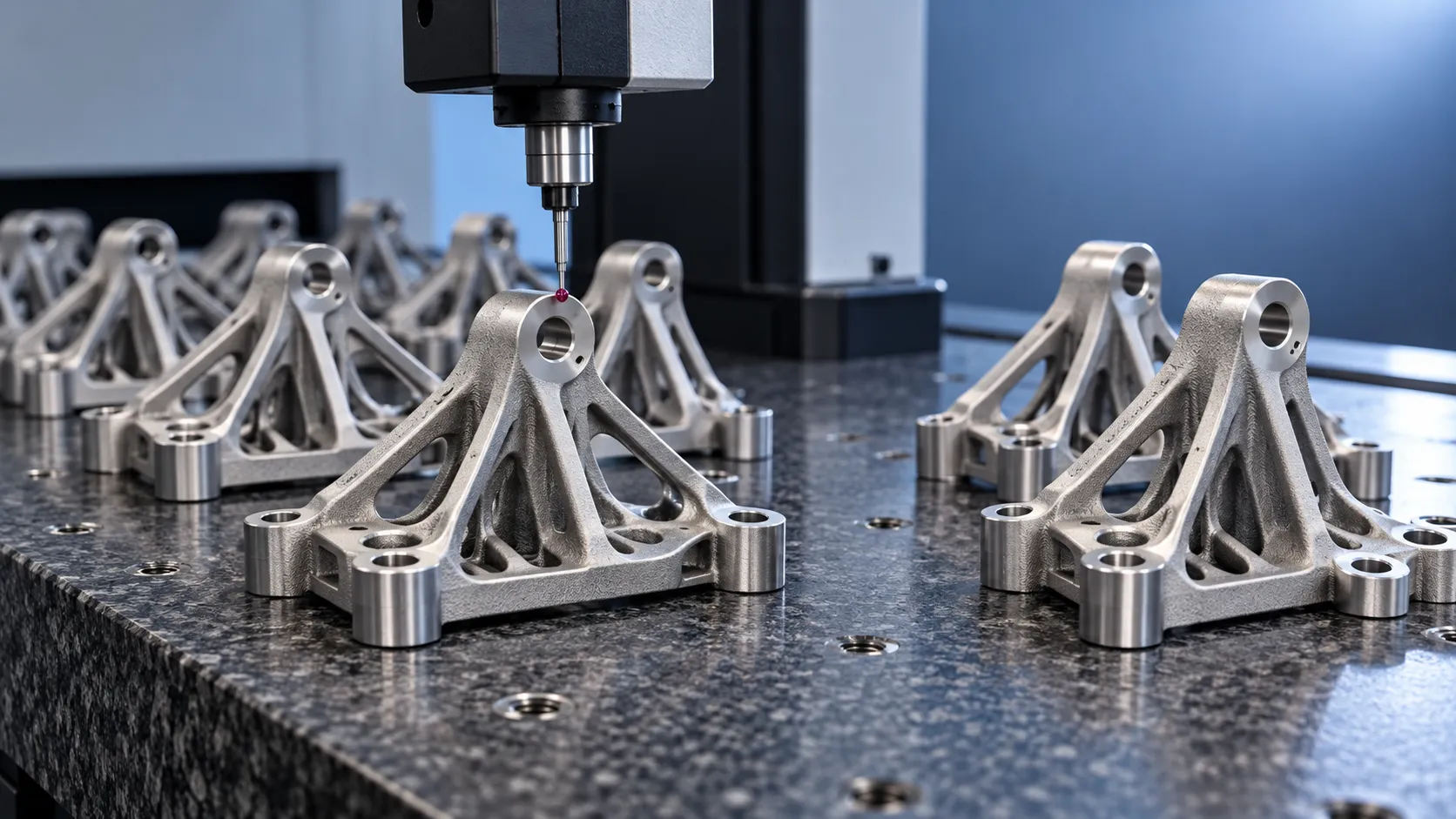
How to verify part consistency before choosing a 3D printing OEM
Choosing a 3D printing OEM? Learn how to verify part consistency with repeat-build trials, validated inspections, and traceability checks before committing to production.

How does a rigid cryogenic transfer line handle thermal contraction?
Learn how a rigid cryogenic transfer line manages thermal contraction with bends, bellows, and guided supports. Discover key design checks for safe, reliable cryogenic performance.

How much does edge vision deployment cost beyond the hardware?
Understand edge vision deployment cost beyond hardware, from data and integration to security and support. Uncover hidden expenses and build a smarter lifecycle budget before you scale.
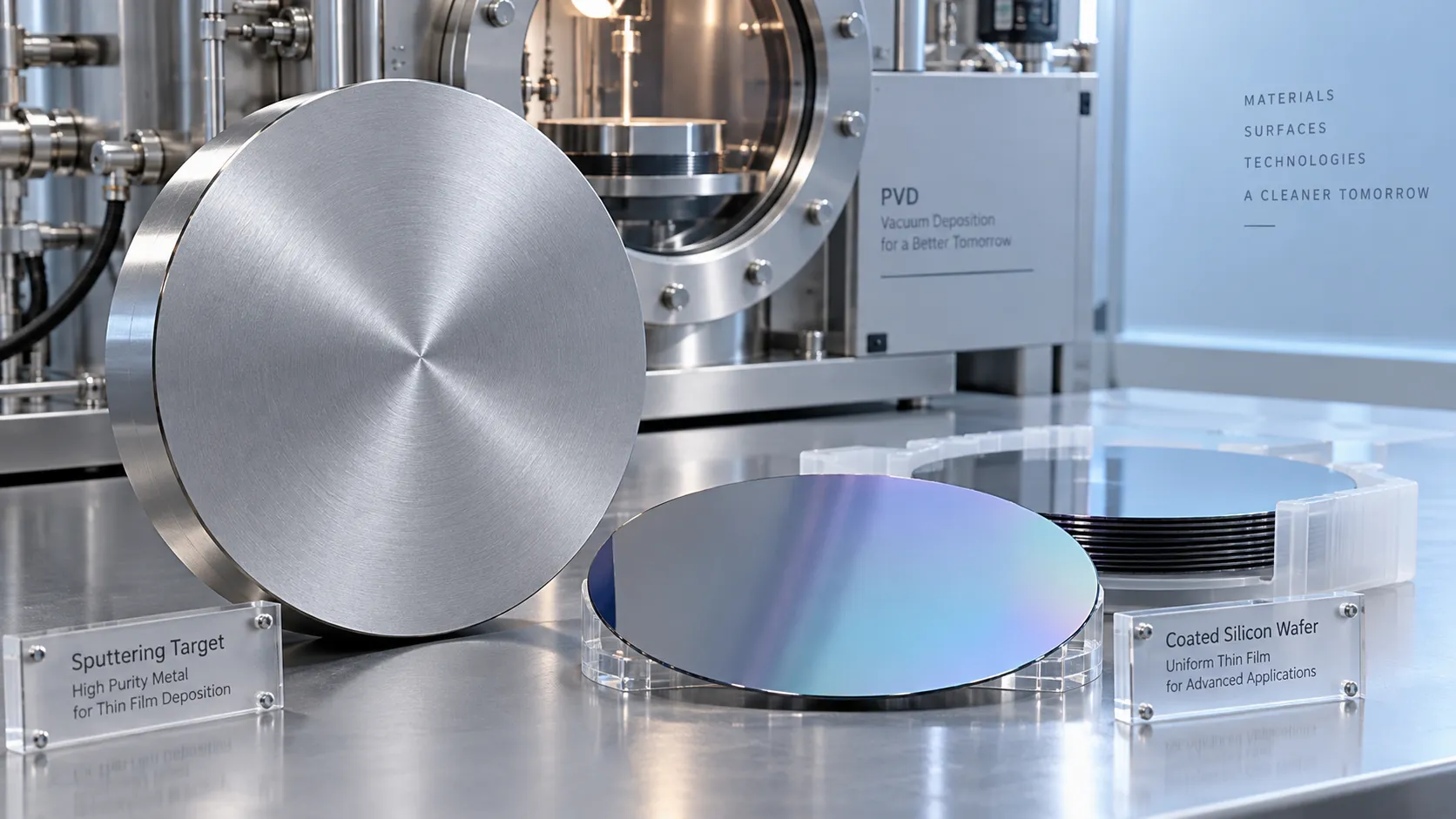
How does the purity of sputtering targets affect thin-film quality?
Discover how sputtering targets affect thin-film quality. Learn to assess purity, identify harmful impurities, and choose specifications that improve coating performance.
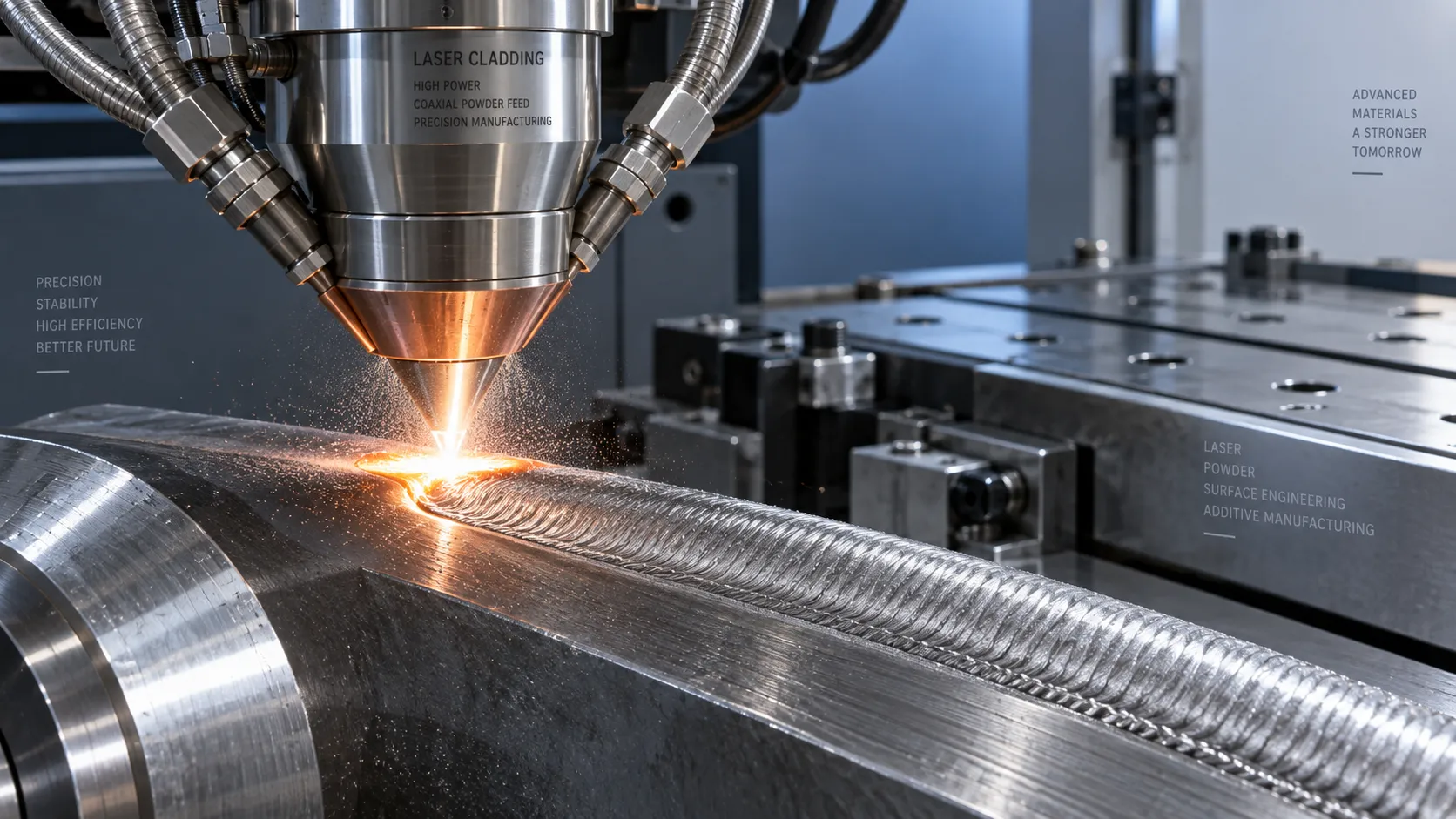
How high power laser cladding systems control substrate dilution
Discover how high power laser cladding systems control substrate dilution through beam shaping, material feed, and thermal management to deliver reliable bonds and coating performance.

How to check HS codes for customs compliance in international logistics
Strengthen international logistics customs compliance: learn how to verify HS codes, check official tariffs, and document classifications to reduce costly shipment delays.
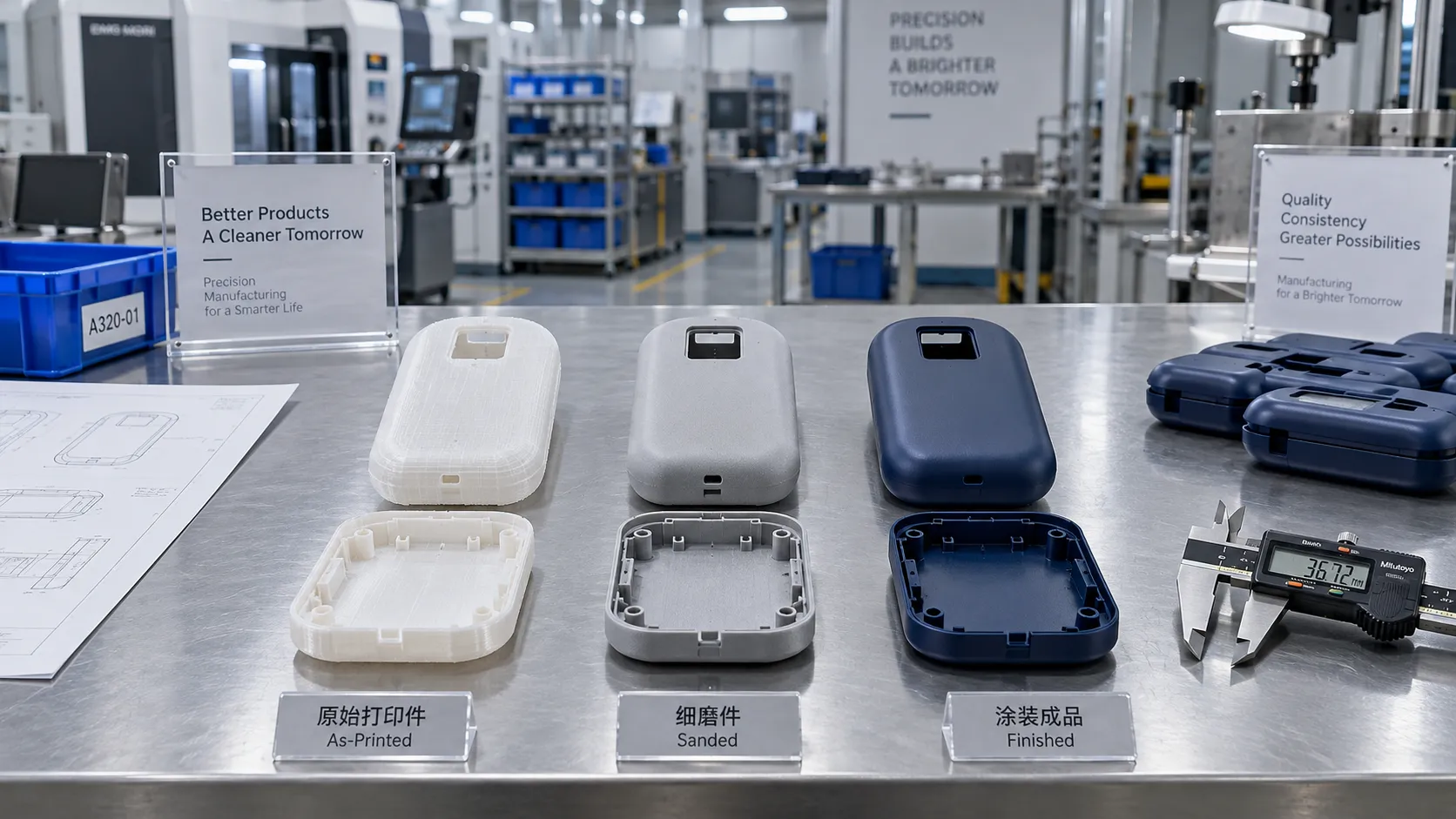
Choosing a 3D Printing Service for Consumer Products: Finish, Fit, and Cost
Compare 3d printing consumer good services by finish, fit, materials, and total cost. Learn how to choose a reliable supplier and avoid costly defects before ordering.
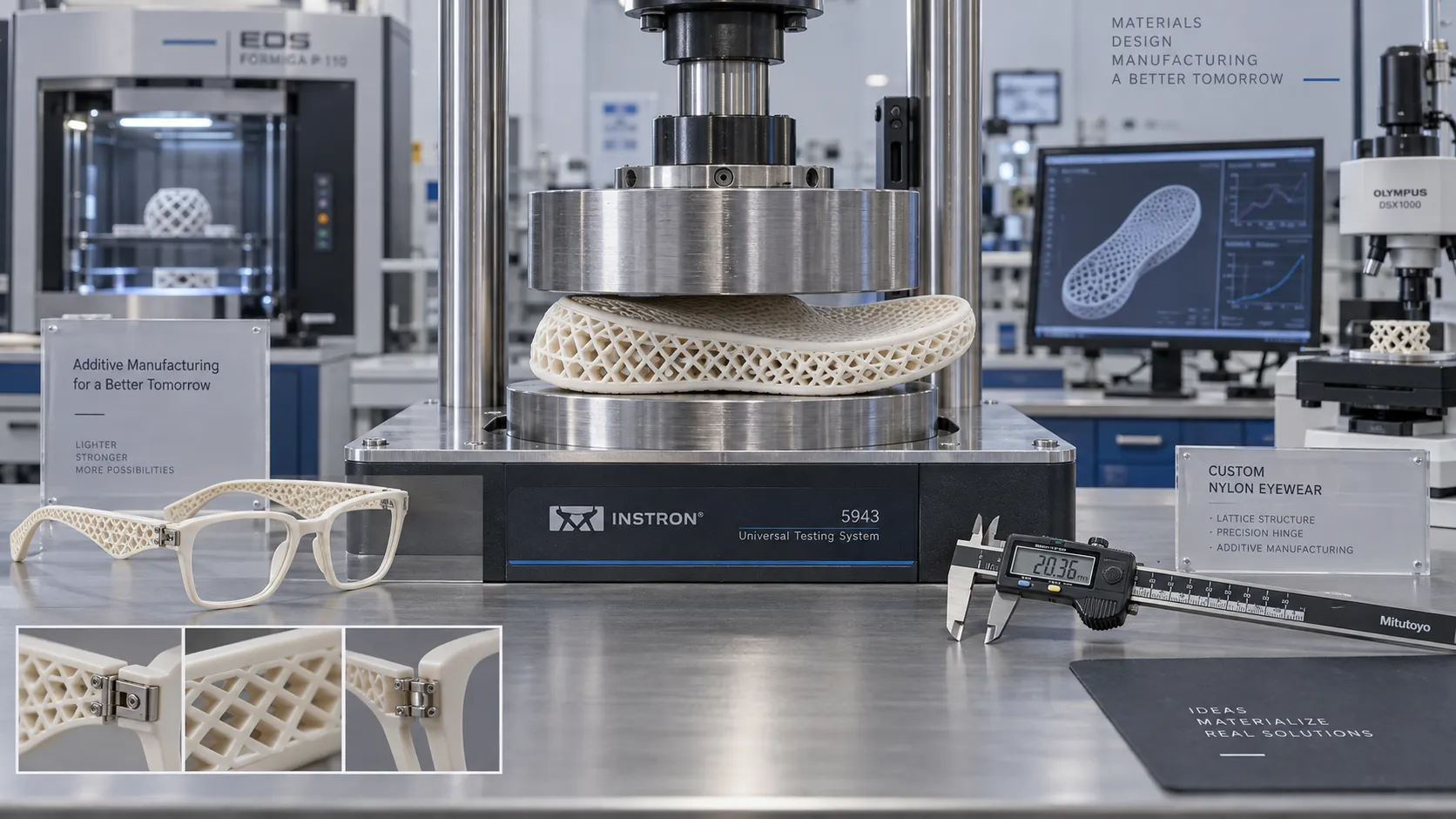
Which Consumer Goods Can Be 3D Printed, and What Are the Practical Limits?
Explore 3d printing consumer goods, from custom eyewear to replacement parts. Discover practical limits on materials, safety, and costs to make smarter production decisions.
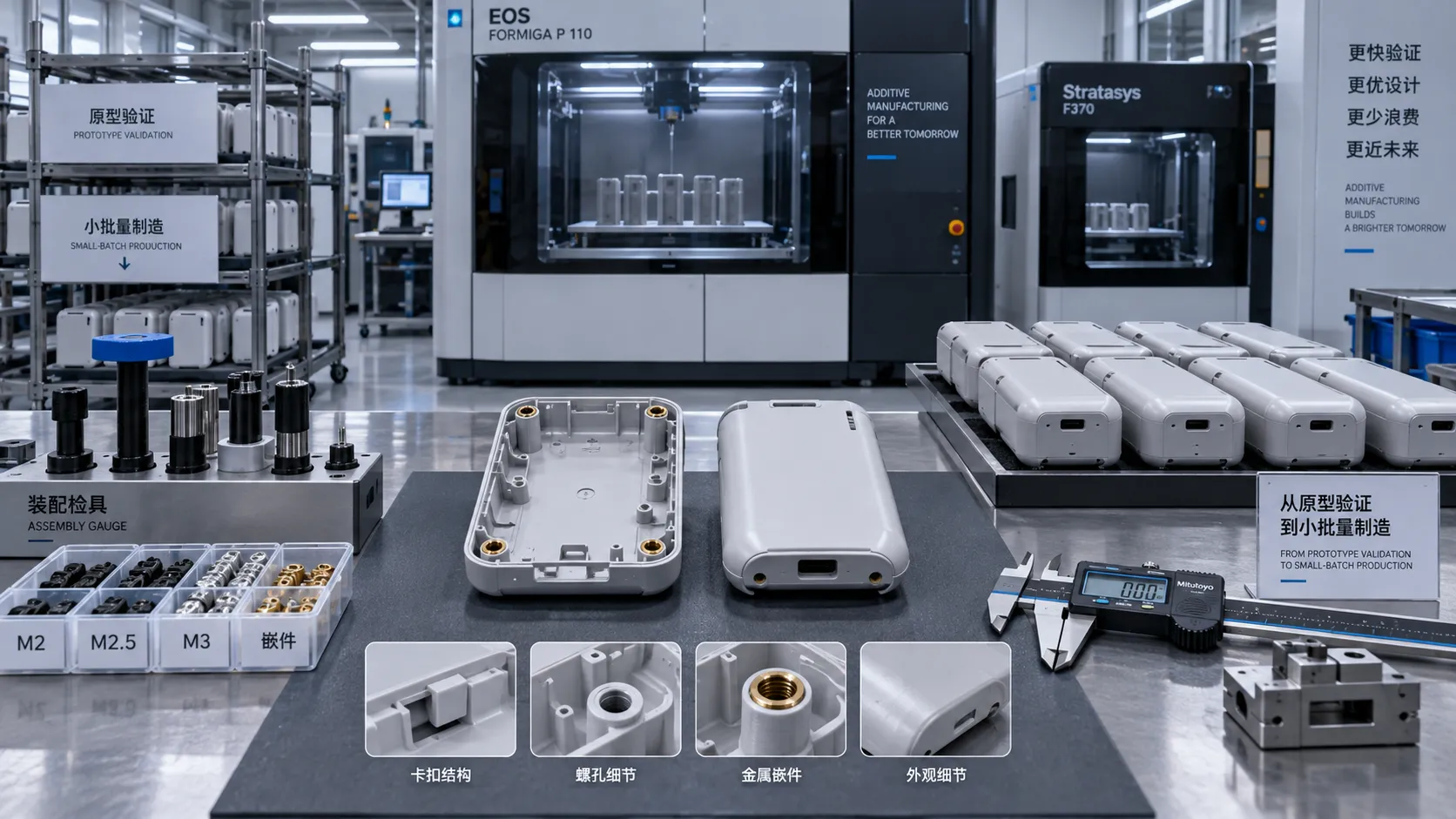
From Prototype to Small Batch: Applying 3D Printing to Consumer Goods
Explore 3d printing in consumer goods: learn how to move from prototype to small-batch production with practical guidance on materials, quality validation, and cost control.
Related News
- 00
0000-00
How to verify part consistency before choosing a 3D printing OEM - 00
0000-00
How does a rigid cryogenic transfer line handle thermal contraction? - 00
0000-00
How much does edge vision deployment cost beyond the hardware? - 00
0000-00
How does the purity of sputtering targets affect thin-film quality? - 00
0000-00
How high power laser cladding systems control substrate dilution
Dr. Hideo Tanaka
Weekly Insights
Stay ahead with our curated technology reports delivered every Monday.