
Why the future of ultrafast lasers in electronics matters

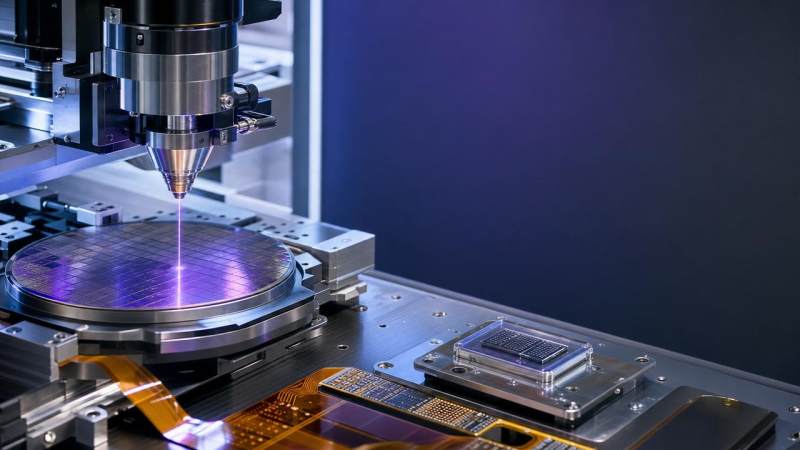
For advanced industry, the future of ultrafast lasers in electronics matters because precision now defines commercial resilience. As chips, sensors, displays, and power devices shrink, thermal tolerance falls.
That shift changes how electronic materials are cut, drilled, structured, and repaired. Ultrafast laser platforms support cleaner edges, lower heat impact, and better control across fragile, high-value components.
In practical terms, the future of ultrafast lasers in electronics influences yield, qualification speed, supply-chain selection, and technology roadmaps. It is no longer a niche topic for laboratories.
Why scenario-based evaluation matters in the future of ultrafast lasers in electronics
Electronics production is not one uniform use case. Semiconductor wafers, flexible circuits, ceramic substrates, and battery control boards all impose different tolerances and economic thresholds.
A viable decision model must connect application scenarios with pulse duration, wavelength, repetition rate, beam quality, automation compatibility, and inspection requirements.
This is where the future of ultrafast lasers in electronics becomes strategic. The best-fit system depends less on headline power and more on process stability under real production constraints.
G-AIT’s multidisciplinary benchmarking perspective is useful here. Cross-checking laser performance against ISO, SEMI, IEEE, and ASTM-aligned process expectations reduces hidden implementation risk.
Scenario 1: Semiconductor microprocessing demands near-zero thermal damage
In semiconductor fabrication, ultrafast lasers are increasingly relevant for wafer dicing, via drilling, thin-film patterning, and selective material removal. The goal is precise ablation with minimal heat-affected zones.
The future of ultrafast lasers in electronics is especially important where brittle materials and stacked architectures are involved. Silicon carbide, gallium nitride, and advanced packaging layers raise defect sensitivity.
Key judgment points
- Sub-micron edge quality requirements
- Particle generation and debris control
- Crack risk in hard and brittle wafers
- Integration with inline metrology and machine vision
Where packaging complexity increases, the future of ultrafast lasers in electronics becomes a packaging issue as much as a cutting issue. Process windows must be validated across multiple material interfaces.
Scenario 2: Display and consumer electronics require speed without cosmetic defects
Display panels, cover glass, OLED layers, and flexible circuits demand high throughput, but surface integrity remains decisive. Even minor chipping, haze, or discoloration can undermine final product acceptance.
Here, the future of ultrafast lasers in electronics centers on balancing takt time with visual perfection. Ultrafast pulses reduce microcracks and improve contour fidelity on thin, sensitive materials.
Core judgment points
- Throughput per panel or sheet
- Surface finish under high-speed production
- Compatibility with roll-to-roll or hybrid lines
- Inspection of transparent and multilayer materials
This scenario shows why the future of ultrafast lasers in electronics is tied to automation maturity. Beam delivery, motion control, and optical inspection are inseparable from laser performance itself.
Scenario 3: Power electronics and e-mobility need robust processing of difficult materials
Power modules, EV control electronics, and wide-bandgap devices push processing requirements beyond traditional PCB workflows. Hard materials, thicker layers, and thermal management structures complicate manufacturing.
The future of ultrafast lasers in electronics matters here because conventional thermal methods can create recast layers, stress, or conductive contamination. Ultrafast methods enable cleaner selective removal.
Core judgment points
- Processing of SiC, GaN, ceramics, and copper stacks
- Reliability under high-voltage operating conditions
- Traceability and qualification data availability
- Maintenance stability in industrial duty cycles
In this scenario, the future of ultrafast lasers in electronics connects directly with lifetime modeling. Better edge quality and lower damage can improve downstream reliability and field performance.
Scenario 4: Advanced sensors and medical electronics need micro-features with verified repeatability
Sensors, MEMS, bioelectronics, and miniaturized control boards require extremely fine features. In these products, one unstable cut or hole can impair calibration, signal integrity, or sealing performance.
The future of ultrafast lasers in electronics becomes valuable when repeatability is more important than raw throughput. Consistency across long runs is often the true economic driver.
Decision quality improves when laser capability is reviewed alongside optical inspection, process logs, environmental control, and cleanroom compatibility.
How needs differ across electronics scenarios
This comparison clarifies the future of ultrafast lasers in electronics. The technology trend is shared, but adoption logic differs by substrate, defect cost, and qualification burden.
Practical recommendations for scenario fit
- Define success by yield impact, not source power alone.
- Request application data on target materials and stack structures.
- Validate machine vision and metrology compatibility early.
- Review service intervals, uptime assumptions, and spare-part pathways.
- Check export controls, certification readiness, and data traceability.
The future of ultrafast lasers in electronics rewards structured benchmarking. A platform that excels in laboratory demos may fail under contamination, vibration, or cycle-time demands.
A strong evaluation framework combines process data, regulatory fit, line integration, and ownership cost. That broader lens helps convert technical promise into durable industrial performance.
Common misjudgments that weaken adoption decisions
One common mistake is assuming every electronics process benefits equally from shorter pulses. In reality, wavelength, fluence, beam delivery, and motion synchronization can outweigh pulse duration alone.
Another error is treating the future of ultrafast lasers in electronics as a standalone equipment topic. Success often depends on inspection systems, fixturing, debris extraction, and software integration.
A third oversight is ignoring qualification evidence. Electronics sectors with high reliability demands need repeatable benchmarking, not only sample demonstrations or isolated pilot results.
Finally, some evaluations underestimate geopolitical and compliance factors. Supply continuity, export restrictions, and standards alignment can alter the real value of a laser platform.
What to do next if the future of ultrafast lasers in electronics is relevant
Start by mapping critical electronics processes by defect sensitivity, material complexity, and throughput pressure. That step reveals where ultrafast laser adoption can create measurable advantage first.
Next, compare candidate systems using verified engineering data, standards alignment, and application-specific evidence. Include optical inspection, maintenance, and process logging in the same review.
For organizations tracking the future of ultrafast lasers in electronics, disciplined benchmarking is the safest path. It turns trend awareness into executable sourcing, qualification, and innovation strategy.
G-AIT supports this approach by connecting industrial laser processing intelligence with machine vision, materials benchmarking, and regulatory foresight across the high-tech manufacturing landscape.
Related News
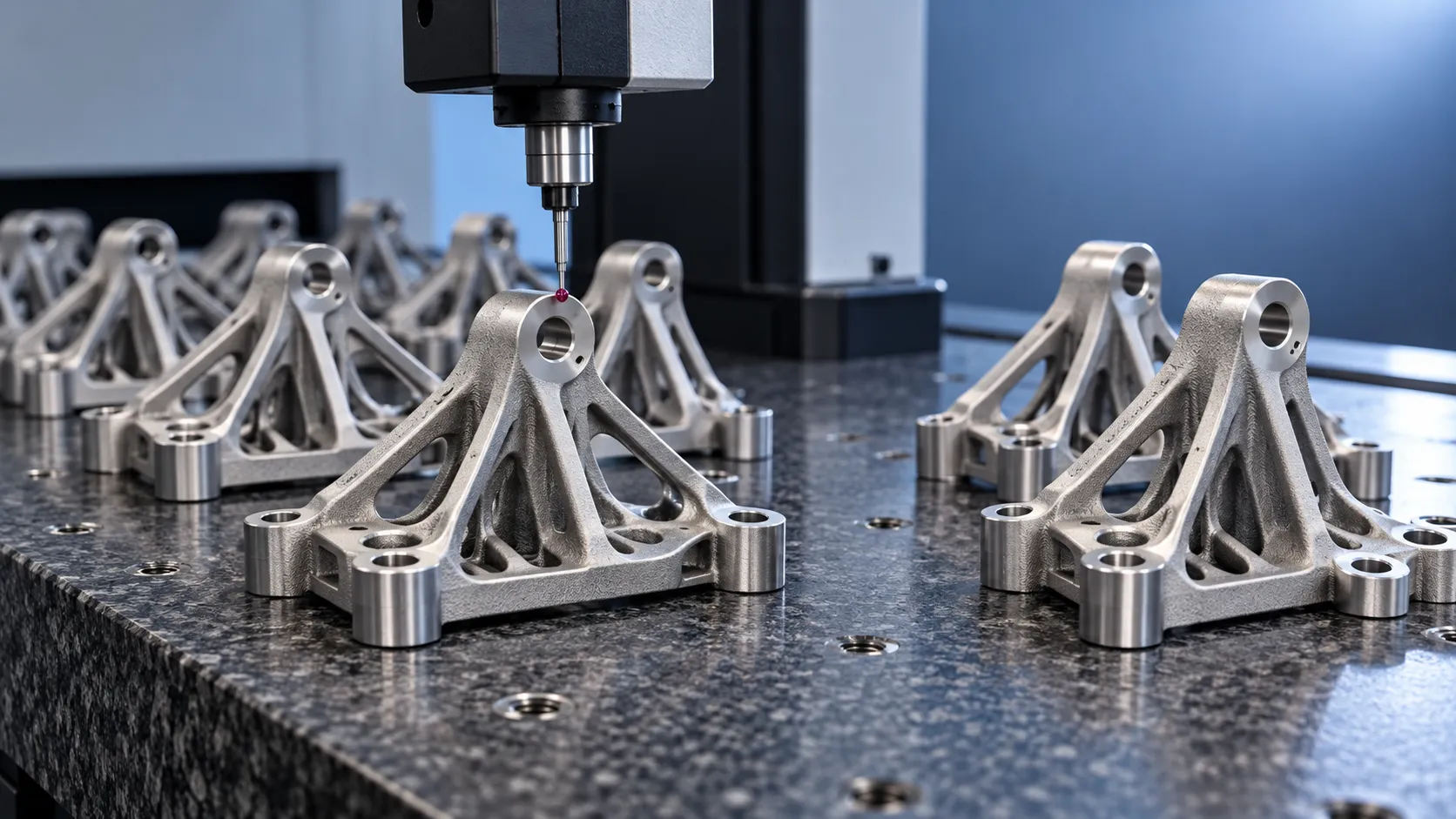
How to verify part consistency before choosing a 3D printing OEM
Choosing a 3D printing OEM? Learn how to verify part consistency with repeat-build trials, validated inspections, and traceability checks before committing to production.
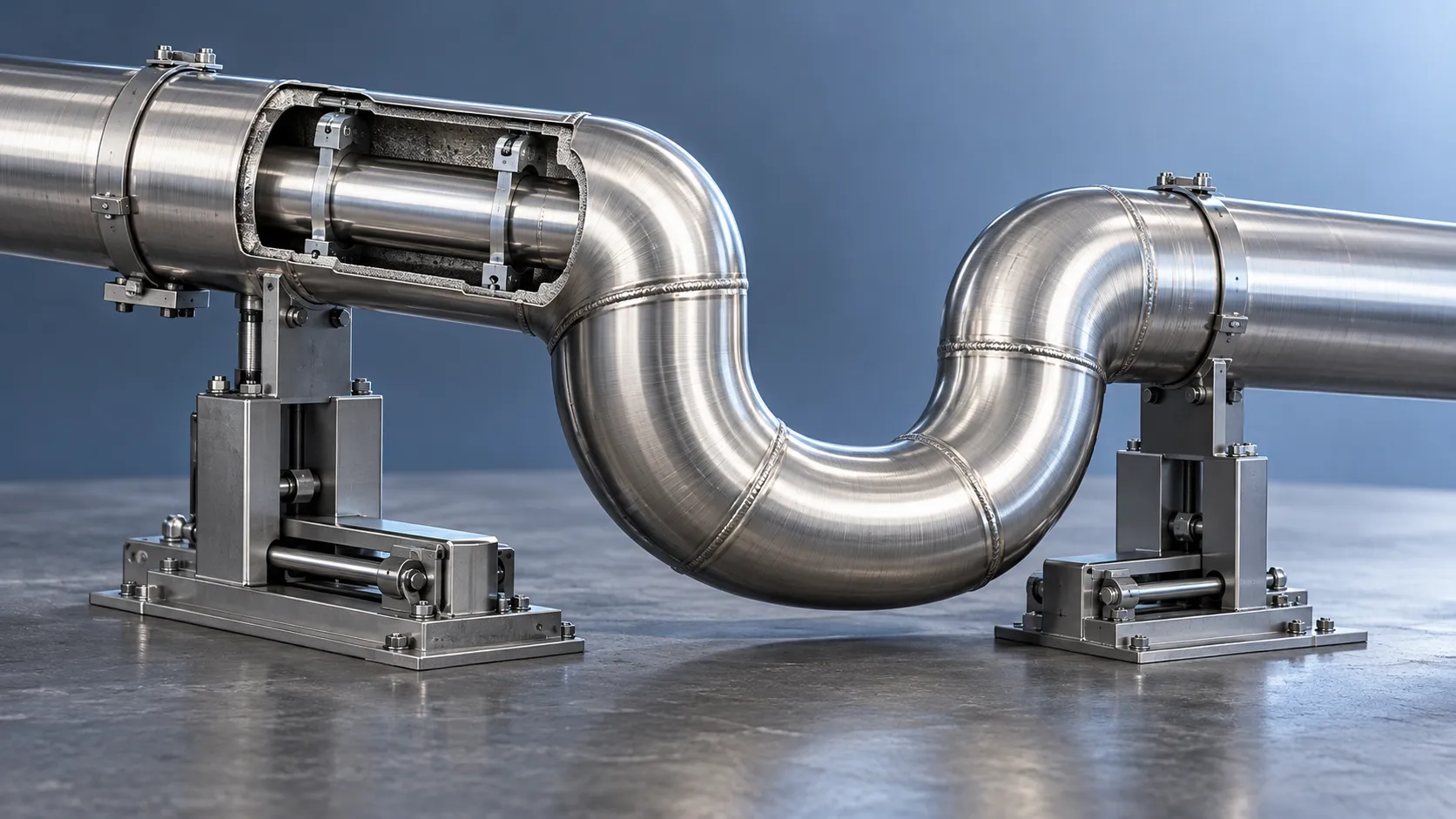
How does a rigid cryogenic transfer line handle thermal contraction?
Learn how a rigid cryogenic transfer line manages thermal contraction with bends, bellows, and guided supports. Discover key design checks for safe, reliable cryogenic performance.
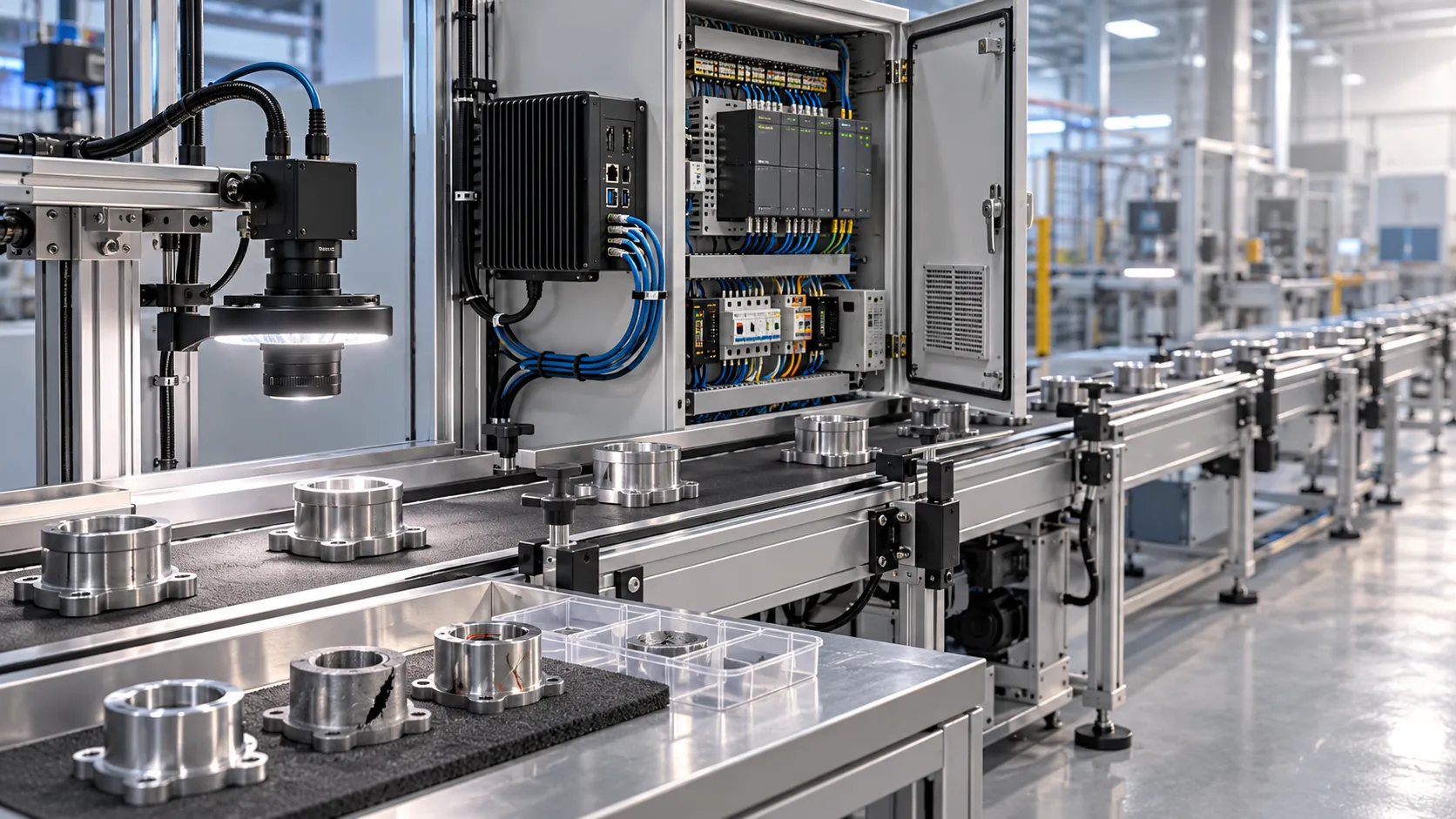
How much does edge vision deployment cost beyond the hardware?
Understand edge vision deployment cost beyond hardware, from data and integration to security and support. Uncover hidden expenses and build a smarter lifecycle budget before you scale.
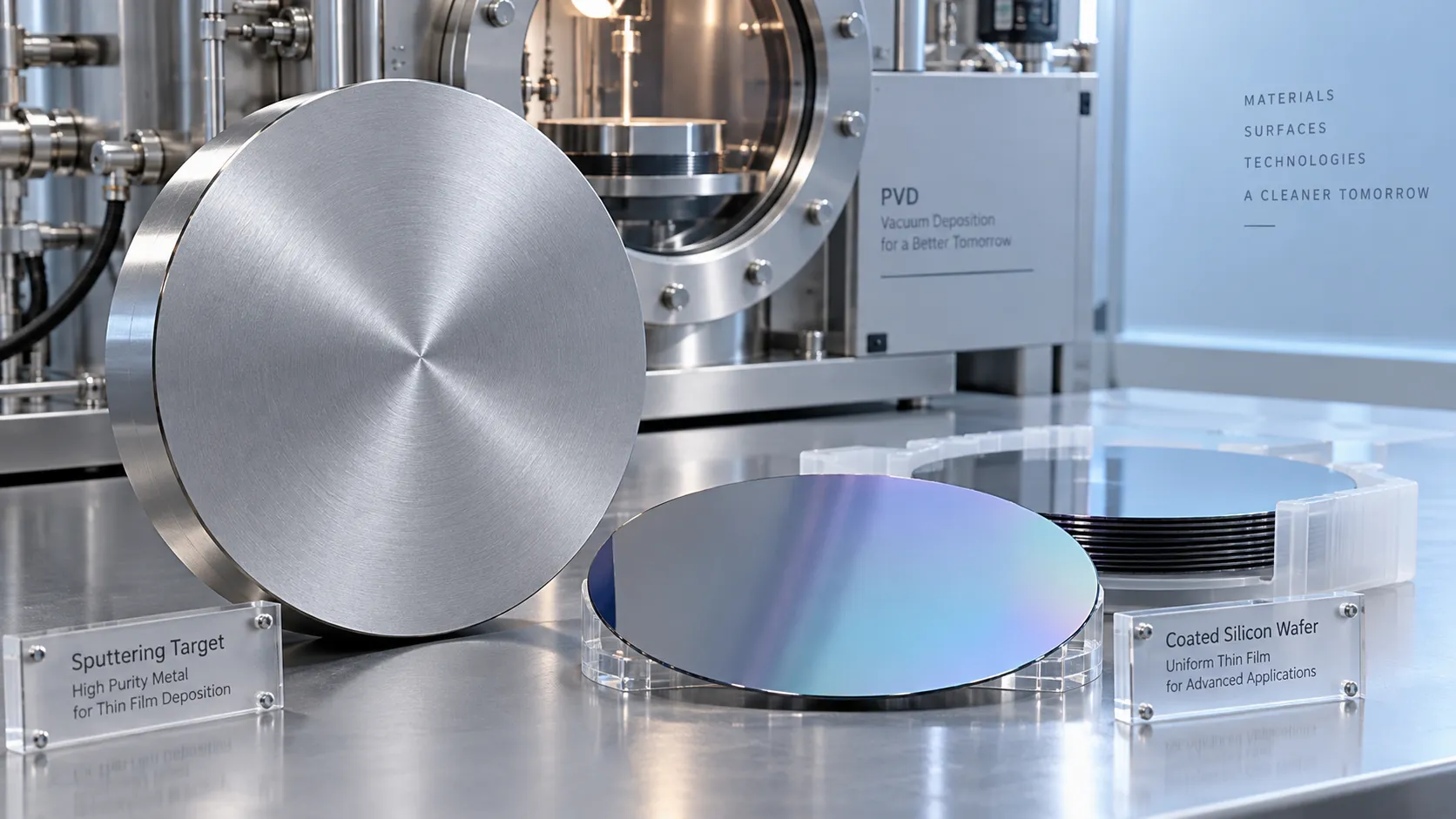
How does the purity of sputtering targets affect thin-film quality?
Discover how sputtering targets affect thin-film quality. Learn to assess purity, identify harmful impurities, and choose specifications that improve coating performance.
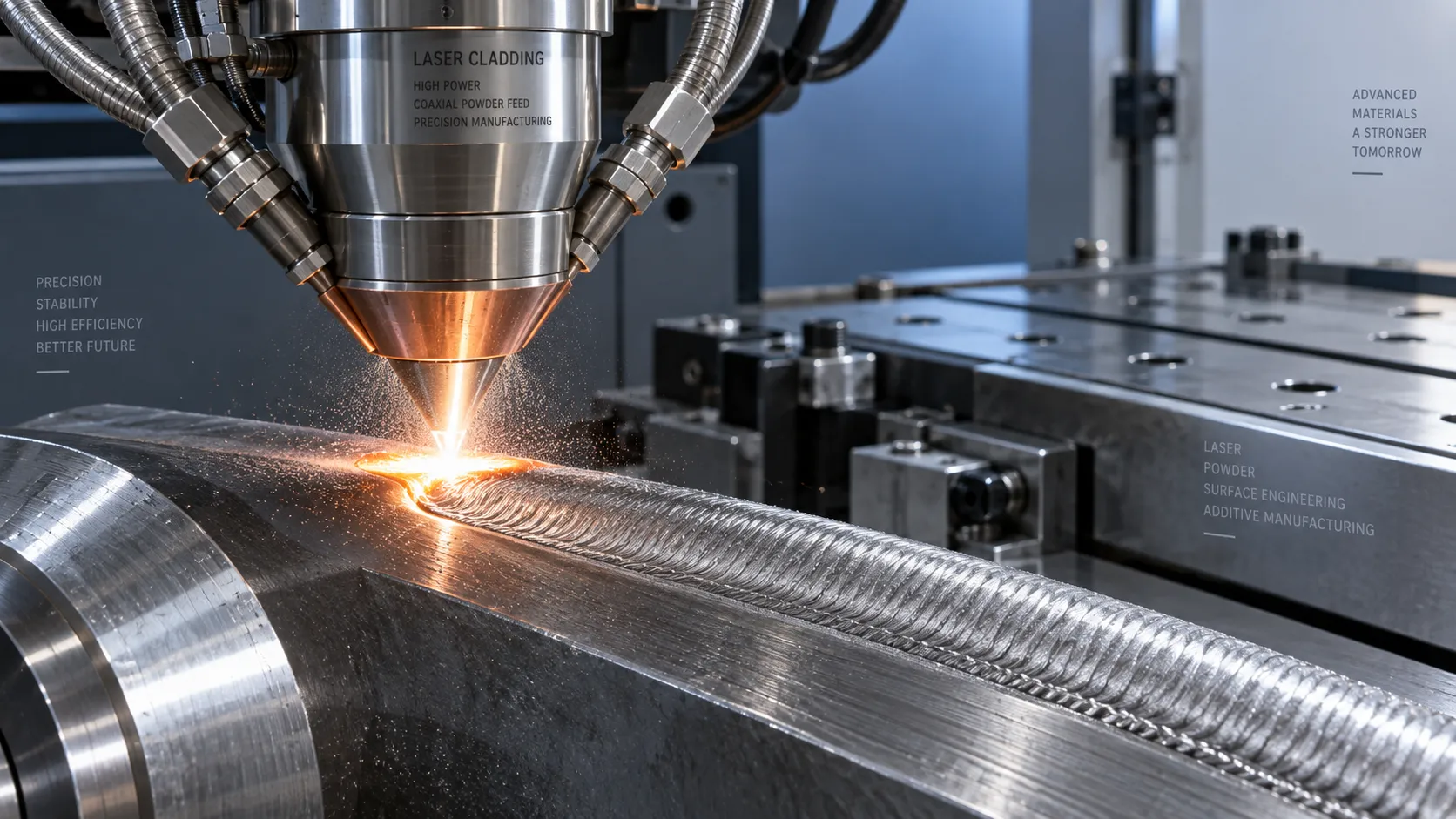
How high power laser cladding systems control substrate dilution
Discover how high power laser cladding systems control substrate dilution through beam shaping, material feed, and thermal management to deliver reliable bonds and coating performance.

How to check HS codes for customs compliance in international logistics
Strengthen international logistics customs compliance: learn how to verify HS codes, check official tariffs, and document classifications to reduce costly shipment delays.
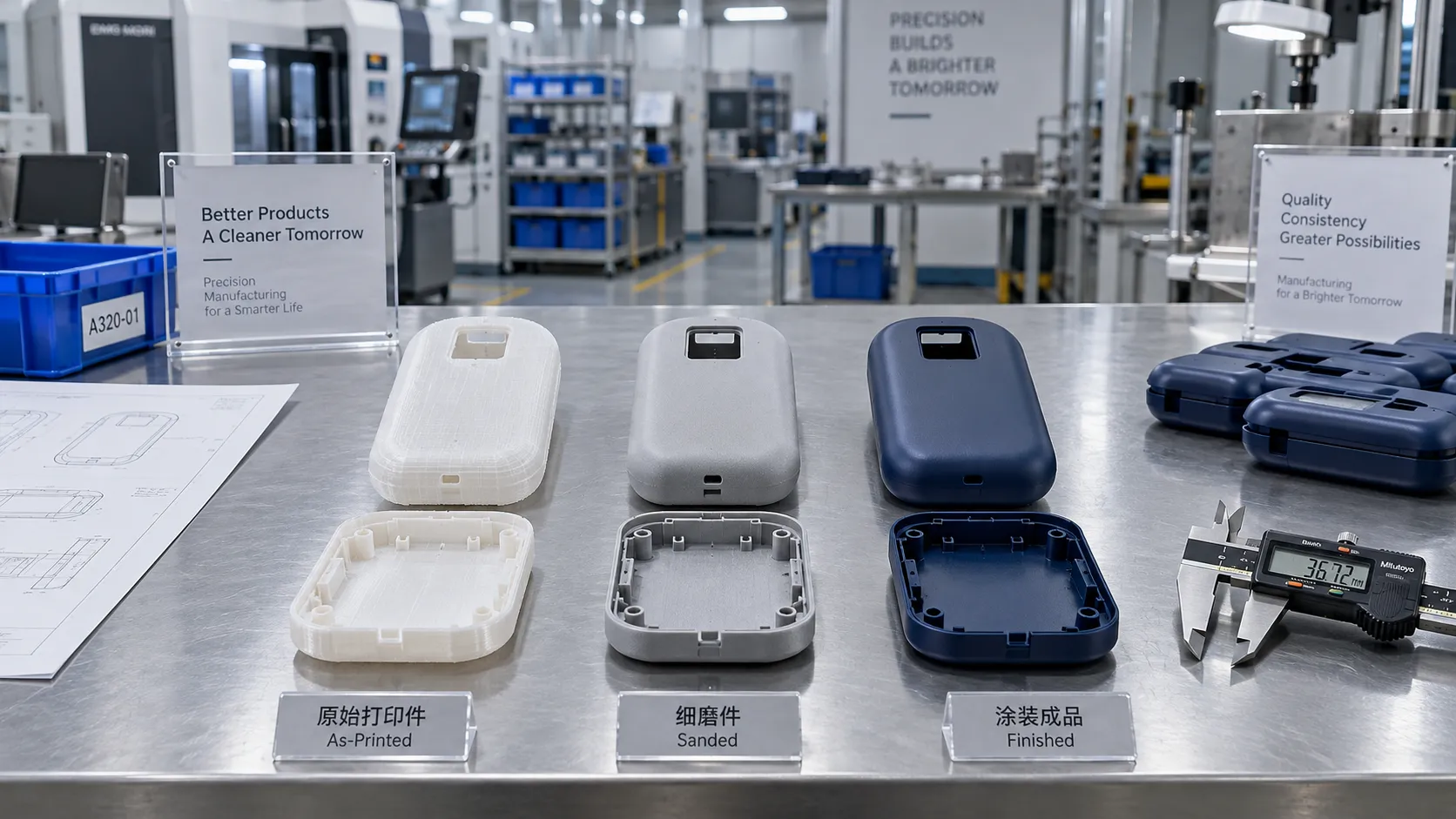
Choosing a 3D Printing Service for Consumer Products: Finish, Fit, and Cost
Compare 3d printing consumer good services by finish, fit, materials, and total cost. Learn how to choose a reliable supplier and avoid costly defects before ordering.
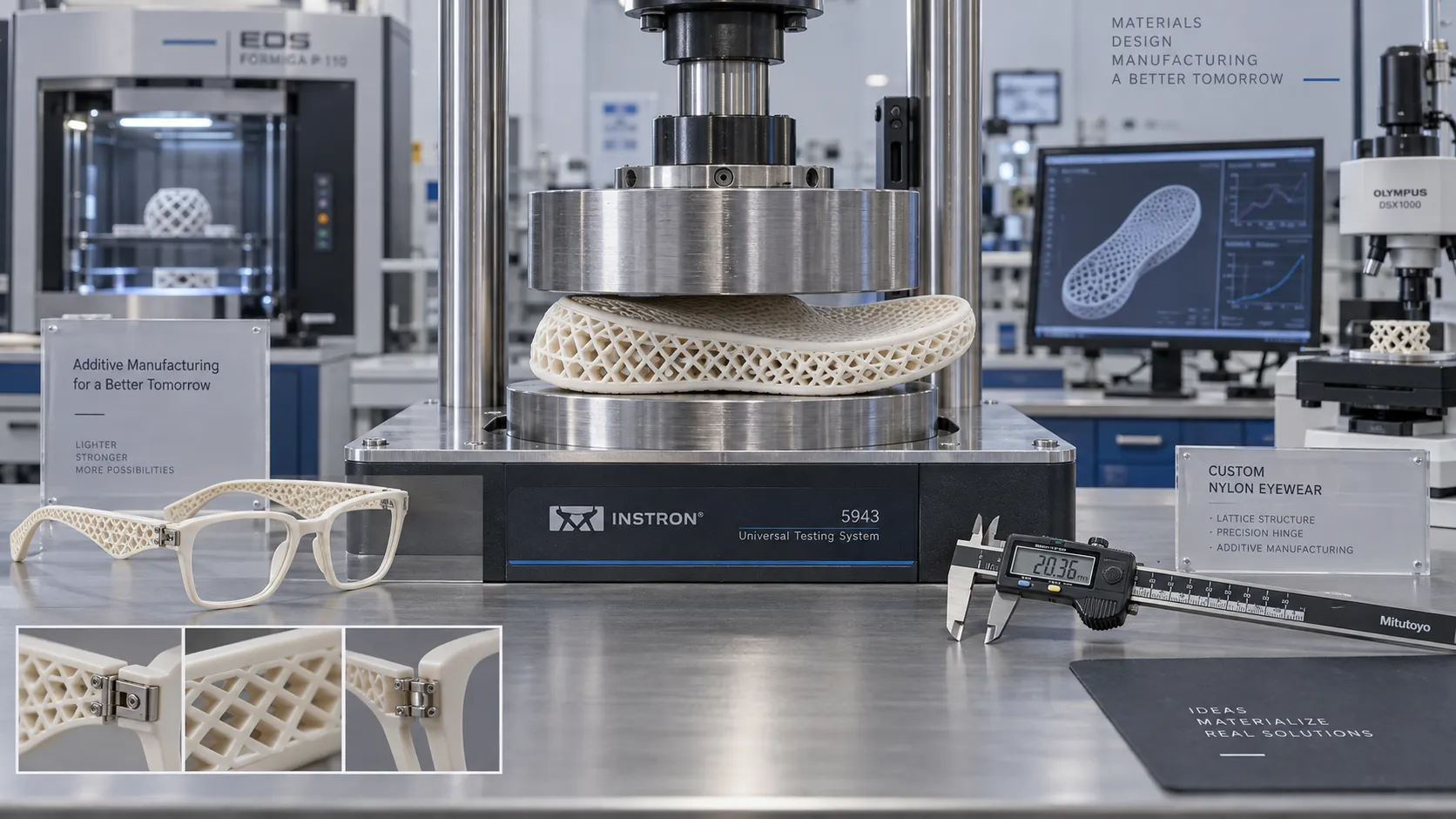
Which Consumer Goods Can Be 3D Printed, and What Are the Practical Limits?
Explore 3d printing consumer goods, from custom eyewear to replacement parts. Discover practical limits on materials, safety, and costs to make smarter production decisions.
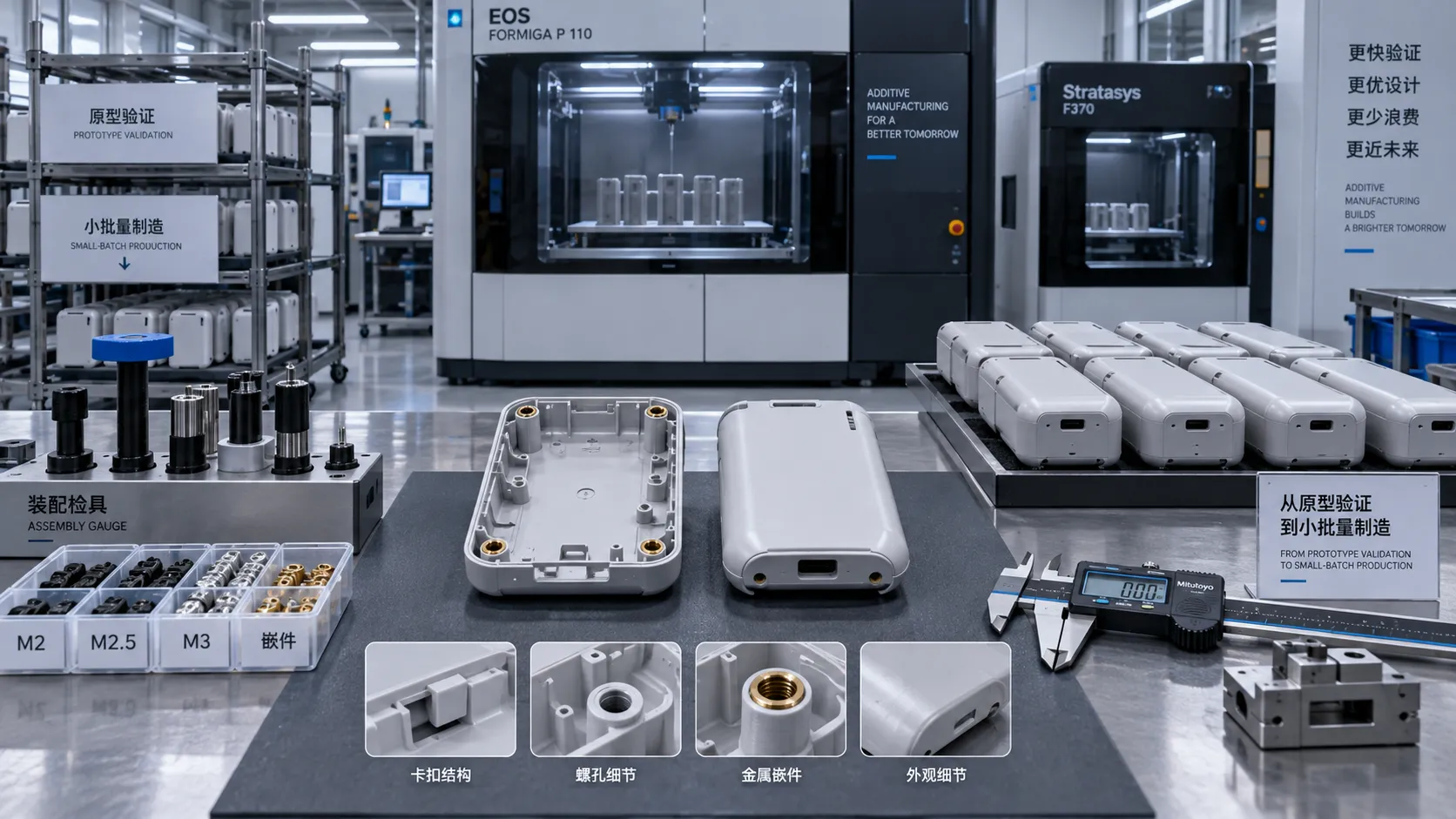
From Prototype to Small Batch: Applying 3D Printing to Consumer Goods
Explore 3d printing in consumer goods: learn how to move from prototype to small-batch production with practical guidance on materials, quality validation, and cost control.
Related News
- 00
0000-00
How to verify part consistency before choosing a 3D printing OEM - 00
0000-00
How does a rigid cryogenic transfer line handle thermal contraction? - 00
0000-00
How much does edge vision deployment cost beyond the hardware? - 00
0000-00
How does the purity of sputtering targets affect thin-film quality? - 00
0000-00
How high power laser cladding systems control substrate dilution
Dr. Hideo Tanaka
Weekly Insights
Stay ahead with our curated technology reports delivered every Monday.