
3D Printing Complex Geometries Without Creating Inspection Gaps

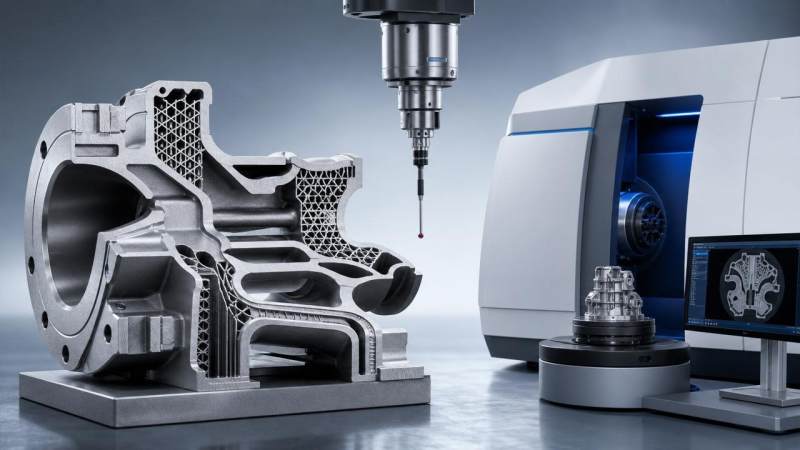
In 3D printing complex geometries, the real challenge is not only achieving design freedom but also preventing hidden inspection gaps that can compromise quality, traceability, and safety. For quality control and safety professionals, a robust strategy must align advanced additive manufacturing with inspection-ready design, validated process control, and reliable verification standards.
Why the discussion around inspection gaps is changing now
A few years ago, many industrial conversations about additive manufacturing focused on speed, lightweighting, and geometric freedom. Today, the conversation has shifted. As more sectors move from prototyping to certified production, 3D printing complex geometries is increasingly judged by a different question: can the part be inspected, documented, and released without blind spots? This change matters especially to quality control teams and safety managers, because internal channels, lattice structures, conformal cooling paths, support interfaces, and hidden fusion boundaries can all create inspection gaps that are difficult to detect after the build is complete.
The trend is visible across aerospace, energy, medical, electronics tooling, and advanced industrial equipment. Buyers are no longer impressed by shape complexity alone. They want process transparency, repeatable inspection logic, and evidence that critical features can be verified across batches. In practical terms, this means the market is moving from “design what can be printed” to “design what can be printed and inspected.” For organizations working in comprehensive industrial supply chains, that is a major operational shift.
The strongest signals behind this shift
Several changes are pushing inspection readiness to the center of 3D printing complex geometries. First, part complexity is rising faster than conventional verification workflows. Second, supply chain qualification requirements are becoming stricter, particularly where traceability, fatigue life, pressure integrity, or thermal performance are involved. Third, digital quality systems are maturing, allowing buyers to compare not just a supplier’s machine capacity but also its inspection discipline. Finally, non-destructive testing technologies and in-process monitoring tools are becoming more integrated, which raises expectations rather than lowering them.
This is not simply a tooling issue. It reflects a broader industrial direction: advanced manufacturing is being evaluated through risk containment. If a complex printed component cannot be reliably inspected, then the value of its design freedom can be offset by uncertainty in field performance, warranty exposure, or regulatory review. For safety-sensitive environments, uninspectable complexity is increasingly viewed as unmanaged risk.
Key trend drivers shaping inspection strategy
What is causing inspection gaps in complex printed parts
Inspection gaps do not appear only because a part is intricate. They emerge when design intent, process capability, and inspection accessibility are developed separately. In many organizations, engineering optimizes geometry for performance, manufacturing tunes build strategy for print success, and quality tries to verify the final output after decisions are already locked. That sequence creates hidden risk.
Common problem areas include enclosed passages that cannot be probed, rough internal surfaces that distort scan interpretation, support-removal zones that are visually inaccessible, and dimensional references that are lost after post-processing. Powder entrapment, porosity concentration, lack of fusion, distortion, and residual stress effects can also remain undetected if the inspection plan relies too heavily on external measurements. In 3D printing complex geometries, the most dangerous gap is often not a visible defect but a feature that nobody can verify with confidence.
Another important cause is the assumption that better equipment alone solves the issue. High-resolution CT, optical scanning, and in-situ melt pool monitoring are valuable, but they do not replace inspection-oriented design rules. If a feature is functionally critical yet inaccessible to practical verification, advanced tools may reduce uncertainty but not eliminate it. The trend in leading manufacturers is therefore to combine design-for-additive with design-for-inspection from the earliest review stage.
How the impact differs across industrial roles
The consequences of poor inspection readiness are not limited to the quality department. They cascade through procurement, operations, safety, and customer assurance. As 3D printing complex geometries becomes more common in industrial applications, each function must adapt its decision criteria.
The market is moving toward inspection-ready design
One of the clearest trends is the rise of inspection-ready design as a competitive advantage. In earlier additive projects, geometry freedom often dominated design decisions. Now, mature organizations are asking whether a feature is measurable, whether a defect mode can be screened, and whether post-processing will erase critical references. This change does not mean limiting innovation. It means building complexity that remains auditable.
For 3D printing complex geometries, inspection-ready design can include sacrificial witness features, scan access windows, datum strategies that survive finishing, channel geometries compatible with CT interpretation, and tolerance schemes based on actual process capability. It may also include explicit classification of features into externally measurable, internally measurable, indirectly inferable, or currently unverifiable categories. That classification helps quality and safety teams focus resources where residual risk is highest.
Why process validation is becoming more important than final inspection alone
Another major shift is the growing recognition that final inspection cannot carry the entire burden of quality assurance. In 3D printing complex geometries, some defects are easier to prevent than to detect after the fact. As a result, process validation, machine calibration discipline, powder control, parameter control, environmental monitoring, and post-processing verification are receiving more attention.
This is especially relevant for organizations managing safety-critical or reliability-sensitive components. If quality teams rely only on end-of-line checks, they may discover that certain internal defects remain ambiguous even after advanced scanning. The stronger trend is a layered quality model: validated input material, controlled build conditions, monitored production behavior, planned intermediate checks, and risk-based final verification. In this model, inspection gaps are reduced not only by better metrology but also by better process predictability.
A practical maturity path for reducing inspection gaps
What quality and safety professionals should watch next
Several signals deserve close attention over the next planning cycle. One is the integration of machine vision, process monitoring, and digital traceability into additive workflows. Another is stronger use of standards-based qualification language in supplier audits and customer contracts. A third is the expansion of hybrid quality strategies, where destructive testing, CT analysis, dimensional metrology, and process signatures are used together rather than in isolation.
Teams should also watch how customers define acceptable evidence. In some sectors, buyers are becoming less satisfied with generic claims such as “printed to specification” and more focused on whether critical internal conditions were actually assessed. That change affects sourcing, release criteria, and legal defensibility. For companies involved in 3D printing complex geometries, the quality record itself is becoming part of the product value proposition.
Recommended response strategy for industrial organizations
The most effective response is not to slow innovation, but to make inspection capability a design and sourcing requirement from the beginning. Organizations should define which geometries are functionally critical, which failure modes are unacceptable, and which verification methods can realistically provide evidence. That approach allows teams to distinguish between acceptable complexity and unmanaged complexity.
- Create a formal design-for-inspection checklist for additive parts before production approval.
- Link critical features to specific inspection methods, confidence limits, and retention records.
- Use supplier qualification criteria that cover process validation, metrology capability, and traceability maturity.
- Separate cosmetic complexity from safety-relevant complexity when defining acceptance plans.
- Review whether post-processing steps alter the ability to inspect or reconstruct feature conformity.
For many companies, this also means closer collaboration between additive engineers, machine vision specialists, NDT teams, and safety managers. The organizations that will lead in 3D printing complex geometries are unlikely to be those with the most dramatic designs alone. They will be the ones that can prove, consistently and efficiently, that complexity has not created inspection gaps.
Final judgment: complexity without verification is losing strategic value
The broader industrial direction is clear. The value of 3D printing complex geometries is no longer measured only by what can be built, but by what can be validated, released, and trusted in service. As procurement standards tighten and quality evidence becomes more central to supplier selection, inspection gaps will increasingly separate experimental additive programs from production-ready ones.
If an enterprise wants to judge how this trend affects its own business, it should confirm a few practical questions: Which part features are currently hard to verify? Which internal conditions rely on assumption instead of evidence? Which suppliers can connect design intent, process control, and inspection data in a defensible way? And which upcoming applications involve safety, pressure, fatigue, thermal transfer, or traceability demands that will make inspection-ready design essential? The answers to those questions will shape whether additive complexity becomes a reliable industrial advantage or a hidden quality liability.
Related News
How to verify part consistency before choosing a 3D printing OEM
Choosing a 3D printing OEM? Learn how to verify part consistency with repeat-build trials, validated inspections, and traceability checks before committing to production.
How does a rigid cryogenic transfer line handle thermal contraction?
Learn how a rigid cryogenic transfer line manages thermal contraction with bends, bellows, and guided supports. Discover key design checks for safe, reliable cryogenic performance.
How much does edge vision deployment cost beyond the hardware?
Understand edge vision deployment cost beyond hardware, from data and integration to security and support. Uncover hidden expenses and build a smarter lifecycle budget before you scale.
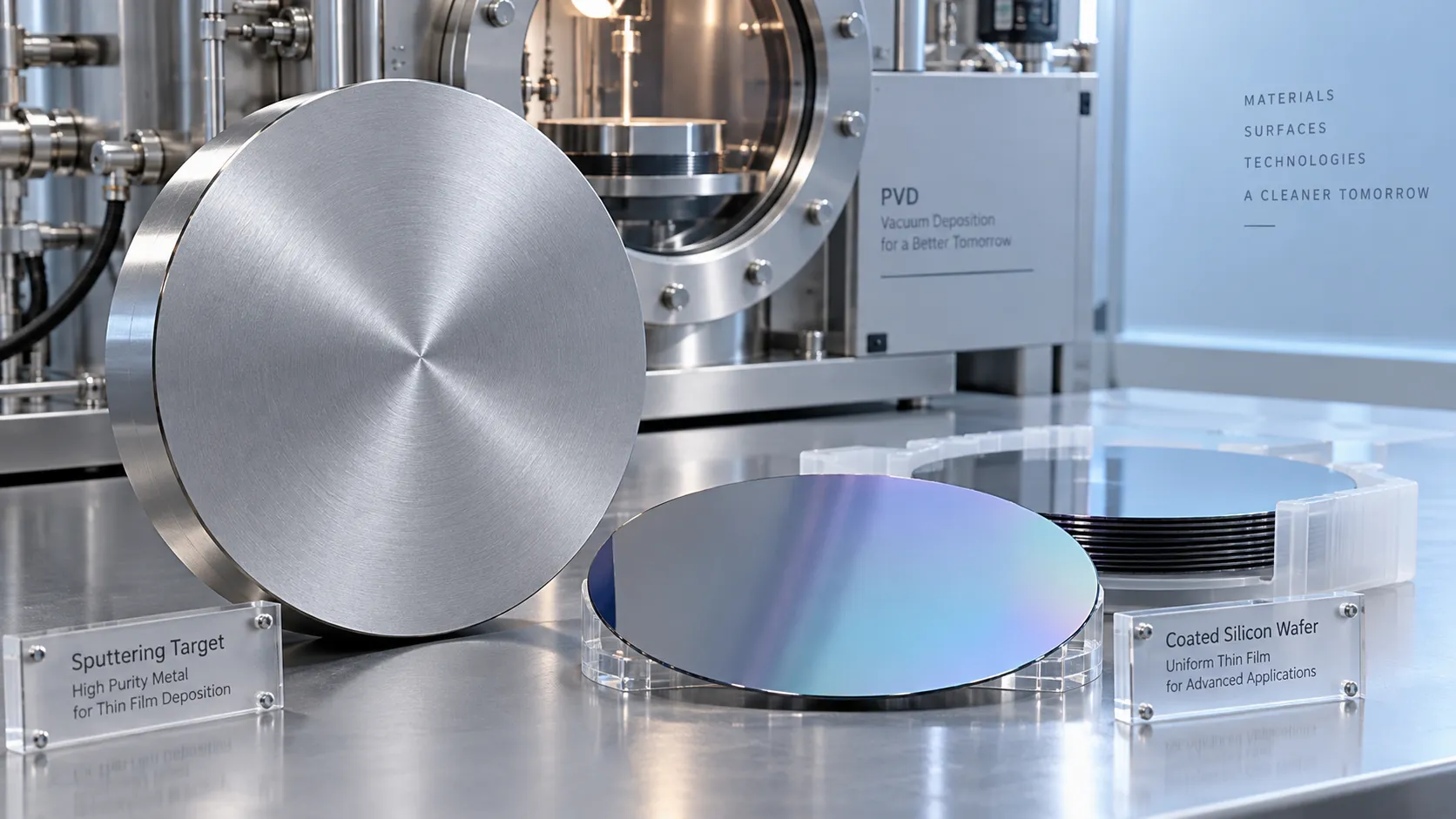
How does the purity of sputtering targets affect thin-film quality?
Discover how sputtering targets affect thin-film quality. Learn to assess purity, identify harmful impurities, and choose specifications that improve coating performance.
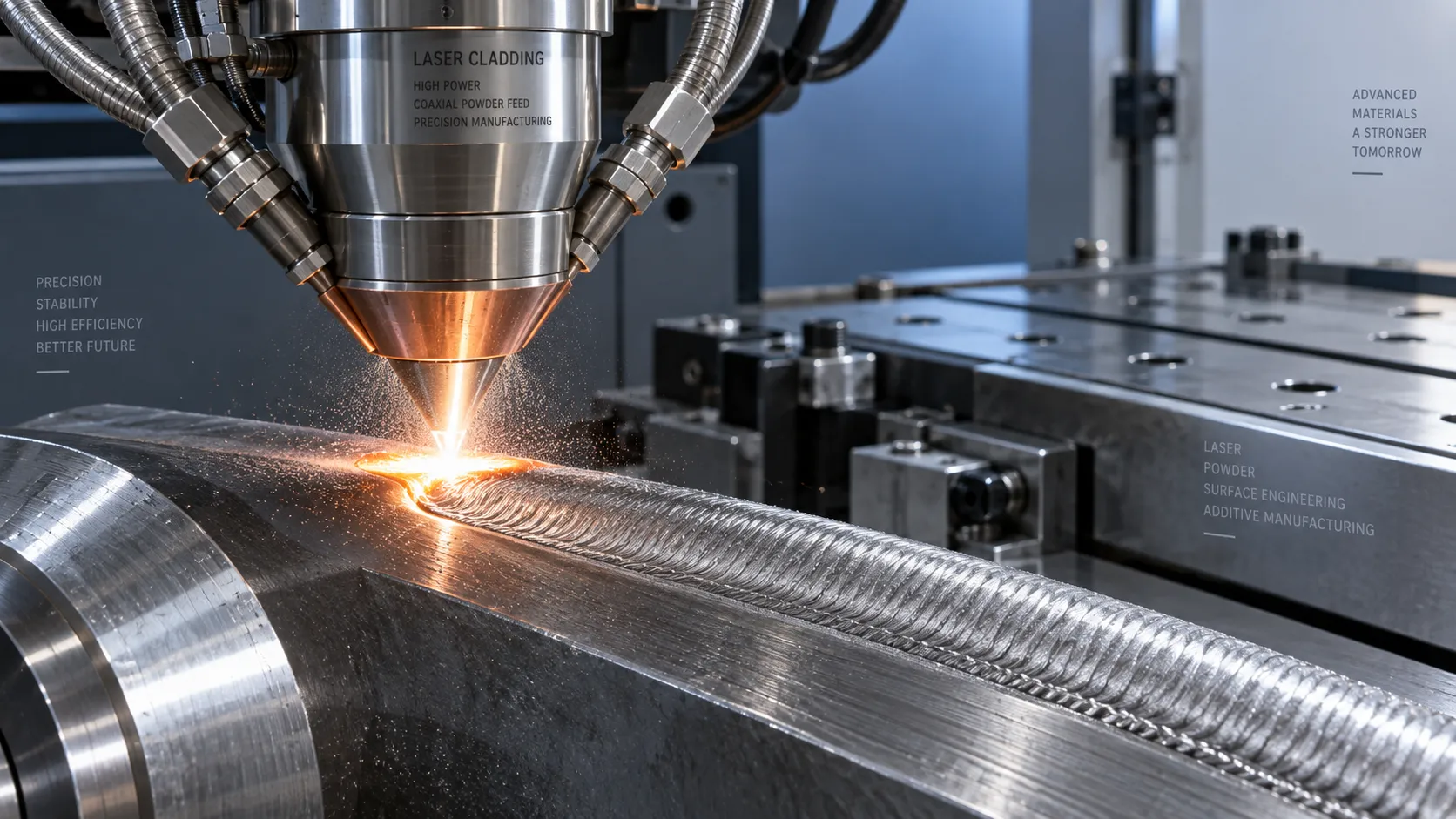
How high power laser cladding systems control substrate dilution
Discover how high power laser cladding systems control substrate dilution through beam shaping, material feed, and thermal management to deliver reliable bonds and coating performance.

How to check HS codes for customs compliance in international logistics
Strengthen international logistics customs compliance: learn how to verify HS codes, check official tariffs, and document classifications to reduce costly shipment delays.
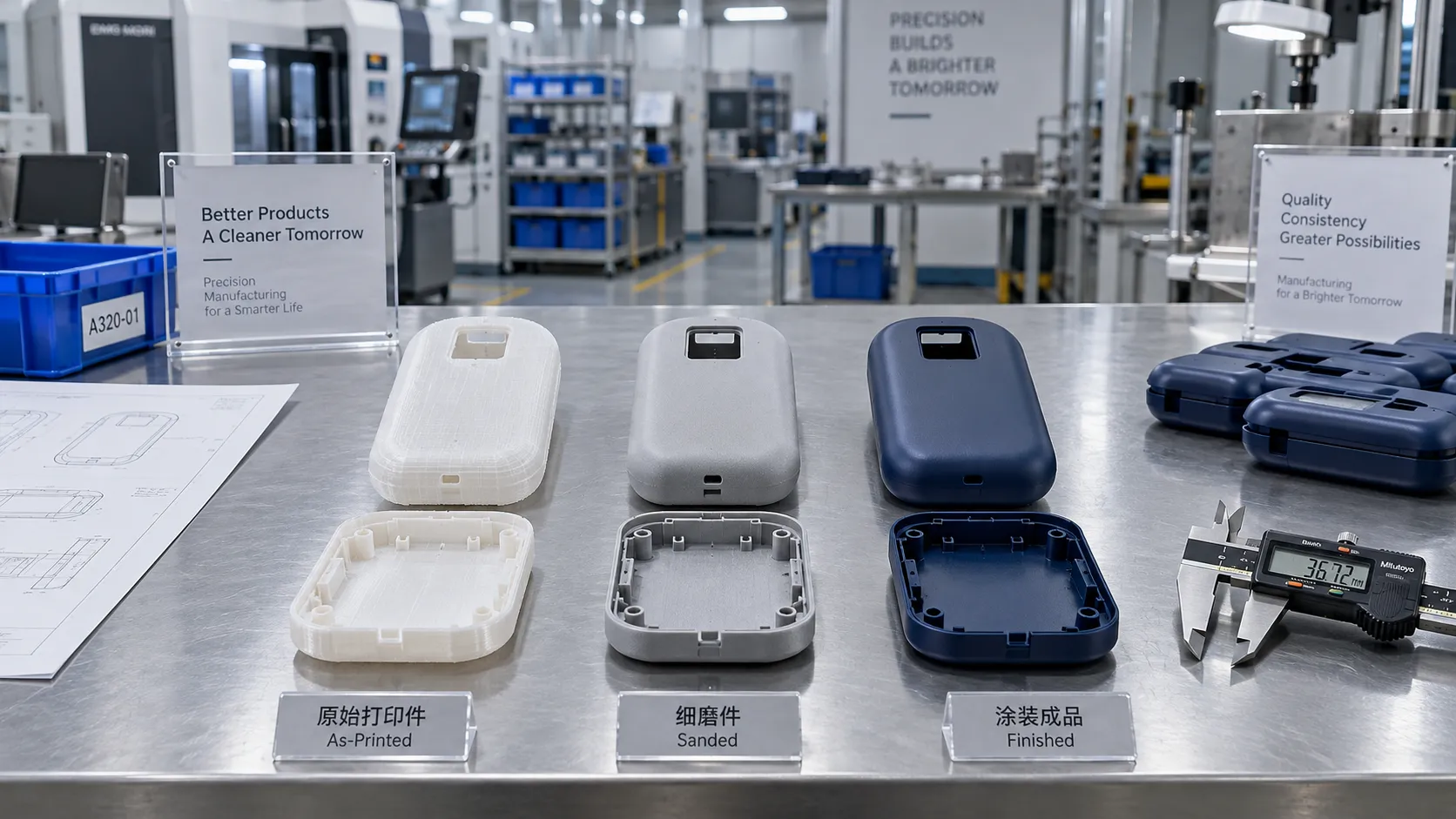
Choosing a 3D Printing Service for Consumer Products: Finish, Fit, and Cost
Compare 3d printing consumer good services by finish, fit, materials, and total cost. Learn how to choose a reliable supplier and avoid costly defects before ordering.
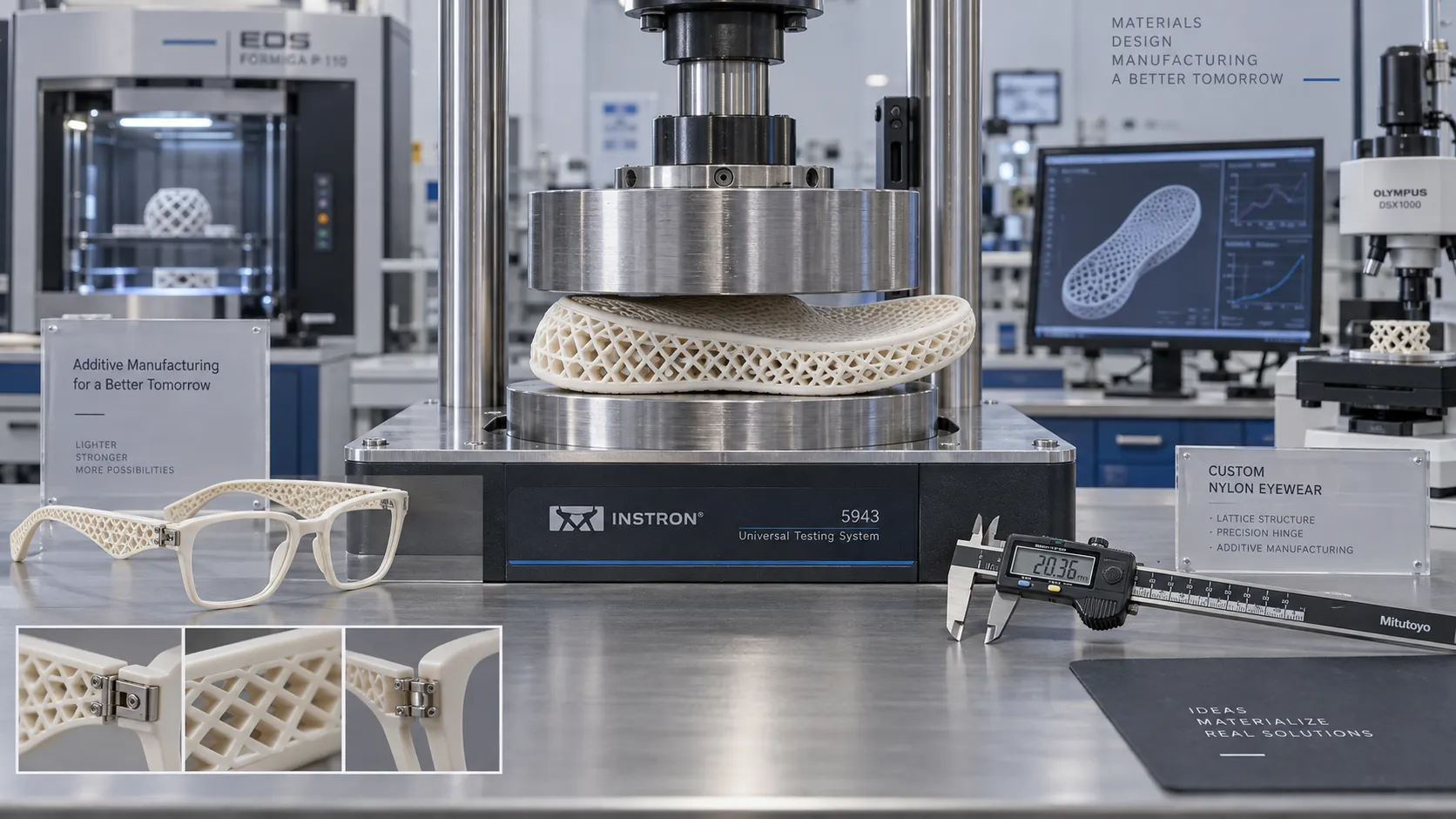
Which Consumer Goods Can Be 3D Printed, and What Are the Practical Limits?
Explore 3d printing consumer goods, from custom eyewear to replacement parts. Discover practical limits on materials, safety, and costs to make smarter production decisions.
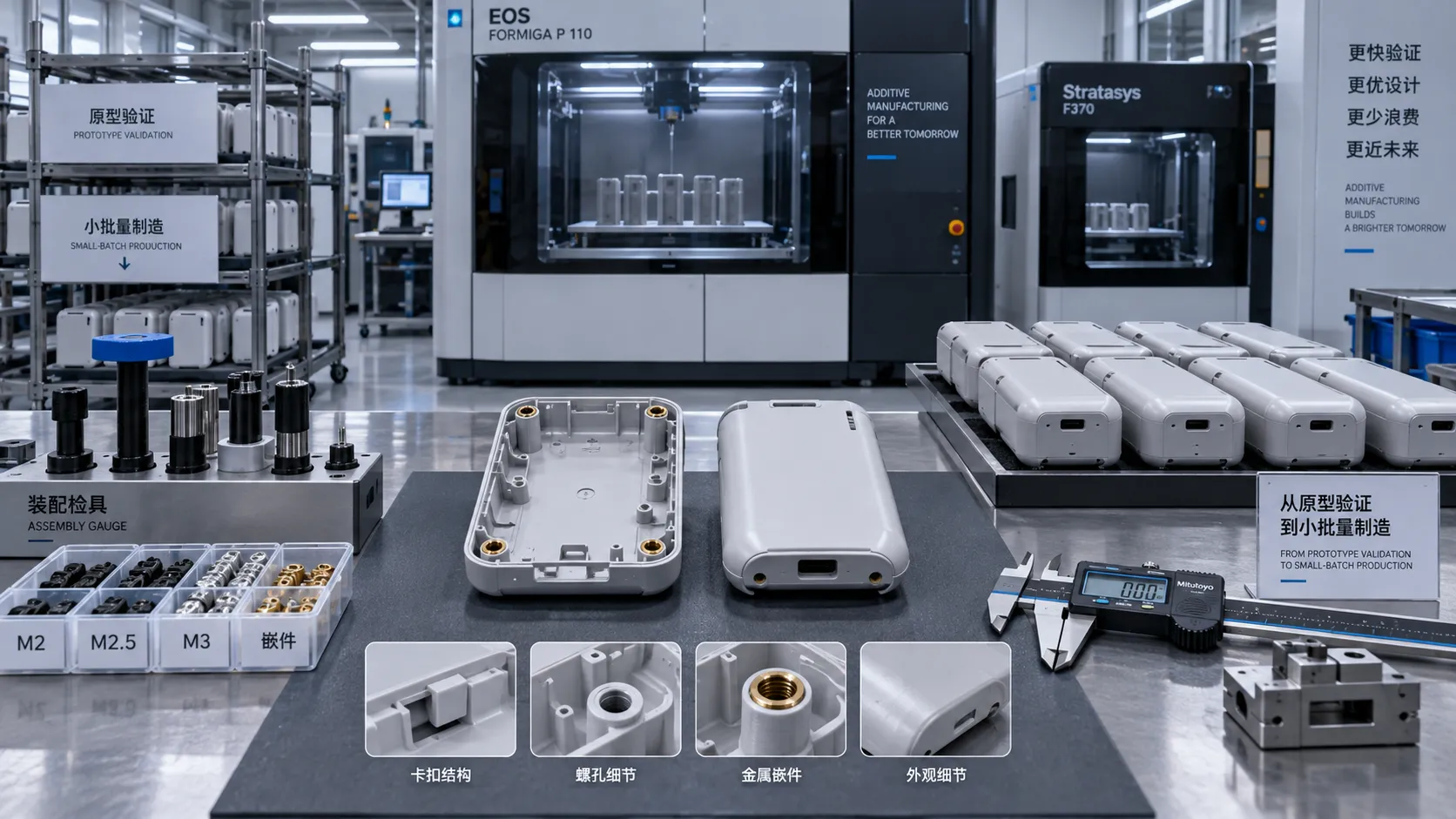
From Prototype to Small Batch: Applying 3D Printing to Consumer Goods
Explore 3d printing in consumer goods: learn how to move from prototype to small-batch production with practical guidance on materials, quality validation, and cost control.
Related News
- 00
0000-00
How to verify part consistency before choosing a 3D printing OEM - 00
0000-00
How does a rigid cryogenic transfer line handle thermal contraction? - 00
0000-00
How much does edge vision deployment cost beyond the hardware? - 00
0000-00
How does the purity of sputtering targets affect thin-film quality? - 00
0000-00
How high power laser cladding systems control substrate dilution
Dr. Victor Gear
Weekly Insights
Stay ahead with our curated technology reports delivered every Monday.