
Is laser cladding solving wear issues in mining faster

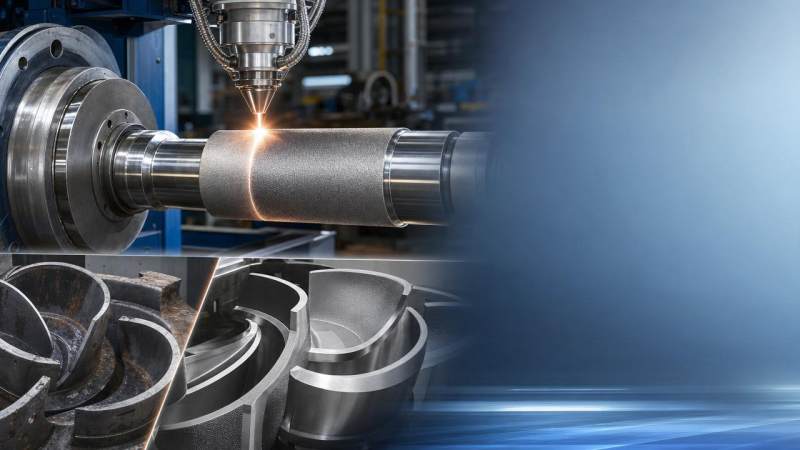
Downtime, abrasive wear, and replacement costs keep challenging mine operators under constant pressure to deliver output faster. In laser cladding in mining industry news, more project leaders are evaluating whether this repair and surface enhancement process can restore critical components quicker than traditional methods while extending service life. This article explores how laser cladding is being applied in mining, where it delivers measurable value, and what decision-makers should assess before implementation.
For most mining operations, the short answer is yes, laser cladding can solve certain wear issues faster. It is especially effective when the priority is reducing downtime on high-value components.
However, it is not a universal replacement for hardfacing, thermal spray, welding rebuilds, or full component replacement. Its speed advantage depends on part geometry, damage depth, alloy selection, logistics, and quality control.
For project managers and engineering leads, the key question is not whether laser cladding is advanced. The real question is where it delivers the best return, lowest operational disruption, and most predictable lifecycle performance.
What searchers really want to know about laser cladding in mining industry news
When professionals search this topic, they usually want a practical answer. They are not looking for a generic process description. They want to know whether laser cladding shortens repair cycles and lowers wear-related cost.
They also want to understand which mining components benefit most, how results compare with traditional methods, what implementation risks exist, and how to judge supplier capability before approving a project.
That is why the discussion should focus on repair turnaround, usable service-life extension, cost-per-hour of operation, metallurgical reliability, and fit with maintenance planning rather than broad technology hype.
Why mining projects are paying more attention to laser cladding now
Mining assets operate under severe abrasion, erosion, impact, and corrosion. Buckets, crusher parts, slurry pump components, shafts, rollers, and valve surfaces often fail not because the whole part is unusable, but because surface wear reaches critical limits.
Traditional repair routes can be slow or inconsistent. Conventional welding may introduce high heat input, wider heat-affected zones, distortion, dilution, and more post-machining. Full replacement can be reliable, but lead times and capital costs are often significant.
Laser cladding has gained attention because it applies a metallurgically bonded wear-resistant layer with tightly controlled heat input. That can reduce distortion, improve dimensional recovery, and shorten the path from worn component to redeployment.
Interest has also increased because mines are under greater pressure to extend asset life, localize maintenance, and improve resilience against supply chain delays. In that environment, repair speed matters almost as much as wear resistance.
Is laser cladding actually faster than traditional wear repair methods
In many cases, yes, but only when the entire repair workflow is considered. The laser deposition stage can be efficient, yet real project speed depends on inspection, preparation, fixturing, machining, heat treatment requirements, and final quality validation.
Laser cladding is often faster than replacing a critical part with a new one, especially when procurement lead time stretches into weeks or months. It can also be faster than multi-pass weld rebuilds on precision components requiring extensive rework.
Its strongest time advantage appears on expensive parts where only the surface is damaged. Instead of waiting for a new shaft, sleeve, roller, or sealing area, the site can restore the wear zone and return the part to service.
That said, laser cladding may not be faster for low-value consumables, heavily cracked structures, very large bulk rebuilds, or parts with damage too deep for economical restoration. In such cases, replacement or conventional rebuild methods may still win.
Where laser cladding delivers the most value in mining applications
High-value rotating and sealing components are often the best candidates. These include pump shafts, bearing seats, hydraulic rods, sleeves, rollers, valve elements, and crusher-related wear surfaces where dimensional accuracy matters.
Slurry handling equipment is another strong use case. Components exposed to abrasive particles and corrosive media can benefit from tailored cladding alloys designed to resist wear mechanisms that rapidly degrade standard materials.
Mining projects also evaluate laser cladding for drill equipment, conveyor components, and processing plant parts where repeated wear causes unplanned stoppages. Restoring those surfaces can be more economical than repeated replacement cycles.
The best opportunities usually share three characteristics: the base part is valuable, failure begins at the surface, and the restored area can materially improve uptime or maintenance intervals. Those are the decision triggers managers should prioritize.
How laser cladding compares with hardfacing, thermal spray, and replacement
Compared with conventional hardfacing, laser cladding usually offers lower dilution, more precise deposition, and reduced thermal distortion. This is important when maintaining tolerances, preserving substrate properties, or minimizing downstream machining time.
Compared with thermal spray, laser cladding typically provides stronger metallurgical bonding. Thermal spray remains useful in many situations, but cladding can be preferred when bond strength, impact resistance, or thicker restored layers are required.
Compared with full replacement, laser cladding often reduces material cost and procurement delay. This matters most when the original component is large, expensive, difficult to source, or linked to an equipment bottleneck in production.
Still, each method has a proper place. A sound maintenance strategy does not treat laser cladding as a default. It treats it as one option in a repair engineering toolbox selected by wear mode, part value, and operational urgency.
What project managers should evaluate before approving laser cladding
The first consideration is wear mechanism. Abrasion, erosion, corrosion, galling, and impact do not respond equally to the same alloy system. A good supplier should connect failure analysis to material selection, not simply offer a standard coating.
The second is component economics. Ask whether the repair cost is justified relative to replacement cost, expected life extension, and production value protected by reduced downtime. This is the core business case, not the process headline.
Third, examine geometry and accessibility. Complex shapes, internal surfaces, thin-wall sections, or highly stressed zones may limit process suitability. A technically honest vendor will identify where deposition quality or machining access becomes difficult.
Fourth, request evidence of process consistency. This includes procedure qualification, substrate compatibility, hardness profile, dilution control, bond integrity, crack inspection, dimensional tolerances, and post-repair performance data from relevant applications.
Finally, consider logistics. The fastest repair method in theory can still fail in practice if transport, queue time, or outsourced machining erase the schedule benefit. Turnaround commitments should be reviewed as a full chain, not a single process step.
What measurable benefits can mining operations realistically expect
The most immediate benefit is shorter downtime on selected critical parts. If a mine can restore rather than replace a component, the maintenance window may shrink and spare inventory pressure may decline.
The second major benefit is service-life extension. Properly selected cladding materials can significantly outperform original surfaces in abrasive or corrosive environments. That can reduce failure frequency and smooth maintenance planning.
The third benefit is lower total ownership cost. Even when the initial repair cost is not low, the economics often improve through reduced replacement purchases, less emergency procurement, and better asset utilization over time.
There may also be sustainability and supply-chain advantages. Repairing high-value components instead of scrapping them can reduce material waste and dependence on long international supply routes, both of which matter in modern industrial procurement.
What risks or limitations should not be ignored
Laser cladding is not risk free. Poor parameter control can cause cracking, porosity, insufficient bonding, or undesirable microstructures. These problems may not be obvious until the part re-enters service and fails prematurely.
Material mismatch is another common issue. A very hard layer may resist abrasion well but perform poorly under impact. Likewise, corrosion resistance alone does not guarantee success in particle-laden slurry environments.
There is also a qualification risk. Some suppliers market laser capability without sufficient mining-specific experience. A polished machine specification does not guarantee repair engineering competence, process discipline, or repeatable field performance.
Project leaders should also remember that not every worn part should be saved. If the substrate is deeply fatigued, cracked, or structurally compromised, surface restoration may only postpone a larger failure.
How to decide if laser cladding is the right fit for your site
Start by identifying parts that repeatedly drive downtime, high replacement spending, or difficult sourcing. Rank them by operational criticality, wear frequency, and replacement lead time. This creates a realistic shortlist for evaluation.
Next, gather failure data. Include wear patterns, operating conditions, previous repair history, and average life in service. Without this baseline, it is impossible to judge whether laser cladding improves performance or only shifts cost elsewhere.
Then request a pilot on one or two representative components. The pilot should measure turnaround time, restored dimensional quality, service-life gain, and total cost against the current maintenance method.
Finally, build the decision around outcome metrics. For a mining project manager, the winning method is the one that reduces total disruption and improves lifecycle value, not the one with the most advanced label.
Questions to ask a laser cladding supplier before moving forward
Ask which mining components they have repaired successfully and under what wear conditions. Case evidence from oil and gas or general manufacturing may not fully translate to ore handling, slurry transport, or crusher duty.
Ask how they select alloys, verify bond quality, and control heat input. You should also ask what nondestructive testing, hardness mapping, machining tolerance control, and final inspection steps are included in the process.
Request expected turnaround ranges, not ideal best-case promises. Clarify whether preparation, machining, subcontracting, and logistics are handled in-house or by external partners, because those details strongly affect schedule reliability.
Most importantly, ask how success will be measured after installation. A serious industrial partner should be willing to define service-life targets, failure criteria, and feedback loops that support continuous improvement.
Final assessment: is laser cladding solving wear issues in mining faster
For many high-value mining components, yes, laser cladding is solving wear issues faster than traditional alternatives. Its real advantage is not just deposition speed, but the ability to restore critical surfaces with less distortion and less replacement delay.
Its value is strongest where wear is surface-driven, downtime is expensive, and component replacement is slow or costly. In those scenarios, laser cladding can improve maintenance responsiveness while extending part life in service.
But it should be adopted selectively, not broadly by assumption. The best decisions come from comparing wear mode, repair scope, supplier capability, and lifecycle economics against available alternatives.
For project managers tracking laser cladding in mining industry news, the practical takeaway is clear: this technology is increasingly valuable, but only when tied to disciplined application selection and measurable performance outcomes.
Related News
How to verify part consistency before choosing a 3D printing OEM
Choosing a 3D printing OEM? Learn how to verify part consistency with repeat-build trials, validated inspections, and traceability checks before committing to production.
How does a rigid cryogenic transfer line handle thermal contraction?
Learn how a rigid cryogenic transfer line manages thermal contraction with bends, bellows, and guided supports. Discover key design checks for safe, reliable cryogenic performance.
How much does edge vision deployment cost beyond the hardware?
Understand edge vision deployment cost beyond hardware, from data and integration to security and support. Uncover hidden expenses and build a smarter lifecycle budget before you scale.
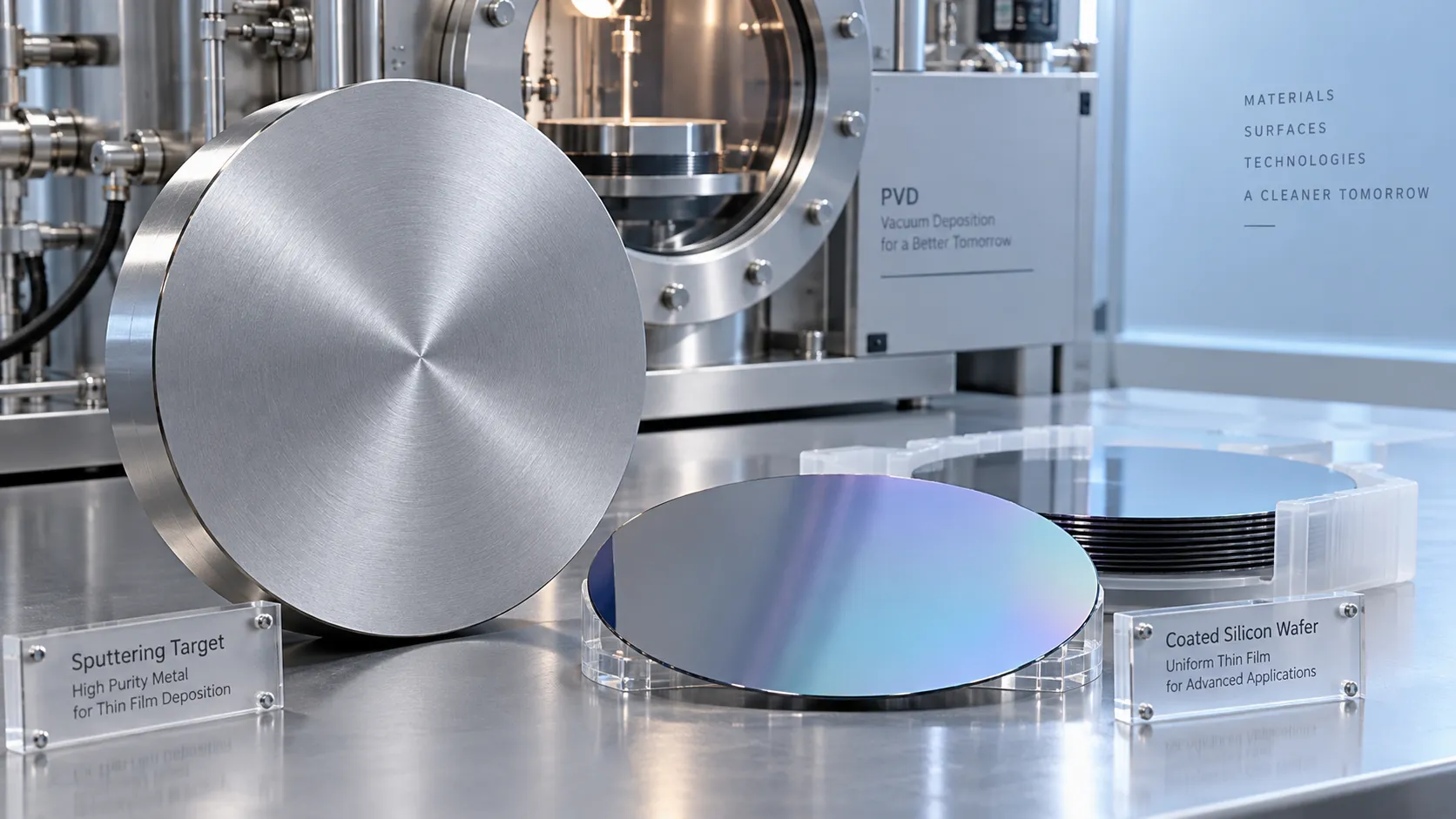
How does the purity of sputtering targets affect thin-film quality?
Discover how sputtering targets affect thin-film quality. Learn to assess purity, identify harmful impurities, and choose specifications that improve coating performance.
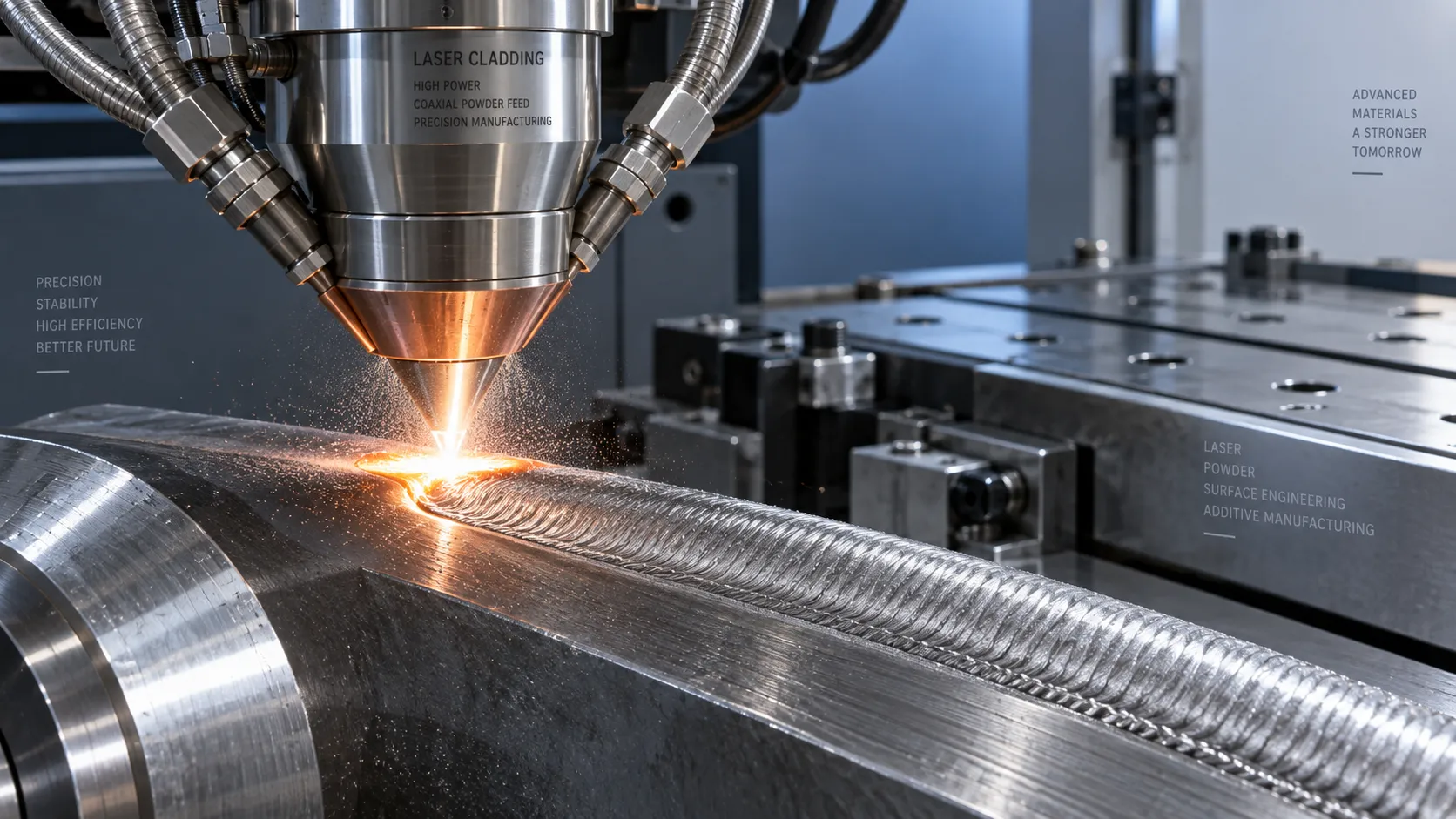
How high power laser cladding systems control substrate dilution
Discover how high power laser cladding systems control substrate dilution through beam shaping, material feed, and thermal management to deliver reliable bonds and coating performance.
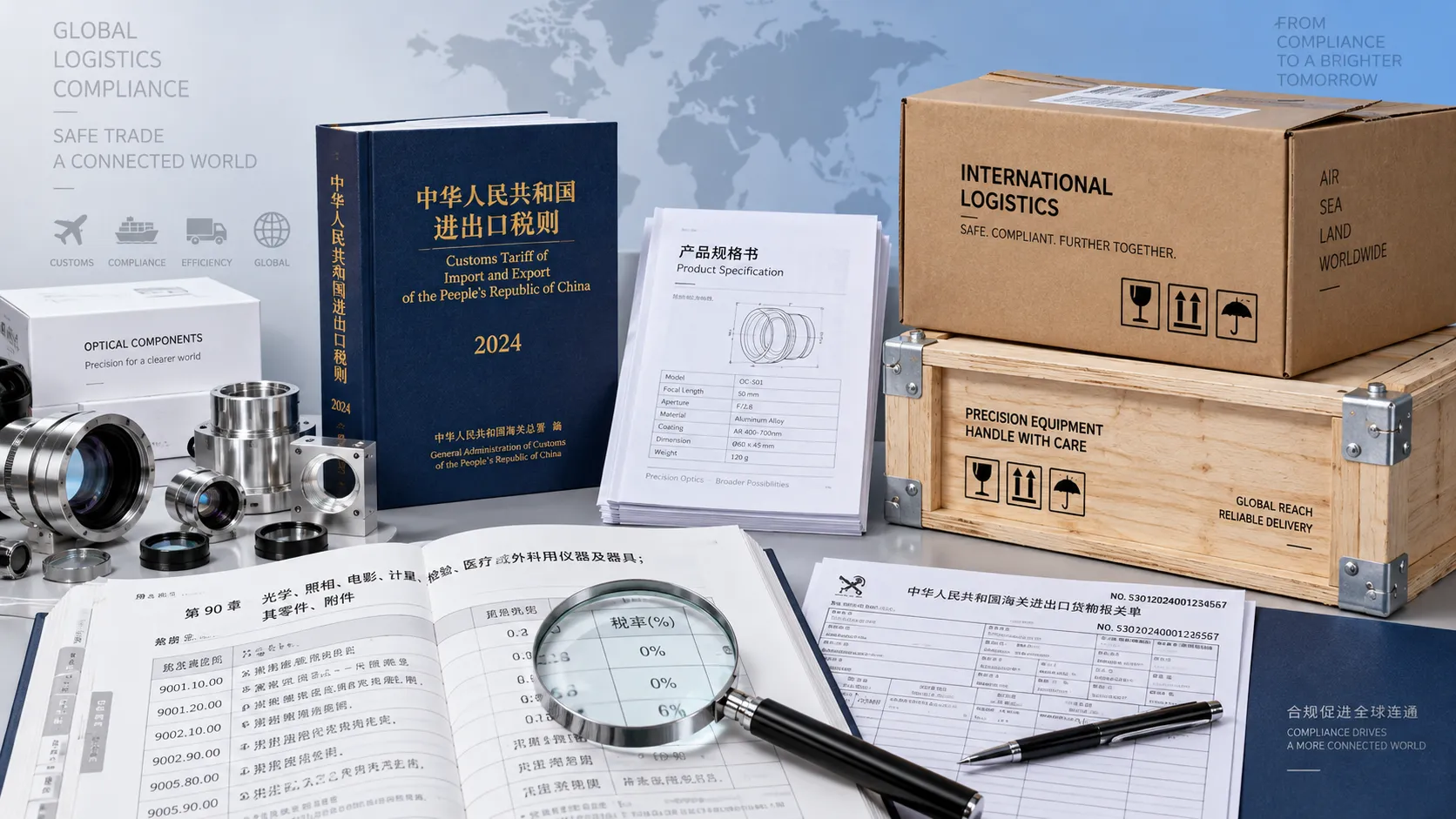
How to check HS codes for customs compliance in international logistics
Strengthen international logistics customs compliance: learn how to verify HS codes, check official tariffs, and document classifications to reduce costly shipment delays.
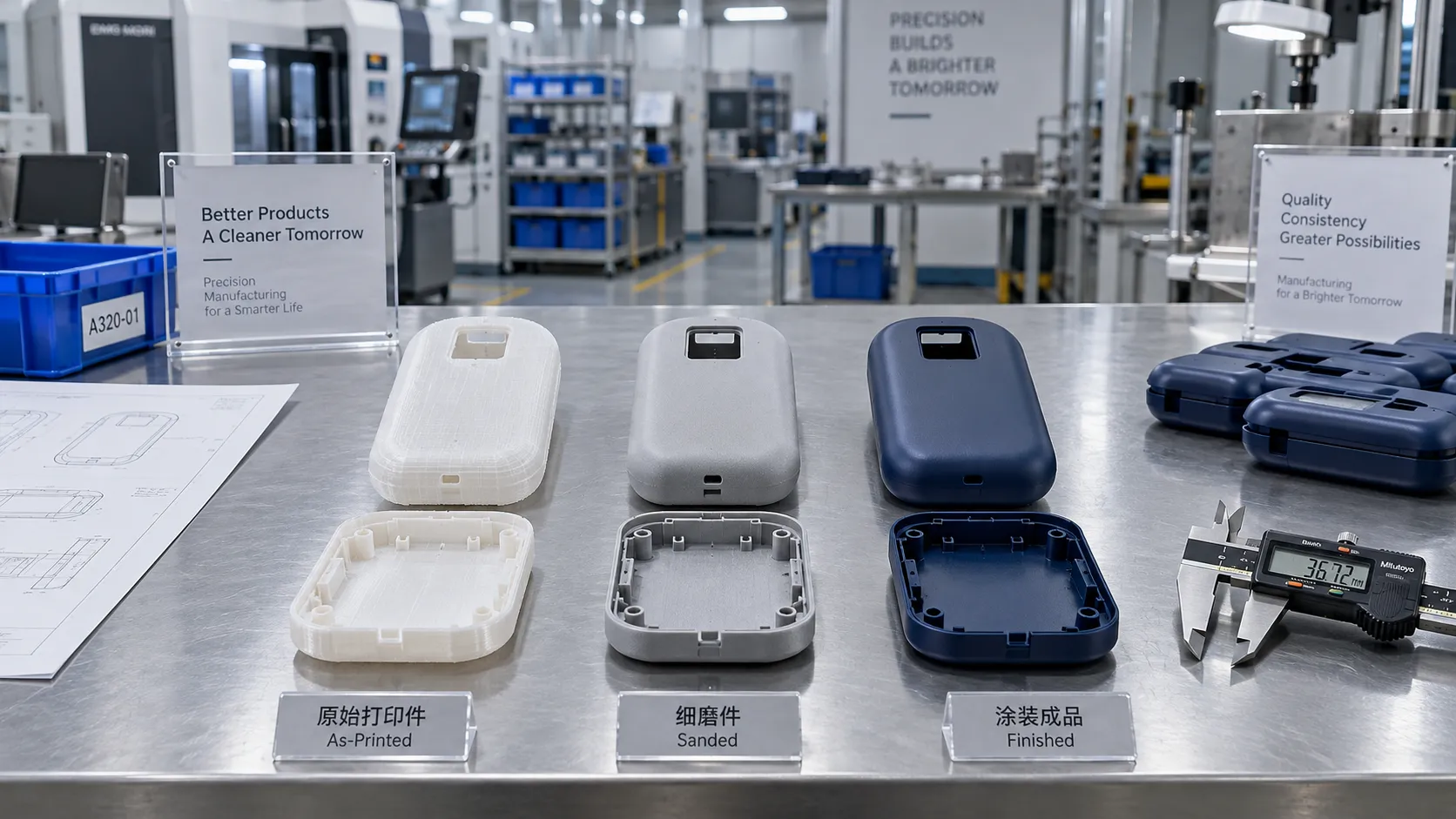
Choosing a 3D Printing Service for Consumer Products: Finish, Fit, and Cost
Compare 3d printing consumer good services by finish, fit, materials, and total cost. Learn how to choose a reliable supplier and avoid costly defects before ordering.
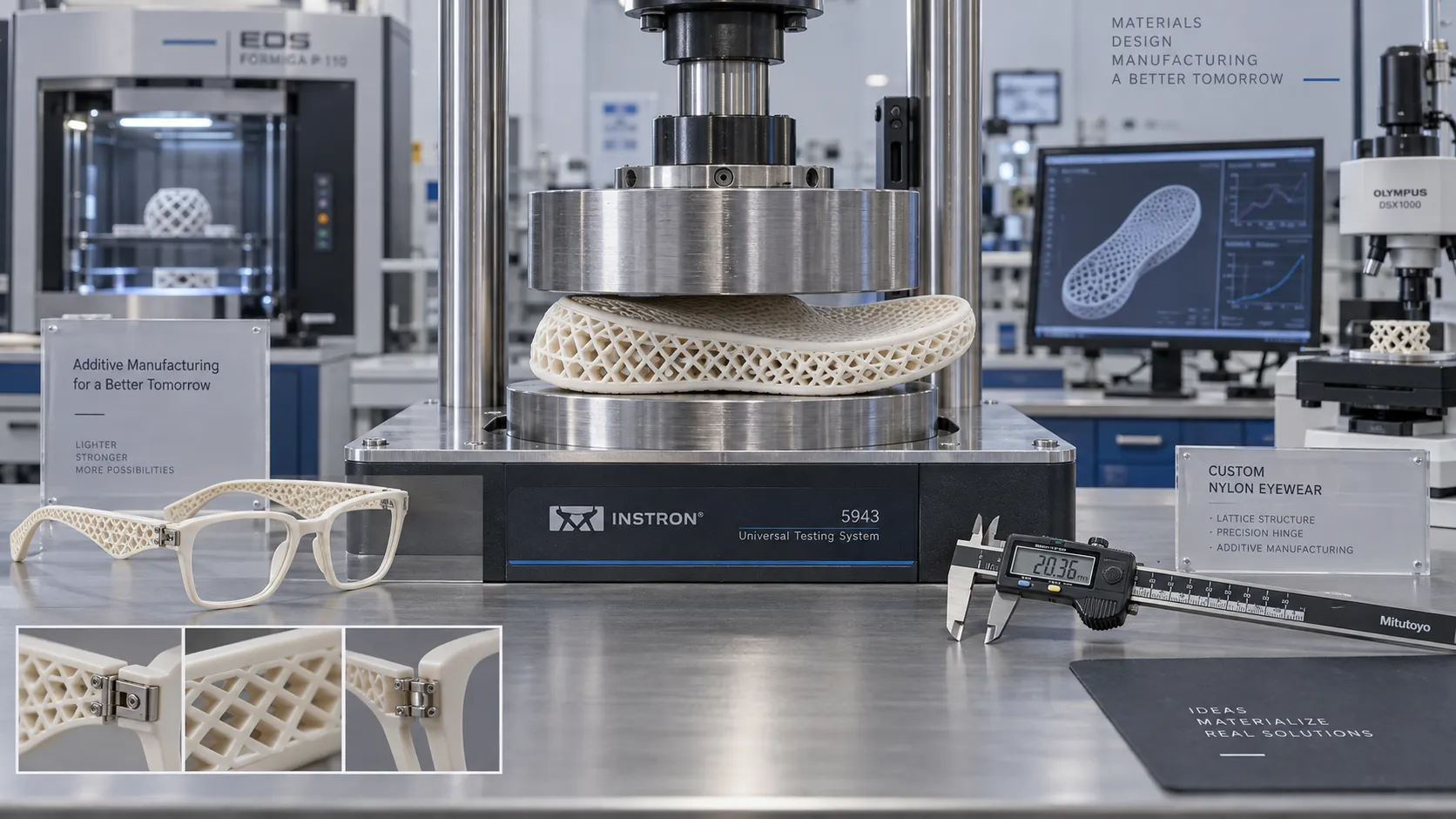
Which Consumer Goods Can Be 3D Printed, and What Are the Practical Limits?
Explore 3d printing consumer goods, from custom eyewear to replacement parts. Discover practical limits on materials, safety, and costs to make smarter production decisions.
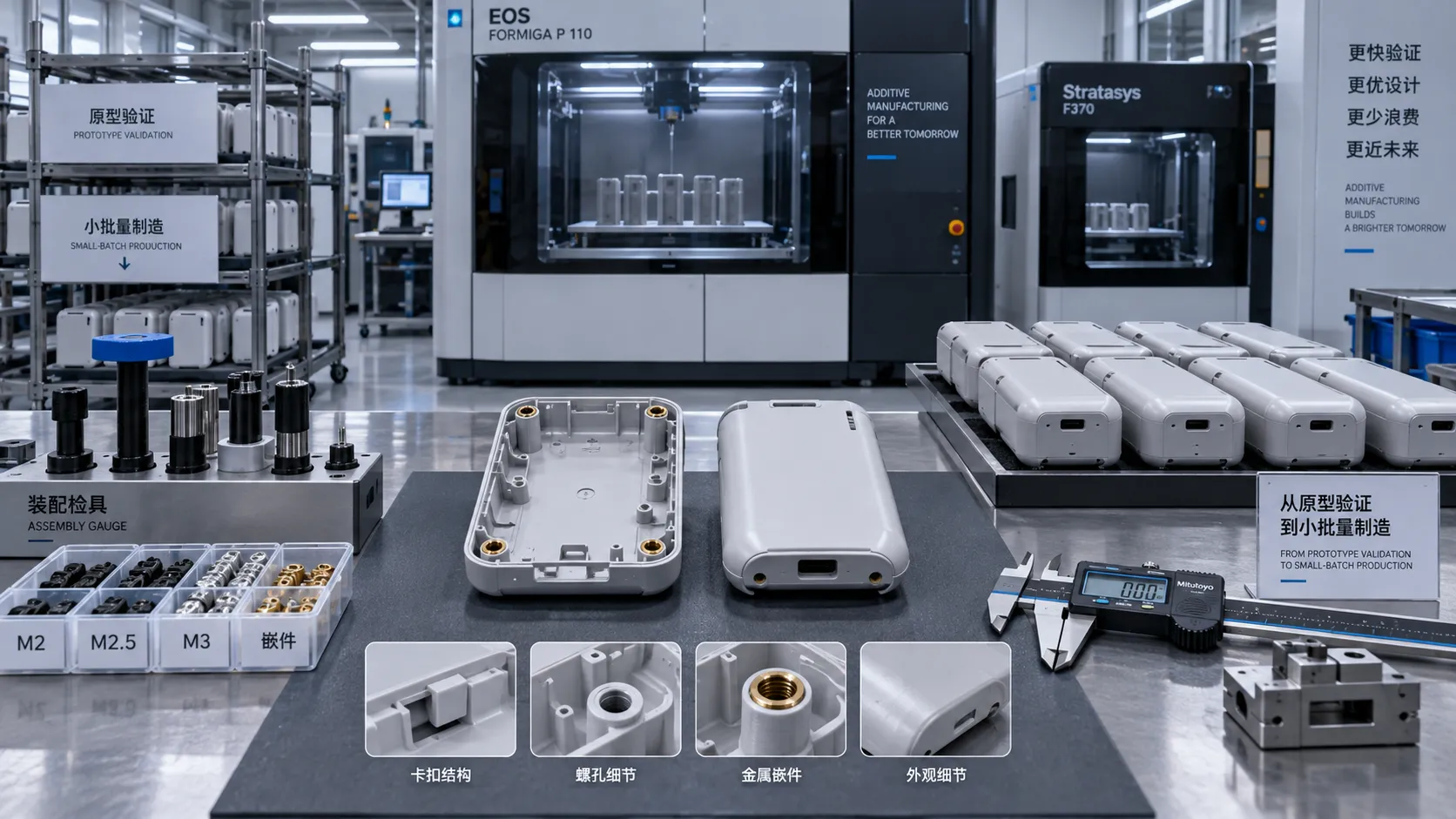
From Prototype to Small Batch: Applying 3D Printing to Consumer Goods
Explore 3d printing in consumer goods: learn how to move from prototype to small-batch production with practical guidance on materials, quality validation, and cost control.
Related News
- 00
0000-00
How to verify part consistency before choosing a 3D printing OEM - 00
0000-00
How does a rigid cryogenic transfer line handle thermal contraction? - 00
0000-00
How much does edge vision deployment cost beyond the hardware? - 00
0000-00
How does the purity of sputtering targets affect thin-film quality? - 00
0000-00
How high power laser cladding systems control substrate dilution
Marcus Print
Weekly Insights
Stay ahead with our curated technology reports delivered every Monday.