
What do laser cladding hardness benchmarks really prove?

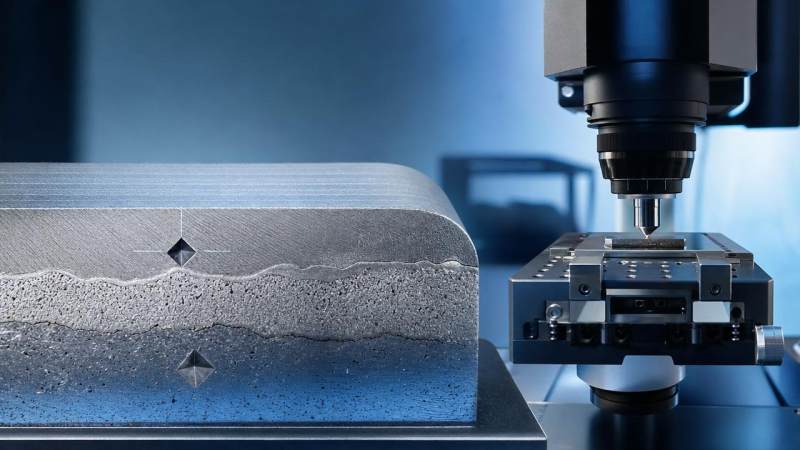
For quality-control and safety teams, laser cladding hardness benchmarks are only useful when they demonstrate repeatable process control, metallurgical soundness, and application-level reliability. A high hardness value alone does not prove that a clad layer will resist wear, survive thermal cycling, bond safely to the substrate, or meet audit expectations. In practice, hardness is a screening metric, not a complete performance verdict.
The core search intent behind “laser cladding hardness benchmarks” is usually practical rather than academic. Readers want to know what these numbers really validate, where they can mislead supplier evaluation, and how to use them in procurement, inspection, qualification, and risk management. For quality and safety professionals, the real question is simple: what can be trusted from a hardness report, and what still requires verification?
What laser cladding hardness benchmarks actually prove
At their best, laser cladding hardness benchmarks prove that a deposited material system reached a certain localized resistance to indentation under defined test conditions. That can indicate successful alloy selection, dilution control, cooling behavior, and partial process consistency. If measured correctly, hardness data can confirm that the clad zone falls within an expected property window.
In a production environment, this matters because hardness often serves as a fast acceptance indicator. It helps inspection teams compare batches, identify process drift, and detect major deviations in feedstock quality or thermal input. When used in a controlled qualification plan, laser cladding hardness benchmarks can support first-article approval and in-process quality monitoring.
However, even a statistically strong hardness result proves less than many test reports imply. It does not automatically validate bond strength, porosity control, residual stress management, crack resistance, corrosion performance, dimensional stability, or service life. Quality teams should interpret hardness as one signal within a larger metallurgical and operational evidence chain.
Why hardness numbers are attractive in procurement and inspection
Hardness data are attractive because they are fast, familiar, quantifiable, and easy to compare across vendors. Procurement teams like simple numbers. Inspection teams like measurable thresholds. Safety managers prefer documented acceptance criteria that can be audited. In that sense, laser cladding hardness benchmarks fit naturally into supplier qualification workflows and technical datasheets.
They also create an impression of objectivity. A vendor claiming 58 HRC or 900 HV appears easier to assess than one discussing dilution gradients, heat-affected zones, or residual stress profiles. But that simplicity can become dangerous when benchmark values are divorced from test location, sampling density, substrate condition, and actual service demands.
For quality-control professionals, the operational value of hardness lies in trend monitoring rather than headline marketing. A benchmark is most meaningful when it is tied to a defined material pair, geometry, process window, and post-processing state. Without those controls, comparison between reports can be technically invalid even when the numbers look precise.
Where laser cladding hardness benchmarks can mislead decision-makers
The biggest misconception is that higher hardness always means better field performance. In many industrial applications, excessive hardness can increase brittleness, raise cracking susceptibility, or reduce tolerance to thermal shock and impact loading. A very hard clad may pass a microhardness test and still fail prematurely in service.
Another common problem is selective reporting. Suppliers may publish peak hardness from the best zone of a sample while omitting average values, traverse data, edge effects, or failed specimens. For a quality team, peak hardness is rarely the right acceptance basis. Process capability depends more on distribution, repeatability, and consistency across the clad area.
Hardness can also be distorted by testing methods. Different loads, scales, surface preparation quality, dwell times, and indentation locations can produce non-equivalent results. Comparing Vickers microhardness near the fusion line with Rockwell hardness on a finished surface can lead to wrong conclusions about coating integrity or supplier capability.
A further risk is ignoring dilution and substrate effects. Laser cladding is not a freestanding material. The final clad properties depend on how the deposited alloy interacts with the base material. A good hardness number on one substrate may not transfer to another. For safety-sensitive components, this is a critical qualification issue.
What quality and safety teams should verify beyond hardness
If the goal is reliable component performance, hardness should be reviewed alongside metallurgical integrity data. At minimum, this includes bond quality, porosity level, crack presence, dilution profile, heat-affected zone condition, and microstructure consistency. These factors determine whether the hardness result reflects a healthy process or a fragile one.
Wear testing is especially important. Laser cladding hardness benchmarks may correlate with abrasion resistance in some systems, but not universally. Adhesive wear, erosion, cavitation, fretting, and slurry exposure can behave differently. A clad layer that scores high in hardness may still underperform against a slightly softer but tougher alternative alloy.
Corrosion and thermal stability also matter. In aggressive service environments, a high-hardness layer can fail because of galvanic effects, phase instability, or cracking under thermal cycling. Safety managers should ask whether the benchmark was generated under conditions relevant to the intended duty cycle, maintenance interval, and failure consequences.
Where regulatory exposure is high, traceability becomes essential. Teams should verify feedstock certificates, batch records, parameter logs, operator qualification, and post-process inspection history. A hardness benchmark without traceable manufacturing evidence has limited value during incident review, customer audit, or warranty dispute.
How to interpret benchmark reports correctly
A useful hardness report should answer several practical questions. What exact material was deposited? On what substrate? With what laser power, scan speed, overlap, powder feed rate, shielding strategy, and layer thickness? Was the sample machined, polished, or heat treated before testing? Without this context, the number is not decision-ready.
Quality teams should also check where hardness was measured. Surface-only values can hide problematic gradients through the deposit thickness. A proper cross-sectional map is usually more informative, especially near the fusion boundary. In many critical parts, localized soft zones or brittle transition areas matter more than a single average hardness value.
Sampling methodology is another key issue. One specimen from one optimized trial is not a benchmark for production. The report should show enough specimens and enough measurement points to indicate reproducibility. Ideally, it should reflect normal manufacturing variation, not a hand-selected laboratory showcase sample.
Statistical framing helps separate engineering evidence from promotional claims. Ask for mean, range, standard deviation, acceptance limits, and outlier treatment. If a vendor cannot explain process capability or variation sources, the benchmark may be unsuitable for production qualification, even if the absolute hardness number looks excellent.
What a credible laser cladding qualification framework looks like
For procurement, quality, and safety teams, the best approach is to embed laser cladding hardness benchmarks inside a broader qualification matrix. Hardness should be one column among several, not the sole gate. A robust framework links material properties, process controls, inspection evidence, and end-use risk classification.
A practical qualification package often includes hardness mapping, metallographic cross-sections, bond-line inspection, porosity and crack evaluation, dimensional results, roughness data, and wear or corrosion tests relevant to service conditions. For high-consequence parts, residual stress analysis or fatigue validation may also be justified.
Supplier approval should also include process discipline. Can the supplier maintain parameter control across component sizes, heat sinks, and complex geometries? Is there a documented repair procedure? Are operators trained for the same alloy-substrate combination being purchased? Benchmarks are only valuable if the production system can reproduce them reliably.
From a safety perspective, nonconformance handling must be clear. If hardness falls outside target range, what root-cause path is used? Is the component reworked, downgraded, or scrapped? What additional inspections are triggered? A benchmark becomes operationally meaningful only when connected to corrective action and containment rules.
Common red flags in supplier claims
One red flag is an isolated “maximum hardness achieved” statement with no mention of average values or testing standard. Another is a report that skips substrate identification or uses vague labels such as “steel base” without grade, heat treatment condition, or chemistry. Those omissions prevent sound technical comparison.
A second warning sign is hardness data presented without microstructure evidence. If a supplier promotes exceptional hardness but does not provide cross-sections or crack analysis, quality teams should investigate further. Some high readings may come from brittle phases or uncontrolled dilution patterns that create serious service risk.
A third red flag is lack of application context. Laser cladding hardness benchmarks for mining wear plates may have little relevance for turbine repair, mold restoration, or chemical processing parts. Benchmark numbers should be matched to loading mode, environment, temperature range, and maintenance expectations, not reused generically.
Finally, be cautious when benchmark claims are disconnected from standards and documentation. If testing methods are unclear, records are incomplete, or repeatability cannot be demonstrated, the hardness result may be useful only for marketing. That is not enough for supplier approval in regulated or mission-critical operations.
How to use hardness benchmarks in real QC and safety decisions
In practice, hardness works best as a checkpoint within a layered acceptance system. Use it to verify that the process is staying inside an expected property envelope. Then use metallography, defect inspection, and service-relevant tests to determine whether that envelope translates into dependable component behavior.
For incoming inspection, avoid accepting parts based only on a catalog benchmark. Instead, define part-specific acceptance criteria tied to your substrate, geometry, and duty cycle. For process auditing, compare reported hardness against parameter logs and defect rates. For supplier development, track hardness trends over time instead of focusing on one-time peak values.
Safety teams should classify components by failure consequence. On low-risk wear surfaces, hardness may carry more weight as a release criterion. On safety-critical, pressure-retaining, or thermally cycled components, hardness should be treated as supporting evidence only. The higher the consequence of failure, the less sufficient hardness becomes on its own.
Cross-functional review is often the best defense against misinterpretation. Quality, safety, engineering, and procurement should align on what laser cladding hardness benchmarks prove, what they do not prove, and which supplemental data are mandatory. This reduces the chance of overbuying on marketing claims or underestimating reliability risk.
Conclusion: hardness proves process indication, not complete reliability
Laser cladding hardness benchmarks do have value. They can indicate whether a deposited layer reached an expected property range and whether a process appears broadly under control. For quality-control and safety teams, that makes hardness useful for screening, trend analysis, and part of supplier qualification.
But the real answer to “What do laser cladding hardness benchmarks really prove?” is narrower than many reports suggest. They prove localized hardness under specific test conditions. They do not, by themselves, prove long-term wear life, crack resistance, bond durability, corrosion behavior, or safe field performance.
The most reliable interpretation is therefore balanced and practical. Treat hardness as an entry point, not a final verdict. When combined with metallurgical evidence, application-relevant testing, process traceability, and clear acceptance rules, laser cladding hardness benchmarks become meaningful. Used alone, they can create false confidence and unnecessary operational risk.
Related News
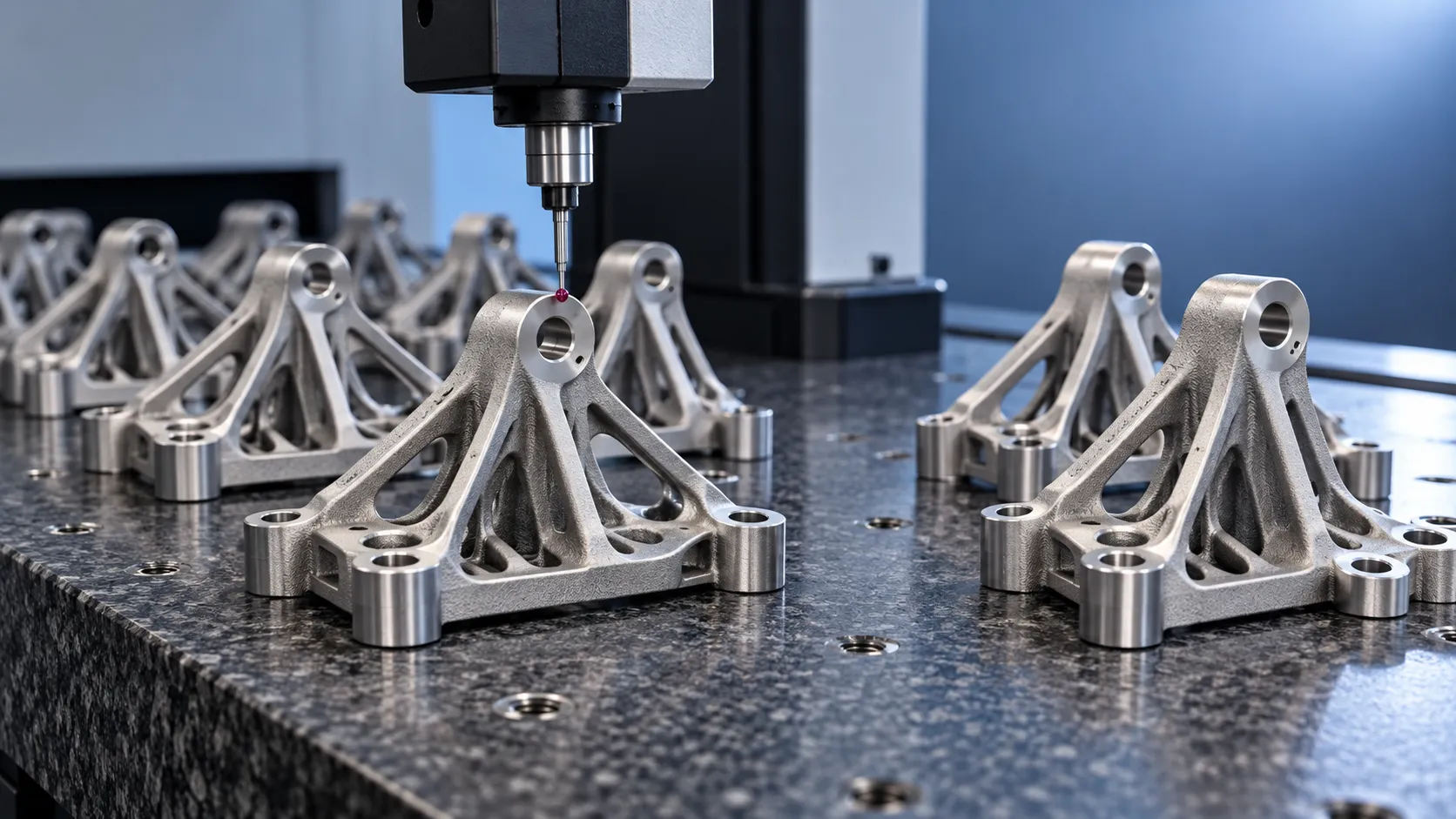
How to verify part consistency before choosing a 3D printing OEM
Choosing a 3D printing OEM? Learn how to verify part consistency with repeat-build trials, validated inspections, and traceability checks before committing to production.
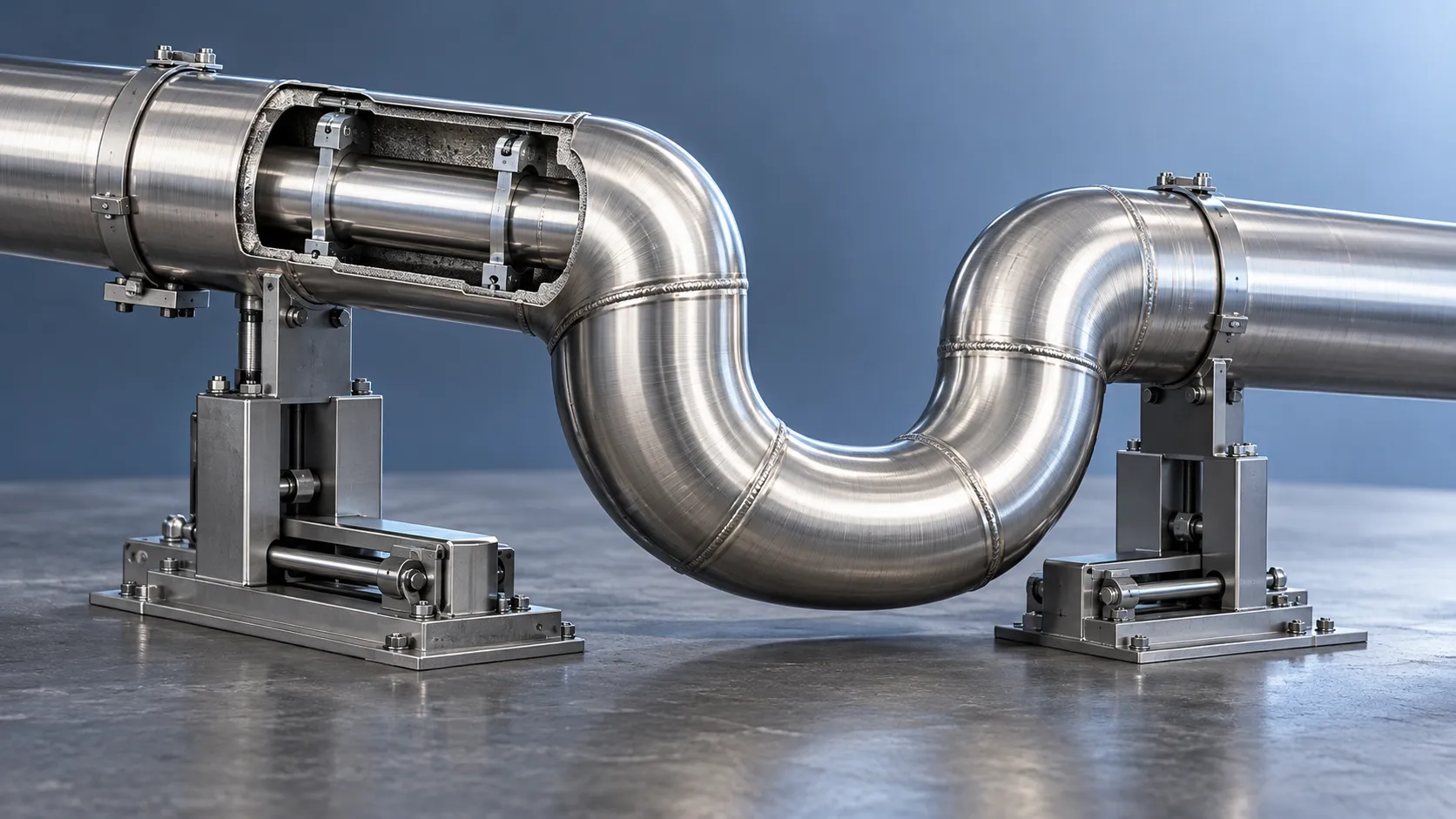
How does a rigid cryogenic transfer line handle thermal contraction?
Learn how a rigid cryogenic transfer line manages thermal contraction with bends, bellows, and guided supports. Discover key design checks for safe, reliable cryogenic performance.

How much does edge vision deployment cost beyond the hardware?
Understand edge vision deployment cost beyond hardware, from data and integration to security and support. Uncover hidden expenses and build a smarter lifecycle budget before you scale.
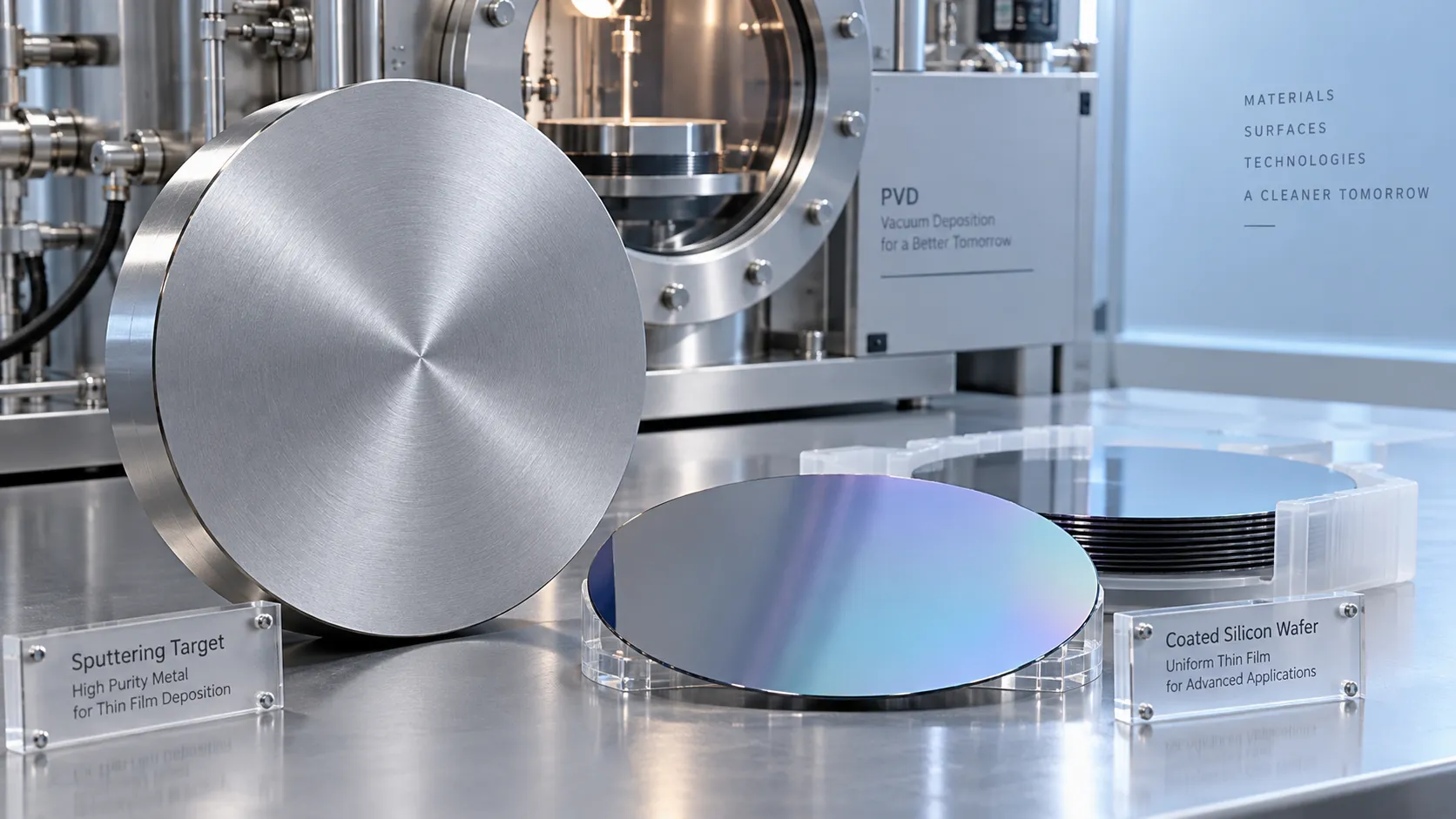
How does the purity of sputtering targets affect thin-film quality?
Discover how sputtering targets affect thin-film quality. Learn to assess purity, identify harmful impurities, and choose specifications that improve coating performance.
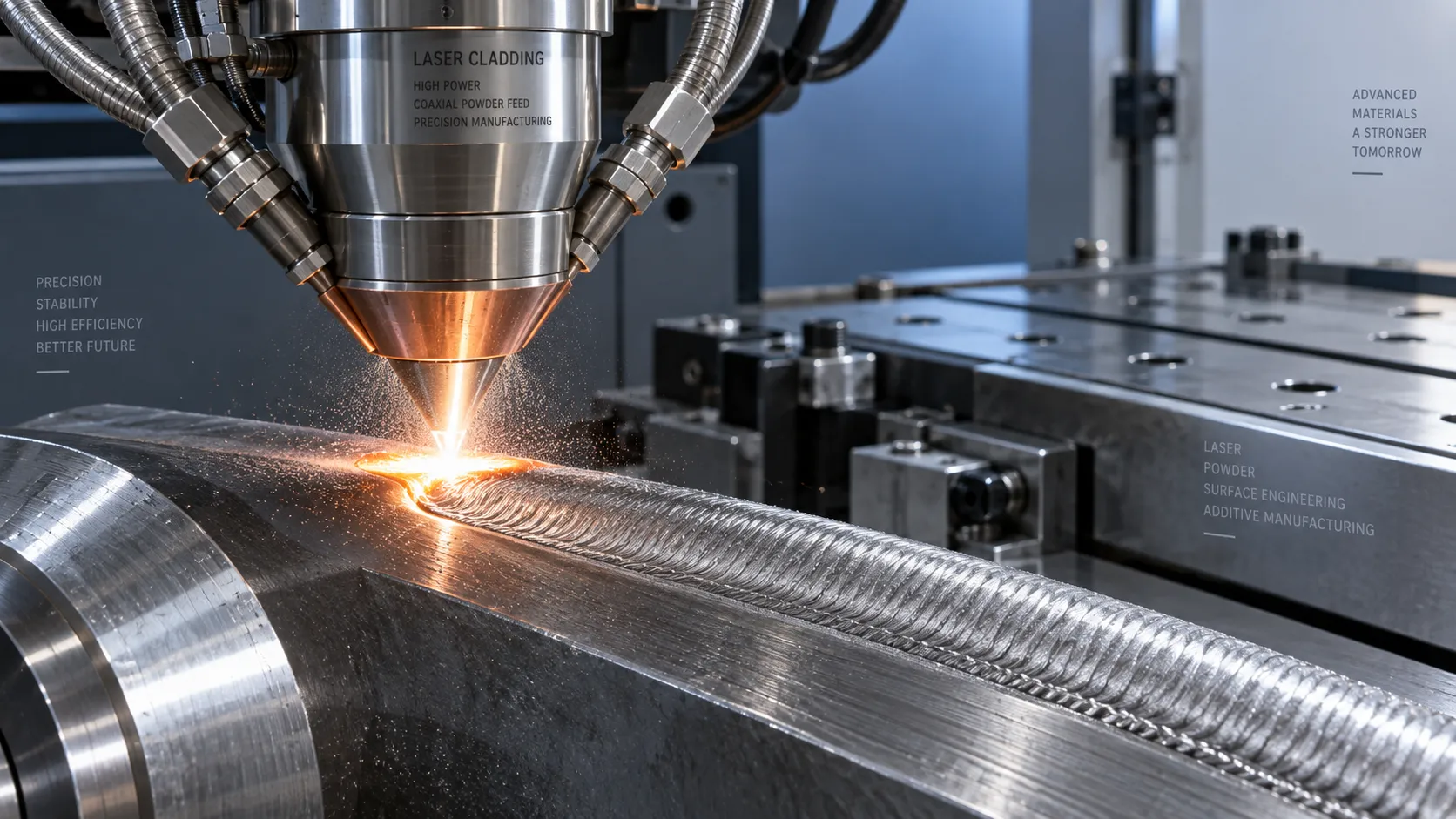
How high power laser cladding systems control substrate dilution
Discover how high power laser cladding systems control substrate dilution through beam shaping, material feed, and thermal management to deliver reliable bonds and coating performance.

How to check HS codes for customs compliance in international logistics
Strengthen international logistics customs compliance: learn how to verify HS codes, check official tariffs, and document classifications to reduce costly shipment delays.
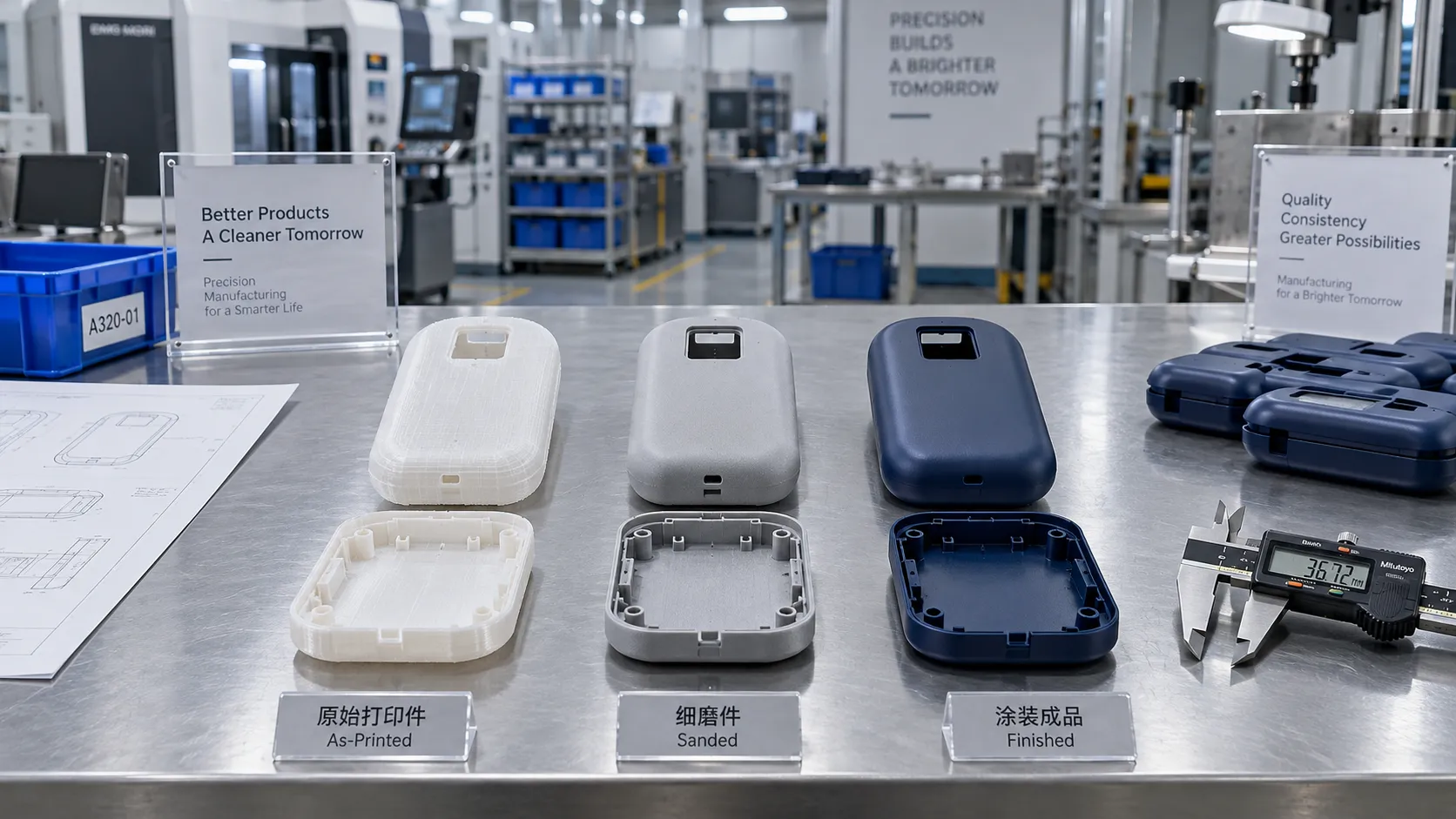
Choosing a 3D Printing Service for Consumer Products: Finish, Fit, and Cost
Compare 3d printing consumer good services by finish, fit, materials, and total cost. Learn how to choose a reliable supplier and avoid costly defects before ordering.
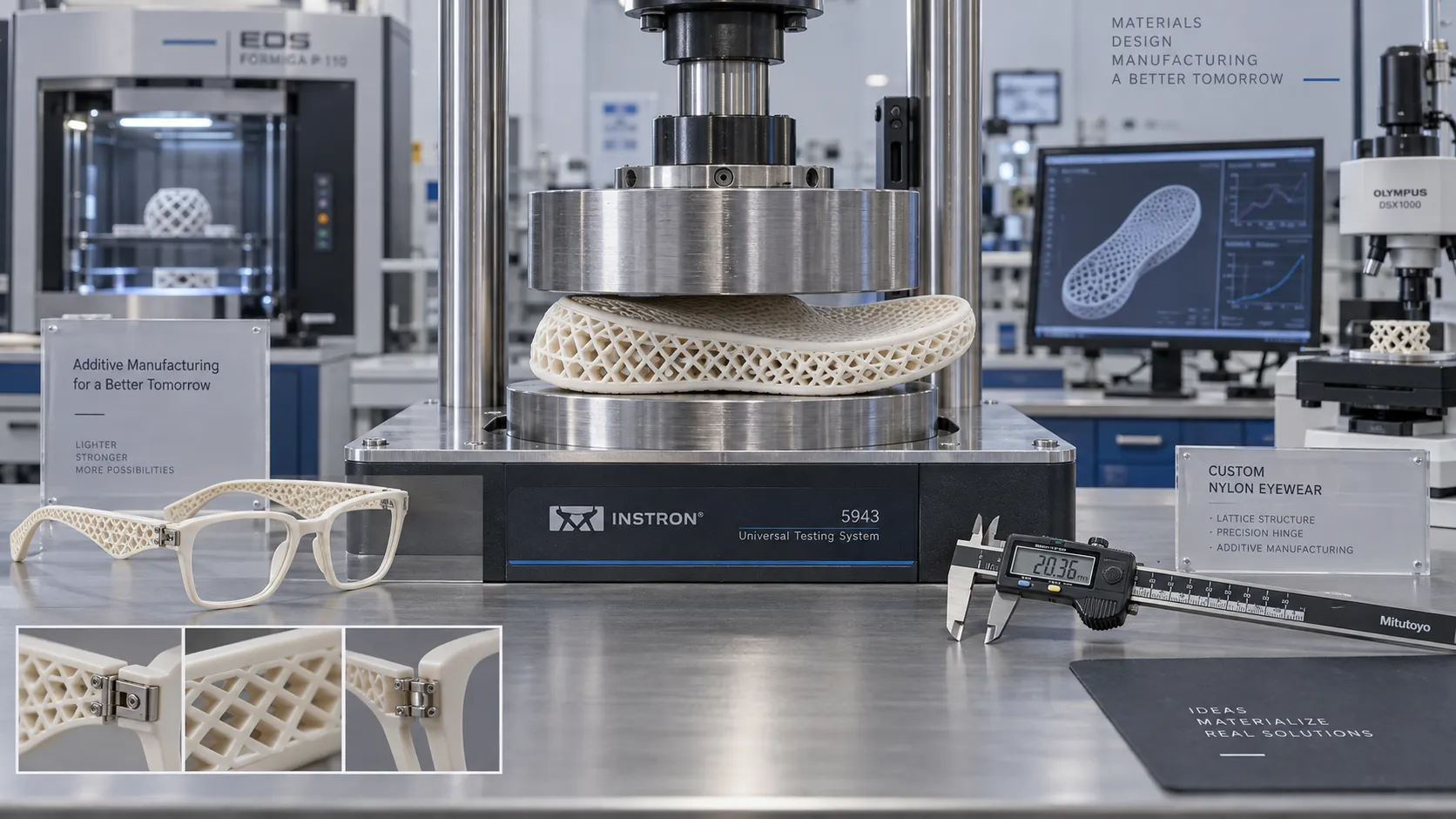
Which Consumer Goods Can Be 3D Printed, and What Are the Practical Limits?
Explore 3d printing consumer goods, from custom eyewear to replacement parts. Discover practical limits on materials, safety, and costs to make smarter production decisions.
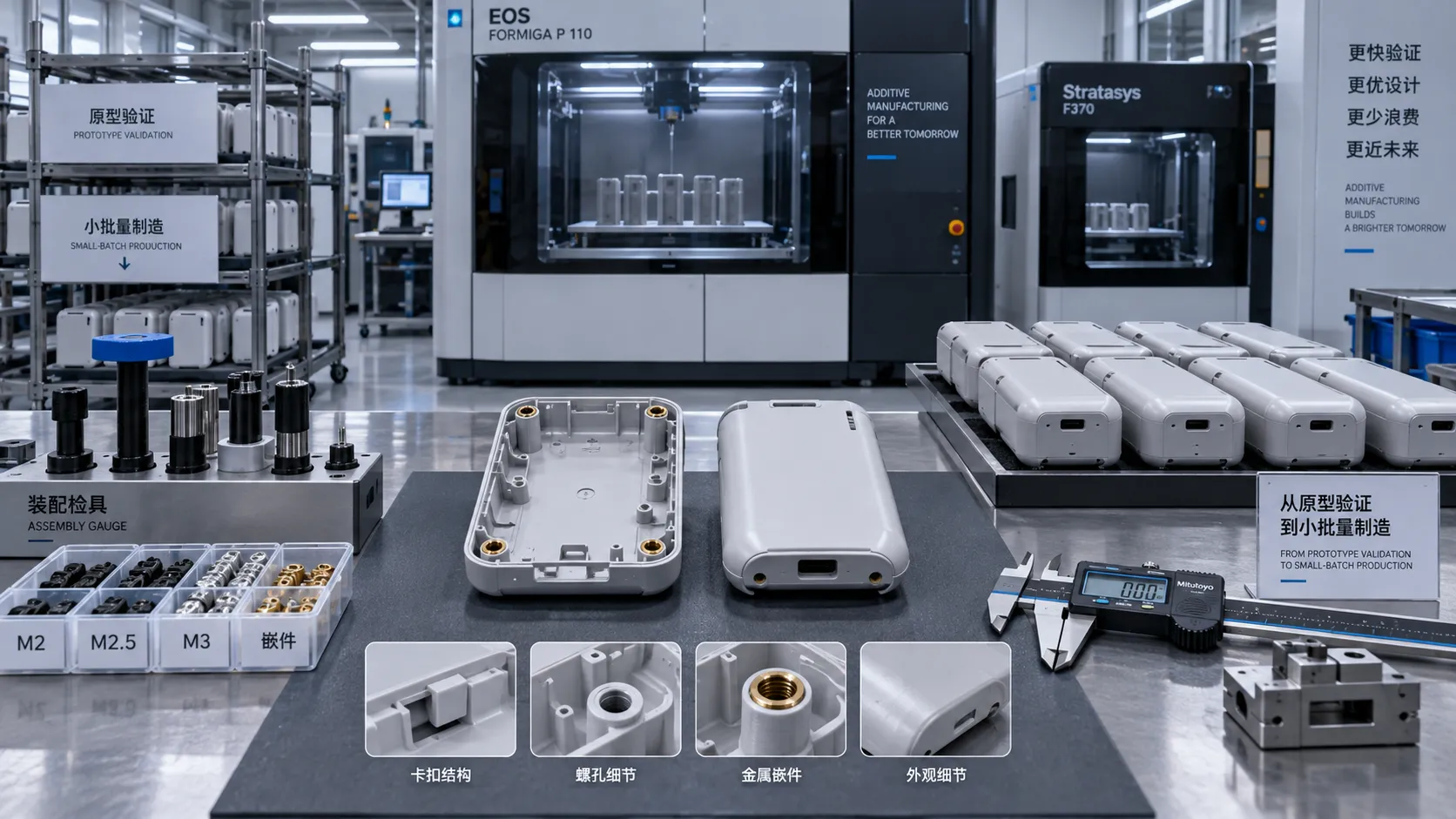
From Prototype to Small Batch: Applying 3D Printing to Consumer Goods
Explore 3d printing in consumer goods: learn how to move from prototype to small-batch production with practical guidance on materials, quality validation, and cost control.
Related News
- 00
0000-00
How to verify part consistency before choosing a 3D printing OEM - 00
0000-00
How does a rigid cryogenic transfer line handle thermal contraction? - 00
0000-00
How much does edge vision deployment cost beyond the hardware? - 00
0000-00
How does the purity of sputtering targets affect thin-film quality? - 00
0000-00
How high power laser cladding systems control substrate dilution
Marcus Print
Weekly Insights
Stay ahead with our curated technology reports delivered every Monday.