
How fiber lasers are reshaping automotive manufacturing

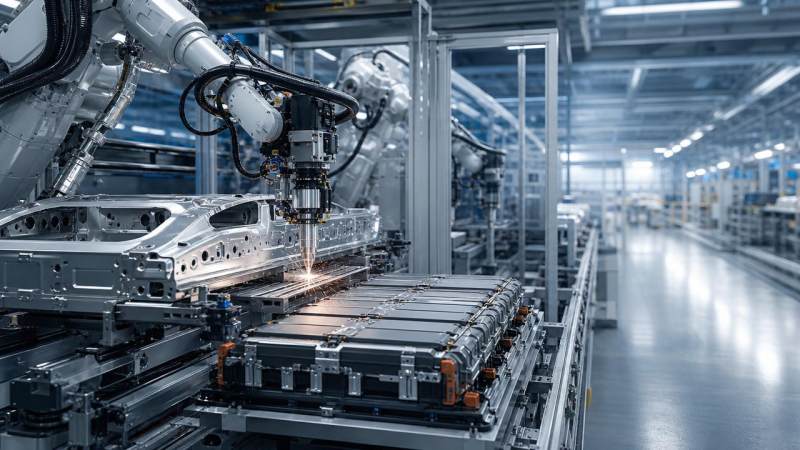
The impact of fiber lasers on automotive manufacturing is redefining how vehicle production balances throughput, precision, and long-term cost discipline.
Across body-in-white, battery systems, powertrain parts, and interior assemblies, fiber laser platforms support cleaner cuts, faster welds, and tighter process control.
This shift matters because automotive programs now face simultaneous pressure from lightweighting, electrification, traceability, and margin protection.
In that environment, understanding the impact of fiber lasers on automotive manufacturing helps frame better decisions on equipment strategy, material compatibility, and factory modernization.
Fiber lasers in automotive production: a practical definition
Fiber lasers generate and deliver laser energy through optical fiber, creating a beam known for high brightness, energy efficiency, and strong process stability.
Compared with older CO2 systems, fiber lasers often offer easier integration, reduced maintenance, and better performance on reflective metals.
In automotive manufacturing, they are commonly used for cutting, welding, marking, drilling, cladding, and increasingly for battery-related joining tasks.
The impact of fiber lasers on automotive manufacturing begins with one core advantage: more energy reaches the workpiece with less process waste.
That technical characteristic translates into faster cycle times, more compact cells, and greater repeatability across high-volume production lines.
Why the technology fits automotive demands
- High beam quality supports narrow kerf cutting and controlled weld depth.
- Low maintenance architecture reduces unplanned downtime.
- Compatibility with automation aligns with robotic production cells.
- Digital monitoring improves traceability and process validation.
Industry context shaping the impact of fiber lasers on automotive manufacturing
The automotive sector is not adopting fiber lasers in isolation.
Their growth reflects larger changes in materials engineering, electric vehicle architecture, and global manufacturing competitiveness.
Steel remains important, but mixed-material structures now include aluminum, advanced high-strength steel, copper, and coated alloys.
These materials complicate conventional joining and machining methods, especially when distortion, heat input, and rework must stay low.
That is why the impact of fiber lasers on automotive manufacturing is increasingly discussed as both a technical and strategic issue.
Operational value across the automotive value chain
The impact of fiber lasers on automotive manufacturing becomes clearer when measured against production realities rather than equipment specifications alone.
Their value is strongest where line speed, geometric accuracy, and repeatable quality directly affect overall equipment effectiveness.
1. Faster throughput with tighter control
Fiber lasers support rapid processing on thin and medium-gauge materials, especially in cutting and seam welding operations.
Shorter cycle times can reduce bottlenecks in body, chassis, and enclosure production without sacrificing dimensional consistency.
2. Better quality on advanced materials
Automotive platforms increasingly rely on materials that are strong, lightweight, and difficult to process with legacy thermal methods.
Fiber laser systems help manage heat input more precisely, reducing burrs, warping, spatter, and post-process correction.
3. Lower total operating burden
The impact of fiber lasers on automotive manufacturing also includes lower service complexity compared with older gas laser configurations.
Reduced consumables, less alignment work, and stronger uptime profiles can improve long-term equipment economics.
4. Easier automation and data integration
Modern automotive plants need process tools that connect with robotics, sensors, MES platforms, and quality systems.
Fiber lasers fit that direction well, supporting real-time parameter control and closed-loop manufacturing logic.
Typical automotive applications and process categories
The impact of fiber lasers on automotive manufacturing varies by subsystem, material, and volume profile.
Still, several use cases consistently show strong business value.
Battery manufacturing deserves special attention
Electrification is accelerating the impact of fiber lasers on automotive manufacturing more than any other trend.
Battery pack production demands delicate joining on copper, aluminum, and dissimilar metal interfaces.
Process windows are narrow, and defects can affect safety, conductivity, and product life.
Fiber lasers, combined with beam shaping and monitoring, offer a practical route to more stable battery assembly.
Implementation considerations and risk points
Despite clear advantages, successful deployment requires disciplined planning.
The impact of fiber lasers on automotive manufacturing depends heavily on integration quality, not just source power.
- Match wavelength, beam quality, and power range to actual materials and joint designs.
- Validate fixturing because part gap variation can undermine weld consistency.
- Assess safety architecture, including enclosure design, extraction, and operator protection.
- Plan for inline monitoring if traceability and defect prevention are strategic priorities.
- Review export controls, standards alignment, and service availability across regions.
Evaluation criteria for technology selection
A robust assessment should move beyond peak wattage and headline speed claims.
Useful benchmarks include energy efficiency, seam quality, scrap reduction, maintenance intervals, and digital diagnostics capability.
Standards awareness also matters, especially when systems must align with ISO, ASTM, IEEE, or sector-specific quality frameworks.
Practical next steps for future-ready automotive operations
The impact of fiber lasers on automotive manufacturing is no longer limited to niche applications or pilot lines.
It is becoming central to how advanced factories approach flexible production, material innovation, and cost resilience.
A practical next step is to map current bottlenecks by process family, then compare them against fiber laser suitability.
Focus first on operations where quality losses, heat distortion, or maintenance burden are already measurable.
Pilot programs should include metallurgical testing, line integration review, and full-life operating cost analysis.
For organizations tracking the impact of fiber lasers on automotive manufacturing, reliable benchmarking data is essential.
G-AIT supports this need through verifiable technical intelligence across industrial laser processing, standards alignment, and global technology evaluation.
When decisions are grounded in performance evidence rather than assumptions, fiber laser adoption becomes a stronger industrial advantage.
Related News
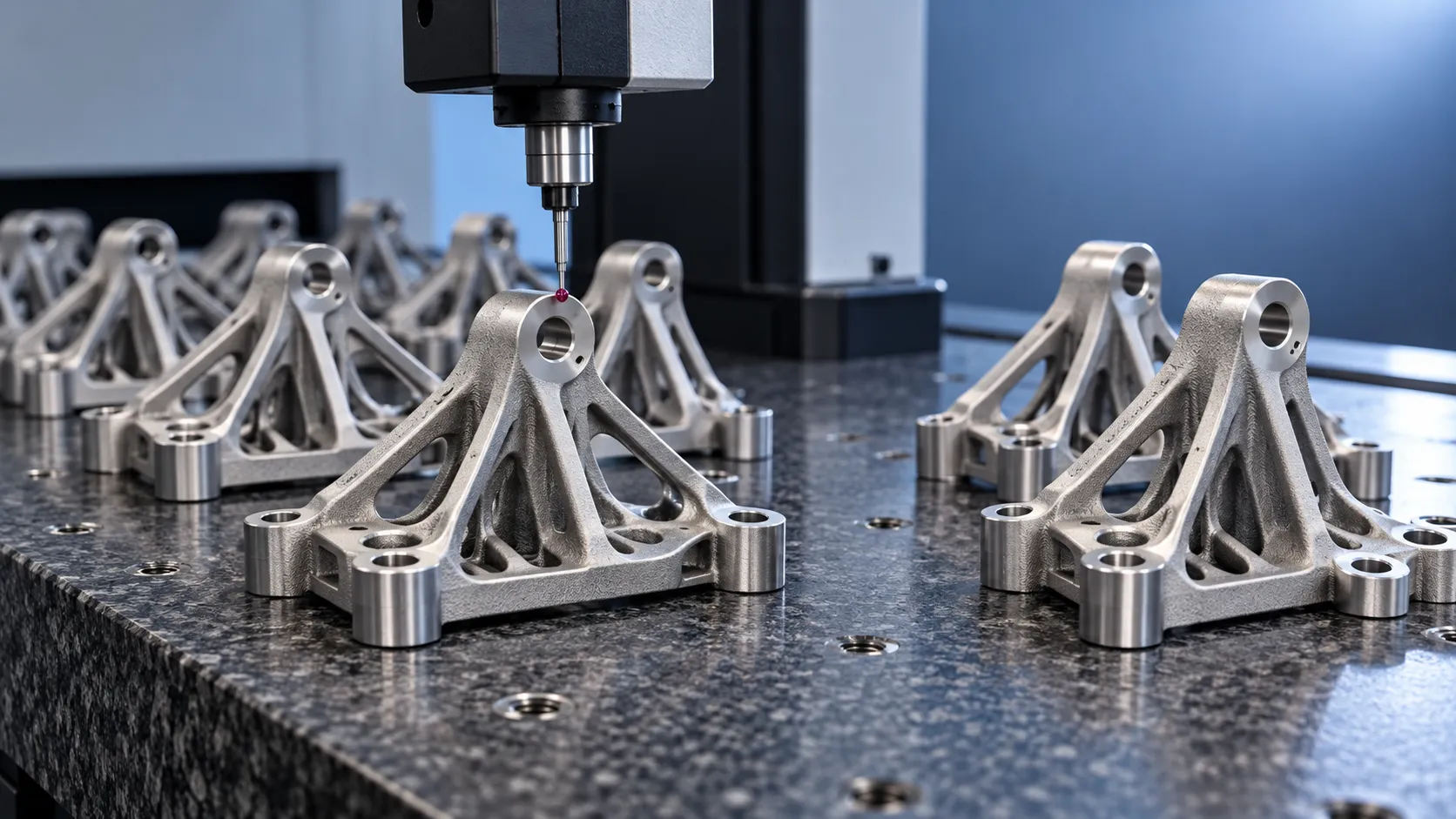
How to verify part consistency before choosing a 3D printing OEM
Choosing a 3D printing OEM? Learn how to verify part consistency with repeat-build trials, validated inspections, and traceability checks before committing to production.
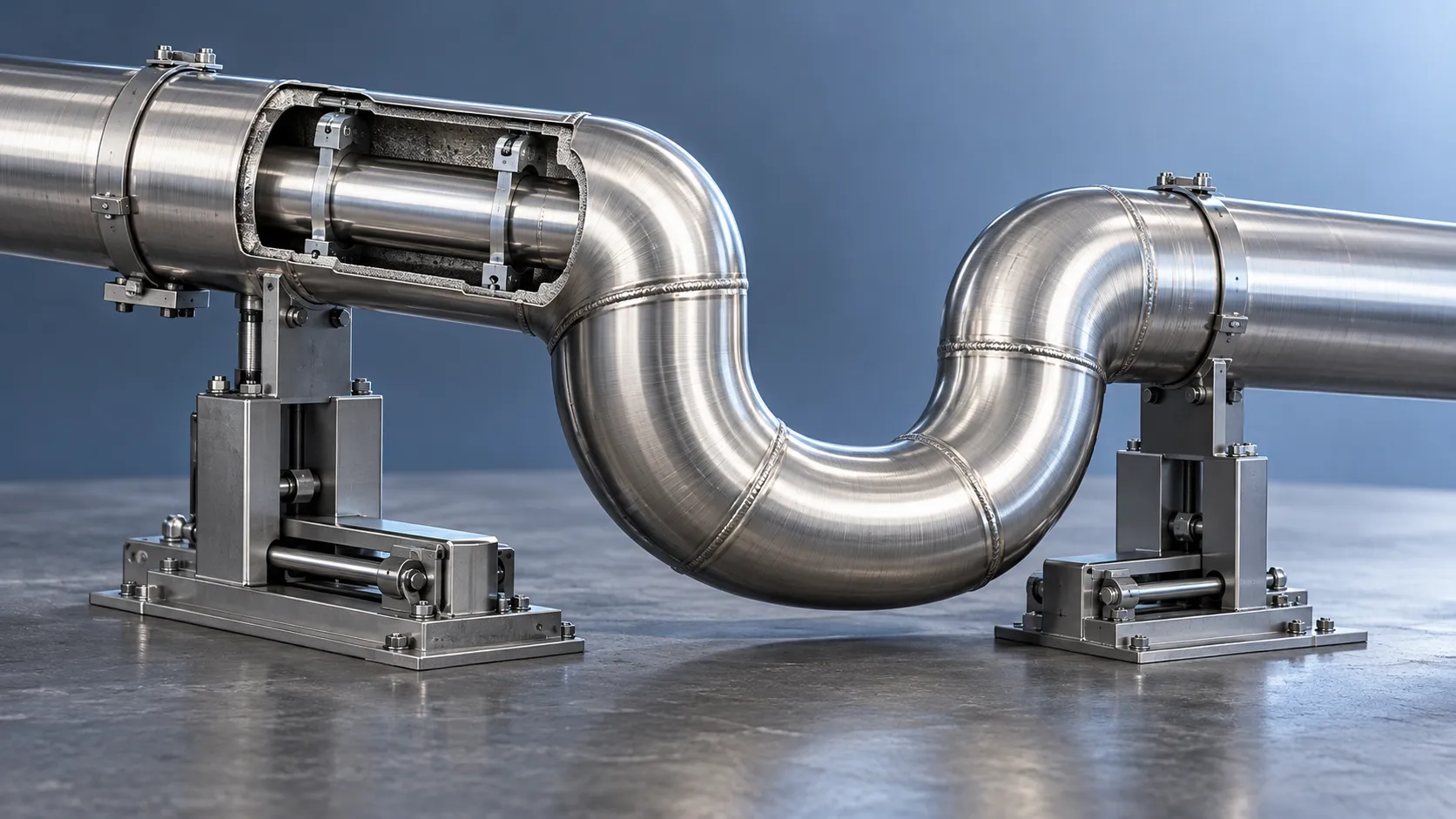
How does a rigid cryogenic transfer line handle thermal contraction?
Learn how a rigid cryogenic transfer line manages thermal contraction with bends, bellows, and guided supports. Discover key design checks for safe, reliable cryogenic performance.
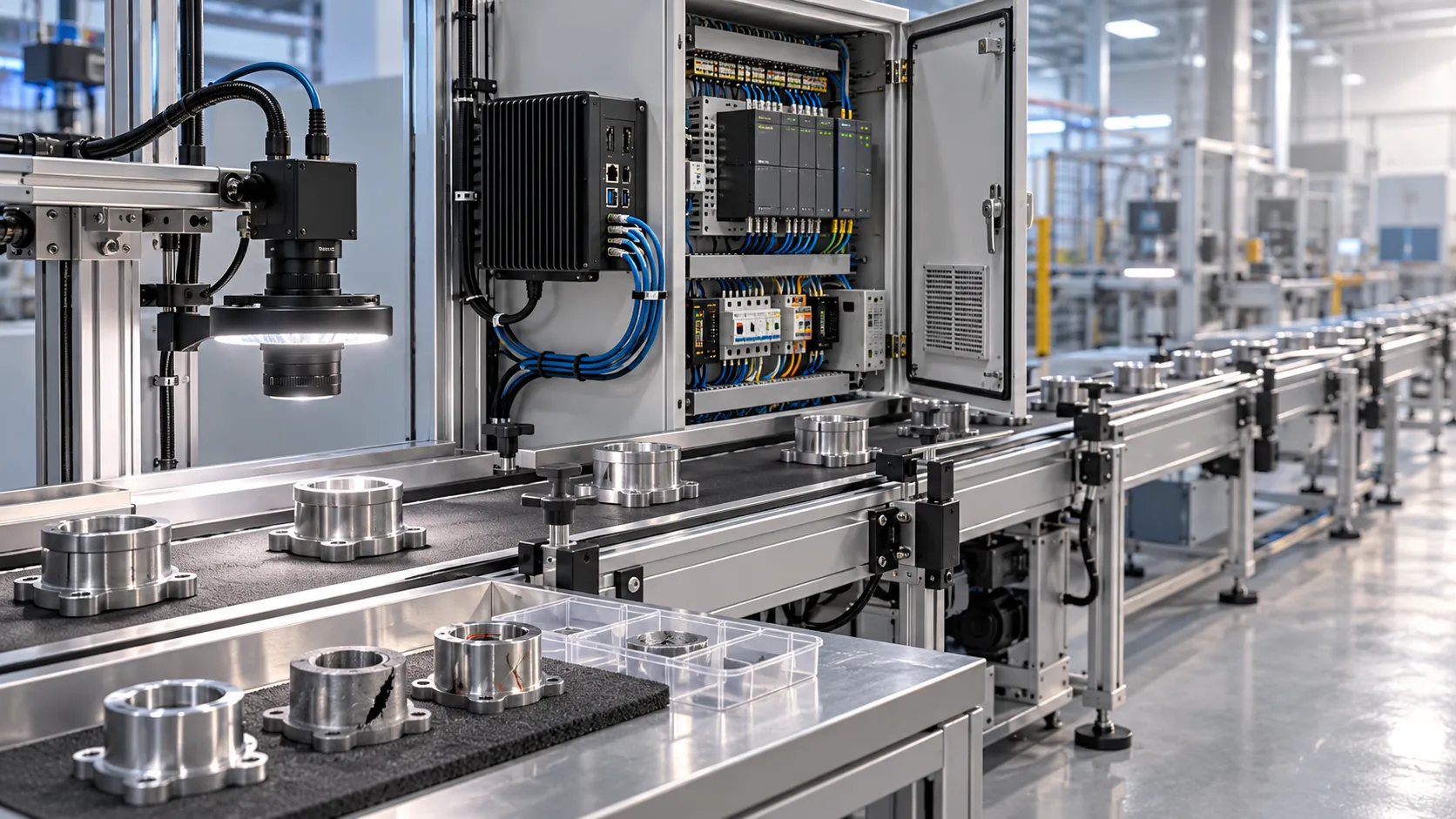
How much does edge vision deployment cost beyond the hardware?
Understand edge vision deployment cost beyond hardware, from data and integration to security and support. Uncover hidden expenses and build a smarter lifecycle budget before you scale.
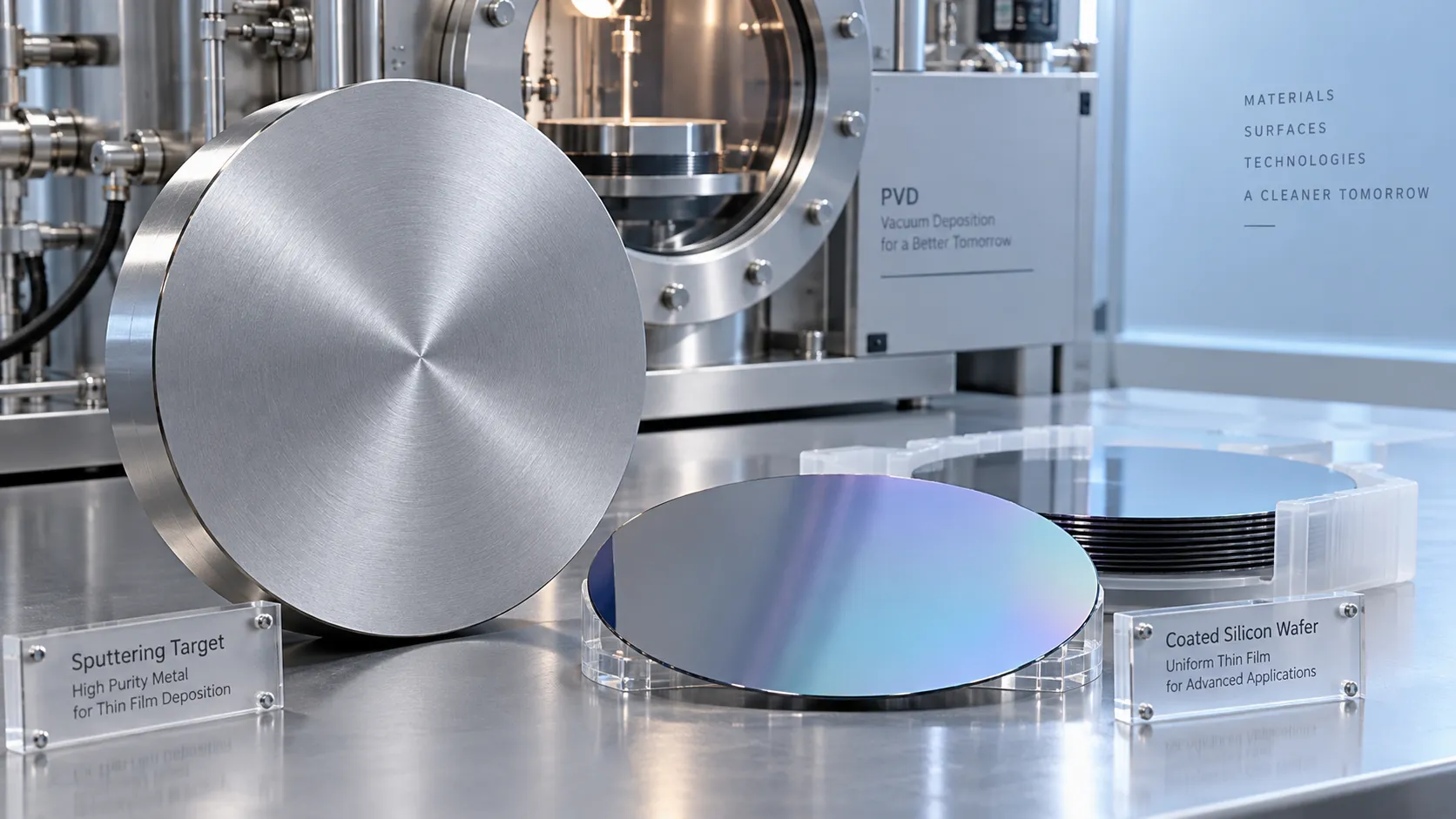
How does the purity of sputtering targets affect thin-film quality?
Discover how sputtering targets affect thin-film quality. Learn to assess purity, identify harmful impurities, and choose specifications that improve coating performance.
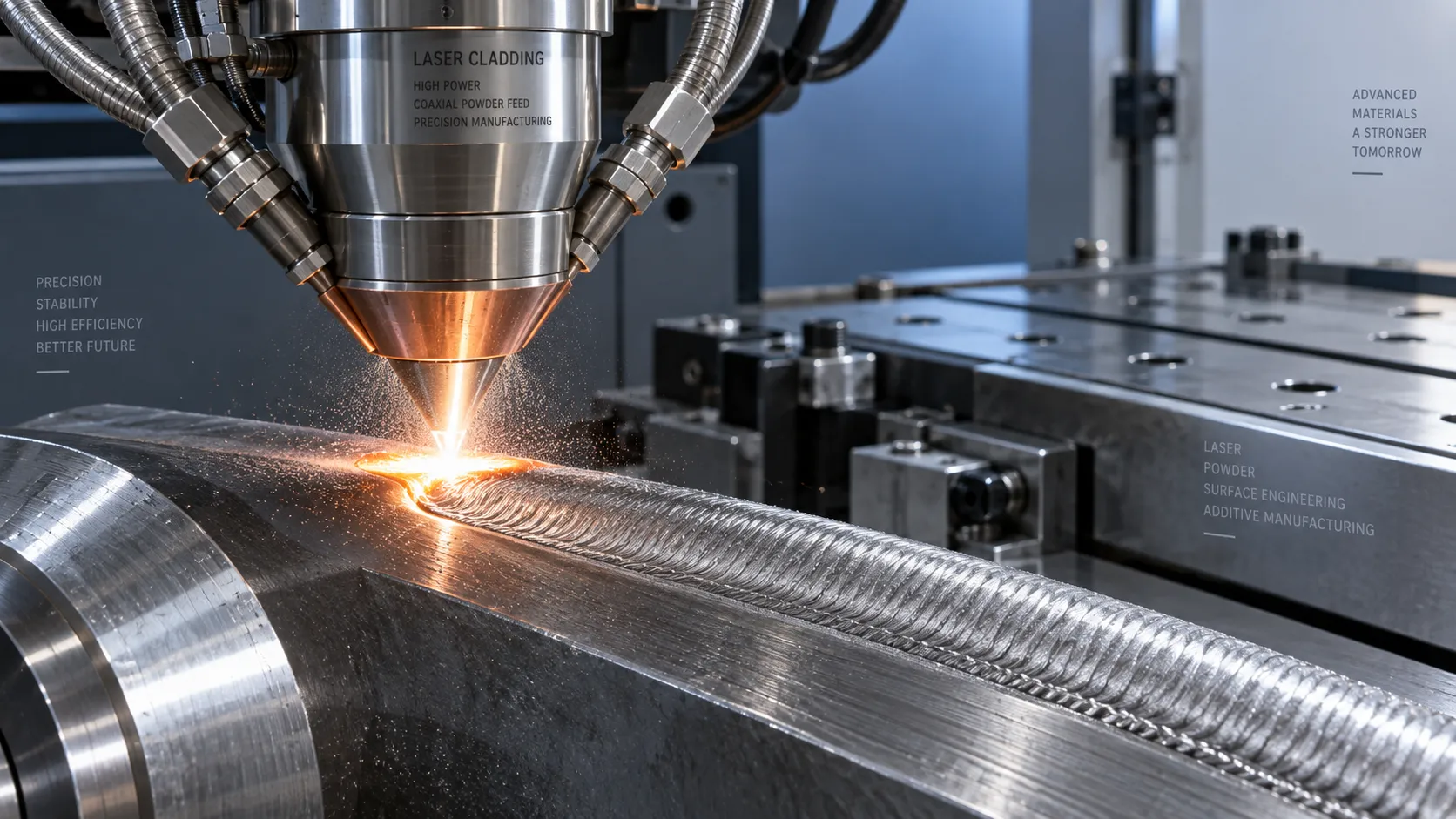
How high power laser cladding systems control substrate dilution
Discover how high power laser cladding systems control substrate dilution through beam shaping, material feed, and thermal management to deliver reliable bonds and coating performance.
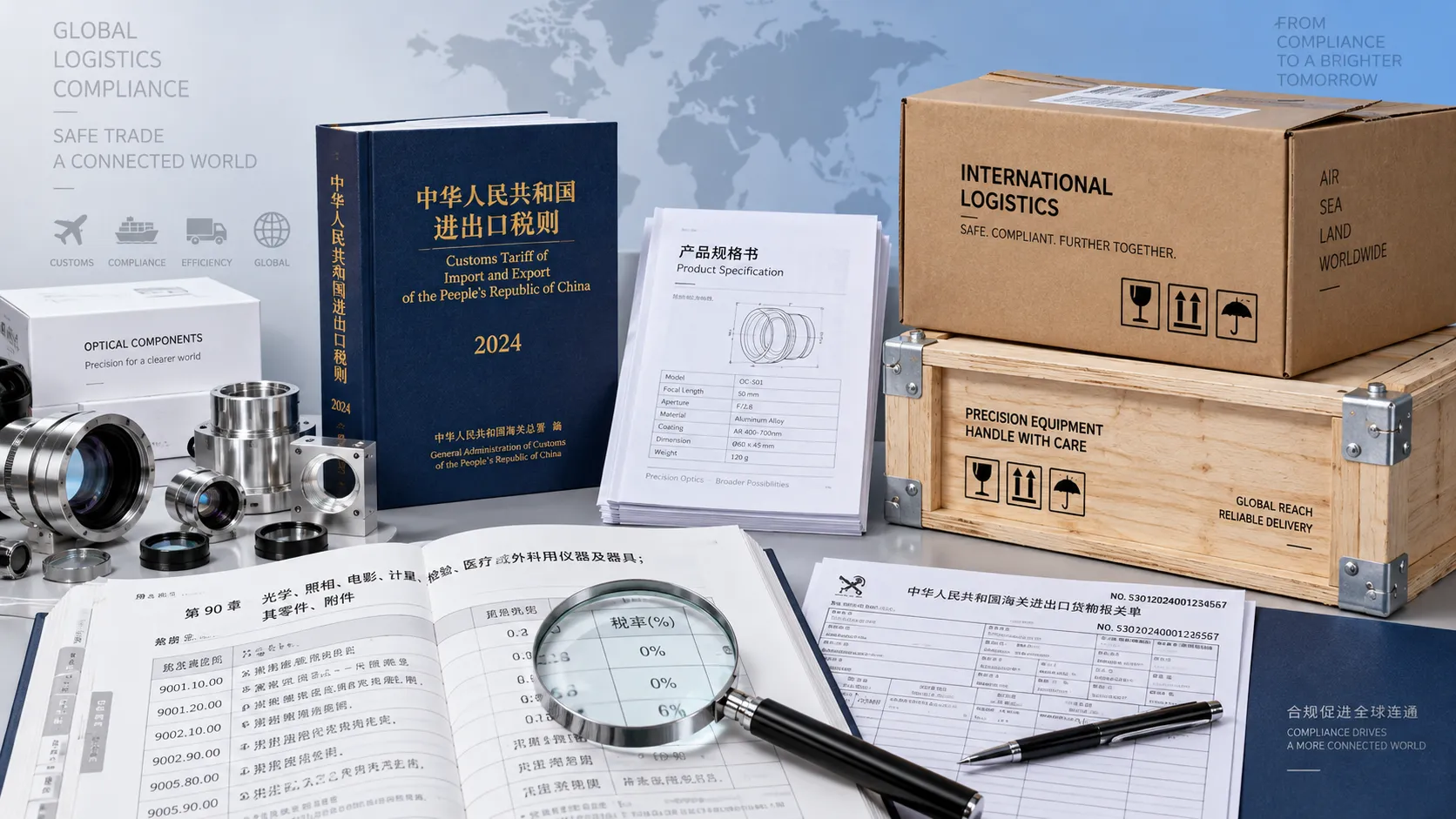
How to check HS codes for customs compliance in international logistics
Strengthen international logistics customs compliance: learn how to verify HS codes, check official tariffs, and document classifications to reduce costly shipment delays.
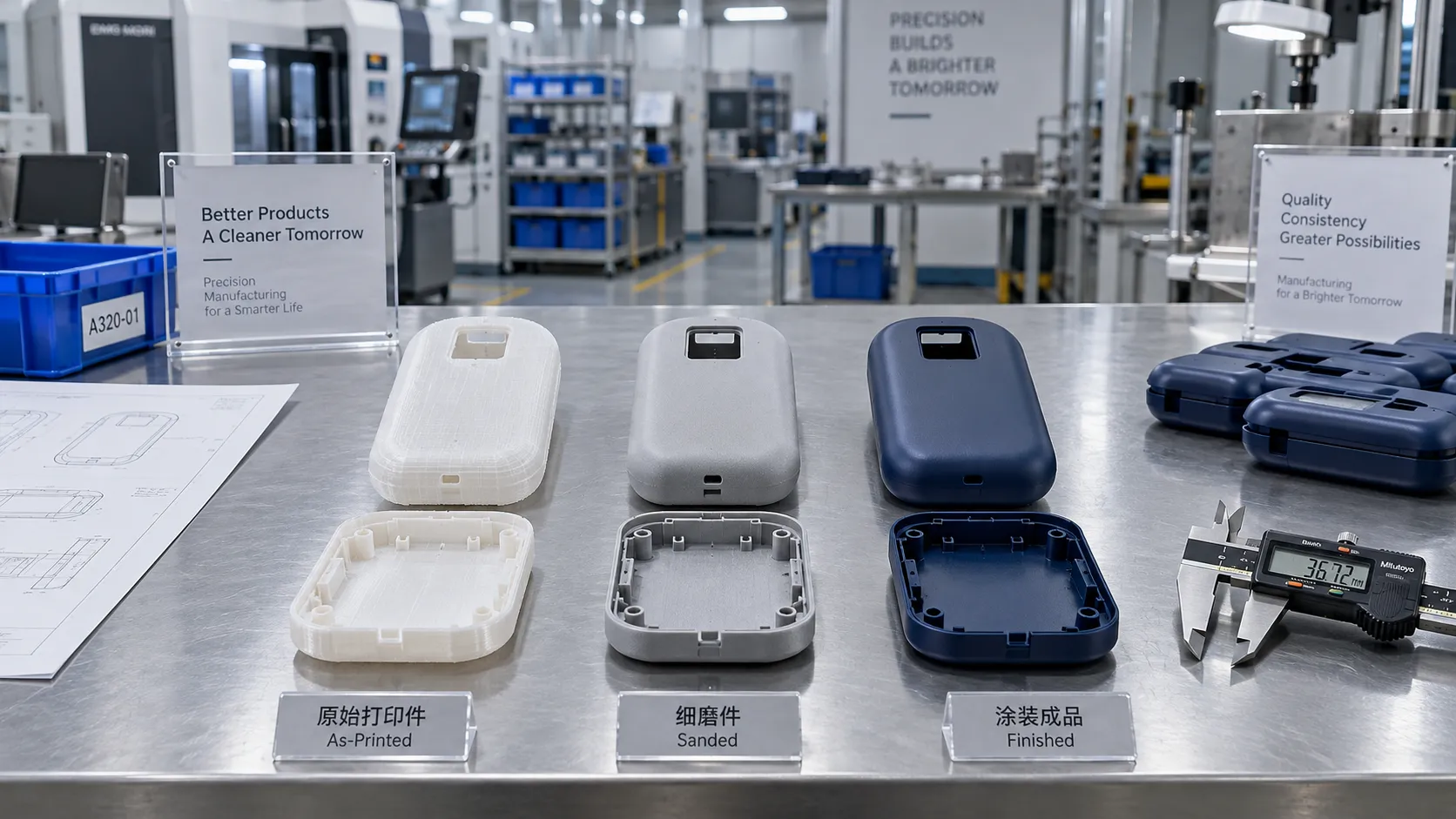
Choosing a 3D Printing Service for Consumer Products: Finish, Fit, and Cost
Compare 3d printing consumer good services by finish, fit, materials, and total cost. Learn how to choose a reliable supplier and avoid costly defects before ordering.
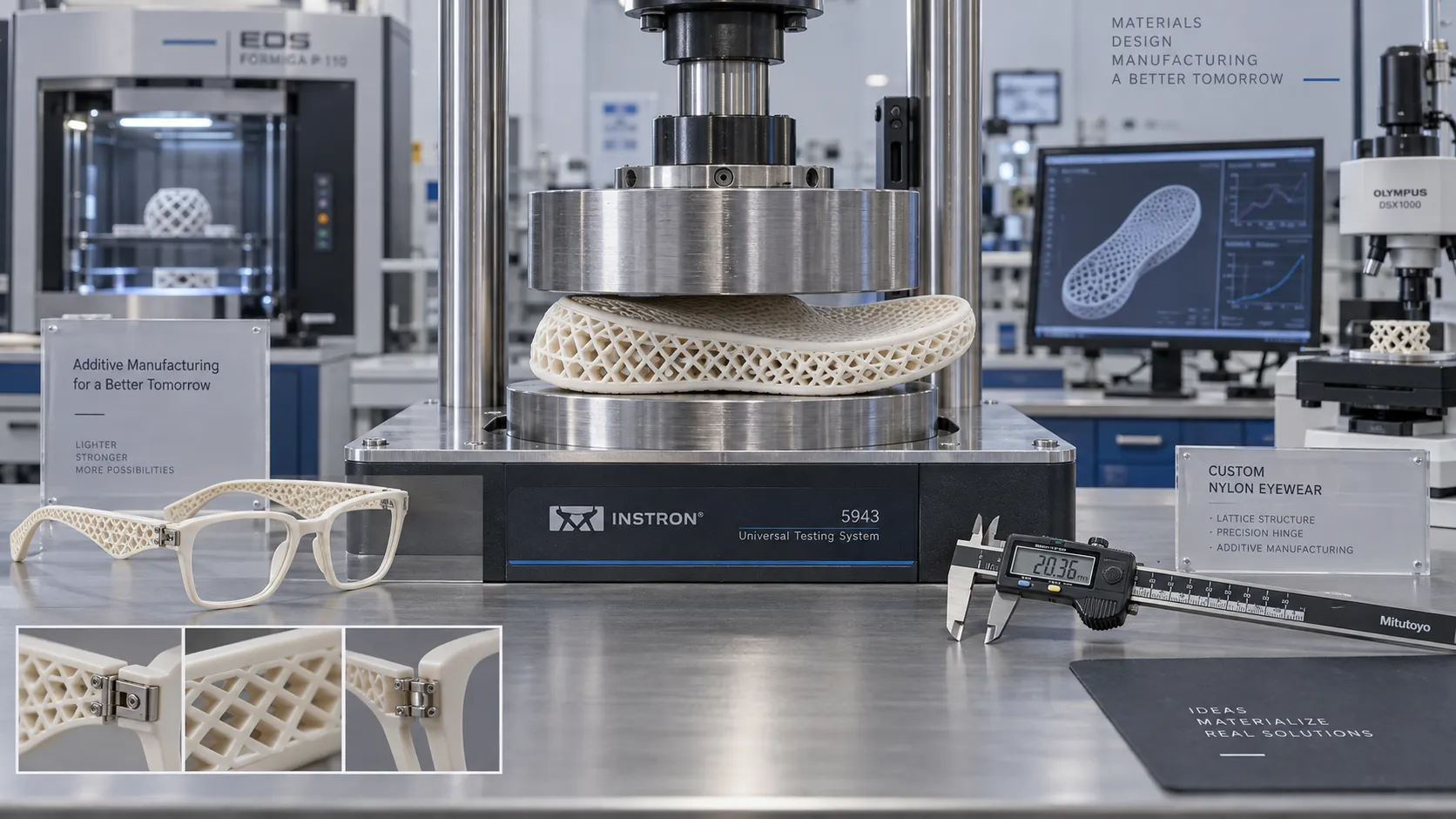
Which Consumer Goods Can Be 3D Printed, and What Are the Practical Limits?
Explore 3d printing consumer goods, from custom eyewear to replacement parts. Discover practical limits on materials, safety, and costs to make smarter production decisions.
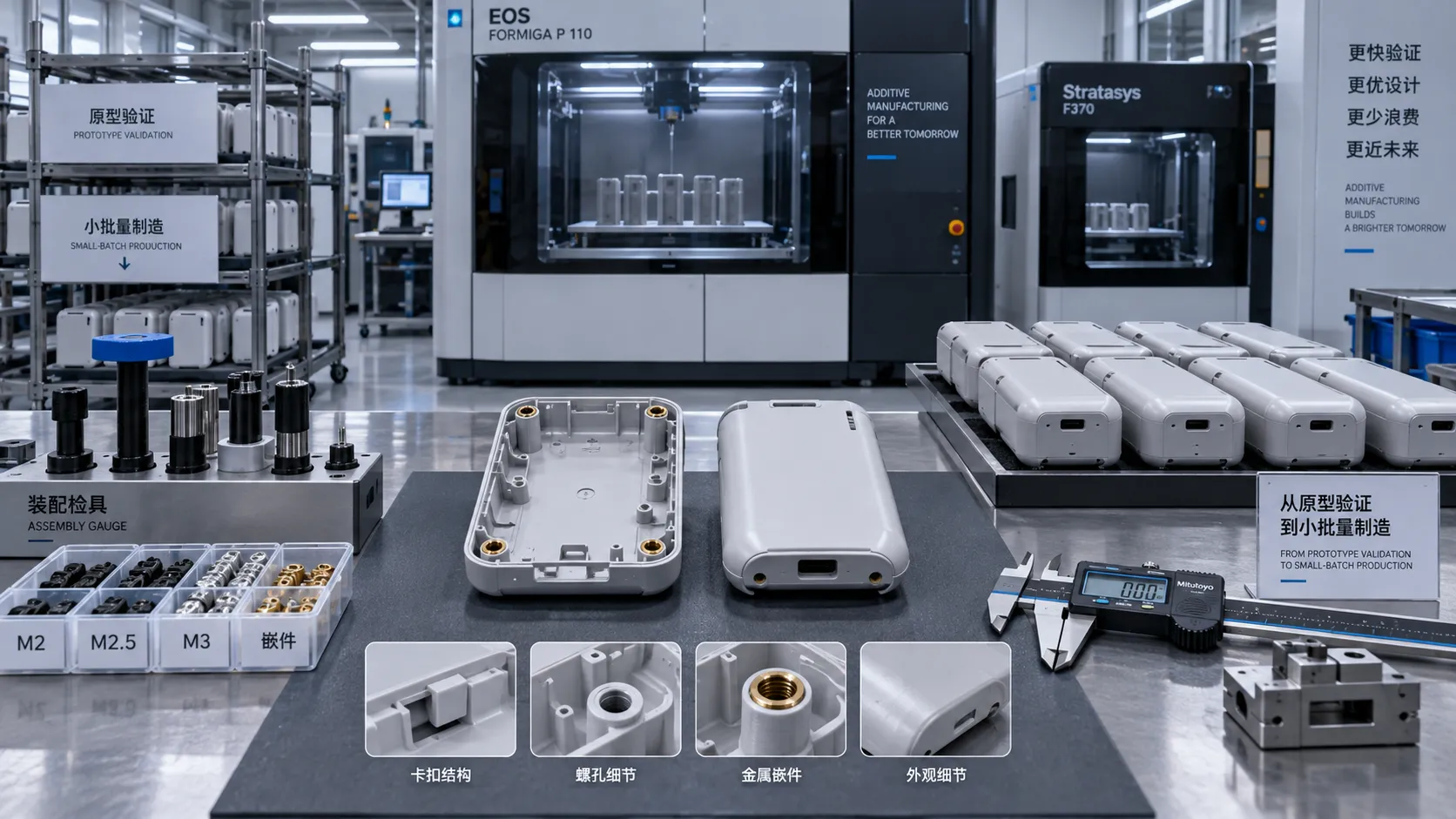
From Prototype to Small Batch: Applying 3D Printing to Consumer Goods
Explore 3d printing in consumer goods: learn how to move from prototype to small-batch production with practical guidance on materials, quality validation, and cost control.
Related News
- 00
0000-00
How to verify part consistency before choosing a 3D printing OEM - 00
0000-00
How does a rigid cryogenic transfer line handle thermal contraction? - 00
0000-00
How much does edge vision deployment cost beyond the hardware? - 00
0000-00
How does the purity of sputtering targets affect thin-film quality? - 00
0000-00
How high power laser cladding systems control substrate dilution
Dr. Hideo Tanaka
Weekly Insights
Stay ahead with our curated technology reports delivered every Monday.