
What laser technology investment insights matter most now?


For business evaluation professionals navigating fast-moving industrial markets, laser technology investment insights are no longer optional—they are central to sound capital decisions. From fiber laser scalability and regulatory exposure to supply chain resilience and ROI across advanced manufacturing applications, today’s investment landscape demands verifiable data and strategic foresight. This article highlights the factors that matter most now, helping decision-makers assess risk, benchmark opportunities, and align laser investments with long-term industrial competitiveness.
Why laser technology investment insights matter more in the current cycle
Industrial laser markets have moved beyond a simple growth narrative. Capital allocation now depends on performance proof, compliance visibility, and lifecycle economics across several manufacturing environments.
This shift makes laser technology investment insights essential for comparing suppliers, applications, and regional expansion plans. Investors now need technical depth, not only headline market forecasts.
The strongest signals come from high-precision cutting, welding, marking, micromachining, semiconductor processing, battery production, and automated inspection ecosystems.
In each segment, value depends on beam quality, throughput stability, software integration, serviceability, and evolving safety requirements. Those factors now shape return profiles more than unit shipment volume.
The market is changing from capacity expansion to quality-adjusted returns
Earlier investment cycles rewarded broad manufacturing expansion. The current phase favors assets that deliver reliable productivity under tighter energy, labor, and compliance constraints.
That means laser technology investment insights must evaluate whether a platform improves total process capability, not merely installed power or nameplate speed.
Fiber lasers remain highly attractive because of efficiency, compact design, and lower maintenance. Yet competitive advantage increasingly depends on software, optics, cooling, controls, and application tuning.
Ultrafast lasers also attract attention where yield, microfeature precision, and thermal control justify premium spending. Medical, electronics, and advanced materials applications continue to support this case.
Key trend signals being watched now
- Power growth is no longer enough without application-specific productivity evidence.
- Demand is shifting toward integrated systems with machine vision and real-time quality control.
- Regional supply chain diversification is changing sourcing strategies for laser modules and optics.
- Export controls and dual-use scrutiny affect long-term valuation and market access.
- Energy efficiency and uptime are becoming core components of ROI analysis.
The main forces shaping laser technology investment insights
Several structural drivers explain why laser investment analysis has become more demanding. These factors influence pricing power, risk exposure, and the durability of future cash flows.
What today’s investment signals mean across industrial workflows
The effect of these trends extends beyond equipment acquisition. Laser technology investment insights now influence plant design, vendor strategy, quality planning, and technology roadmaps.
In fabrication environments, the priority is often throughput stability with minimal downtime. In electronics and precision sectors, repeatability and low thermal distortion may matter more.
Battery manufacturing adds another layer. Here, process consistency, traceability, and defect prevention directly affect yield and safety economics.
Impact by business function
- Capital planning: shifts from equipment price comparison to asset productivity modeling.
- Operations: greater focus on uptime, preventive maintenance, and digital diagnostics.
- Engineering: more demand for process validation, beam control, and materials testing.
- Compliance: stronger attention to enclosure safety, documentation, and export classification.
- Supply chain: increased need for multisourcing and critical component traceability.
The laser technology investment insights that deserve the closest attention
Not every metric has equal strategic value. The most useful laser technology investment insights combine technical evidence with commercial durability and deployment realism.
1. Application-fit is more important than headline specifications
A higher-power laser does not guarantee a better investment. Beam quality, wavelength suitability, pulse characteristics, and material interaction often determine actual productivity.
2. Total cost of ownership should be modeled over the full asset life
Energy use, consumables, service intervals, cooling requirements, spare parts, and operator training all affect returns. Many weak decisions come from underestimating these recurring costs.
3. Software and data integration now influence competitive value
Systems that connect with MES, vision platforms, and predictive maintenance tools create better utilization. This expands the practical value of laser technology investment insights.
4. Supply chain resilience must be verified, not assumed
Critical dependencies on optical components or semiconductor elements can disrupt deployment schedules. Resilience analysis should include lead times, alternate suppliers, and geographic concentration.
5. Regulatory and export exposure can alter investment timing
Dual-use classifications, cross-border sales controls, and documentation gaps may delay projects. Strong compliance capability can protect both execution and enterprise value.
6. Service infrastructure often separates scalable investments from fragile ones
A technically strong platform loses value without fast support, validated maintenance procedures, and regional spare parts coverage.
A practical framework for evaluating opportunities now
The best laser technology investment insights are structured, comparable, and tied to measurable outcomes. A simple framework helps separate strong opportunities from expensive noise.
What should be monitored over the next 12 to 24 months
Near-term monitoring should focus on evidence of durable demand and execution quality. Short-term order growth alone may distort judgment.
- Adoption rates in EV battery lines, power electronics, and semiconductor packaging
- Price discipline in fiber and ultrafast laser segments
- Regional policy changes affecting exports and industrial incentives
- Supplier health for optics, diodes, scanners, and control systems
- Growth in service, retrofitting, and software-based revenue streams
These indicators provide sharper laser technology investment insights than broad optimism about automation alone. They show whether value creation is becoming more resilient or more fragile.
How to turn laser technology investment insights into better decisions
Start with process economics, then test technical fit, regulatory exposure, and supplier depth. This sequence reduces the risk of overpaying for capabilities that do not translate into usable advantage.
Decision quality improves when benchmarking data, standards compliance, and field performance are reviewed together. Isolated metrics can mislead in a fragmented industrial environment.
In practical terms, the next step is to build a comparison matrix for target laser platforms, map critical component dependencies, and validate ROI assumptions against real operating conditions.
The most valuable laser technology investment insights now come from disciplined cross-checking of engineering evidence, market timing, and execution risk. That is where durable advantage begins.
Related News
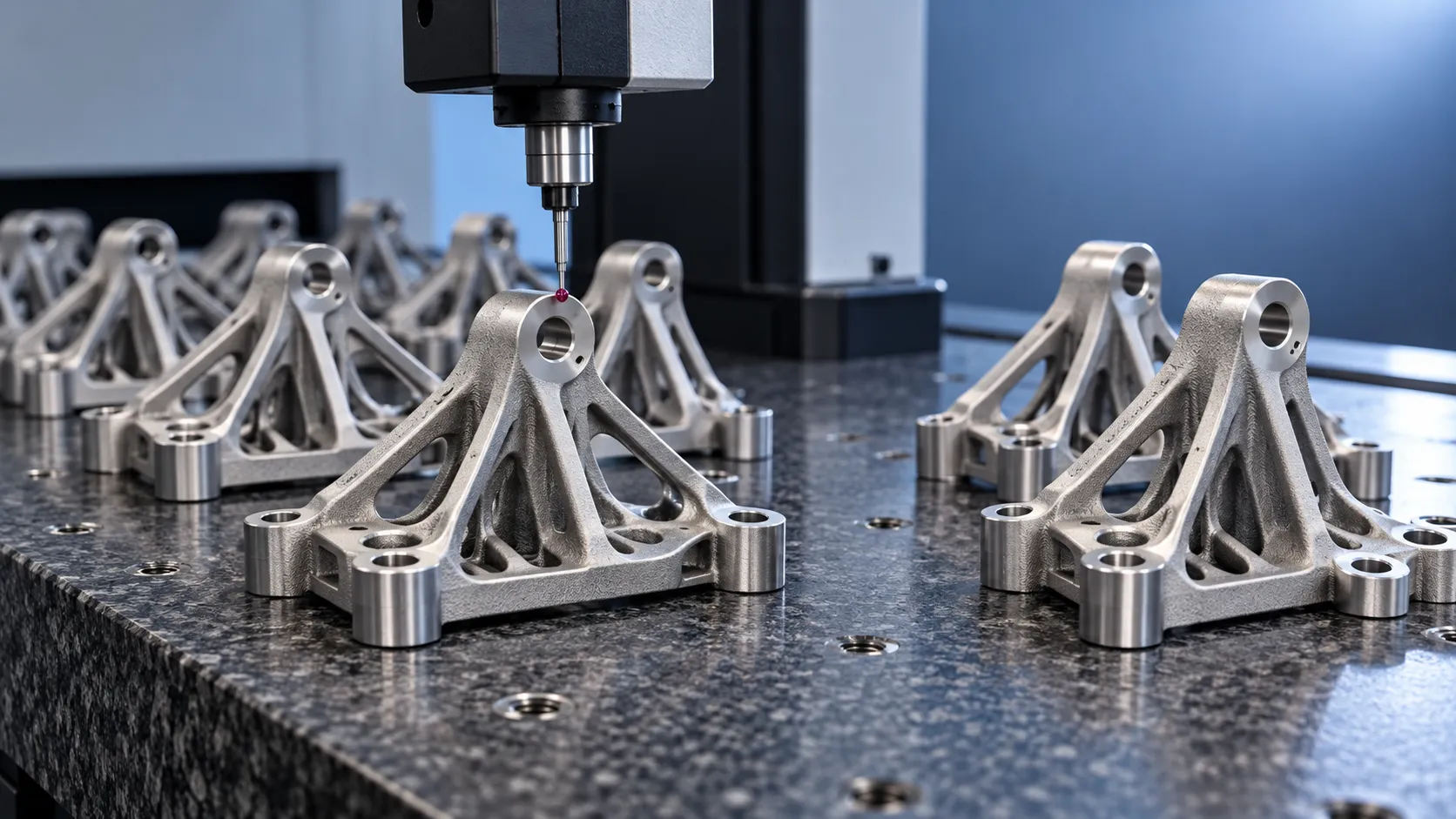
How to verify part consistency before choosing a 3D printing OEM
Choosing a 3D printing OEM? Learn how to verify part consistency with repeat-build trials, validated inspections, and traceability checks before committing to production.
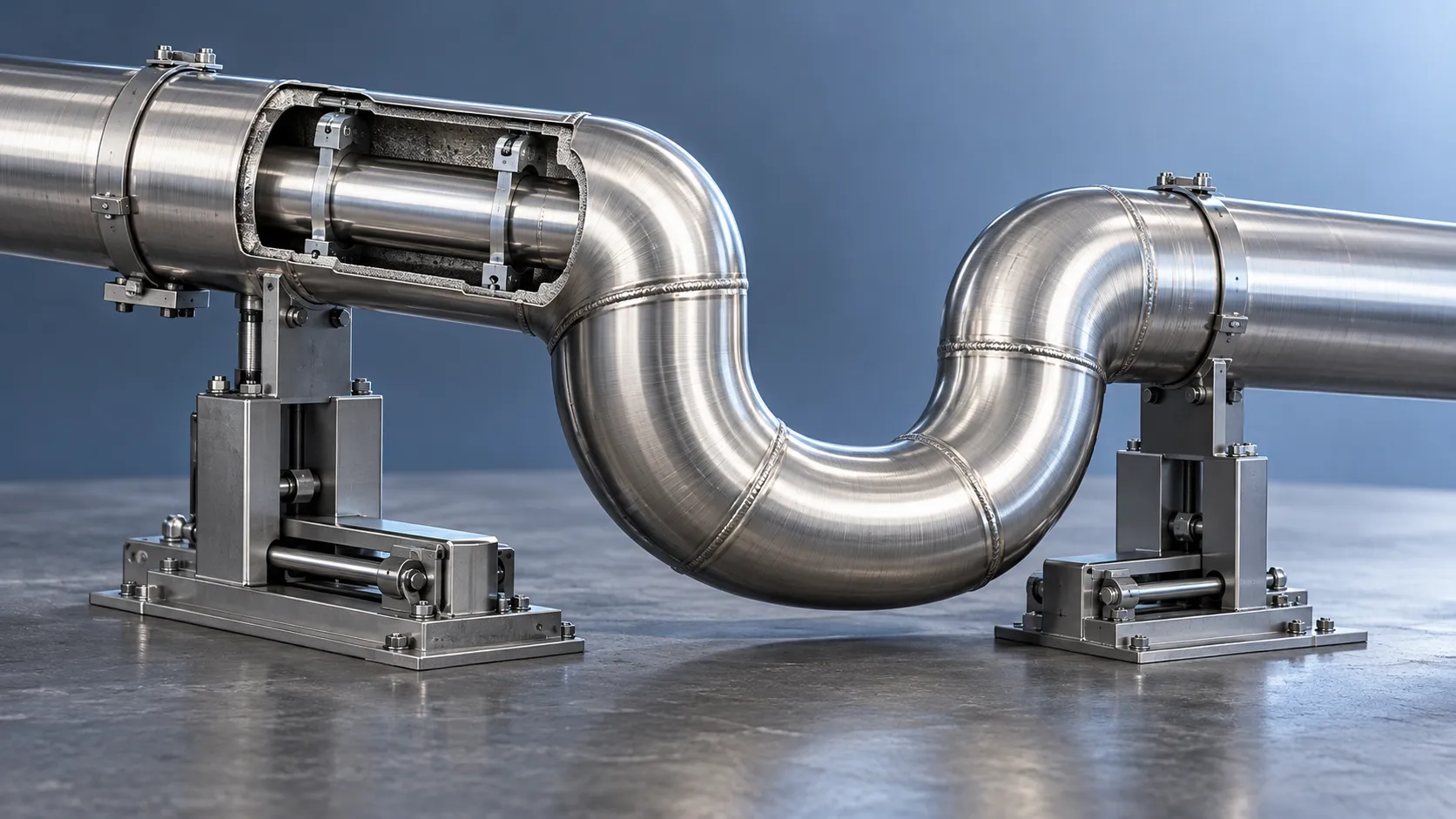
How does a rigid cryogenic transfer line handle thermal contraction?
Learn how a rigid cryogenic transfer line manages thermal contraction with bends, bellows, and guided supports. Discover key design checks for safe, reliable cryogenic performance.

How much does edge vision deployment cost beyond the hardware?
Understand edge vision deployment cost beyond hardware, from data and integration to security and support. Uncover hidden expenses and build a smarter lifecycle budget before you scale.
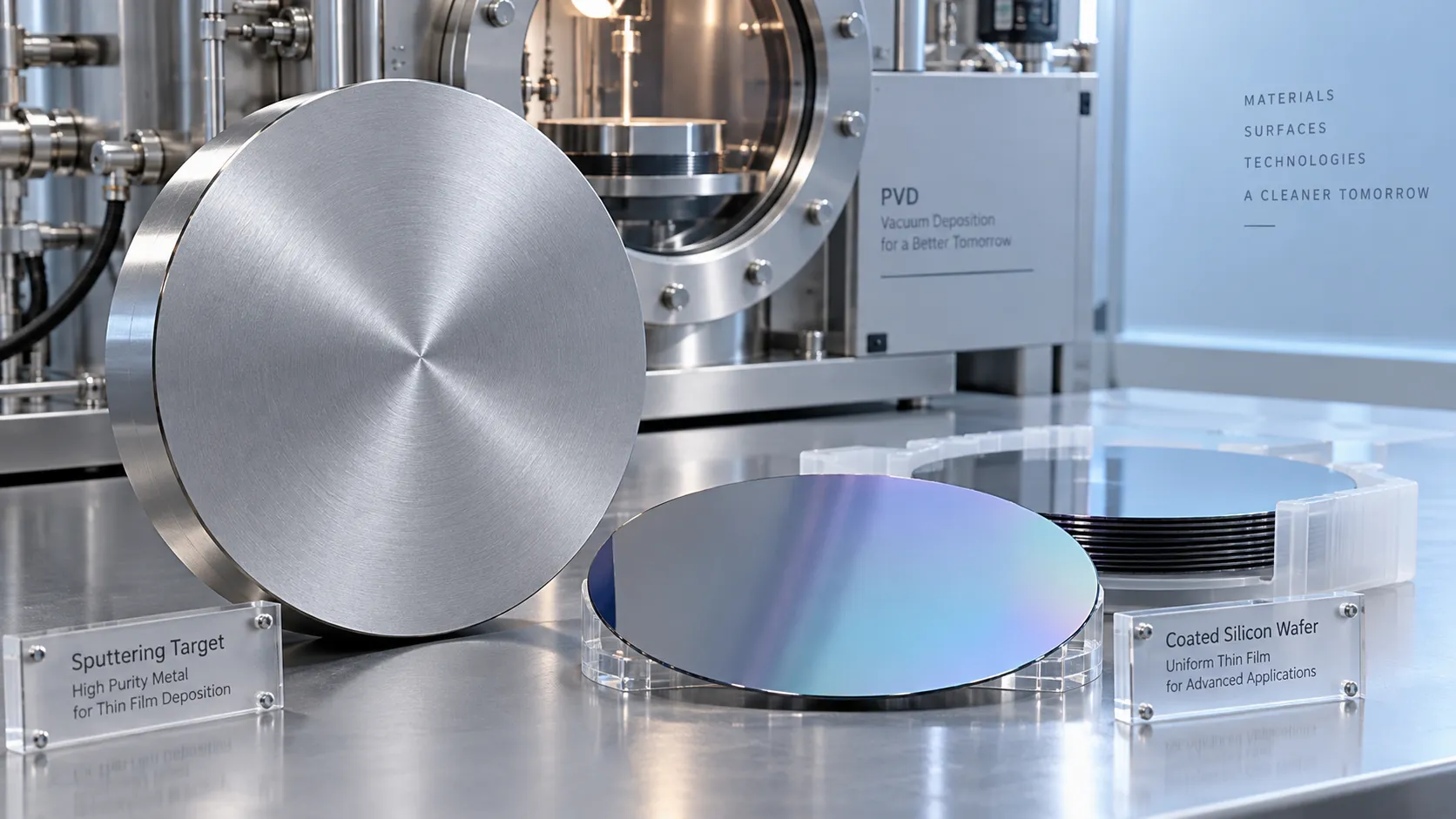
How does the purity of sputtering targets affect thin-film quality?
Discover how sputtering targets affect thin-film quality. Learn to assess purity, identify harmful impurities, and choose specifications that improve coating performance.
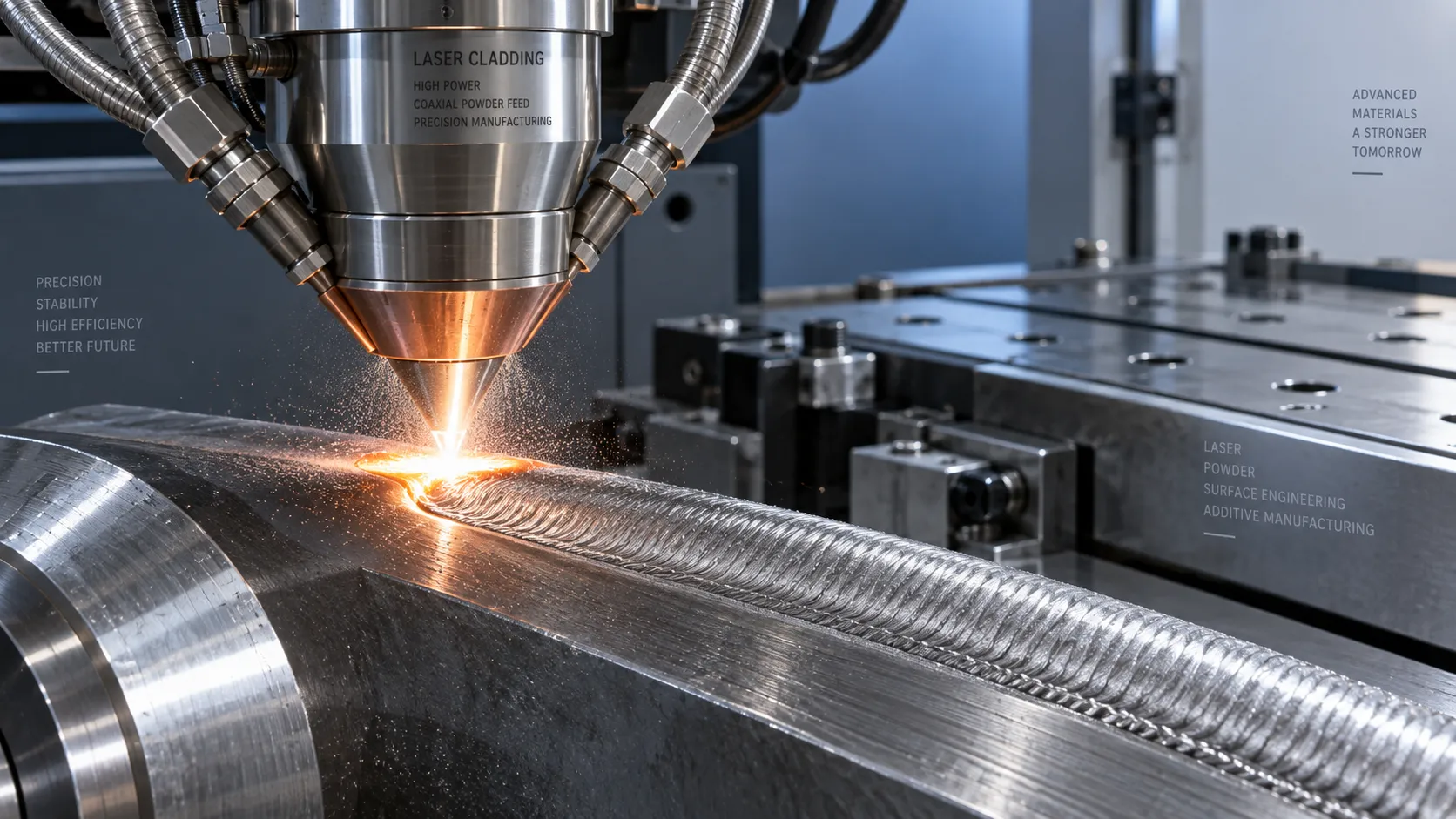
How high power laser cladding systems control substrate dilution
Discover how high power laser cladding systems control substrate dilution through beam shaping, material feed, and thermal management to deliver reliable bonds and coating performance.

How to check HS codes for customs compliance in international logistics
Strengthen international logistics customs compliance: learn how to verify HS codes, check official tariffs, and document classifications to reduce costly shipment delays.
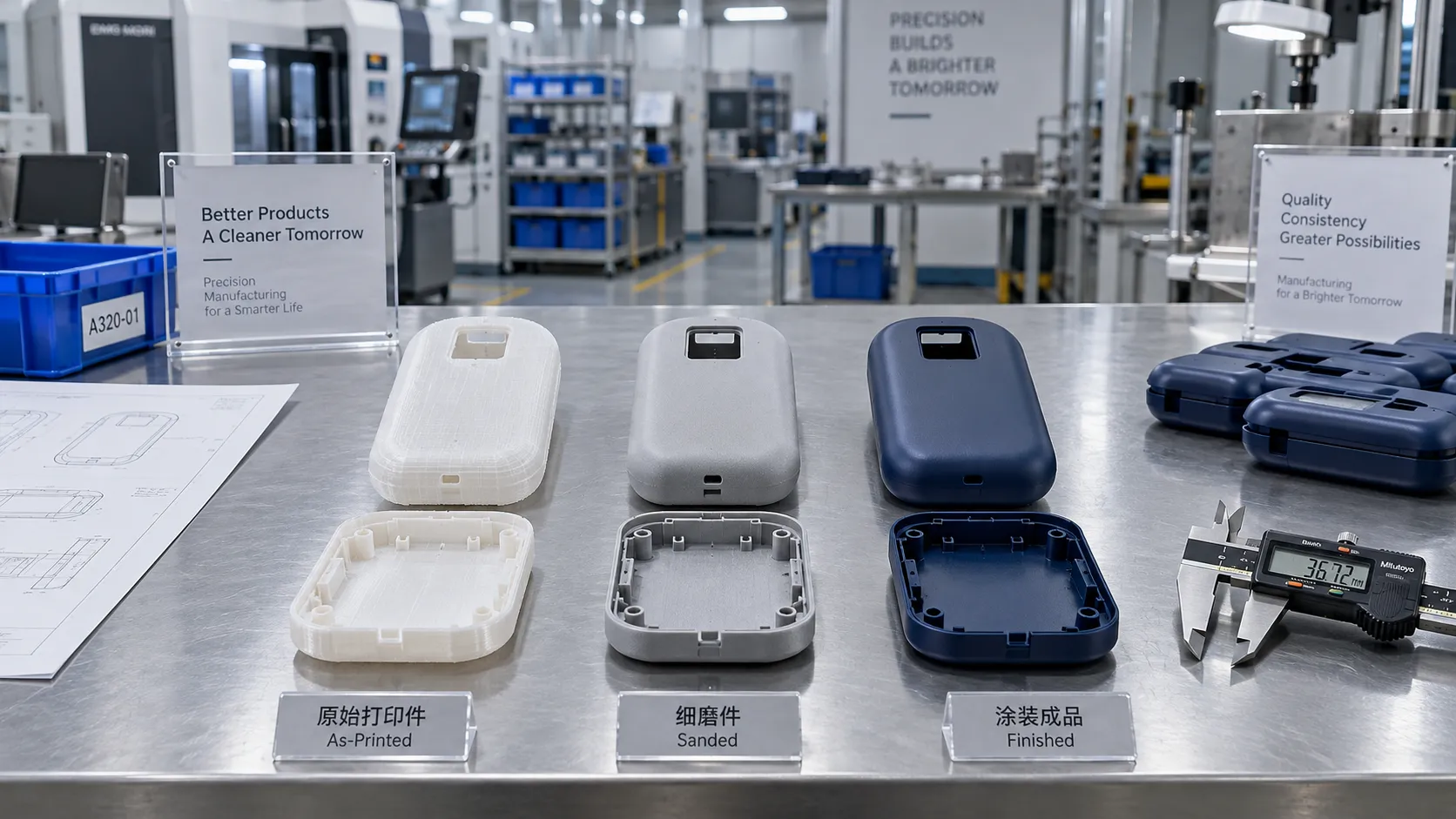
Choosing a 3D Printing Service for Consumer Products: Finish, Fit, and Cost
Compare 3d printing consumer good services by finish, fit, materials, and total cost. Learn how to choose a reliable supplier and avoid costly defects before ordering.
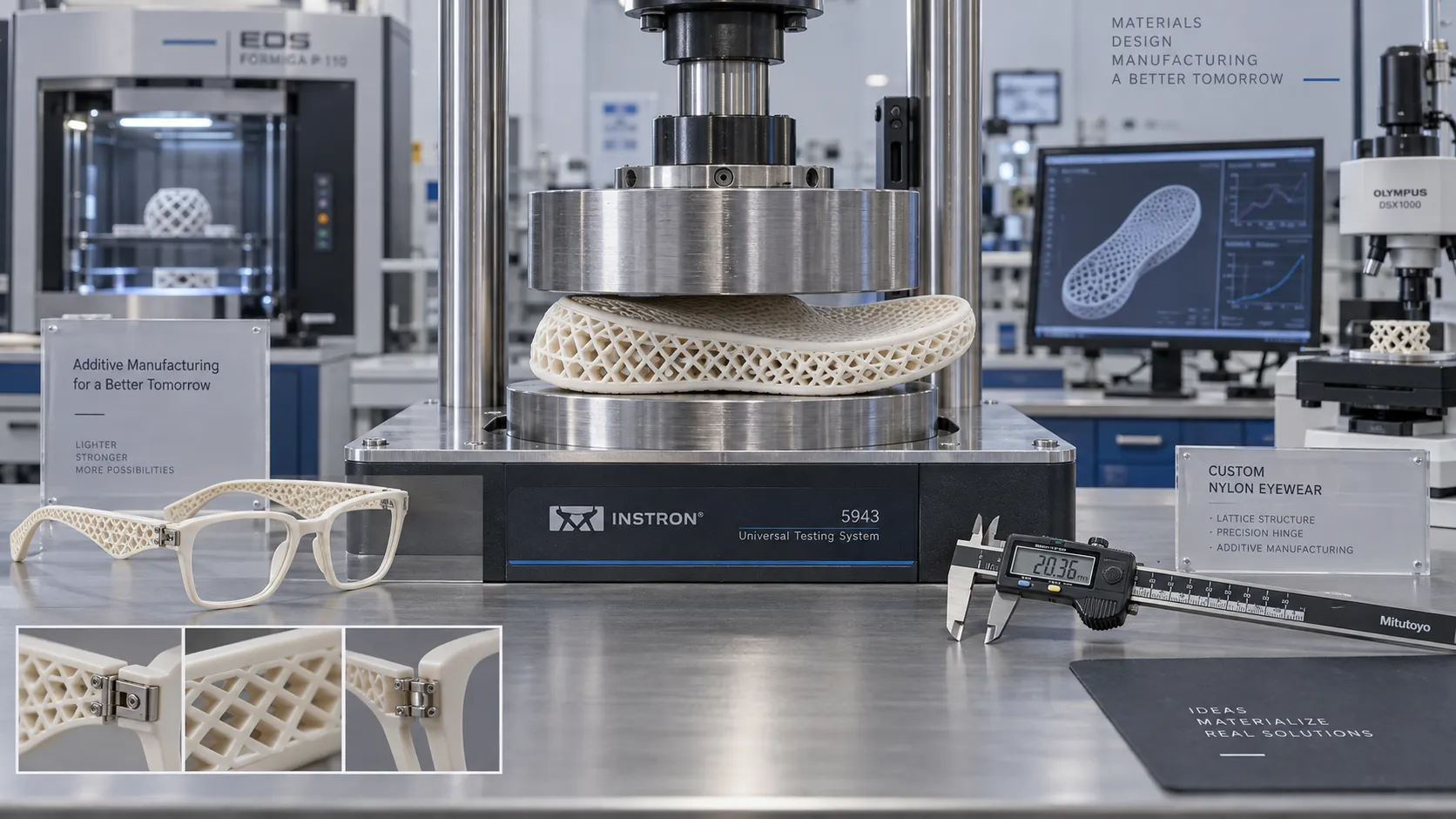
Which Consumer Goods Can Be 3D Printed, and What Are the Practical Limits?
Explore 3d printing consumer goods, from custom eyewear to replacement parts. Discover practical limits on materials, safety, and costs to make smarter production decisions.
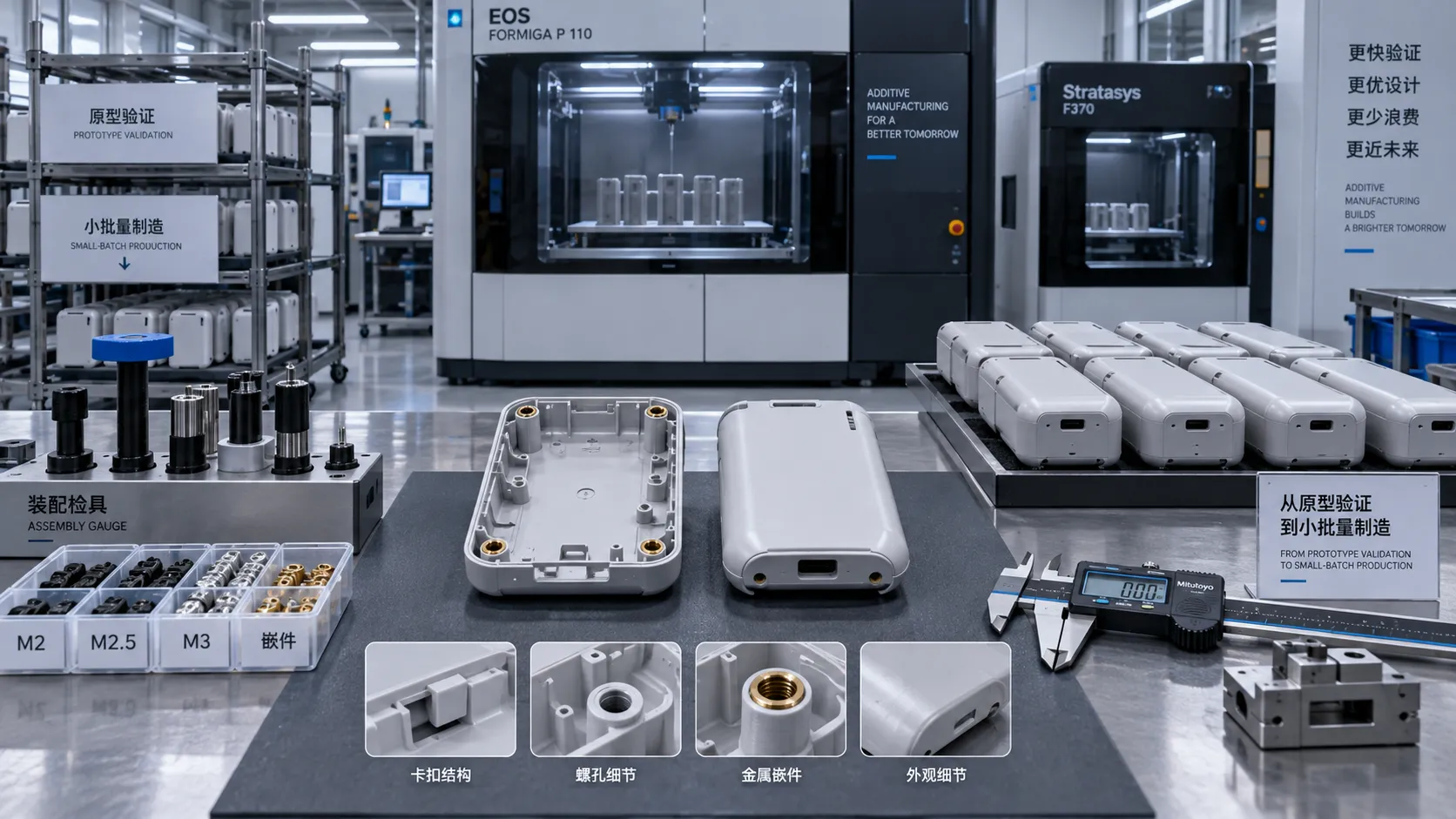
From Prototype to Small Batch: Applying 3D Printing to Consumer Goods
Explore 3d printing in consumer goods: learn how to move from prototype to small-batch production with practical guidance on materials, quality validation, and cost control.
Related News
- 00
0000-00
How to verify part consistency before choosing a 3D printing OEM - 00
0000-00
How does a rigid cryogenic transfer line handle thermal contraction? - 00
0000-00
How much does edge vision deployment cost beyond the hardware? - 00
0000-00
How does the purity of sputtering targets affect thin-film quality? - 00
0000-00
How high power laser cladding systems control substrate dilution
Dr. Hideo Tanaka
Weekly Insights
Stay ahead with our curated technology reports delivered every Monday.