
What the new laser safety rules in 2026 may change

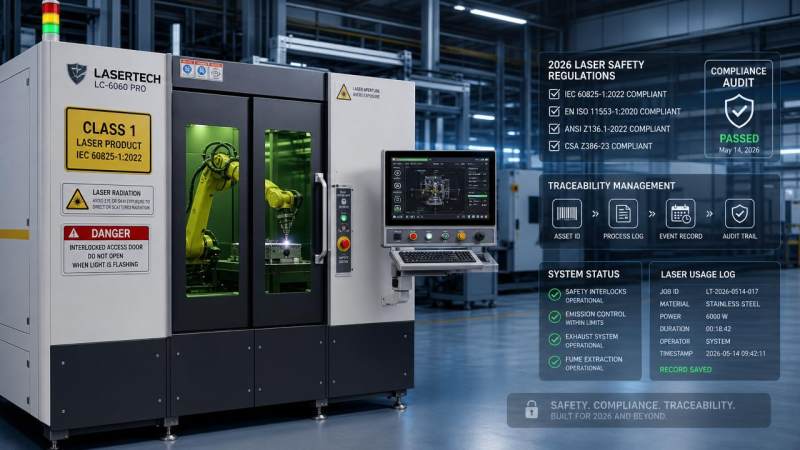
As manufacturers prepare for stricter compliance demands, the new laser safety regulations 2026 are becoming a critical concern for quality control and safety managers. From equipment classification and operator protection to documentation, auditing, and cross-border procurement standards, these upcoming rules may reshape how industrial laser systems are evaluated, approved, and managed across high-risk production environments.
Understanding what the new laser safety regulations 2026 may cover
The phrase new laser safety regulations 2026 refers to expected updates across product safety, workplace control, traceability, and international conformity practices.
These rules may not appear as one single law. They may emerge through revised standards, national adoptions, and stricter enforcement guidance.
In industrial settings, laser safety has already been shaped by IEC, ISO, ANSI, OSHA-related practice, and local occupational safety frameworks.
What changes in 2026 may be the depth of proof required. Compliance may shift from basic declarations toward documented, auditable risk control.
That means technical files, hazard zoning, operator training records, interlock validation, and service procedures may receive closer regulatory attention.
Core areas likely to change
- Laser classification and labeling accuracy
- Protective housing and interlock performance
- Operator exposure assessment methods
- Personal protective equipment selection criteria
- Maintenance and service mode safeguards
- Digital documentation and inspection traceability
Industry background and current signals behind the 2026 shift
The industrial laser market now includes higher power density, faster scanning, smarter automation, and more integrated multi-axis production systems.
These advances improve throughput, but they also increase the complexity of beam containment, access control, reflected radiation management, and maintenance exposure.
Another pressure point is cross-border equipment movement. Different regions increasingly expect evidence that safety controls remain valid after installation or modification.
This is why the new laser safety regulations 2026 matter far beyond the laser sector. They affect broader industrial risk governance.
Organizations such as G-AIT track these signals because compliance no longer depends only on nominal specifications. Real safety performance now shapes purchasing confidence.
What the new laser safety regulations 2026 may change in practice
The biggest practical change may be evidence depth. Safety features that once passed by design intent may need stronger validation records.
1. Tighter equipment classification
Classification errors create downstream risk. New laser safety regulations 2026 may push for more precise evaluation of embedded and accessible emission conditions.
That affects labels, manuals, warning zones, and customer acceptance documents. Even small mismatches can trigger audit findings or import delays.
2. Stronger engineering controls
Protective housings, beam dumps, viewing windows, shutters, and interlocks may be reviewed more rigorously under updated interpretations.
This is especially relevant for systems that operate with frequent door opening, tool changes, or service mode exposure.
3. Better training and competence records
Training may move beyond attendance sheets. Inspectors may expect role-based modules, refresh cycles, incident response knowledge, and signed competence evidence.
4. Expanded traceability
The new laser safety regulations 2026 may encourage digital logs for maintenance, alignment, incidents, calibration, and safety-critical configuration changes.
Such traceability supports insurance reviews, customer audits, and post-installation conformity checks across global sites.
Business value of early preparation
Early alignment with the new laser safety regulations 2026 is not only about avoiding penalties. It also protects project timelines and asset utilization.
A delayed acceptance test can stop production ramp-up. A weak safety file can slow customs review or internal approval.
On the commercial side, strong safety documentation improves buyer trust, especially in sectors with strict supplier qualification rules.
- Fewer delays during factory acceptance and site acceptance tests
- Lower rework cost after installation
- Stronger audit readiness for enterprise clients
- Better comparability between suppliers and sites
- Reduced legal exposure after incidents or near misses
For intelligence platforms like G-AIT, this trend confirms that technical benchmarking and regulatory foresight are now inseparable in industrial decision-making.
Typical scenarios most affected by the 2026 laser safety updates
Not every system will face the same compliance burden. Risk depends on power, wavelength, enclosure design, automation level, and operator interaction.
Multi-technology sites deserve special attention. Laser safety often intersects with machine vision, robotics, vacuum systems, and additive processing workflows.
Practical preparation steps and compliance cautions
The safest approach is to treat the new laser safety regulations 2026 as a readiness program, not a last-minute document update.
Recommended preparation checklist
- Map every laser asset by class, process, location, and operating mode.
- Review guarding, interlocks, shutters, and emergency stop logic.
- Verify labels, manuals, and warning signage against current configuration.
- Audit training records and refresh any role-specific competence gaps.
- Create digital logs for maintenance, incidents, and safety-related changes.
- Check supplier documentation for imported or customized systems.
- Plan third-party review where high-power or complex automation is involved.
Common mistakes to avoid
- Assuming old acceptance files still reflect the installed system
- Ignoring service mode exposure during risk assessment
- Using generic eyewear data without wavelength verification
- Treating software changes as non-safety events
- Relying on supplier statements without technical evidence
These cautions matter because the new laser safety regulations 2026 may evaluate the whole operating environment, not only the laser source itself.
A clear next step for 2026 readiness
The most effective next step is a structured gap assessment covering equipment design, documents, training, and installed-site controls.
That review should compare internal practice with emerging standards language, export requirements, and customer audit expectations.
The new laser safety regulations 2026 are likely to reward organizations that can prove consistency, traceability, and engineering discipline.
In a market shaped by precision manufacturing and cross-border technology deployment, laser safety will increasingly define operational credibility as much as technical capability.
Using independent benchmarking, standards monitoring, and documented control reviews can turn 2026 compliance pressure into a stronger industrial governance framework.
Related News

Global Industrial Laser Market Report 2026: Demand Shifts
Global industrial laser market report 2026 reveals demand shifts in fiber, ultrafast, welding, and automation—helping buyers plan smarter laser investments.
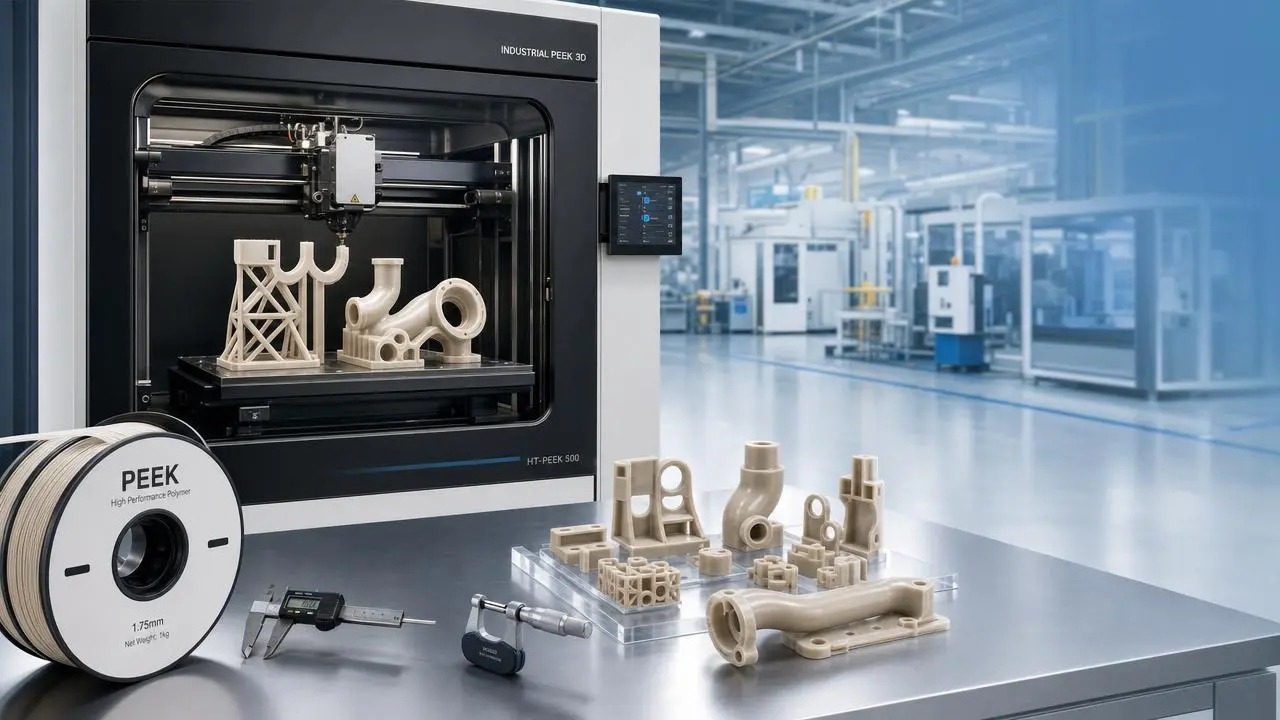
Next-Gen Polymer 3D Printing Tech: When It Pays Off
Next-gen polymer 3d printing tech can cut lead times, reduce tooling costs, and improve flexibility—learn when it delivers real industrial ROI.

Air Compressors: Efficiency Checks Before Upgrade
Air compressors upgrade? Check leaks, pressure drops, maintenance, and demand first to cut energy waste, avoid overspending, and choose the right solution.

Energy Storage Battery Cost Drivers in 2026
Energy storage battery cost drivers in 2026 explained: compare chemistry, compliance, logistics, warranty risk, and lifecycle economics to make smarter, bankable project decisions.

Cryogenic Heat Exchanger OEM: Key Selection Risks
Cryogenic heat exchanger OEM selection impacts safety, uptime, and lifecycle cost. Learn key risks, evaluation criteria, and evidence to request before choosing a supplier.
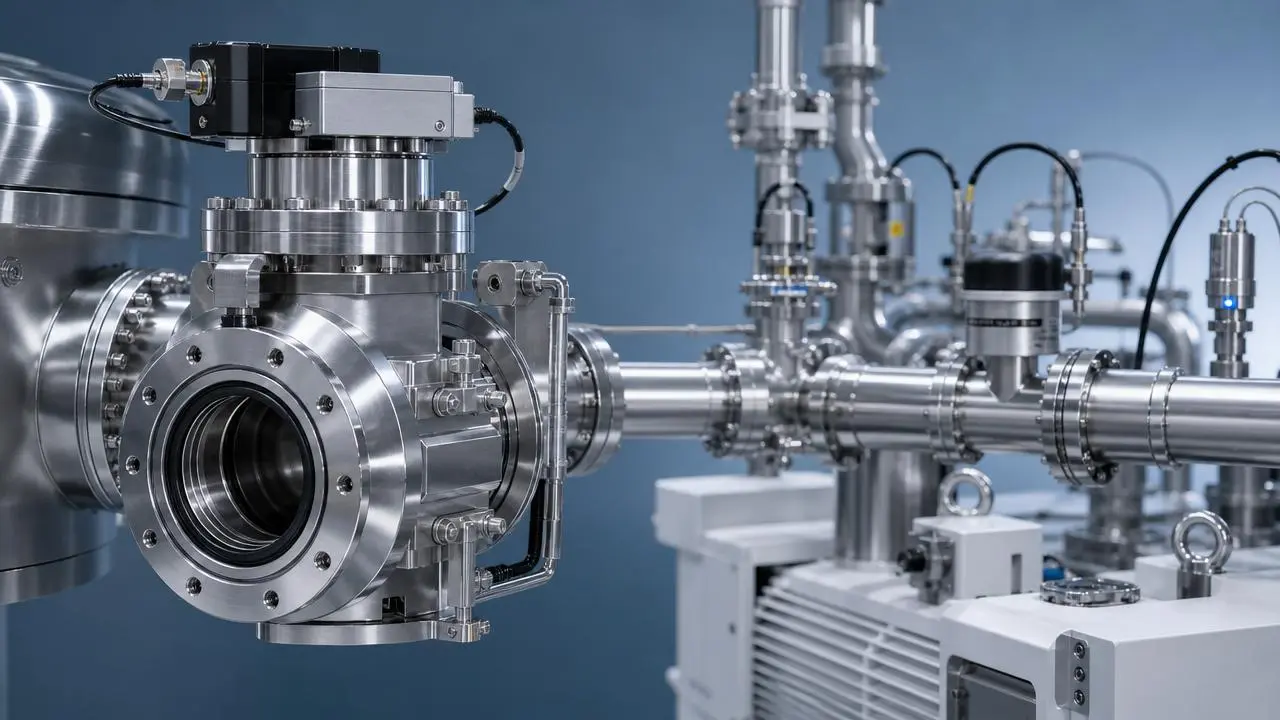
Semiconductor Vacuum Valves: Failure Risks to Check
Semiconductor vacuum valves can threaten yield, uptime, and safety. Learn key failure risks, inspection priorities, and early warning signs before costly downtime.
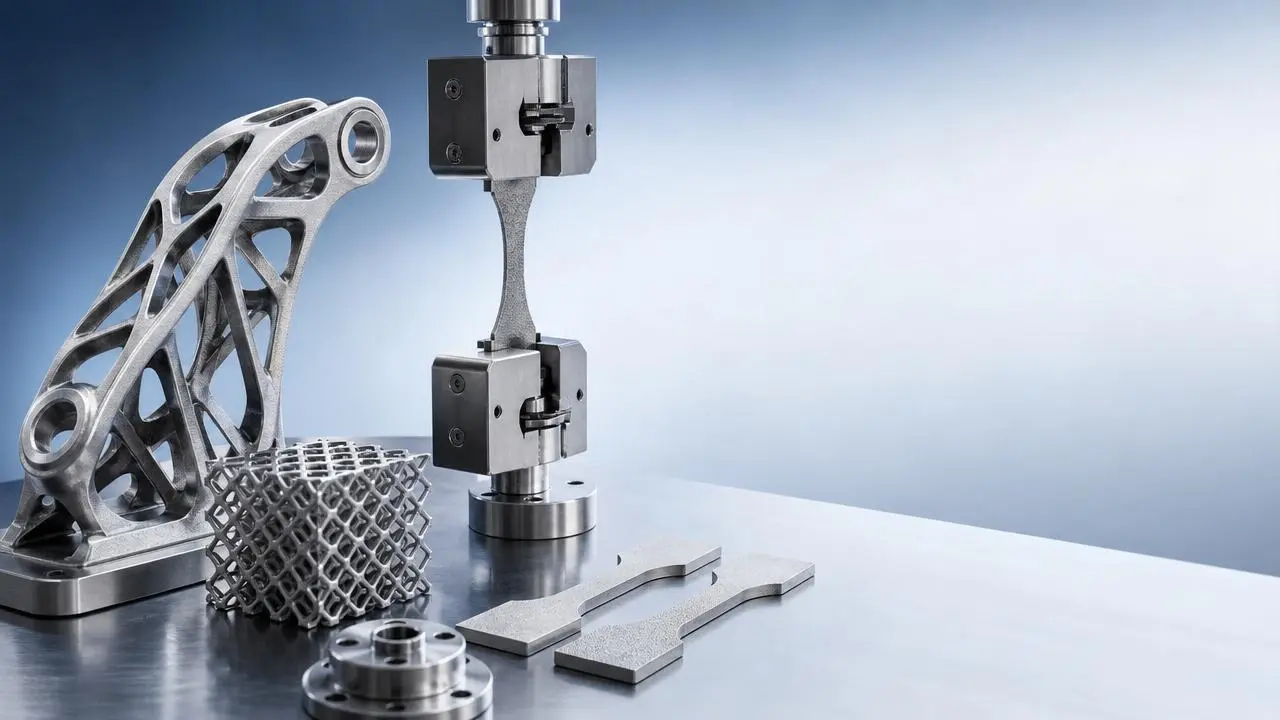
3D Printing Lightweight Components: Cost vs Strength
3D printing lightweight components can cut weight and boost performance—but when does cost justify strength? Explore key materials, risks, and supplier evaluation tips.

Line Scan Camera Manufacturer: Key Specs to Compare
Compare a line scan camera manufacturer by sensor quality, line rate, bandwidth, sync, and support to choose reliable machine vision performance.

How to Choose Between Electronic Commerce Platforms in 2026
How to choose between electronic commerce platforms? Discover 2026 B2B selection criteria for integration, security, data governance, scalability, and smarter enterprise growth.
Related News
Dr. Hideo Tanaka
Weekly Insights
Stay ahead with our curated technology reports delivered every Monday.